Season 1 · Episode 1
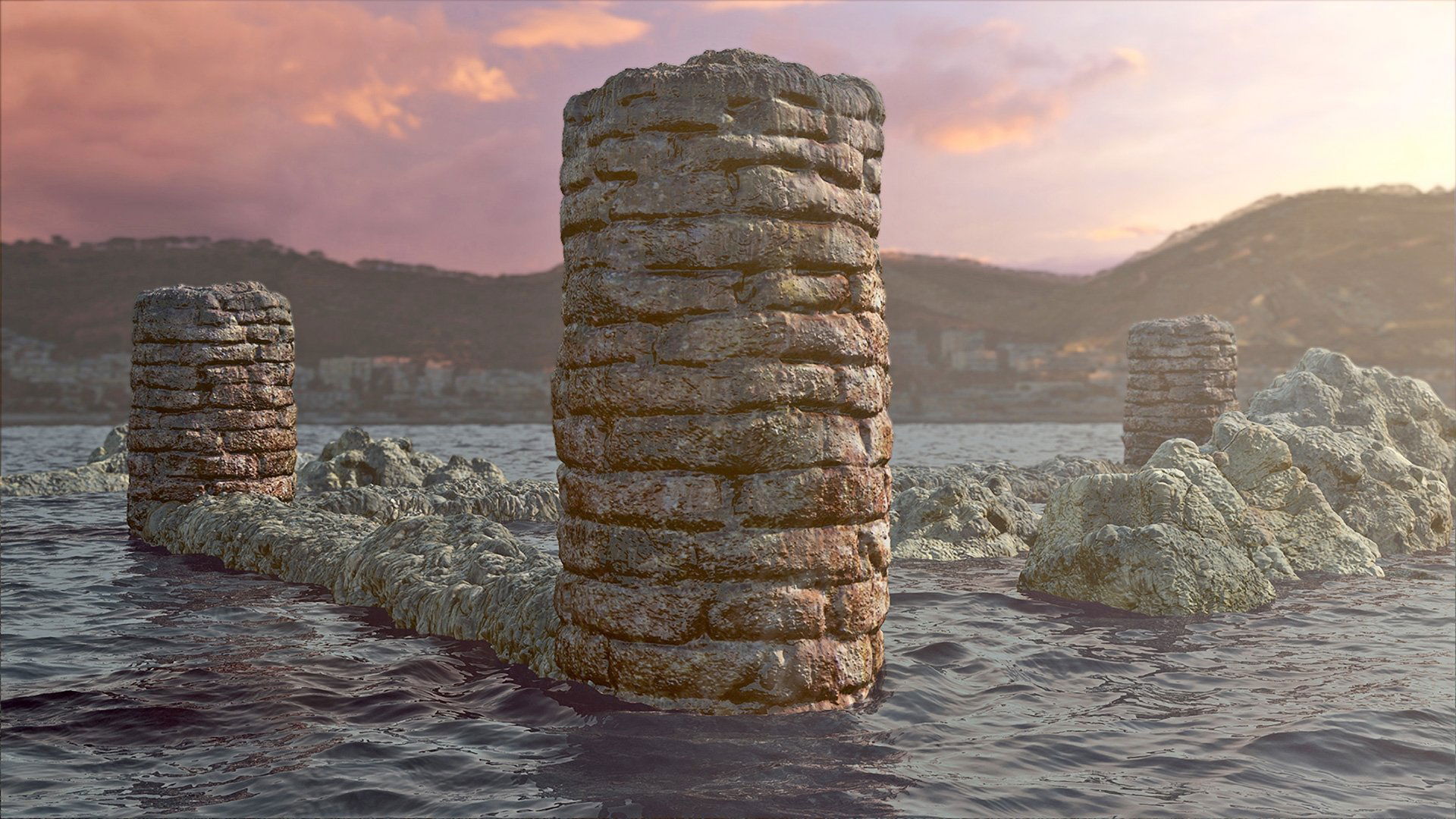
Lost civilizations, mysterious cities and legendary sites have all vanished. Can draining the seas help unlock what caused their demise?
For centuries treasure ships sailed the world hunted by pirates, battered by storms and reefs. Only now can we begin to explore what remains of them.
Under the seas lives a lost graveyard of sunken war ships. Countless vessels from WWI and WWII pepper the seafloor waiting to be explored.
Towering walls of water, powerful winds and churning seas can overwhelm any ship. But what secrets of the stormy seas can now be revealed?
In warfare, saboteurs are a silent, unseen enemy with advanced weaponry and their element of surprise sending many ships to their final resting place.
War, weather and human error have led to some of the worst maritime disasters history. Drained dry we now reveal the mysteries along America’s shores.
The seafloor is the world’s biggest tsunami machine and its dangers have remained hidden from view, until now!
Beneath the waters of the world, lies undersea empires and relics of their bloody wars. Can today’s technology uncover these lost empires?
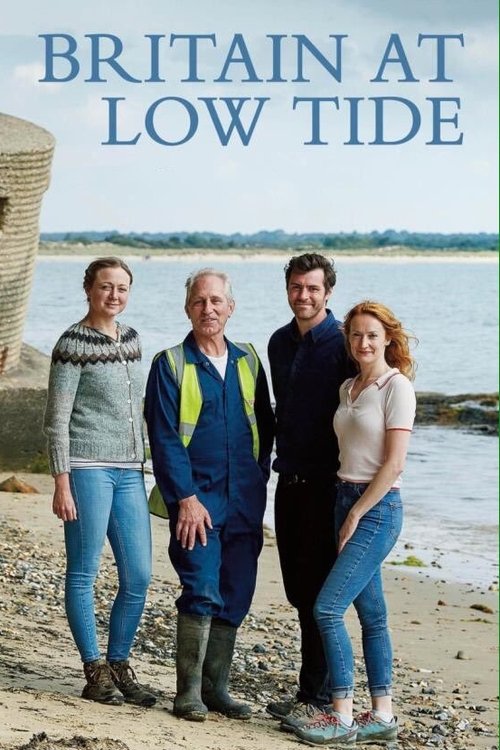
Britain at Low Tide explores remarkable stories that are revealed when the tide goes out
2016
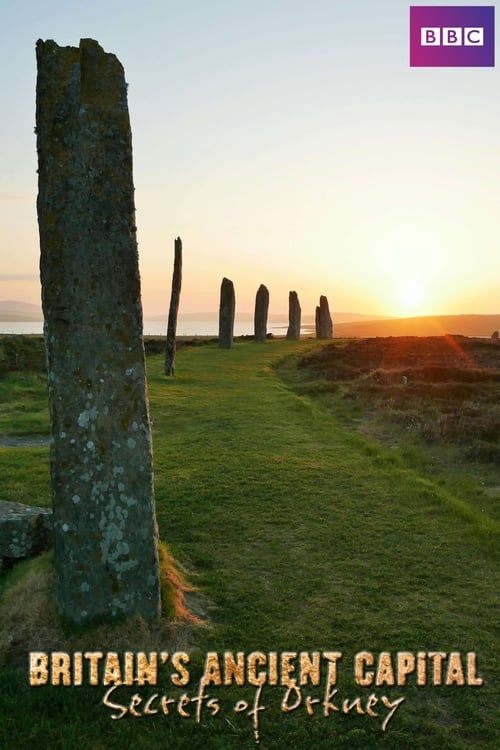
Neil Oliver, Chris Packham, Andy Torbet and Dr Shini Somara join hundreds of archaeologists from around the world who have gathered in Orkney to investigate at one of Europe's biggest digs.
2017
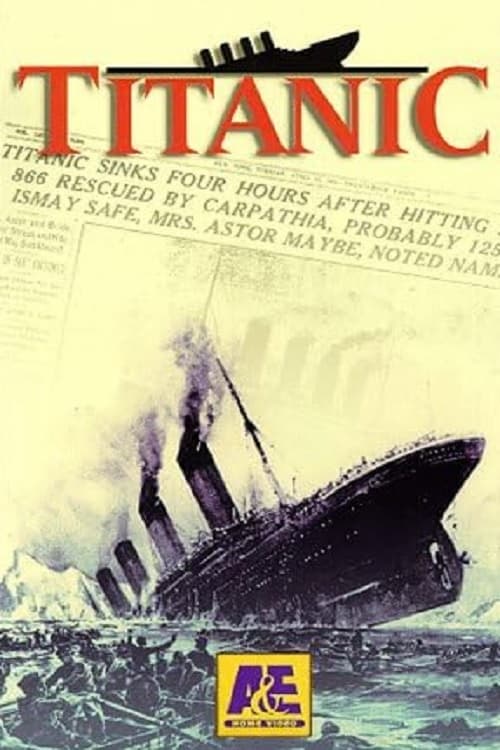
The story of the ill-fated ocean liner and the sinking that made it infamous.
1994
No description available.
2021
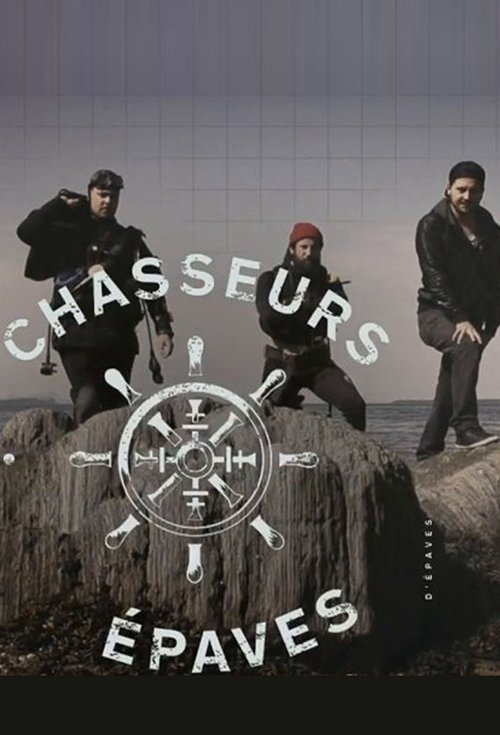
Shipwreck hunter Samuel Côté takes us to the depths of the St-Lawrence river, in search of buried and long-forgotten treasures. With his team of divers, Samuel tracks down shipwrecks that lie in the river’s abyss, seeking to bring their mysteries to light. The series immerses the viewer into Quebec’s maritime history, through tales of war, pirates, treasures and archeology. The venture is a risky one, but Samuel’s discoveries are fascinating and allow him to accomplish his mission, which is to restore the river’s history. Season 1: 10 x 30 minutes, fall 2014 Season 2: 9 x 30 minutes, winter 2016 Season 3: in production The series is produced by URBANIA, broadcast on the HISTORIA channel, thanks to the financial support of the Canada Media Fund.
2014
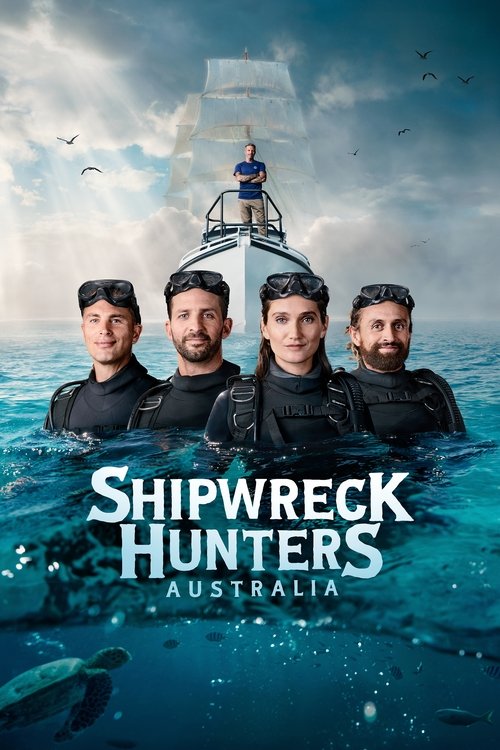
A unique team of adventurous divers and underwater filmmakers are joined by expert maritime archaeologists on the hunt for long-lost shipwreck secrets along the vast coast of Western Australia. Led by an obsessed pirate captain, the missions combine new evidence and archival research in an all-out adventure into the mysterious past in one of the most stunning places on Earth.
2022
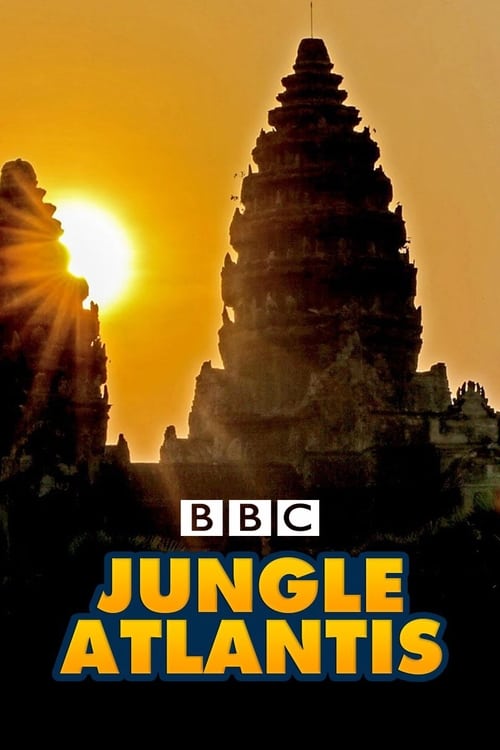
Millions of tourists visit Angkor Wat in Cambodia every year to marvel at its remarkable architecture, yet most are probably unaware that when it was built nearly 1,000 years ago it was even more impressive. Using remote sensing technology, scientists now know what is hidden beneath the nearby paddy fields and jungle: a sophisticated metropolis with an elaborate network of houses, canals, boulevards and temples covering 30 square kilometres that housed three-quarters of a million people. To put that into perspective, London at that time was home to just 18,000. These previously hidden finds tell us a great deal about life during the golden age of the powerful Khmer dynasty.
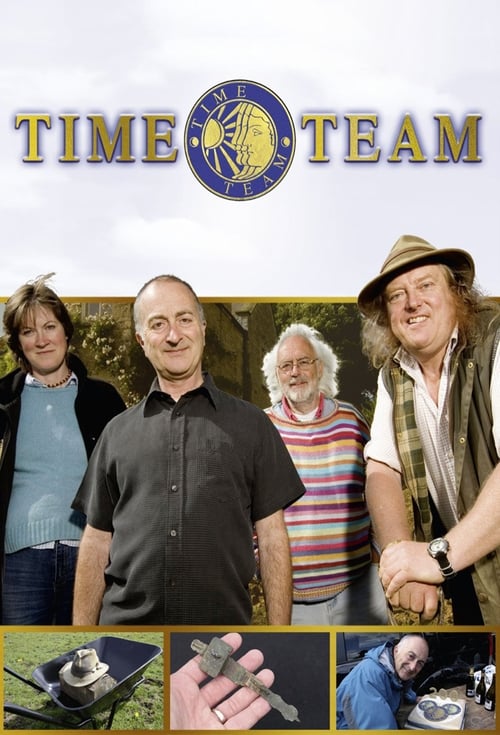
Time Team is a British television series which has been aired on British Channel 4 from 1994. Created by television producer Tim Taylor and presented by actor Tony Robinson, each episode featured a team of specialists carrying out an archaeological dig over a period of three days, with Robinson explaining the process in layman's terms. This team of specialists changed throughout the series' run, although has consistently included professional archaeologists such as Mick Aston, Carenza Lewis, Francis Pryor and Phil Harding. The sites excavated over the show's run have ranged in date from the Palaeolithic right through to the Second World War.
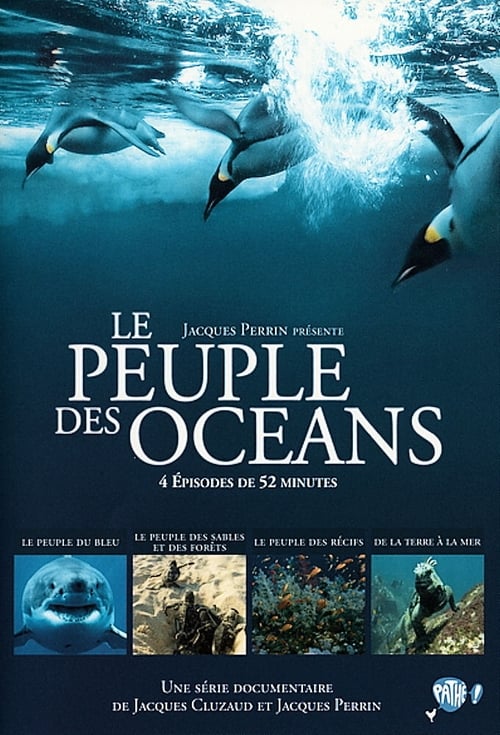
A four-part documentary series on ocean life around the world.
2011
The crystal clear waters of East Asia are home to some of the world’s rarest and most exotic creatures. Dive beneath the waves to discover this stunning underwater landscape and learn how these aquatic species have evolved alongside their environment to allow both plant and fish to thrive.
2019
In each episode, geologist Dr. Iain Stewart explains the effects and importance of a specific force of nature, such as wind or volcanism. He also examines the various ways in which it shapes planet earth itself and influences life on it, often in conjunction with other natural forces, and sometimes with lifeforms, as in the 'apocalyptically' grave case of global warming.
2007
Through new discoveries in science and archaeology, explorers take a look at the origins of the Vikings and how they influenced history.
A three-part documentary series that journeys to the heart of Ireland's coast, revealing its fascinating origins, rich biodiversity and magnetic charm.
2024
In 90 A.D., ancient Rome played host to a sporting spectacle that attracted crowds three times the size of the Colosseum?s gladiator games: chariot racing. Every week, 150,000 fans packed the massive Circus Maximus, not just to cheer on the speed, fury, and danger of the races, but to witness the champion charioteer, Flavius Scorpus. Examine his improbable rise from young slave to arguably the most successful competitor in the sport?s history.
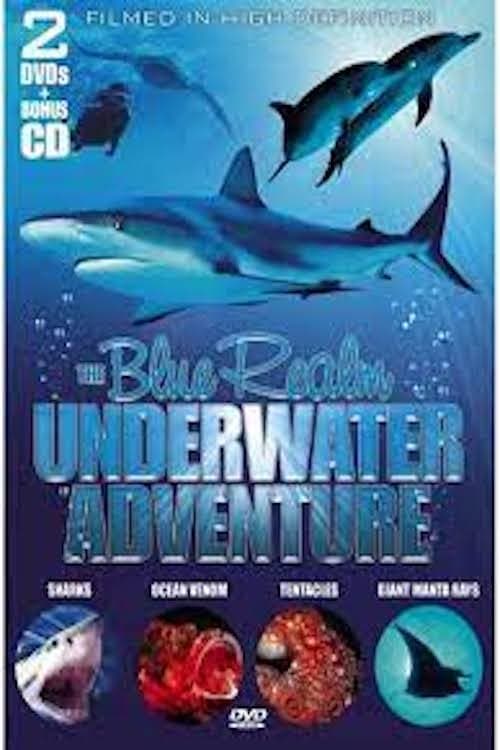
The Blue Realm is a natural history television series about amazing creatures of the sea. Utilizing superb High-Definition imagery, engaging stories, and leading marine scientists the series takes viewers on extraordinary journeys of discovery!
2010
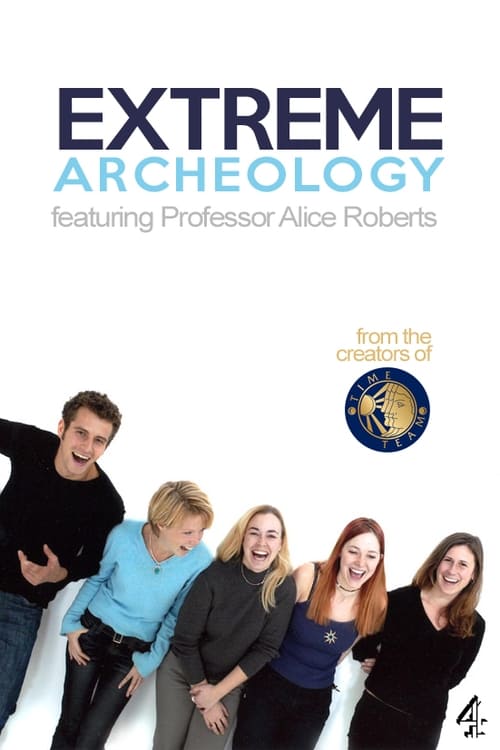
A new Channel 4 series takes archaeology to the edge this summer as a team of experts tackles sites across the country that are beyond the reach of normal investigations. In Extreme Archaeology, an eight-part series starting on 20 June, a team of archaeologists with help from top climbers, cavers and divers investigates amazing and unique archaeological sites throughout the UK. Many archaeological locations are beyond the reach of your average archaeologist. They are found in inaccessible caves, on treacherous cliffs, deep under water, or in locations simply too remote or dangerous for normal investigation. Their remoteness often means that their secrets are unique, but they can also be under threat from erosion or other factors and this adds a rescue element to any investigation. Using some of the most advanced scientific equipment available, and high-tech miniature cameras and communication systems to record the action, Extreme Archaeology's experts are dropped into extreme and inaccessible environments under time and other pressures that test their personal and professional skills to the limit.
2004