Season 1 · Episode 1
Examining the day in 202BC when Rome defeated the might of Carthage at the Battle of Zama. This decisive moment set Rome on the path to greatness.
Bettany Hughes relates the events of 73BC when a Thracian gladiator started a slave revolt that so panicked the Roman elite that they offered power to a single man.
Rome had defeated her great rival Carthage and overcame a slave revolt led by Spartacus, but these victories came at a price. Army generals who could deliver foreign conquests accumulated enormous amounts of power. Julius Caesar, seeking glory, would challenge the very existence of the republic. Join historian Bettany Hughes in an exploration of the momentous day in 49 B.C. when Caesar crossed the Rubicon River, violated Roman law, and heralded the transformation of the Roman Republic into an empire ruled by a single man.
Upon Julius Caesar's death, his 18-year-old great nephew stepped into the delicate balance of power and became Rome's first emperor and a ruthless political operator. The 44-year reign of Octavian, also known as Augustus, was vast and far-reaching, but it may never have happened if it weren't for one critical moment in 32 B.C. Host Bettany Hughes examines the day Octavian ordered the theft of the private will of his archrival Mark Antony and read its contents to Rome's Senate, a massive gamble that would have world-altering ramifications.
It's 60 A.D. Seventeen years after the invasion of Britannia, Roman forces march into the settlement of the Iceni tribe, flog its queen, and abused her daughters. The attack sparked a retaliatory revolt that came perilously close to ending the Roman occupation of Britain. Host Bettany Hughes retraces the events that led to Boudica's war of annihilation, an onslaught of fire and fury that burnt cities to the ground, left thousands of Romans and native Britons dead, and earned the queen a place in history.
It's 54 A.D. and Nero just succeeded his stepfather Claudius to become the fifth emperor of Rome. What followed was 14 years of cruel behavior that would unite the empire against Nero and, on June 9, 68 A.D., bring a violent end to his rule. Host Bettany Hughes travels the Roman world and examines ancient artifacts to reveal new insights into the most notorious reign in the empire's history. Witness key events in Nero's life that ultimately plunged Rome into a dangerous new phase of its history, an era of civil wars and military coups.
Out of the carnage of Emperor Nero's death and the civil war that followed, a new imperial dynasty was born, one that looked to win over the hearts of the people by building the largest arena the world had ever seen: Rome's Colosseum. Examine the day in 80 A.D. when the Flavian Amphitheatre opened with a 100-day exhibition of animal and human slaughter. Visit the site, explore ancient artifacts, and see how the Colosseum remains a testament to Rome's reach and ambition and its thirst for blood and glory.
After more than a century of steady Roman decline, one man restores order to the disintegrating empire, setting it on a new course with Christianity at its heart. Host Bettany Hughes examines the life of Constantine the Great--the last emperor to rule over a united empire--and the day he was baptized in May 337 A.D. Explore ancient Constantinople, the city he founded that would shape the dynamics of the known world, and examine recently discovered traces of Constantine's imperial palace.
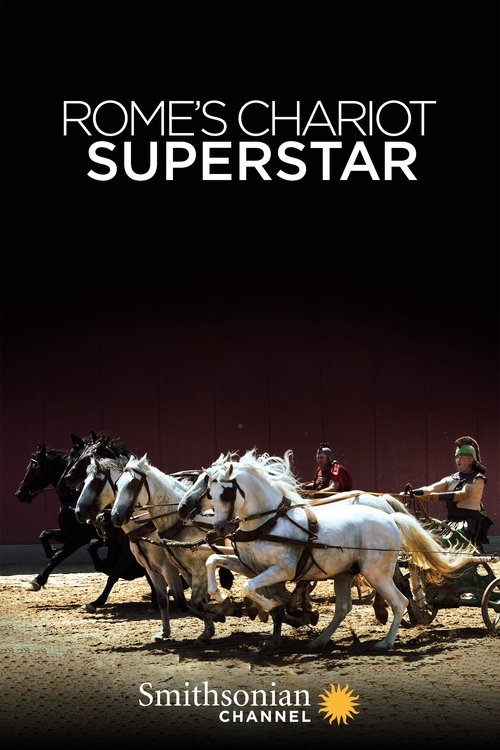
In 90 A.D., ancient Rome played host to a sporting spectacle that attracted crowds three times the size of the Colosseum?s gladiator games: chariot racing. Every week, 150,000 fans packed the massive Circus Maximus, not just to cheer on the speed, fury, and danger of the races, but to witness the champion charioteer, Flavius Scorpus. Examine his improbable rise from young slave to arguably the most successful competitor in the sport?s history.
2019
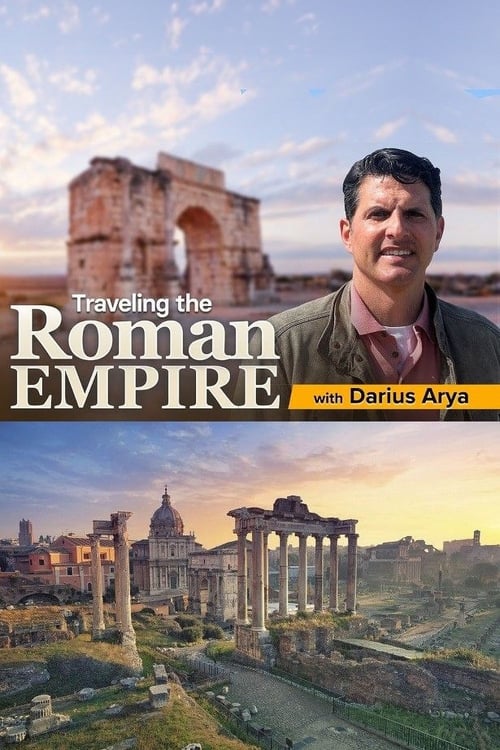
Traveling the Roman Empire is a matchless grand tour covering an astonishing range of landscapes, cultures, and history. Even if you have explored many of these places before, Darius will give you fresh insights and a new appreciation for the remarkable achievements of a single-minded city on the Tiber that had the vision, discipline, and institutions to conquer the known world and make it prosper.
2023
This new series follows International teams of archaeologists on the front line, as they embark on a season of excavations to unravel the secrets of life in the Roman Empire. Crawling beneath Pompeii, unearthing an enormous lost coliseum, and hauling a 2000 year old battleship ram from the depths of the ocean, they race to unlock the secrets of this ancient civilization.
2022
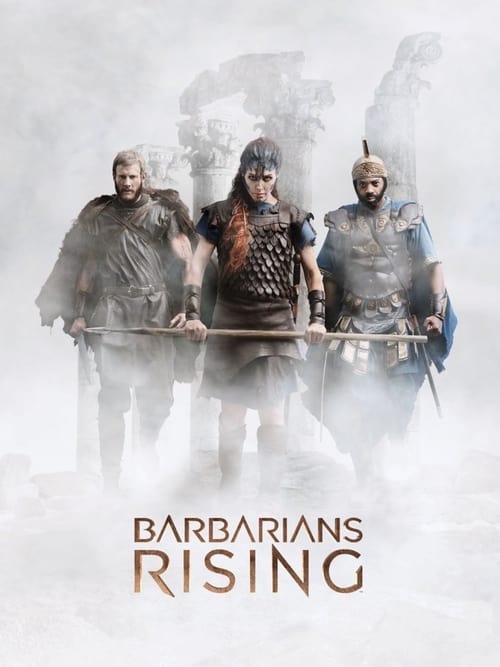
Told from the perspective of the rebel leaders, the series chronicles a wave of rebellions against absolute power by those the Roman Empire called “barbarians” – tribes they viewed as beyond the fringe of civilization that lived a brutish and violent existence. But these also were men and women who launched epic struggles that shaped the world to come with a centuries-long fight to defeat the sprawling empire.
2016
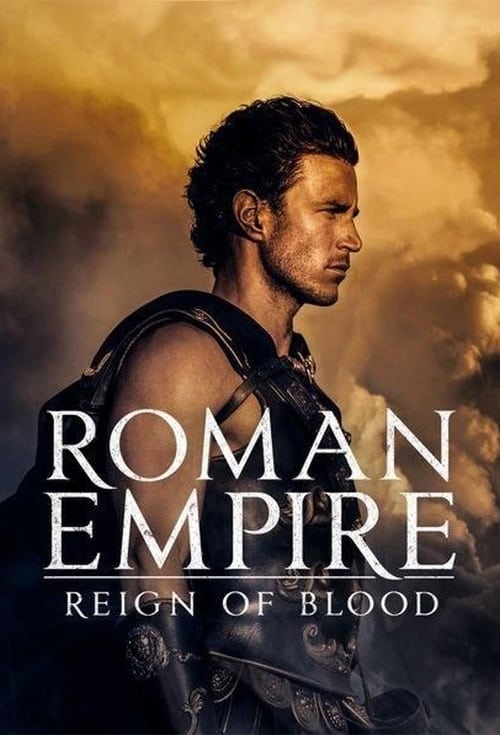
This stylish mix of documentary and historical epic chronicles the reign of Commodus, the emperor whose rule marked the beginning of Rome's fall.
Alice embarks on her most ambitious journey to date, in search of the Roman Empire, travelling 1300 miles through Italy, France and Spain to discover the origins and secrets of Rome’s success.
2026
Archaeologist and historian Richard Miles traces the development of Western civilization, from the first cities in Mesopotamia to the fall of the Roman Empire. In this six-part series, Miles travels through the Middle East, Egypt, Pakistan and the Mediterranean to discover how the challenges of society -- religion and politics, art and culture, war and diplomacy, technology and trade -- were dealt with and fought over in order to maintain a functioning civilization. Stories are told of disappeared, ruined and modern cities, from ancient Iraq to modern Damascus, to reveal how successes and failures of the ancients shaped the world today.
2010
In this eight-part documentary, Roman engineering expert Isaac Moreno Gallo takes you on a tour through the different techniques and architectural elements that gave shape and life to the Roman Empire.
2015
The history of Rome is a 1,000-year-long epic, filled with murder, ambition, betrayal and greed and encompassing such legendary characters as Rome’s Iron Age founders Romulus and Remus and its greatest general Julius Caesar. Larry is accompanied by some of Europe and America’s foremost classical experts who reveal the atmosphere of intrigue, conflict and violence at the places where the saga unfolded.
2014
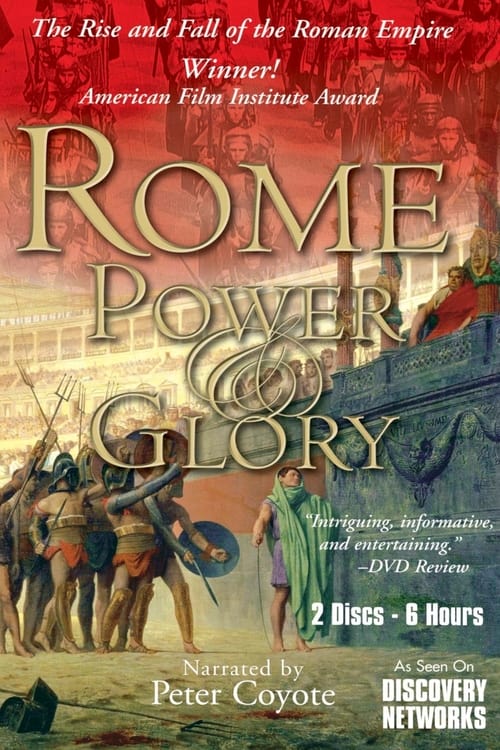
Travel back in time to one of the most glorious empires in history. For over 1,000 years, Rome was the center of the known world, bringing to her subjects a common language, shared culture and wealth beyond imagination. But war, barbarian attacks and moral decay eventually took their toll, and the empire slowly began to crumble. Experience ancient history come to life, from Rome's primitive beginnings to the height of its glory – and its eventual downfall. Filmed in 10 countries, this documentary combines location footage of ancient monuments, detailed reenactments, period art and writings, and fascinating insights from scholars and public figures. Witness the ancient world come to life – and see history in all its drama.
1998
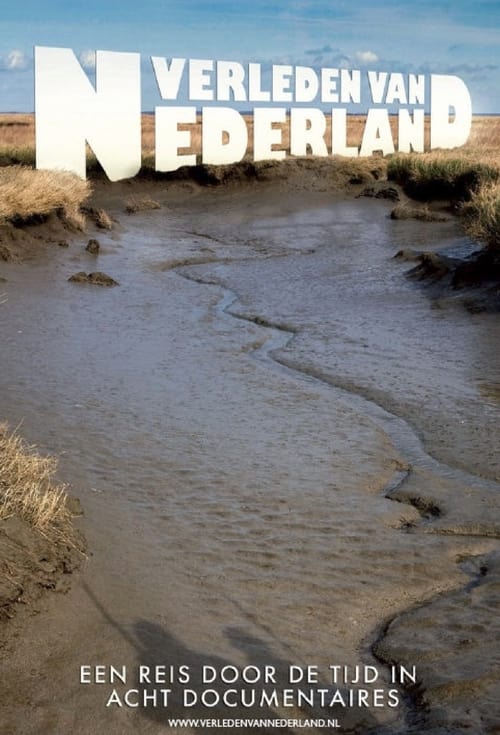
A series of eight episodes documenting 250.000 years of history. Charles Groenhuijsen takes us along sights and locations that historically harbored various inhabitants of ‘The Lowlands’. In what today is known as The Netherland, Belgium, Germany, New York, Ghana, Surinam, and Indonesia, Charles will be looking for the stories of ‘our’ past through potsherds, bones, stones, ancient text's, drawings, paintings, pictures, radio, and tv- fragments
2008
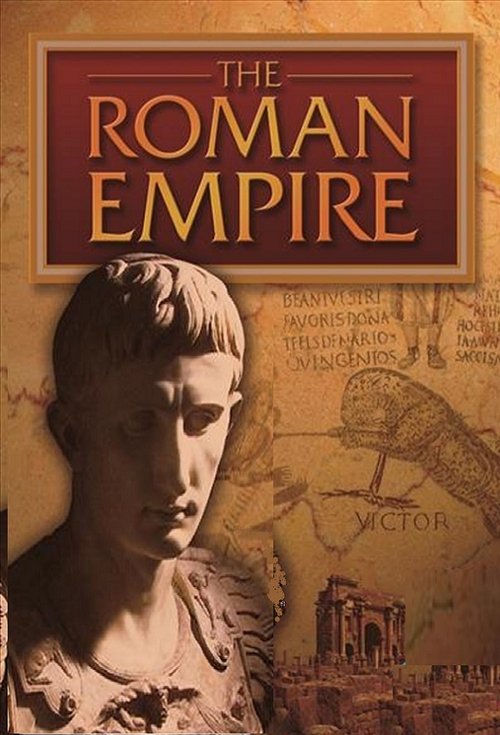
At its height, the Roman Empire encompassed Europe, the Middle East and North Africa. How did it keep prospering for over 400 years? And why did it come to a rapid end? What can we learn from the Roman Empire and what guiding principles does it offer us today?
2005
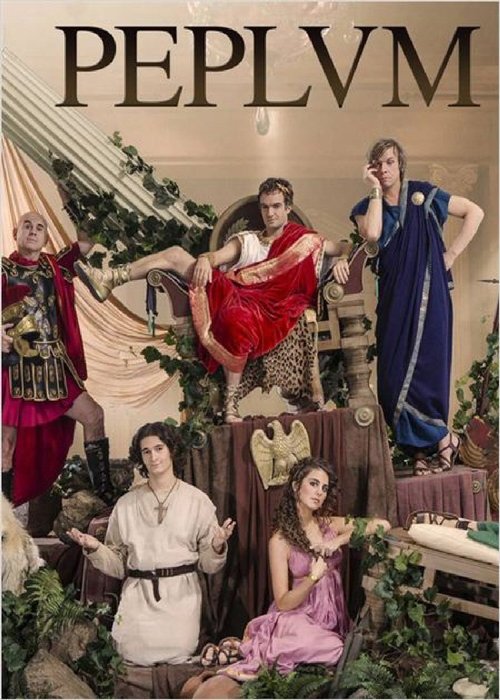
Against the background of decline of the Roman Empire, "Peplum" takes us into the lives of Bravus, a former slave who became adviser to the tyrannical Emperor Maximus. Under pressure, stuck between a professional life stressful and chaotic family life, his days are not looking easy. Indeed, work side Bravus must wet the gown to slow a decline that has a tendency to accelerate under the leadership of the incompetent messy, cruel, capricious and narcissistic Maximus. Personal side, he must face every night his son Caius freshly converted to Christianity, his wife Octavia, foreign to the codes of good Roman society and daughter Lydia sassy which assimilates too well. "Peplum" or how to avoid the burn out in a declining society. The parallel with today can not be a coincidence.
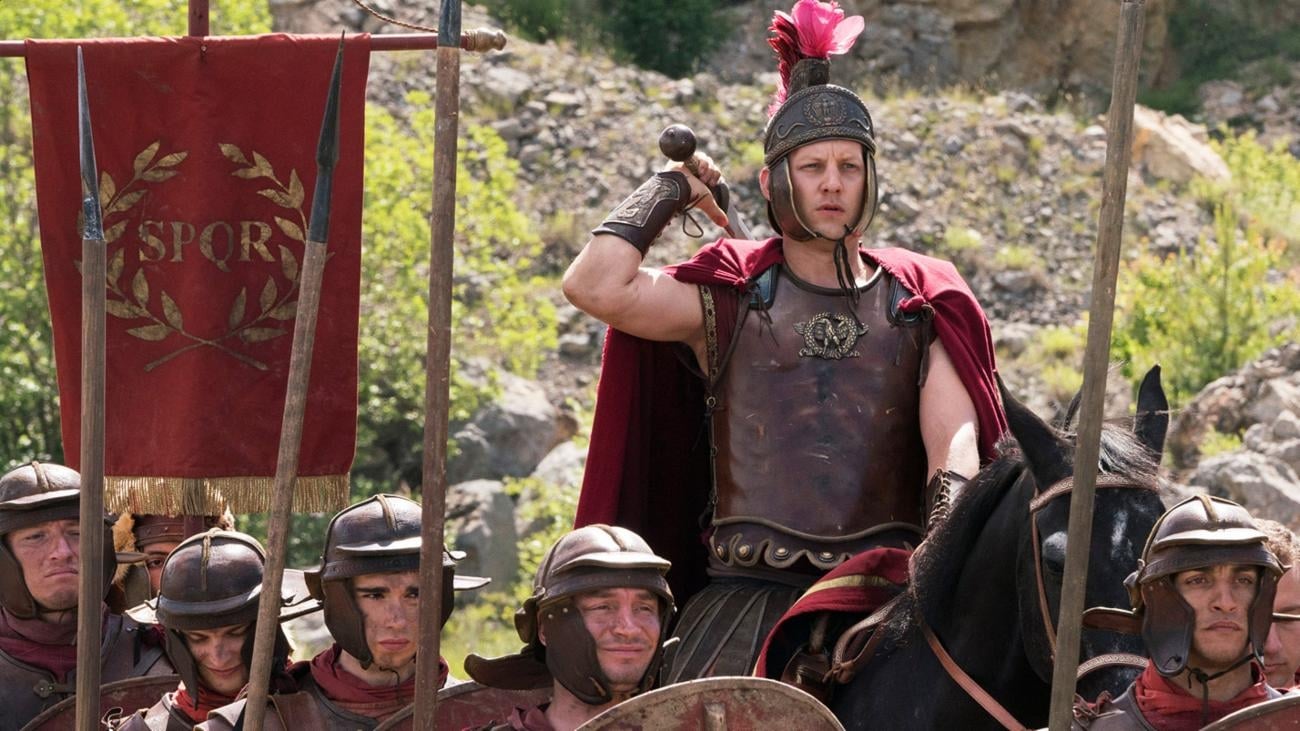
Three people's fates are interwoven in the Battle of the Teutoburg Forest in 9 A.D., during which Germanic warriors halt the spread of the Roman Empire.
2020
A down-to-earth account of the lives of both illustrious and ordinary Romans set in the last days of the Roman Republic.
Acclaimed blackly comic historical drama series. Set amidst a web of power, corruption and lies, it chronicles the reigns of the Roman emperors - Augustus, Tiberius, Caligula and finally Claudius.
1976