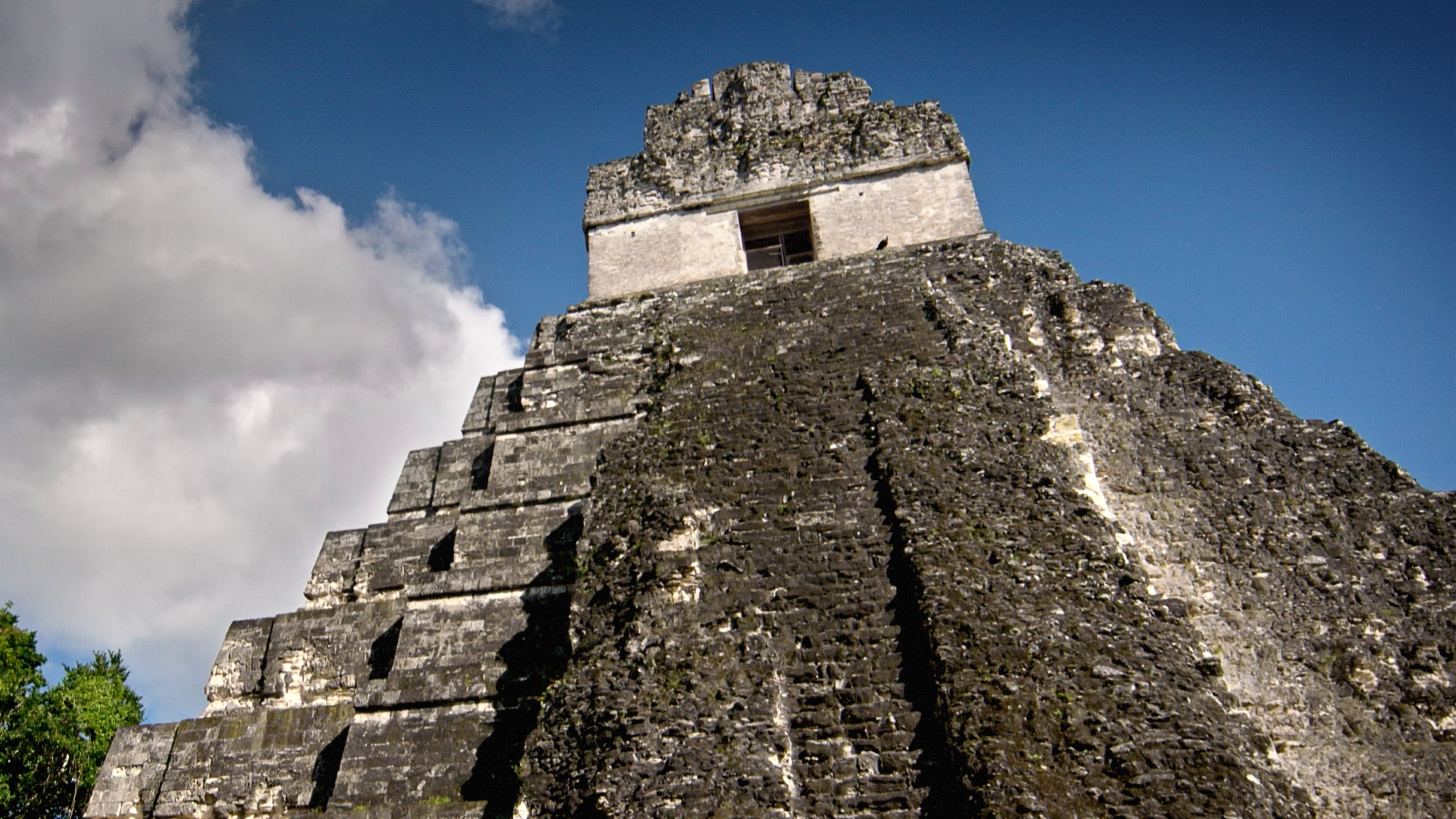
Season 1 · Episode 1
Enter the remains of Petra and Hegra, cities whose old inscriptions and new discoveries suggest were once ruled by women.
Were the Knights Templar faithful servants of Christ or hedonistic heretics? We travel to Jerusalem to find out.
Were ancient Greek oracles really soothsayers or were they predicting under the influence of tectonic phenomena?
See the Pyramids, the Valley of the Kings, and more as we visit Egypt's sacred sites and reveal their hidden secrets.
See if external forces doomed the people of Chaco Canyon or if they were the authors of their own misfortune.
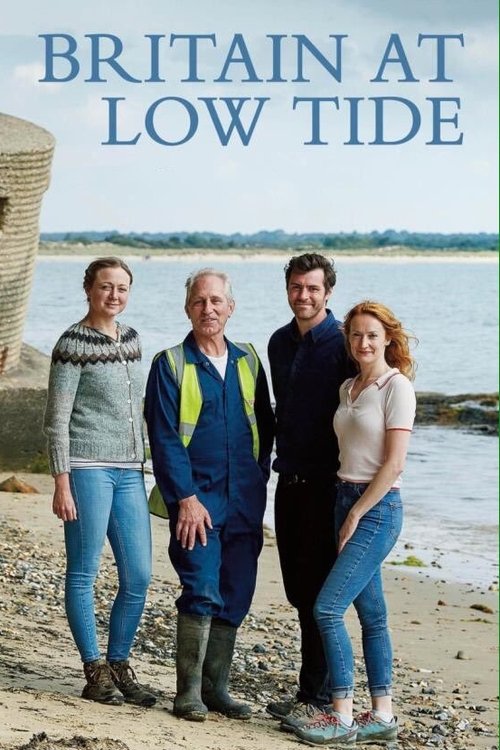
Britain at Low Tide explores remarkable stories that are revealed when the tide goes out
2016
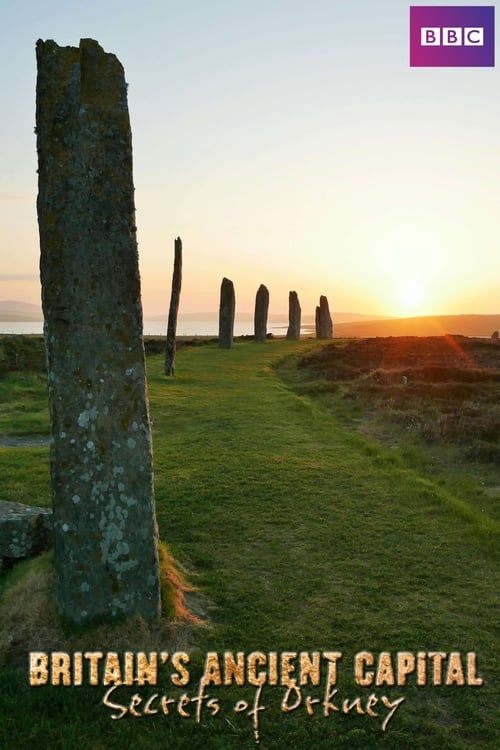
Neil Oliver, Chris Packham, Andy Torbet and Dr Shini Somara join hundreds of archaeologists from around the world who have gathered in Orkney to investigate at one of Europe's biggest digs.
2017
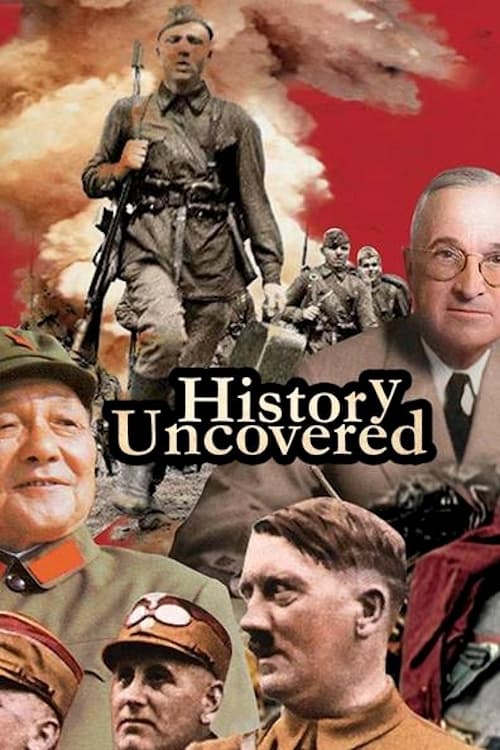
Myths die hard, and the history of the 20th century is no exception to this rule. Even today, we hold popular beliefs that we take for Evangelical truths. Thus, we believe that Hiroshima caused Japan to surrender, that the Marshall Plan saved Europe, that Adolf Hitler was a military genius, or that Mao Zedong was a necessary evil for China’s modernization. Of course, these judgements contain some truth; but, too broad-stroked to be accurate, they contradict the historical reality by denying its complexity. What if the truth was slightly different? Through an exploration of great national or international myths, this full archive documentary collection revisits the key moments of the 20th century with a new perspective in order to provide a new, smarter and more subtle interpretation, bringing elements to light that have been forgotten or sometimes overshadowed.
2019
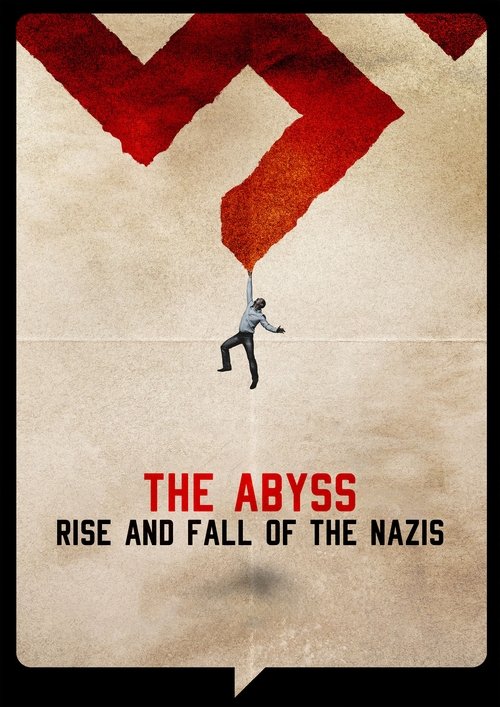
Explores the Third Reich from a contemporary perspective to investigate how the Nazis managed to conquer Germany and then half of Europe in the wake of World War I.
2021
Millions of tourists visit Angkor Wat in Cambodia every year to marvel at its remarkable architecture, yet most are probably unaware that when it was built nearly 1,000 years ago it was even more impressive. Using remote sensing technology, scientists now know what is hidden beneath the nearby paddy fields and jungle: a sophisticated metropolis with an elaborate network of houses, canals, boulevards and temples covering 30 square kilometres that housed three-quarters of a million people. To put that into perspective, London at that time was home to just 18,000. These previously hidden finds tell us a great deal about life during the golden age of the powerful Khmer dynasty.
2014
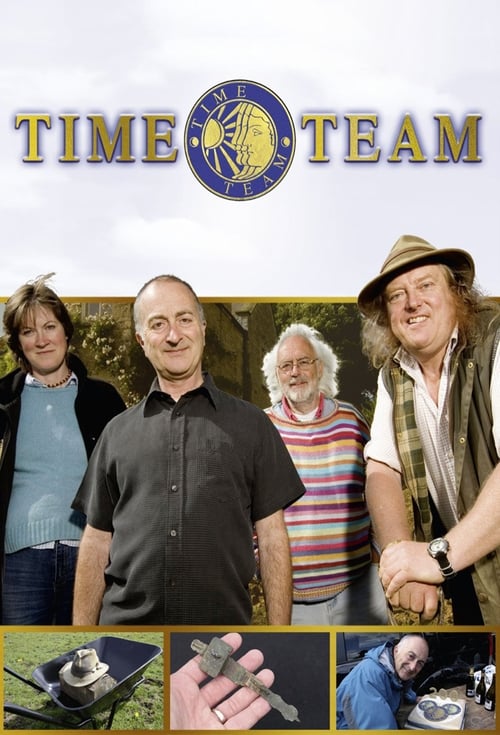
Time Team is a British television series which has been aired on British Channel 4 from 1994. Created by television producer Tim Taylor and presented by actor Tony Robinson, each episode featured a team of specialists carrying out an archaeological dig over a period of three days, with Robinson explaining the process in layman's terms. This team of specialists changed throughout the series' run, although has consistently included professional archaeologists such as Mick Aston, Carenza Lewis, Francis Pryor and Phil Harding. The sites excavated over the show's run have ranged in date from the Palaeolithic right through to the Second World War.
1994
No description available.
2024
In emblematic places around the world, Frédéric Lenoir, philosopher, sociologist and writer, goes to meet those who experience a spiritual quest, both religious and secular. A pilgrimage that mixes the voices of anonymous witnesses and personalities such as the Buddhist monk Matthieu Ricard, the apneist Guillaume Néry and the astrophysicist Hubert Reeves.
An unprecedented look at the decade-long odyssey to land a man on the moon. This documentary pulls back the curtain on the familiar narrative of the moonshot, revealing a fascinating stew of scientific innovation, political calculation, media spectacle, visionary impulses and personal drama.
2022
Through new discoveries in science and archaeology, explorers take a look at the origins of the Vikings and how they influenced history.
In 90 A.D., ancient Rome played host to a sporting spectacle that attracted crowds three times the size of the Colosseum?s gladiator games: chariot racing. Every week, 150,000 fans packed the massive Circus Maximus, not just to cheer on the speed, fury, and danger of the races, but to witness the champion charioteer, Flavius Scorpus. Examine his improbable rise from young slave to arguably the most successful competitor in the sport?s history.
A new Channel 4 series takes archaeology to the edge this summer as a team of experts tackles sites across the country that are beyond the reach of normal investigations. In Extreme Archaeology, an eight-part series starting on 20 June, a team of archaeologists with help from top climbers, cavers and divers investigates amazing and unique archaeological sites throughout the UK. Many archaeological locations are beyond the reach of your average archaeologist. They are found in inaccessible caves, on treacherous cliffs, deep under water, or in locations simply too remote or dangerous for normal investigation. Their remoteness often means that their secrets are unique, but they can also be under threat from erosion or other factors and this adds a rescue element to any investigation. Using some of the most advanced scientific equipment available, and high-tech miniature cameras and communication systems to record the action, Extreme Archaeology's experts are dropped into extreme and inaccessible environments under time and other pressures that test their personal and professional skills to the limit.
2004
This new series follows International teams of archaeologists on the front line, as they embark on a season of excavations to unravel the secrets of life in the Roman Empire. Crawling beneath Pompeii, unearthing an enormous lost coliseum, and hauling a 2000 year old battleship ram from the depths of the ocean, they race to unlock the secrets of this ancient civilization.
This docuseries aims to provide a complete picture of the most famous 160 minutes in maritime history, telling the astonishing story of the sinking of the Titanic in real time. From the crucial seconds just before the ship hits the iceberg, to the moment the hull sinks beneath the waves, this boxset series pieces together the events, minute by minute, to reveal exactly what happened to the 2240 passengers and crew on 14 and 15 April, 1912.
2025