Season 1 · Episode 1
How can you capture in the lens of a film camera the essence of a country so diverse, so variegated, and so paradoxical as India?

Southern India pretends to know nothing about the North. Its language is different, its very nature too. In Madras Louis Malle discovers a striking example of that world of opposites to be found in traditional India: thousands cramming the streets at a strange ceremony centuries old, and a family planning clinic; a film studio making folk-lore musicals, and the famous Kalachetra dance school where dancing is itself a language, a prayer, an invocation to God.
Louis Malle finds a devotion to a spiritual life that transcends the poverty of the material one and discovers that in a country as crowded as India, religion is the one way for the individual to be alone.
Drifting at random through the numberless villages of the South, Louis Malle finds himself in a timeless, fantastic, and to a western eye, almost surrealist world. Kerala is like a dream, with its exotic lagoons, game reserves and palm-fringed beaches - a species of tropical Paradise Lost. At the same time it's a battleground for the conflicting forces of Capitalism and Maoism, a land where even the Communists are split into three separate parties, and democracy and collectivism wrestle with the traditions of a country that by nature rejects them both.
Although officially abolished, the caste system has not ceased to exert a strong influence on Indian social life. It is not a problem of colour, race nor even of class. It is far subtler and harder to pin down, as Louis Malle discovers as soon as he starts to ask those awkward questions about caste that Indians are reluctant to answer. For the Hindu, division into castes is like a law of nature, a logical expression of his vision of the Universe. Castes are religious boundaries that run through heads and through hearts but not along the ground; they are those invisible frontiers of the mind that to India are so natural and to the West so incomprehensible.
Turning aside from the traditional India of the Hindus, Louis Malle pans his camera on to the India of forgotten tribes and tiny sects. He discovers two versions of Utopia: one, the Ashram at Pondicherry whose disciples claim through yoga to have discovered the secret of the ultimate meaning of life; the other, the natural gentle life of the Todas, a people who live in total sexual freedom, without laws, leaders or class system, at peace with themselves and with their neighbours, and whose only problem is that they are doomed by the advance of civilisation.
Bombay. It's the last lap of Louis Malle 's journey through India and already it smacks of the West. Bombay is a city on the move, in the middle of an economic boom. Parsee industrialists, Muslim craftsmen, and immigrant labourers from the South all meet here in this cosmopolitan city, whose slums are as poverty-stricken as those of Calcutta, but whose modern factories, oil refineries, and traffic problems all show the shadow of the West. It's where Hinduism meets Industrialisation, where East goes West, where the India of yesterday and today meets the India of tomorrow. But what kind of tomorrow?
Six young fashion lovers swap shopping for the factories and backstreet workshops of India to learn how the clothes they wear are manufactured.
2008
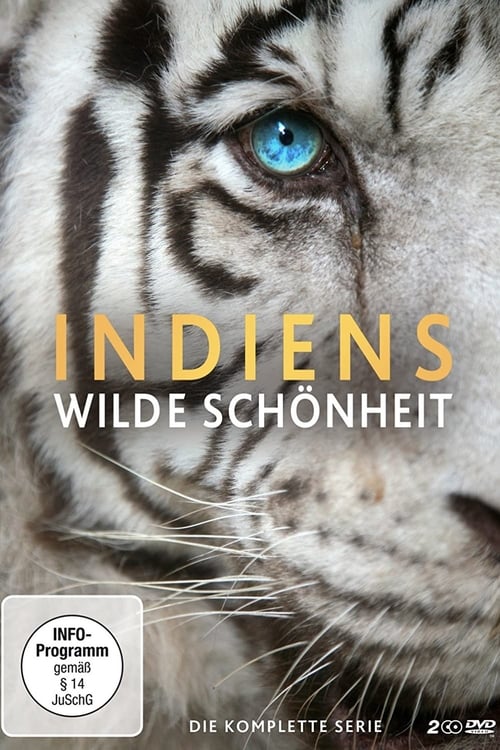
India - unique in its diversity and breathtakingly beautiful. The subcontinent is characterized by scenic, cultural and ethnic diversity. Despite growing space needs, there are efforts to preserve the wilderness through nature reserves and protected areas. So India still provides habitat for rare species such as the Bengal tiger or the Indian elephant. The 5-part series "India's wild beauty" leads to the most spectacular and beautiful regions and their inhabitants.
2012
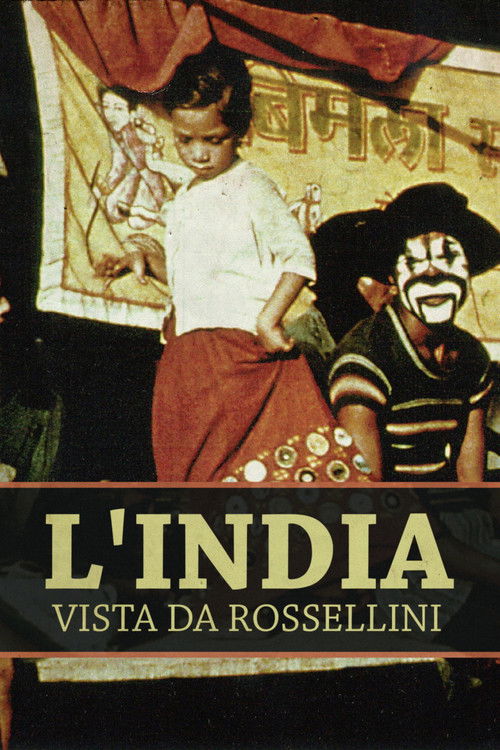
In this long journey through India, with a total running time of 251 minutes, viewers have the opportunity to discover, among other things, the city of Bombay at that time, the fishermen of Versova, the eating habits of Indians, regions such as Malabar and Bengal, India’s diverse wildlife, and the work of then–Prime Minister Nehru, one of the most ardent supporters of Rossellini’s project.
1959
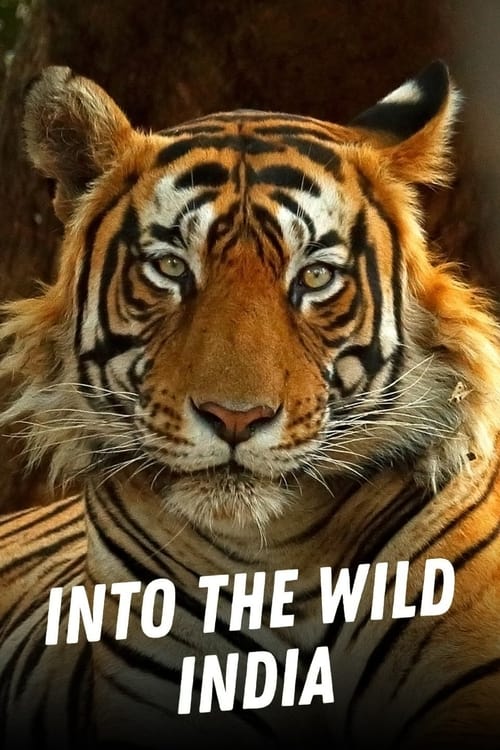
A journey through the magical wilderness of India, witnessing the day-to-day lives and challenges of some its most iconic species and the many other creatures with which they share their home.
2020
Relaxing mind, body and soul with nude yoga instructor Daniella.
2019
Intrepid adventurer Michael Palin takes a journey through the Himalayas.
2004
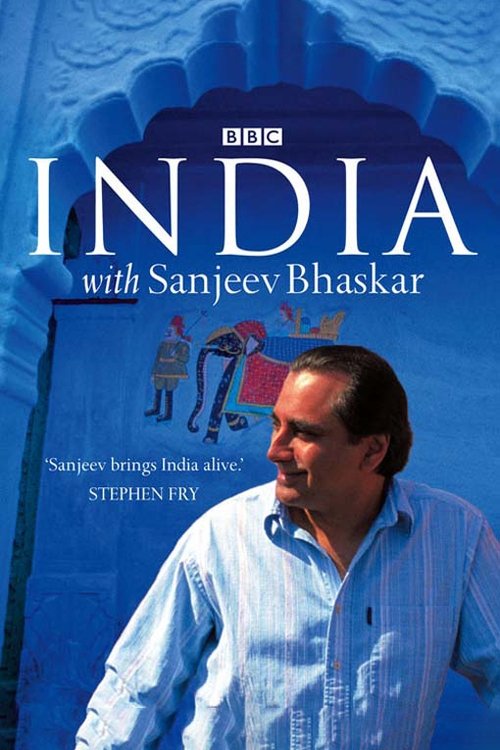
India with Sanjeev Bhaskar is a four-part documentary from the BBC in which Sanjeev Bhaskar travels to India with director Deep Sehgal. The documentary was created as part of the BBC's series of programmes on the 60th anniversary of the independence of India and Pakistan. The series was broadcast between 30 July and 20 August 2007.
2007
Two friends, Seb and Sofyan, travel to four different countries and do the most unusual things.
2025
The definitive story of the deadly 2004 tsunami as it travels from country to country, with unseen archive video and untold stories of survival.
2024
Three years in the making, this comprehensive study of the Soviet dictator blends documentary footage and interviews with experts and surviving witnesses.
1990
James May embarks on a remarkable journey across Japan, from its icy north to its balmy south. He’ll see the sights, meet the locals, and eat the noodles in a bid to truly understand the Land of the Rising Sun.
Communism spread to all of the continents of the word, lasting through four generations and over seven decades. Hundreds of millions of men and women were affected by this political system, one of the most unjust and bloodiest in history. Using newly discovered propaganda films and archival photos, these four episodes explore the mysteries of this totalitarian political machine that lured its share of important followers into the fold. Known as the red church, communism seduced its ardent followers like some earthly religion.
1999
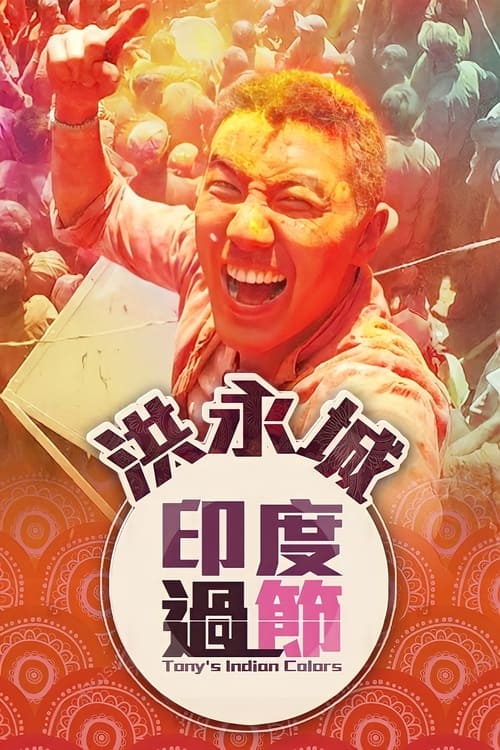
Chase and beat you on behalf of peace? Smudge your cheeks for love? India, a country that is unequal in the eyes of others, has a wild and joyful "Festival of Colors". Tony will take you to Jaisalmer, the ancient desert city in the westernmost part of India, to participate in local religious ceremonies, to understand the origin of the Festival of Colors, and to visit local families to learn how to cook authentic special snacks and snacks. drinks. Ready to go, the festival of colors is about to start, but Tony and the entire film crew have killed each other beforehand and threw paintballs at each other. Will this reduce the risk of them being "attacked"?
2016
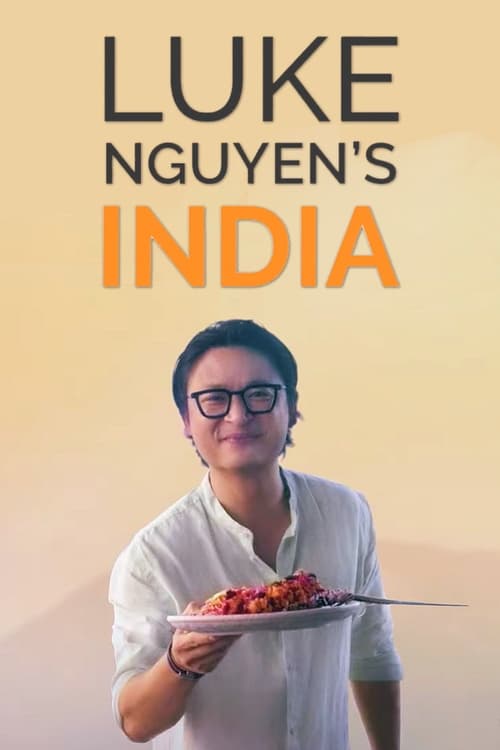
Luke Nguyen circumnavigates southern India, discovering the sounds, colours and cuisines of the region, meeting local cooks and chefs, who introduce him to the world of Indian cuisine.
2023
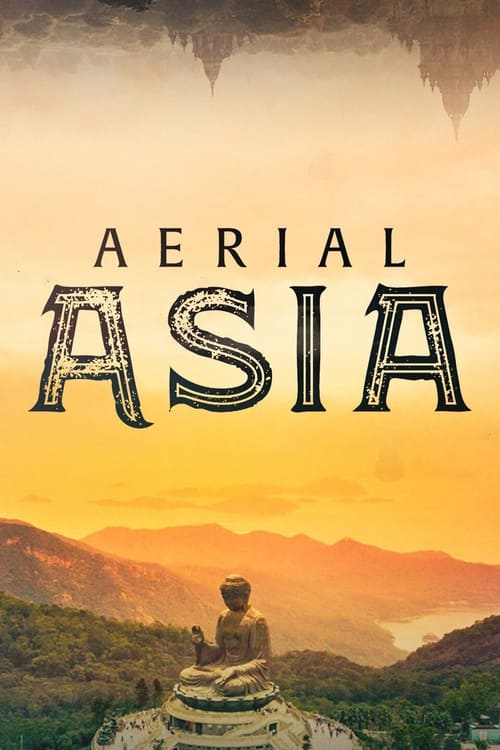
A rare glimpse of Asia’s most treasured landmarks, all seen from breath-taking heights. From busy cityscapes to natural wonders, this four-part series shot in stunning 4K captures the history and culture of this extraordinary continent and reveals a spectacular view of Asia that has never been seen before.
2017
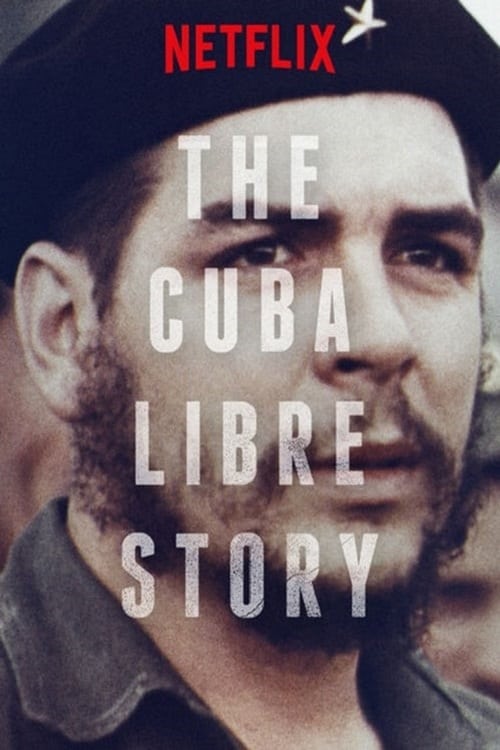
Recounts the tumultuous history of Cuba, a nation of foreign conquest, freedom fighters and Cold War political machinations.
2015