Season 9 · Episode 1
A look back at the biggest media story of 2013 - Edward Snowden and the NSA surveillance programme.
Listening Post examines how covering the Muslim Brotherhood has become a minefield for the media.
When fighting broke out a month ago in the world's youngest country, South Sudan, the story was framed as just another tribal power struggle coming out of Africa. A more precise analysis is that the conflict is really political in nature - a fallout between the president and the vice president, with some ethnic elements fighting it out on the ground. Those who are critical of the media say that, when it comes to Africa, all too often international news outlets resort to the same formula - reducing just about any conflict to the tribal level, which seems to explain everything without actually telling us anything. Is there a hierarchy of knowledge in reporting about Africa, with more authority given to international journalists?
We examine how news outlets have become part of the story in the recent scandal involving Erdogan's government.
Ahead of Sochi's Olympics, we ask how the Kremlin will handle the news coverage that comes with hosting the games.
As journalists face arrest, we ask why the media is seen as being either with the army or with the Muslim Brotherhood.
Amid accusations of censorship, is government pressure creating a climate of intimidation for media in the country?
The government and the opposition are fighting it out to make sure it is their version of events that gets reported.
We examine how the unfolding crisis has led to key media moments in a country with questionable press freedoms.
In a special edition, we unpack the Turkish prime minister's relationship with the media landscape in which he operates.
In a special episode, we explore how technology influences the way news is gathered and shapes the way it is presented.
As Russia redraws the map in Ukraine, the media narrative is once again split between the powers of the East and West.
We look at how Ankara's crackdown on social media is creating a firestorm ahead of a critical presidential election.
Ahead of the country's May election, we examine the failed promise of the Arab Spring and the impact on journalism.
As the world's largest democracy goes to the polls, we examine claims that news outlets are favouring Narendra Modi.
For many, even those in the media, President Abdelaziz Bouteflika’s re-election is a foregone conclusion.
As Hamid Mir recovers after being shot by unknown gunmen, we examine the wider backdrop of media killings in Pakistan.
Why has the media struggled to tell the story of Nigeria's mass abductions?
Print media and the country's state-owned broadcaster have been accused of slanted coverage of the recent elections.
We analyse coverage of the Ukraine conflict, which has often been marred by a lack of nuance, context and subtlety.
A controversial new set of rules to govern the use of broadband and the Internet has the cyber world blowing a fuse.
The Kingdom and its media are placed under military control; plus heads roll at Spain's three top dailies.
Whatever side of the political divide Egyptians find themselves, the media is the one who seems to have suffered.
One year after Edward Snowden exposed the spying at the NSA, can the internet be re-set?
ISIL is gaining on the ground but who, if anyone, controls the story?
Al Jazeera staff sentenced to jail in Egypt #FreeAJStaff.
Listening Post covers the propaganda war and competing media narratives in Iraq.
What is the role of social media in the Israeli-Palestinian battle for hearts, minds and political support?
Listening Post examines racial conflict and social divisions in the US and how those issues are reported.
We examine the ethical challenges of reporting the murder of the American journalist by IS.
Amid Pakistan's latest political power struggle, the country's news channels are fighting a proxy war of their own.
A look at Rupert Murdoch's role in the Scottish independence vote and the media's scramble to catch up with the story.
An interview with Nick Davies, the reporter who exposed the British phone hacking scandal.
A Listening Post special on the 'Snowden effect' and challenges to the media in the age of state supervision.
A Listening special on the evolving role of satire and the satirists who are holding power to account.
A Listening Post special on the global media battle taking place parallel to the Israel-Palestine conflict.
A special episode to mark the International Day to End Impunity for Crimes against Journalists.
We examine the latest chapter in the propaganda war that pits Russia against Ukraine and its western allies.
Sorting out the science from the scare tactics - we examine the Ebola stories coming out of Africa.
The media war in Syria is putting truth under pressure. And, Tunisian media's obsession with terrorism.
The Listening Post examines the news coverage of race in the US; plus, fonts and the news media.
How the EU takes on Google's monopoly as gatekeeper of information; plus, a look at media under pressure in Hungary.
Examining the media coverage of the CIA torture report release; plus, the ethics of graphic imagery in the news media.
A lesson from Australia in how not to cover breaking news; plus, an interview with 'Rogue Reporter' Rich Peppiatt.
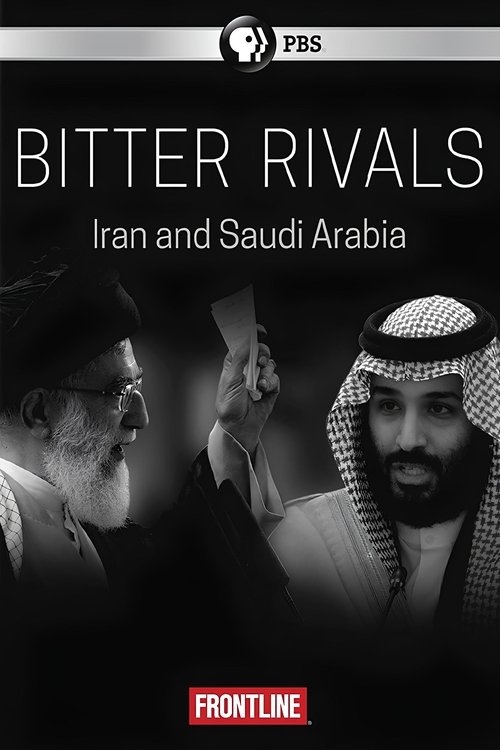
Bitter Rivals illuminates the essential history - and profound ripple effect - of Iran and Saudi Arabia's power struggle. It draws on scores of interviews with political, religious and military leaders, militia commanders, diplomats, and policy experts, painting American television's most comprehensive picture of a feud that has reshaped the Middle East.
2018
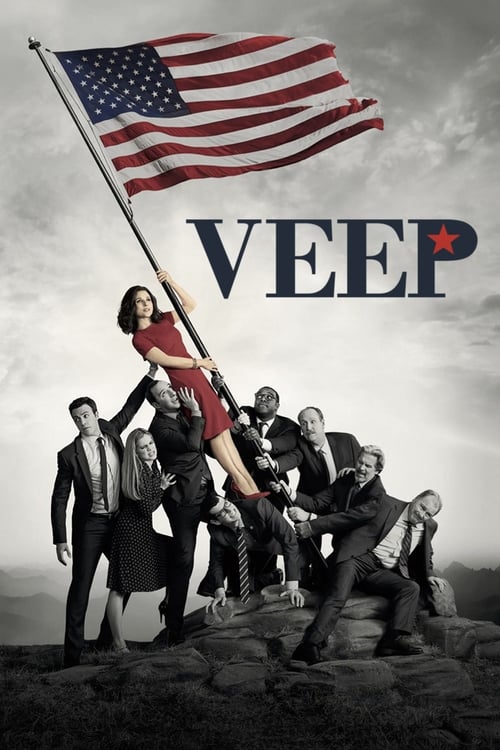
A look into American politics, revolving around former Senator Selina Meyer who finds being Vice President of the United States is nothing like she expected and everything everyone ever warned her about.
2012
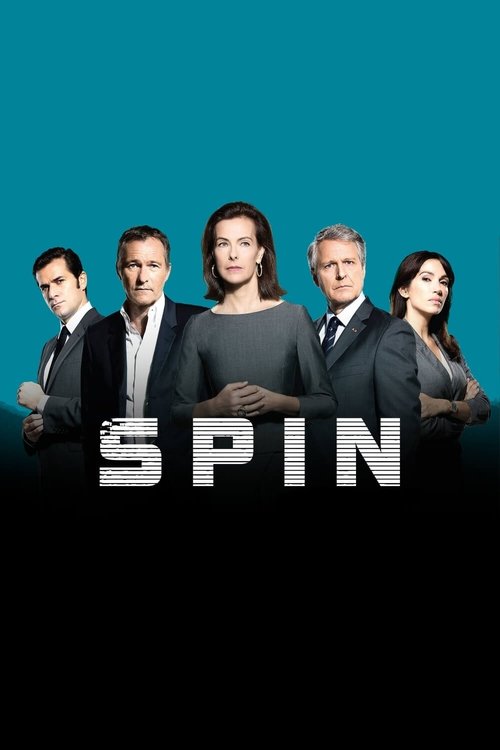
The President of the French Republic, visiting Saint-Etienne in the Loire, in a striking plant dies, victim of a bomb attack. The political world is agitated: early presidential elections to be held within the next thirty-five days. There is no doubt that Philip Deleuvre, the prime minister, will run for the Elysee. But what few people know is that the leader of the government knows more things he claimed. This state causes lie back to business Kapita Simon, a former communications adviser (spin doctor) of the late president. Anxious to preserve the honor of his deceased friend and some form of political ethics, the man of the shadows has now set a goal: to find a candidate who will be able to beat Deleuvre.
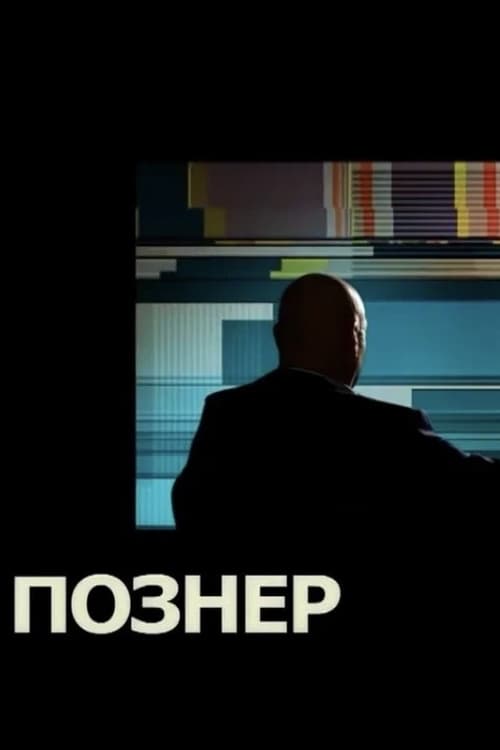
Vladimir Pozner interviews politicians and people of culture, science and sport.
2008
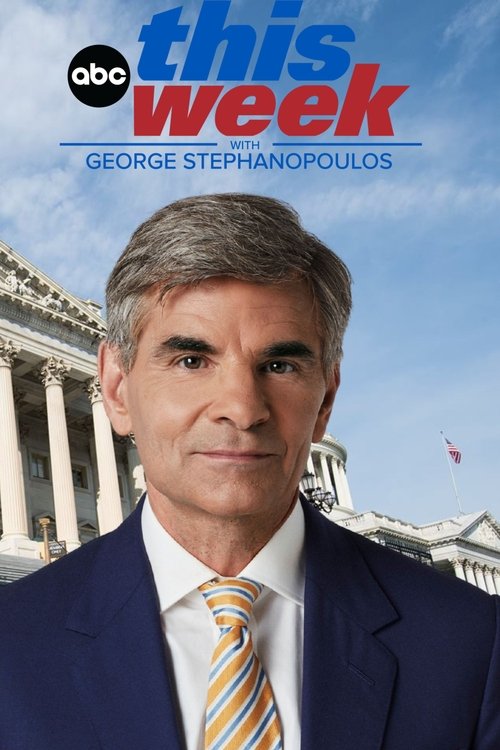
ABC's Sunday morning political affairs program, currently hosted by George Stephanopoulos.
1981
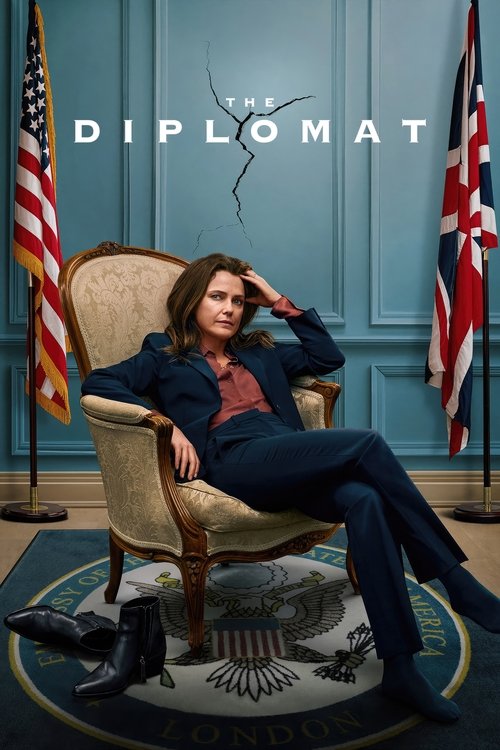
Amid an international crisis, a US diplomat contends with her high-profile job as ambassador to the UK and her strained marriage to a political star.
2023
Roddelpraat, the place where Jan Roos and Dennis Schouten tell you the latest gossip every Wednesday with a good sense of humor.
2020
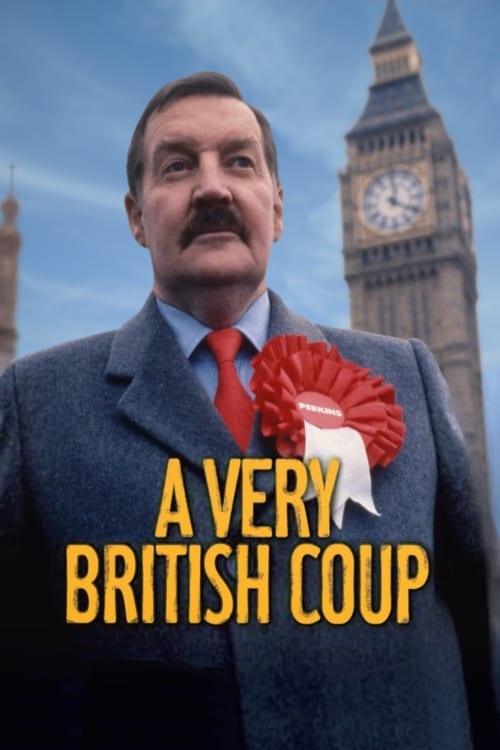
A Very British Coup is a British political thriller series based on the novel by Chris Mullin. It stars Ray McAnally as the newly elected left-wing prime minister Harry Perkins, who soon finds himself up to his neck in conspiracy.
1988
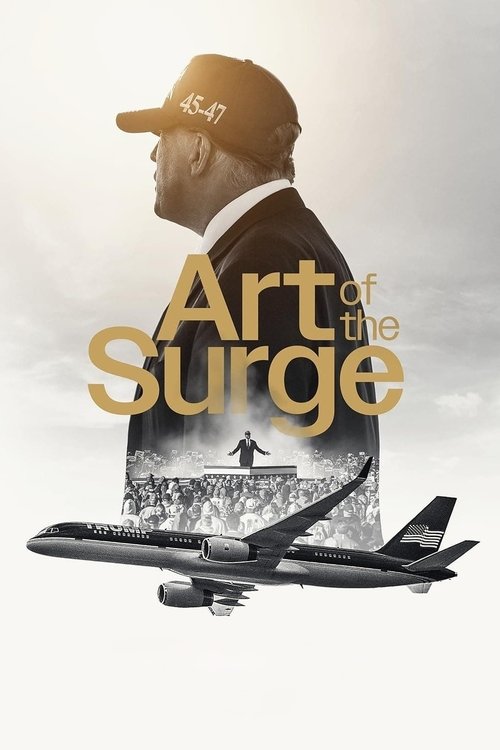
This summer, prepare to see Donald Trump as you’ve never seen him before. Enter the world of Trump’s 2024 campaign and witness firsthand moments the American media will never show you.
2024
The World's Fakest News Team tackle the biggest stories in news, politics and pop culture.
1996
Hungarian documentary series, which presents the history of the country after World War II until the time of the regime.
Experts explore ethical dilemmas, promoting constructive dialogue about polarizing issues.
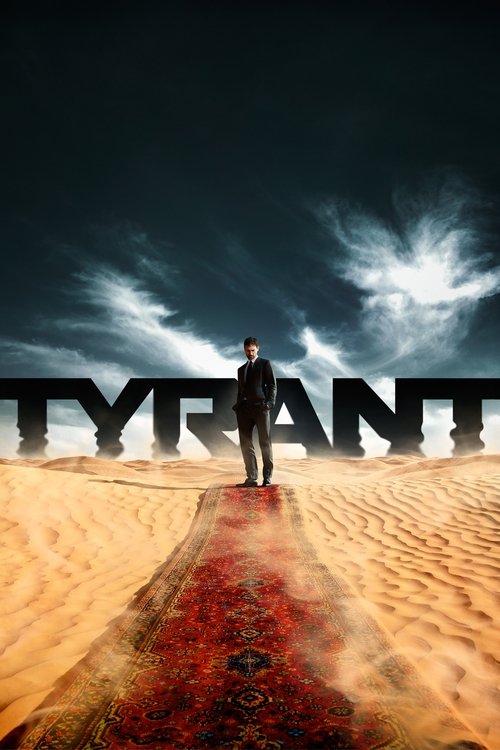
The story of an unassuming American family drawn into the workings of a turbulent Middle Eastern nation. Bassam "Barry" Al Fayeed, the younger son of the dictator of a war-torn nation, ends a self-imposed 20-year exile to return to his homeland, accompanied by his American wife and children, for his nephew's wedding. Barry’s reluctant homecoming leads to a dramatic clash of cultures as he is thrown back into the familial and national politics of his youth.
2014
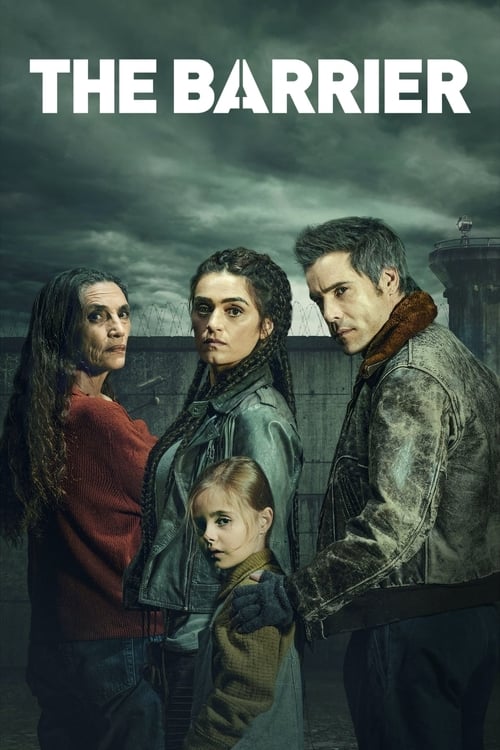
One family’s fight for survival in a future dystopian Madrid illustrates the disparity between two worlds separated by a fence — and so much more.
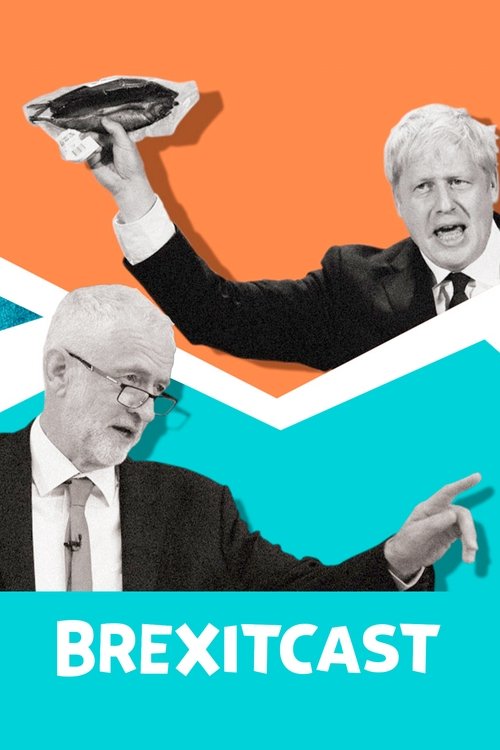
This hit podcast turned TV show features four of the BBC's wittiest political commentators, bringing you the most digestible explanations of Brexit along with Westminster gossip, trivia, running gags, and daft small-talk.
2019
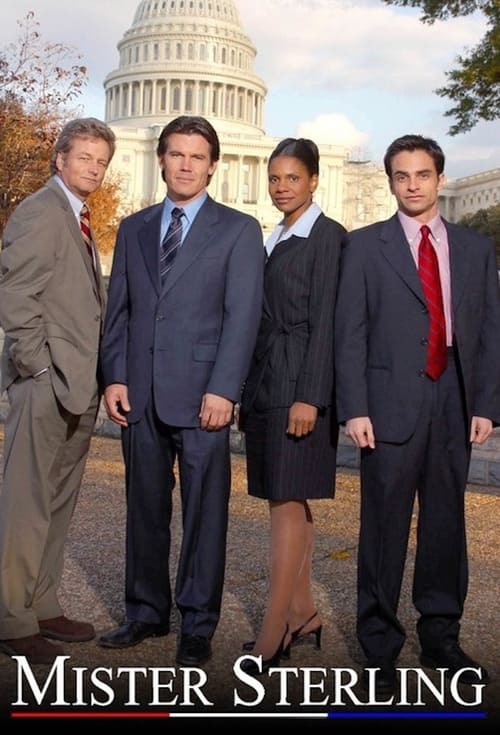
Mister Sterling is an American television serial drama created by Lawrence O'Donnell that ran from January to March in 2003. It starred Josh Brolin as an idealistic United States Senator, and featured Audra McDonald, William Russ, David Noroña, and James Whitmore as members of his staff. Despite mostly positive reviews, the show, which aired on NBC on Friday nights, was cancelled after 10 episodes after the show only ranked 58th in the yearly ratings Although it had numerous similarities to The West Wing in style and tone, it was not set in the same universe as O'Donnell's other political show. It is unknown if a cross-over would have ever occurred had Mister Sterling not been cancelled; however Steven Culp played presidential aspirant Sen. Ron Garland on Mister Sterling and House Speaker Jeff Haffley on The West Wing, and Democrats appeared to be in the majority in the US Senate on Mr Sterling, while in The West Wing consistent Republican control of both Houses of Congress was a key plot point. James Whitmore was nominated for a 2003 Emmy Award for Outstanding Guest Actor in a Drama Series for playing former Governor Bill Sterling, the senator's father.
2003