Season 1 · Episode 1
Ice Age cave paintings could provide clues to our past. Their meaning is discovered by using research into hallucination, Namibian bushmen's dance and South African rock art.
Did our ancestors the australopithecines or 'upright apes', flourish because of the abandonment of vegetarianism?
The discovery of a skeleton, nicknamed Nariokotome Boy, confirmed that 'ape-man' lived about one and a half million years ago, and the 'missing link' moved from theory to fact.
For years, primitive hominids roamed Africa and Asia. Archaeological discoveries have shown how Europe was colonised and uncovered the moment when human feelings of friendship, trust and love began.
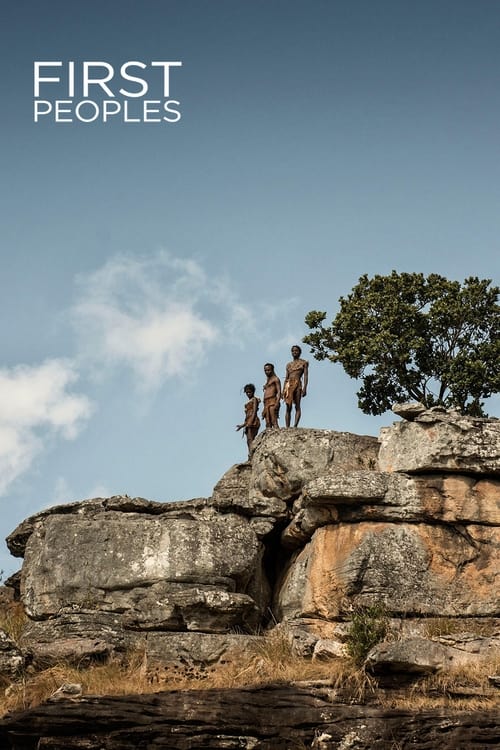
A look at the daily lives of the first Homo sapiens found at cave sites on the southern coast of Africa. Over generations these beach dwellers migrated to Australia, the Far East and finally Europe.
For 200,000 years the Neanderthals lived unchallenged in Europe. But 30,000 years ago climate change and the arrival of modern humans from the east forced them to adapt or die.
No description available.
2024
Sir David shines the spotlight on some of nature’s evolutionary anomalies and reveals how these curious animals continue to baffle and fascinate.
2013
Sir David discovers a microscopic world that’s invisible to the naked eye, where insects feed and breed, where flowers fluoresce and where plants communicate with each other and with animals using scent and sound.
2012
Carl Sagan covers a wide range of scientific subjects, including the origin of life and a perspective of our place in the universe.
1980
David Attenborough embarks on a remarkable 500 million-year journey revealing the extraordinary group of animals that dominate our world, and how their evolution defines our human bodies.
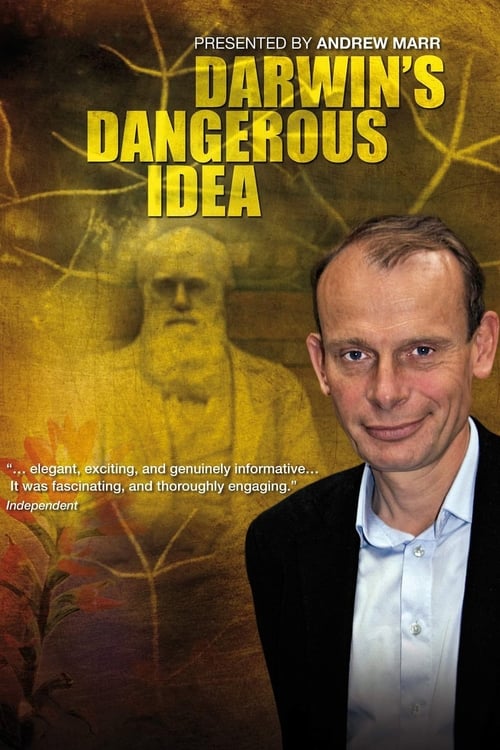
Andrew Marr explores how Darwin's theory of evolution by natural selection has taken on a life of its own far beyond the world of science.
2009
A five-part series that features the latest research exploring how early humans evolved. See how the mixing of prehistoric human genes led the way for our species to survive and thrive around the globe. Archaeology, genetics and anthropology cast new light on 200,000 years of history, detailing how early humans became dominant.
2015
Since the Big Bang 13.8 billion years ago, light has sculpted the cosmos. It traverses the void, interacts with matter, and dances with shadows. It multiplies and proliferates, offering the world ever more complex and luminous structures. If it could speak, what would it tell us?
2025
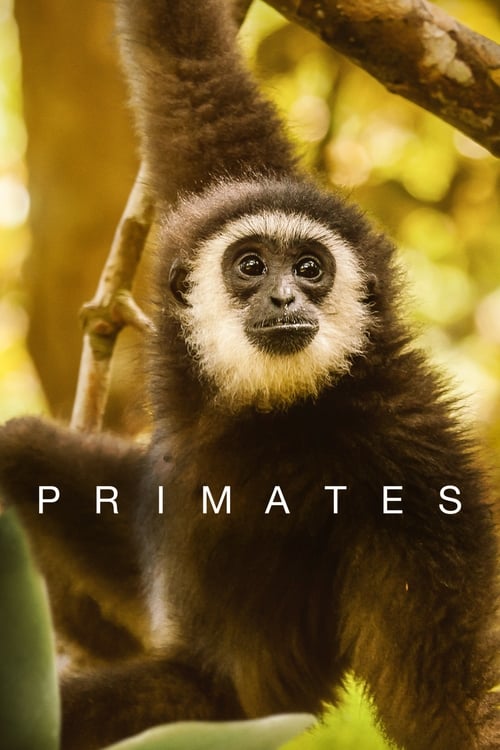
A celebration of the animals you thought you knew. Primates is the definitive portrait of a hugely charismatic family of animals, to which we all belong.
2020
Life is a fragile thing. It changes and adapts so specifically to survive in the environment it's placed in. This ability to adapt is called evolution, and it's the reason that life has endured for the past few billion years. But evolution takes a long time, so when environments change too quickly for the inhabitants to keep up, the result is a drop in population or at the worst… extinction. And sometimes these changes can be so big that they affect the entire globe. Leading to some of the most catastrophic events in our planet’s history… mass extinctions. Content creator Angel of Death explores the five mass extinctions and the effects they had on life on earth in this five part miniseries.
2023
This extraordinary series is a sweeping account of the rise of Earth’s continents. They are the product of a grand waltz of plate tectonics and the continual evolution of Earth’s crust. As landmasses assemble and separate, they fuel volcanoes and spark earthquakes, building mountains and tearing valleys. We see the Earth, eons in the making, through the eyes of geologists and other scientists.
Hosted by Jason Silva, Origins: The Journey of Humankind rewinds all the way back to the beginning and traces the innovations that made us modern.
2017
From the first dinosaurs to the last, this epic documentary series examines their 165 million years on Earth and the forces that shaped their evolution.
2026
This remarkable science-history series investigates the blistering pace of human endeavour in space exploration, computing, energy, resources, Earth science and our understanding of the evolution of life itself.
Unprecedented access to the renowned hospital's modern wards and private archive.
A mind-bending, thrilling journey exploring the fragility and wonder of planet Earth, one of the most peculiar, unique places in the entire universe, brought to life by the only people to have left it behind – the world’s most well known and leading astronauts.
2018