Season 1 · Episode 1
Viral outbreaks can become deadly pandemics in a matter of days. To prevent catastrophe, courageous scientists are fighting back with new treatments and vaccines.

Scientific advancements are challenging the concept of what it means to be human. In the near future, enhancing the human body with technology could lead to the next stage of our evolution.
Using powerful new technologies, scientists are seeking solutions to a variety of mental illnesses by exploring unmapped facets of the human brain.
New discoveries may help us slow or even turn back our biological clocks.
Reliance on fossil fuels is leading us into a global energy crisis. If we act now, developments in energy production could avert disaster and usher in a new era of clean, safe energy.
Earth is facing the devastating loss of a vital resource: clean water. Now, innovators across the globe are seeking solutions in emergent technologies to prevent a planet-wide water crisis.
Jean-Michel Vanasse and Marilou Ethier set out to explore the world of new technologies that are transforming our relationship to sex.
2021
Take a mind-blowing journey through human history, told through six iconic objects that modern people take for granted, and see how science, invention and technology built on one another to change everything.
2019
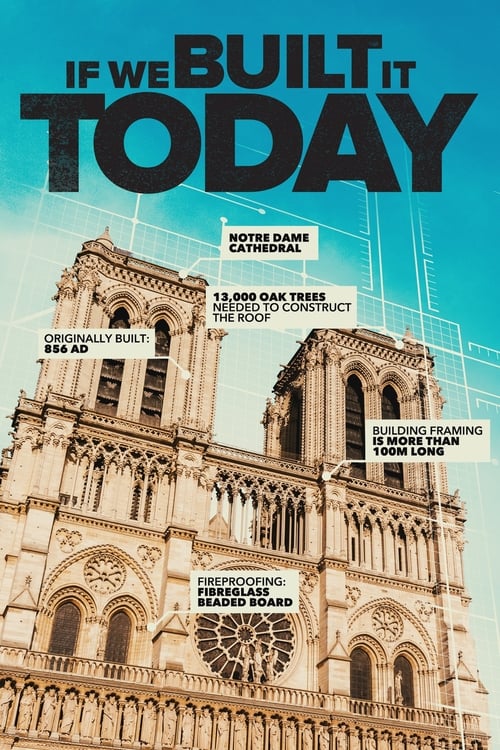
They are some of the world’s all-time greatest building projects. Most have stood the test of time, but with today’s technology, could they be duplicated and done better?
No description available.
2009
Architect George teams up with garden designer Luke Millard to offer people two design solutions - one for the kitchen and one for the outside - before the homeowners' decide how much of their budget to allocate to each improvement.
2025
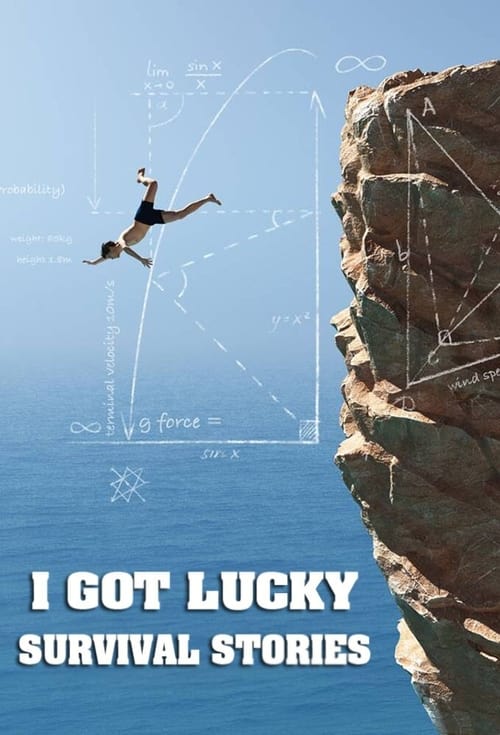
Explore some of the most death-defying accidents caught on film. Survivors and eyewitnesses explain what went wrong and a panel of experts dissect the scientific principle behind these
2016
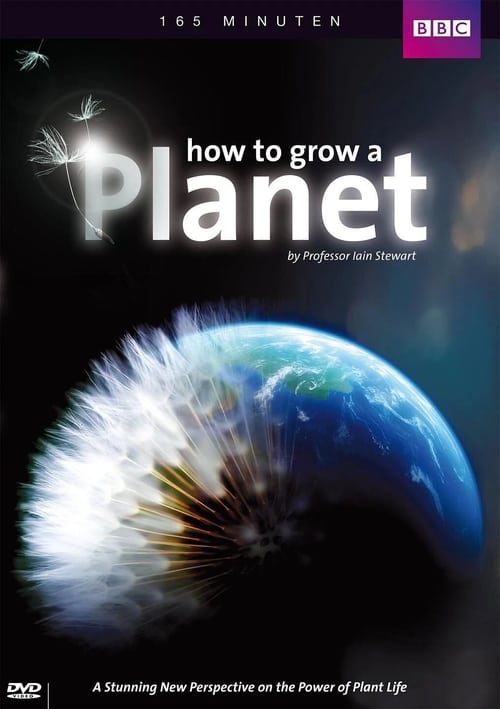
Geologist Iain Stewart explain in three stages of natural history the crucial interaction of our very planet's physiology and its unique wildlife. Biological evolution is largely driven bu adaptation to conditions such as climate, soil and irrigation, but biotopes were also shaped by wildlife changing earth's surface and climate significantly, even disregarding human activity.
2012
All In Earth's 4 billion year history, nature has solved all of lifes problems, from the highest mountain to the deepest ocean. Evolution is the ultimate inventor and many of mans most clever engineering solutions have exact counterparts in nature. In three amazing episodes, NatureTech views our world with fresh eyes, where nature and technology stand hand in hand.
2006
Presenter Rob Bell takes us on a voyage around Britain and Ireland to reveal the hidden secrets that make offshore lighthouses such extraordinary feats of engineering.
2020
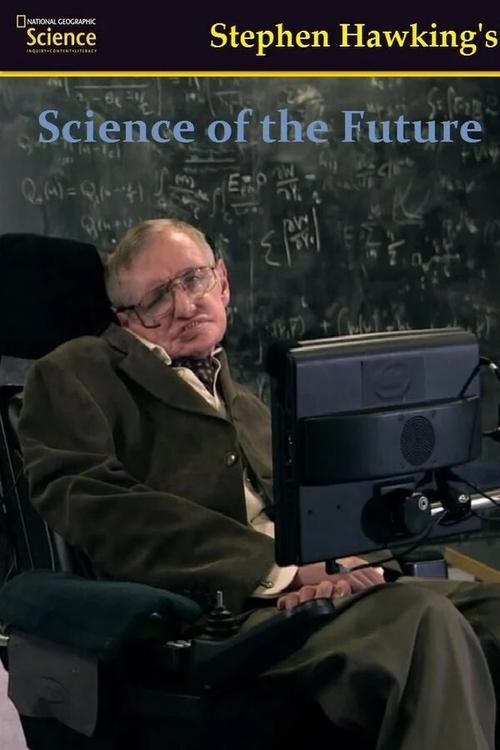
Stephen Hawking’s Science of the Future investigates the very latest game changing innovations. Each episode takes one area of progress and sends five top scientists out to actively test the inventions and breakthroughs that are driving it. The team explore human upgrades, the virtual world, bio-mimicry, high-tech emergency responses, and more. Featuring a wide range of examples, from advanced robotics and breathtaking digital actors, to cutting edge smart homes and electronic brain stimulation, the series reveals how science is delivering astonishing improvements to all our lives. Using the evidence they gather, the team reveals the year when each innovation will be rolled out for us all to benefit from, and Hawking then draws out his own uniquely insightful predictions about what our world will be like in the years to come.
2014
From the planets to the stars and out to the edge of the unknown, history and science collide in a wondrous yet deadly adventure through space and time.
2007
From strange abductions, to mutated species, to bizarre occurrences, there are some phenomena that science cannot - or will not - explain. This summer Science Channel unveils some of these shocking and mind-boggling cases from around the world in the world premiere series THE UNEXPLAINED FILES. From mysterious disappearances and UFO encounters, to unidentified fanged predators and reported curses, THE UNEXPLAINED FILES investigates actual, inexplicable occurrences that have confounded scientists and inspired legends. Science Channel invites viewers on a mystifying journey that will challenge disbelief with THE UNEXPLAINED FILES.
2013
How We Got To Now with Steven Johnson is a six part documentary series that reveals the story behind the remarkable ideas that made modern life possible; the unsung heroes that brought them into the world – and the unexpected and bizarre consequences each of these innovations has triggered.
Battle Stations is a documentary series of 1 hour episodes, which uses archive footage, re-enactments and first-hand accounts from the crews, to follow the machines and technology implemented from the Second World War to the Gulf War in the land, air and sea.
2000
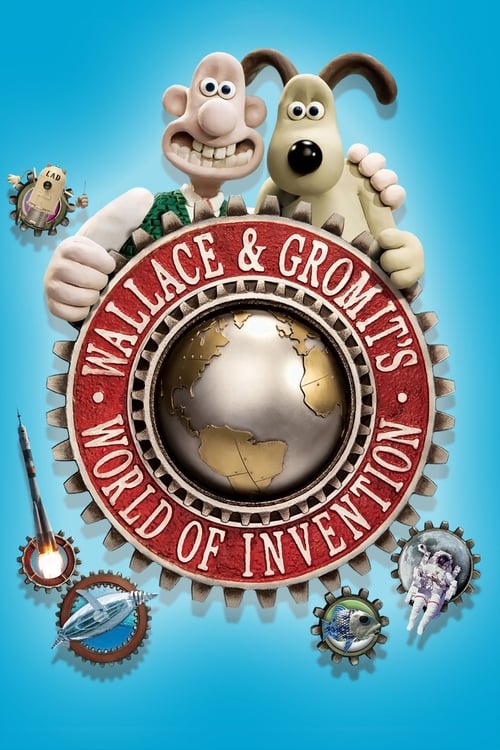
In the series, "Wallace will take a light hearted and humorous look at the real-life inventors, contraptions, gadgets and inventions, with the silent help of Gromit. The series aims to inspire a whole new generation of innovative minds by showing them real, but mind-boggling, machines and inventions from around the world that have influenced his illustrious inventing career" (the BBC press statement). Peter Sallis reprised his role as the voice of Wallace. The filmed inserts are mostly narrated by Ashley Jensen, with one in each episode presented in-vision by Jem Stansfield. John Sparkes also voices a portion in the unseen character of archivist Goronwy.
2010