Season 1 · Episode 1
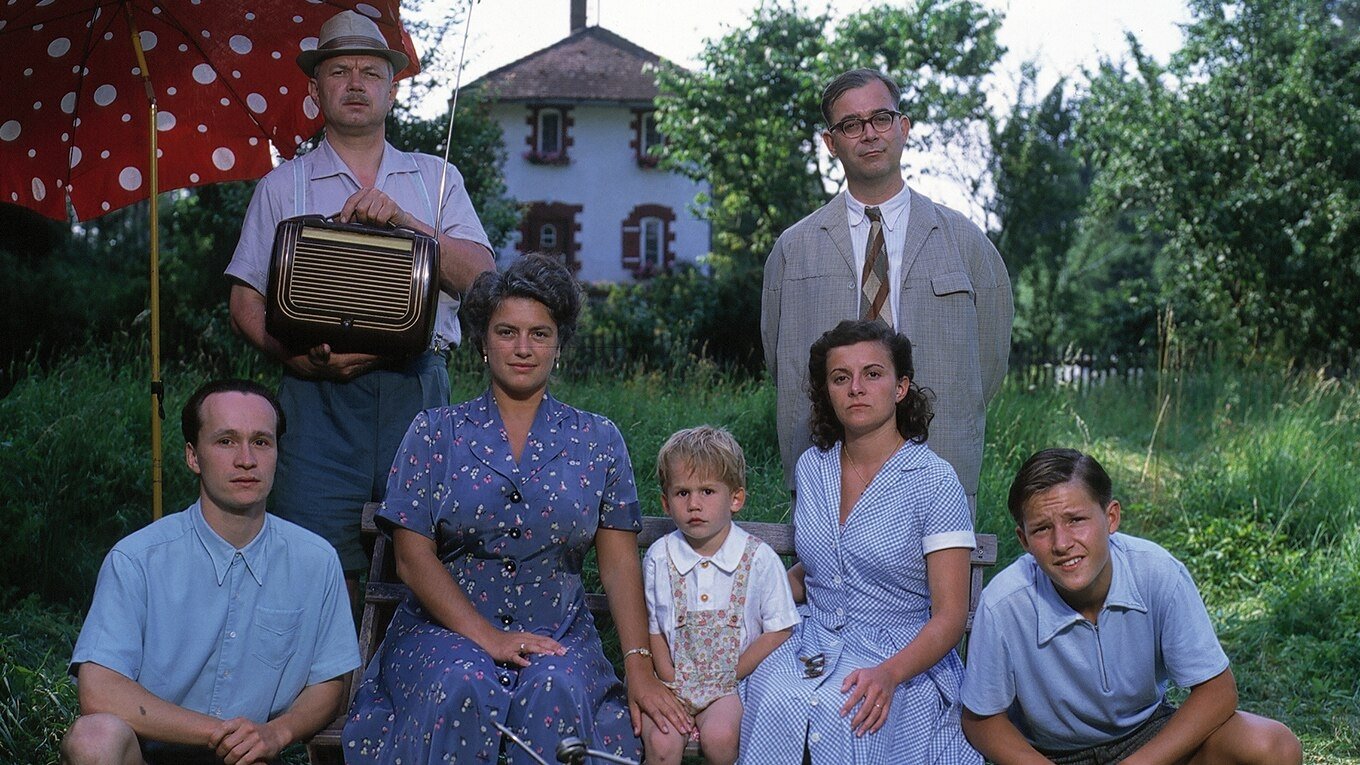
1897 - 1907: Ludwig Grandauer is a policeman in a village somewhere between Munich and Bad Tölz. A murder occurs after his wedding party, of all things. Suspicion falls on a peddler, Grandauer finds the real culprit years later.
May 1909: Karl Grandauer's bicycle is stolen. Afraid of his father's punishment, Karl keeps quiet about the theft. But the butcher Willy has a plan to raise the necessary capital for a new bike: Nude photos of a girl from the neighborhood.
The Grandauer family is worried about the health of mother Agnes. While their daughter Luise takes over the housework for her mother, Ludwig Grandauer has to visit the family of a murder suspect.
1914: The Munich police department moves into the long-awaited new building in the Löwengrube, while at home Luise Grandauer falls in love with Karl's friend Biwi. Now, of all times, the First World War breaks out.
December 1918: Germany has lost the First World War, food is running short, and the Spanish flu keeps killing large numbers of people. When Karl Grandauer comes back to Munich, he finds his family's old apartment inhabited by strangers
October 1920: A dead woman is found at the side of a small road, with a sign labelling her a traitor to her fatherland. During investigation, Karl Grandauer comes across Traudl Soleder again
1923: Karl Grandauer and Traudl Soleder want to get married. But inflation makes the wedding dress and the suit for the groom very expensive. Then childhood friend Willy offers his help.
November 9, 1923: The Soleders are moving out of their expensive apartment into police seargent Karl Grandauer's new official residence, but streets are blocked due to the ongoing Beer Hall Putsch, that started the night before, and Karl is prevented from leaving the police headquarters for some time.
October 22, 1929: Kurt Soleder is working as a presenter at the Munich radio station, when one of his musicians is coming in late due to some sudden sickness; minutes later the man is dead. Police finds out that he died from cyanide poisoning after eating some of the marzipan potatoes he got from the girl with whom he had spent the night.
Autumn 1931: A young man distributing the communist newspaper Die Rote Fahne is beaten up and deadly injured by two vigilantes, who claim that they caught him while breaking a shop-window to steal a radio, and that they only used violence when the alleged burglar put up a fight while being arrested.
January 30, 1933: Adolf Hitler is appointed Chancellor of Germany by President Paul von Hindenburg. Chief inspector Grüner is leaving to spend a few weeks in a health resort, and replaced for the time by inspector Walter Deinlein, who fears to have irritated district attorney Adolf Grandauer by uttering a condescending comment about the new cabinet. Kurt and Sara Soleder come to visit Adelgunde on her name day, while Sara is heavily pregnant. Adolf Grandauer offers his sister Luise to convey substantial orders for the Nazi party to her husband's bakery, but advises them to get rid of their journeyman Toni, a leftist who has been caught up in street fights with the SA.
March 1933: Two policemen come to the Kreitmeiers’ bakery with a search warrant for the room of their journeyman, confiscating brass knuckles and some communist propaganda posters. Inspector Karl Grandauer is called to a gravel pit, where a dead boy with a bullet in his head has been found. Later, a mute swill dealer is arrested while carrying the gun the deadly shot was fired from. Mr. Hampel, Grandauer's former subordinate, who has just been transferred to the political police, gets a written confession out of the man, who previously claimed to have found the weapon on the ground. Eventually, one of the deceased boy's comrades from the Hitler Youth comes forward, admitting that he had taken his father's old army pistol to practice shooting in the gravel pit, where he accidentally killed his friend, leaving the gun behind.
March 21, 1933: An elderly Jewish man has killed himself by opening the gas-tap in his apartment, apparently in despair of the rampant antisemitic agitation in Germany; the Grandauers take care of his surviving dog. While many people are listening to President Hindenburg's and Chancellor Hitler’s speeches broadcast from the Day of Potsdam, Sara Soleder gives birth to a daughter. Baker Max Kreithmeier’s journeyman Toni, a staunch leftist, is imprisoned in the new established Dachau concentration camp.
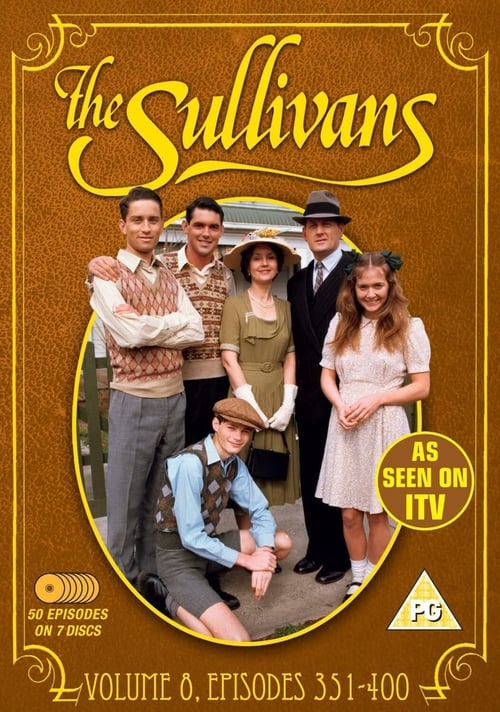
The Sullivans is an Australian drama television series produced by Crawford Productions which ran on the Nine Network from 1976 until 1983. The series told the story of an average middle-class Melbourne family and the effect World War II had on their lives. It was a consistent ratings success in Australia, and also became popular in the United Kingdom, Ireland, Netherlands, Gibraltar and New Zealand.
1976
The story of an English aristocrat, Lady Sarah Ashley, who inherits a large cattle ranch in Australia after her husband dies. When Australian cattle barons plot to take her land, she joins forces with a cattle drover to protect her ranch.
2023
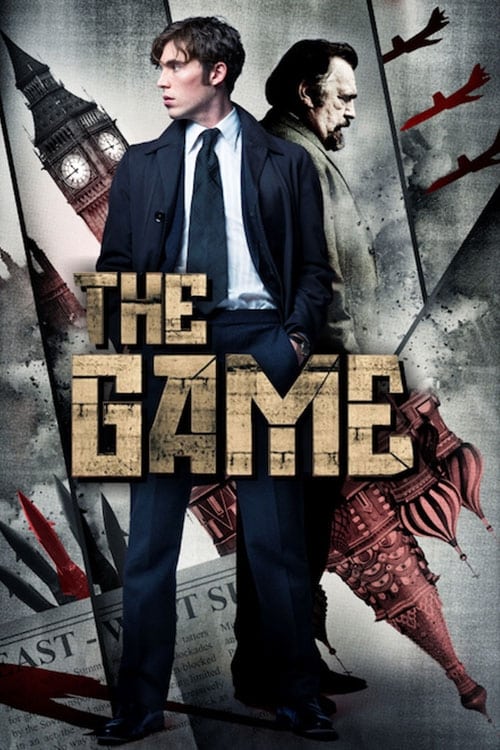
"The Game" is a 1970s Cold War spy thriller set in the world of espionage. It tells the story of the invisible war fought by MI5 as it battles to protect the nation from the threats of the Cold War.
2014
An emotionally-driven character drama, set in the thrilling and dangerous world of WWII espionage and covert operations. It follows the stories of five highly skilled young recruits - Canadian, American and British - torn from their ordinary lives to train as agents in an ultra-secret facility on the shores of Lake Ontario. These agents parachute behind enemy lines, where they're fair game for torture and execution. From elegant hotels to hellholes in the field, it's one risky operation after another, masterminded by the brains of Camp X.
2015
As dawn breaks on April 25, 1915, ANZAC troops go into battle on the beaches of the Gallipoli peninsula. Landing in the dark chaos, Tolly, Bevan and their mates struggle to establish a tenuous foothold on the treacherous slopes and deep ravines. They endure the next eight months on the peninsula learning lessons of survival. By the time of the final evacuation they have also learned the skills of combat and what it means to be a young man in war.
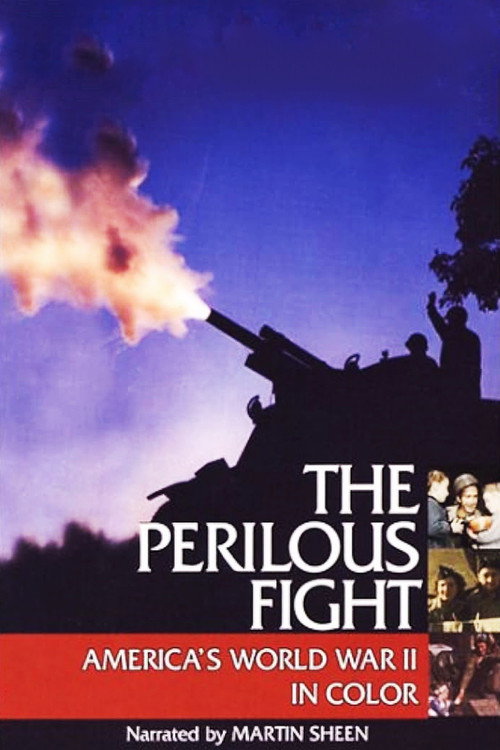
This four-hour series narrated by Martin Sheen captures America's wartime experience through original color film footage and compelling passages from diaries and letters. Rare color footage-much of it never before publicly screened-presents a vivid and intimate portrait of life on the battlefield and on the U.S. home front.
2003
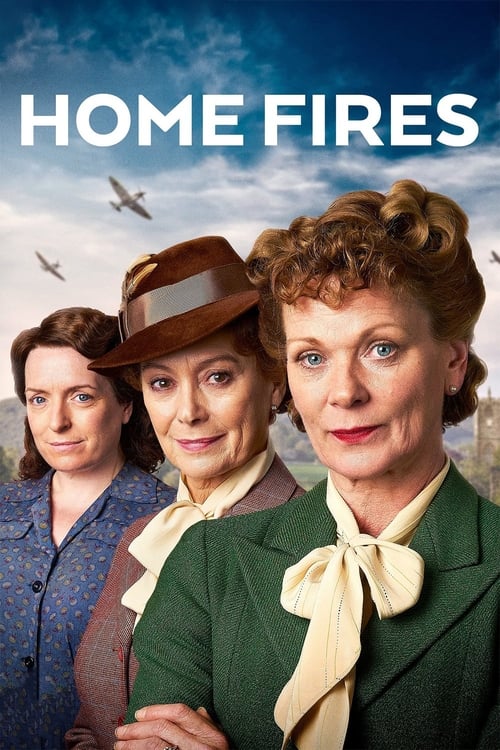
The story of a group of inspirational women in a rural Cheshire community with the shadow of World War II casting a dark cloud over their lives. As the conflict takes hold and separates the women from their husbands, fathers, sons and brothers, the characters find themselves under increasing and extraordinary pressures in a rapidly fragmenting world. By banding together as the Great Paxford Women’s Institute, they help maintain the nation’s fabric in its darkest hour, and discover inner resources that will change their lives forever.
Chronicles the lives of brothers Jonathan and Harold Dakers, in the Black Country, focusing on their close bond and the challenges they face, particularly during World War I.
1985
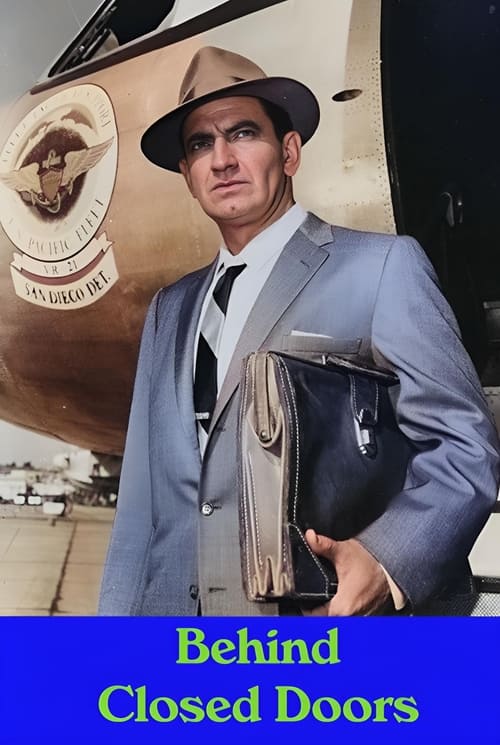
Behind Closed Doors is an American drama series set during the Cold War hosted by and occasionally starring Bruce Gordon in the role of Commander Matson. The series, which aired on NBC from October 2, 1958, to April 9, 1959, focuses, among other themes, on how the former Soviet Union stole American missile secrets and proposes steps to prevent further espionage. Behind Closed Doors is based on the files and experiences of Rear Admiral Ellis M. Zacharias, who offers comments at the end of each segment. Behind Closed Doors, a Screen Gems production, replaced Jackie Cooper's sitcom The People's Choice, followed the NBC quiz show, Twenty-One, and preceded the The Tennessee Ernie Ford Show. Its competition was The Pat Boone Chevy Show on ABC and Dick Powell's Zane Grey Theater western anthology series on CBS.
1958
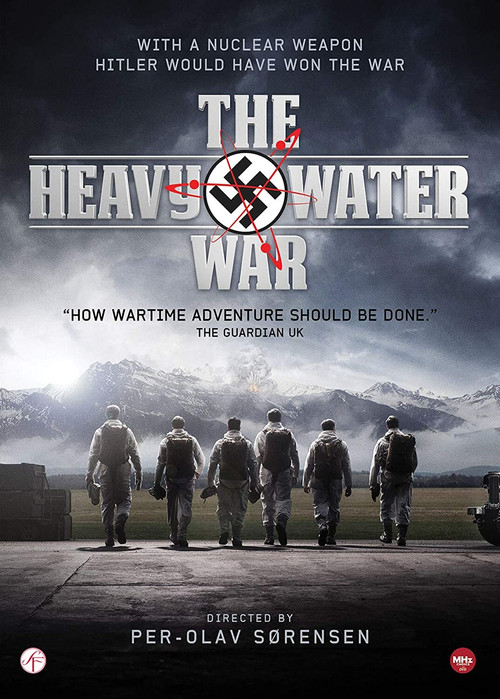
When the Nazis secure a heavy water plant to realize their plan to create an atomic bomb, the Norwegian Allies struggle to sabotage the operation.
In the middle of the Cold War, a Soviet submarine runs aground outside Karlskrona and suddenly Sweden finds itself at the center of events. Prime Minister Thorbjörn Fälldin tries to resolve the conflict and avoid a world war between two nuclear powers while struggling with a wise foreign minister and a belligerent commander-in-chief.
2024
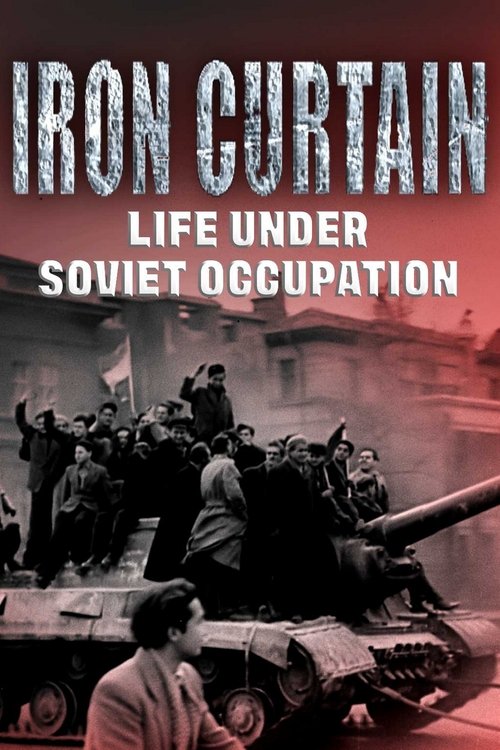
How did the Soviet Union impose its communist ideology on the countries of Central and Eastern Europe after World War II? The story of how, from 1945 until the construction of the Berlin Wall in 1961, these countries were gradually subjected to the totalitarian Soviet yoke.
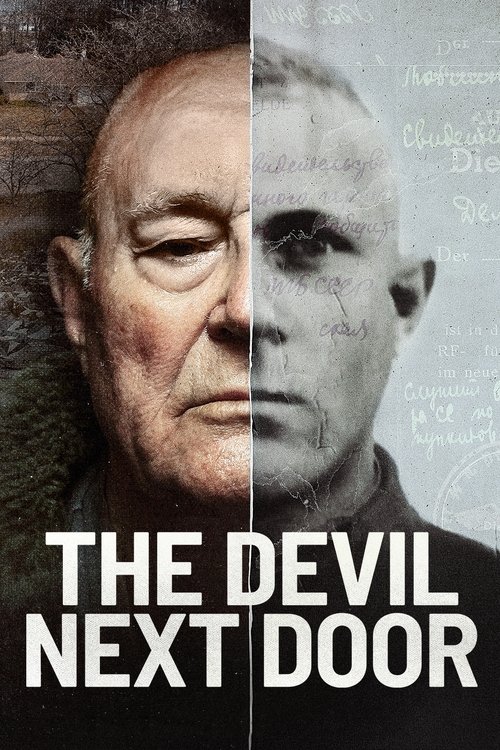
A Cleveland grandfather is brought to trial in Israel, accused of being the infamous Nazi death camp guard known as Ivan the Terrible.
2019
The lives, loves and highs and lows of four members of the Women's Land Army working at the Hoxley Estate during World War II.
2009
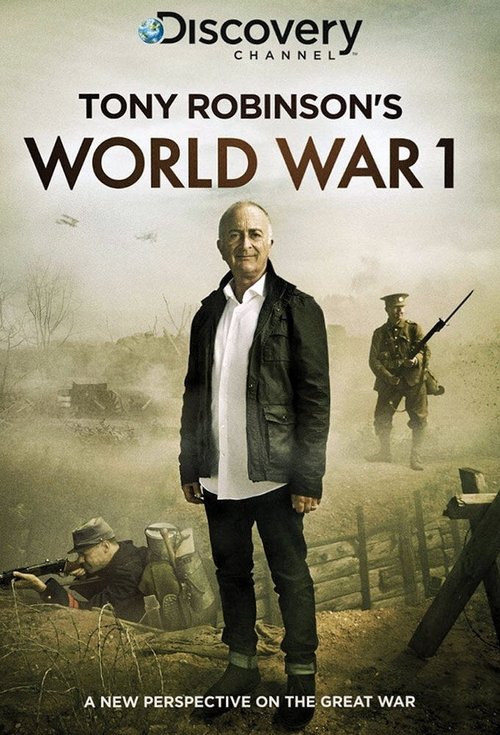
Sir Tony Robinson, the history presenter and former Black Adder star, tells the story of the Great War. How it started, how it changed the world and how it finished with a 100 day flourish of military brilliance, which finally put an end to four years of incompetence and slaughter. With the aid of hundreds of amazing archived 3D images of the Great War which chronicle WWI from start to finish and breathe new life into the story, Tony Robinson's World War I allows modern audiences to see the war in a completely new way. Robinson will also show how the Great War changed British people for generations to come – liberating large portions of the working class, powering the rise of the Labour party and breaking the old ties of service to the aristocracy.
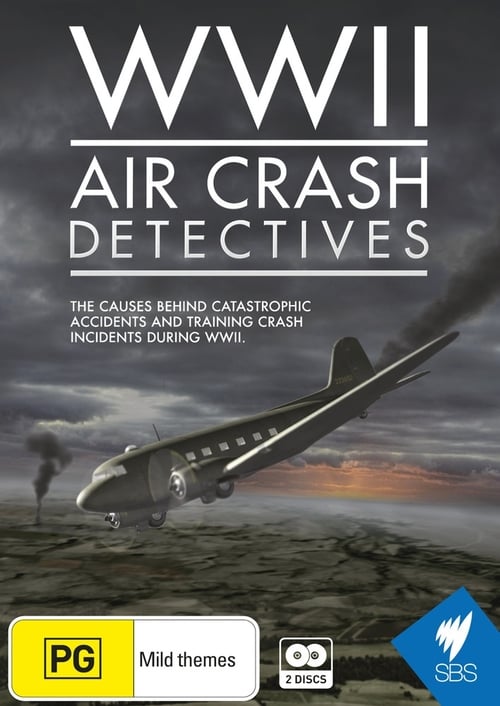
Garth Barnard has a lifelong passion and unshakeable resolve to investigate how thousands of young Airmen from the Second World War died in catastrophic air accidents and training crashes.