Season 1 · Episode 1
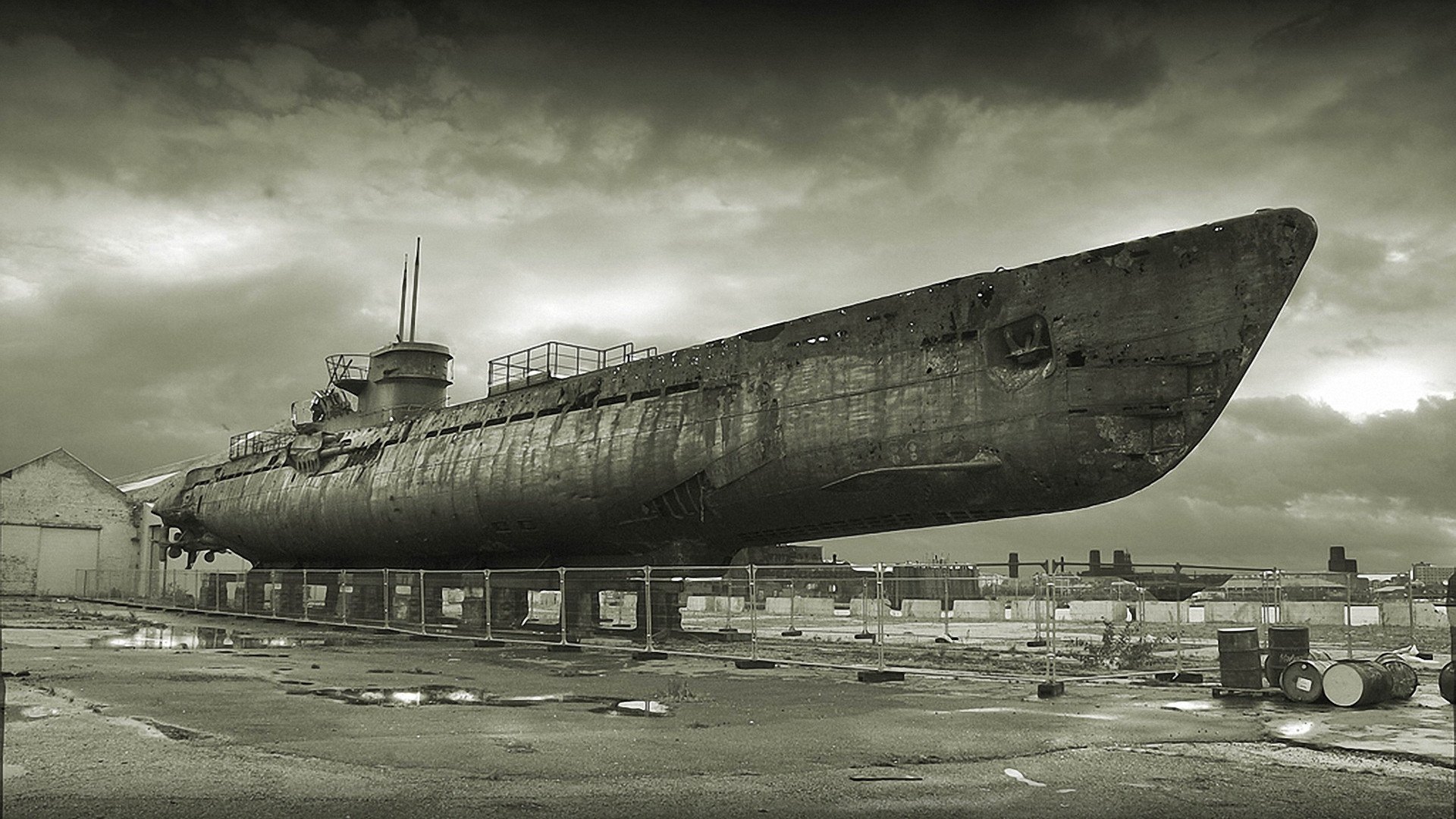
In May 1940, it looked like the deadly 'wolf packs' of German U-boats would sever Britain's Atlantic lifeline and force her to surrender.
In 1941 the Atlantic convoys slowly began to fight back, using cutting-edge technology that turned the German U-boat hunters into the hunted.
In December 1941 the surprise Japanese attack on Pearl Harbor brought the USA into the Second World War. With the help of America, Britain hoped her fortunes would change in the Atlantic and the German U-boats would be defeated. But America refused to adopt the convoy system to protect merchant ships carrying vital supplies to Britain, and as a result suffered its single greatest ever naval defeat.
By January 1943, the Allies had developed technology and tactics that could take on the German U-boat threat. But an area of the mid-Atlantic, out of the range of Allied aircraft, was being targeted by the U-boats hunting convoys. So America introduced the long-range Liberator bomber in an attempt to close the air gap and win the war in the Atlantic. And Germany sent U-boats into the English Channel, hoping they could play a crucial role in preventing the D-Day landings.
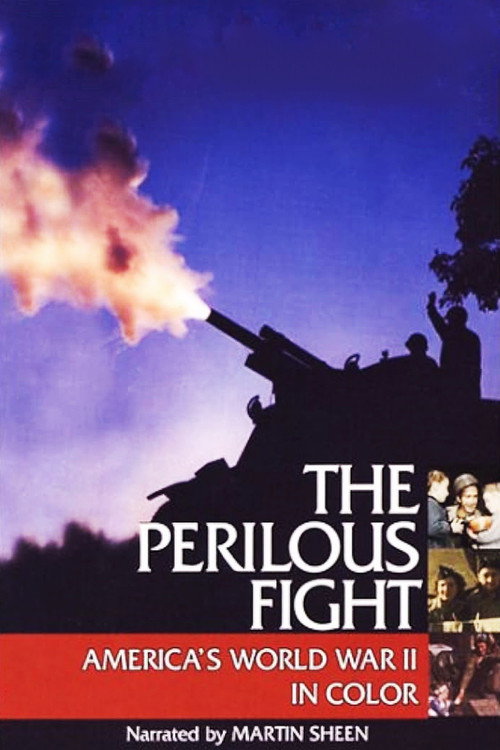
This four-hour series narrated by Martin Sheen captures America's wartime experience through original color film footage and compelling passages from diaries and letters. Rare color footage-much of it never before publicly screened-presents a vivid and intimate portrait of life on the battlefield and on the U.S. home front.
2003
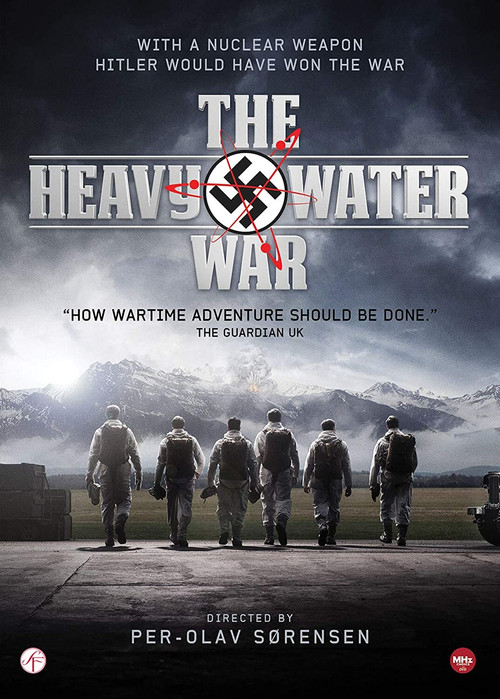
When the Nazis secure a heavy water plant to realize their plan to create an atomic bomb, the Norwegian Allies struggle to sabotage the operation.
2015
In the middle of the Cold War, a Soviet submarine runs aground outside Karlskrona and suddenly Sweden finds itself at the center of events. Prime Minister Thorbjörn Fälldin tries to resolve the conflict and avoid a world war between two nuclear powers while struggling with a wise foreign minister and a belligerent commander-in-chief.
2024
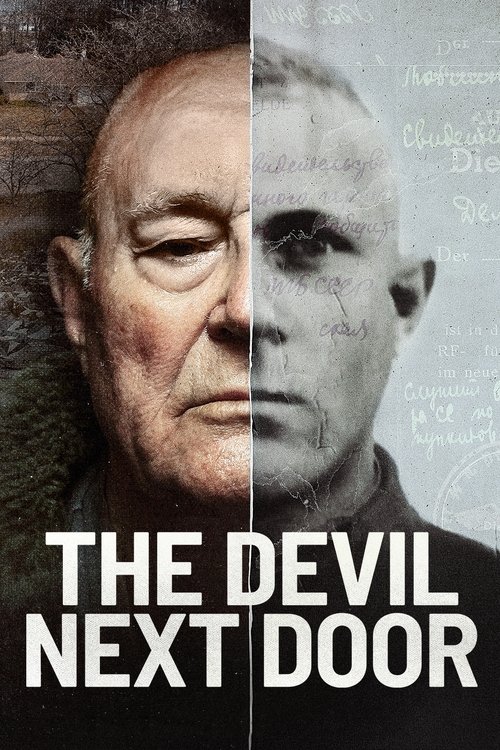
A Cleveland grandfather is brought to trial in Israel, accused of being the infamous Nazi death camp guard known as Ivan the Terrible.
2019
The lives, loves and highs and lows of four members of the Women's Land Army working at the Hoxley Estate during World War II.
2009
Garth Barnard has a lifelong passion and unshakeable resolve to investigate how thousands of young Airmen from the Second World War died in catastrophic air accidents and training crashes.
2014
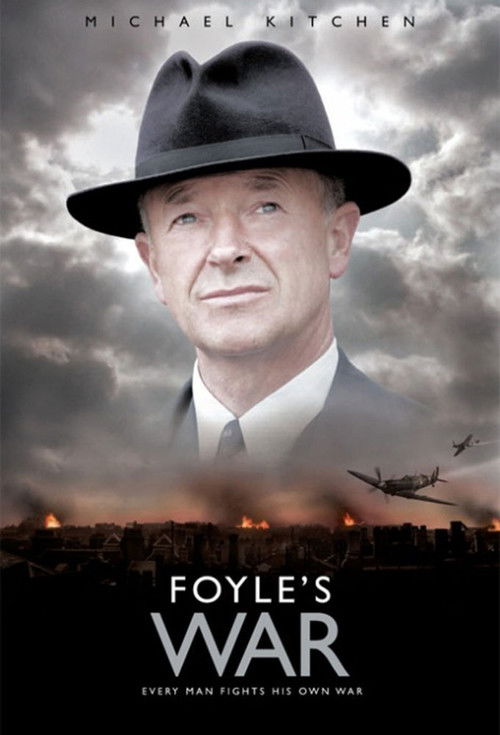
As WW2 rages around the world, DCS Foyle fights his own war on the home-front as he investigates crimes on the south coast of England. Foyle's War opens in southern England in the year 1940. Later series sees the retired detective working as an MI5 agent operating in the aftermath of the war.
2002
It's a little-known part of World War II history: in the Allied secret services, one in ten spies was a woman. A look back at the journeys of these women of exemplary bravery, who, risking their lives, played a decisive role in supporting the Resistance.
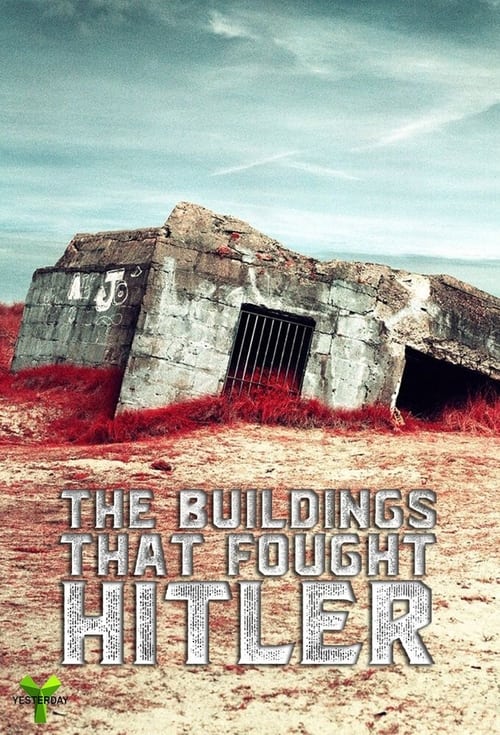
Exploring the buildings that were built to defend Britain from a German invasion during World War II. From coastal defences, to secret bases, travel across Britain looking at the buildings that were built to fight Hitler and his advancing army.
2021
The misadventures of hapless cafe owner René Artois and his escapades with the Resistance in occupied France.
1984
Americans consider themselves a 'nation of immigrants', but as the catastrophe of the Holocaust unfolds in Europe, the U.S. prove unwilling to open its doors to more than a fraction of the hundreds of thousands of desperate refuge seekers. Through riveting firsthand testimony of witnesses and survivors who as children endured persecution, violence and flight as their families tried to escape Hitler, this three-part documentary series delves deeply into the tragic human consequences of public indifference, bureaucratic red tape and restrictive quota laws in America. Did the nation fail to live up to its ideals? This is a history to be reckoned with.
2022
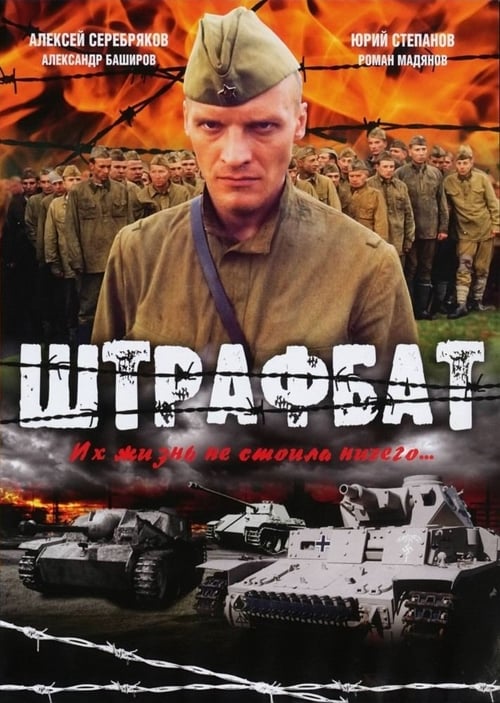
Drama of the penalty parts of political prisoners, who fought on the Soviet fronts.
2004
No description available.
1971
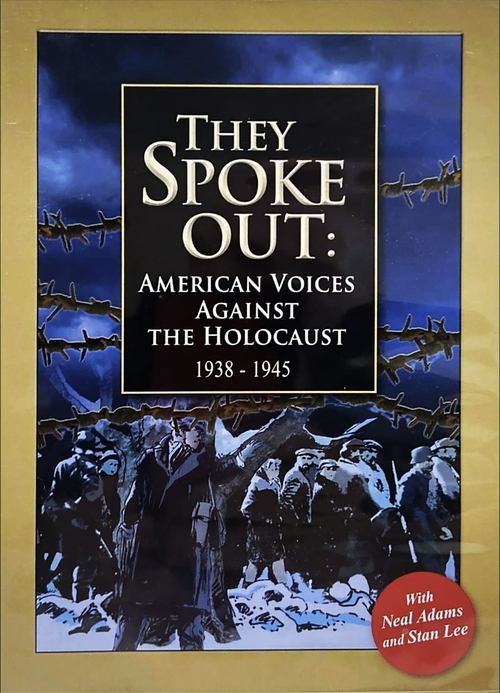
In the tradition of WWII-themed graphic novels such as Maus, six remarkable motion comics tell the dramatic stories of the brave people who raised their voices to advocate for Jewish refugees victimized by the Nazis
—
From tunnels to towers, artillery sites, resistance nests and communication centers, Nazi Germany left their footprint throughout the world. To this day, silent remains still exist, sentinels guarding clues about plots that Hitler was unable to carry out. The collapse of the Third Reich left as many secrets as it did relics. Still today, remnants of the Nazi's schemes lie concealed in structures scattered across the globe. Skeletons of projects give way to mysteries. Conspiracies abound about science fiction scenarios. The Nazis were nothing if not methodical, and a deeper look reveals even darker plans. From tunnels to towers, artillery sites and communication centers; the remains of these schemes lie waiting to reveal truths about the Fuhrer's tactics and dreams in Secret Nazi Bases. What did Hitler have planned?
"Löwengrube – Die Grandauers und ihre Zeit" is a German television series first aired between 1989 and 1992, created by Willy Purucker and directed by Rainer Wolffhardt. It is set in Munich and follows the lives of Ludwig Grandauer and his son Karl, both policemen, covering the years from 1897 to 1954. The TV show is based on Purucker's radio play series Die Grandauers und ihre Zeit (‘The Grandauers and their time’). The series’ main title "Löwengrube", meaning ‘Lions’ Den’, refers to the address of the Munich Police Headquarters inaugurated in 1913.
1989