Season 1 · Episode 1
In its premiere broadcast, Frontline investigates the underbelly of the NFL--the secret connections between professional football and the world of sports gambling and organized crime.
On the morning of November 3,1979, five civil rights demonstrators were killed by a group of Klan and Nazi Party members in Greensboro, North Carolina. Correspondent James Reston, Jr.,investigates the role of a police informant who was with the group when the attack was planned and when it was carried out.
Frontline correspondent Charles Cobb journeys to a Washington, DC that tourists rarely see. The nation's capital, seventy-five percent black, faces widespread poverty, yet it is run by some of the civil-rights movement's most effective and militant organizers, including Mayor Marion Barry.
For thirty-four years, those who fled to Taiwan in the wake of the Communist victory have had only their memories and fantasies of mainland China. Now they want to know much more, and a political struggle is underway to determine how Taiwan will relate to the mainland.
In 1982,a man was discovered hanging from a bridge over the Thames River in London. He was Roberto Calvi, head of Italy's largest bank and chief advisor to the Vatican's bank. Reporter Jeremy Paxman investigates Calvi's links with the Vatican and with P-2, a secret Italian society, and questions whether his death was really a suicide.
Frontline investigates the power of the Pentagon as a business and economic force in the domestic economy. Politicians find themselves chasing Pentagon dollars for the jobs those dollars create in their districts; scientists and universities find themselves dependent on the military if they want to do research in many high-tech areas.
Frontline looks beyond the cliches and stereotypes in the debate over gun control. Visiting prison inmates, victims of gun crime, and the sharpest minds on both sides, Frontline explores the underlying fears that make gun control such an emotional issue.
Kojo Odo, a 42 year-old single black man, took in his first child a decade ago-a 7 year old boy with his arm missing. No one wanted the youngster. Each of Odo's 21 children came to him with a physical or mental handicap. Frontline looks at the daily life of this remarkable family and Odo's battle to keep the family together.
Before Gorbachev and glasnost, three young Americans journey to the Soviet Union on a whirlwind two-week, six-city debating tour. They encounter young, articulate Russians whose world view is completely contradictory to their own.
Daisy is 55 and terrified of growing old. She feels she needs a facelift. From the moment of her decision, Frontline follows her through all the procedures, but the heart of the story is an exploration of values, character, cosmetics, and the business of plastic surgery.
Before President Reagan introduced Star Wars, Frontline examined how in the previous 25 years the US and the Soviet Union had gone from designing satellites to designing weapons to blast them out of the sky. The superpowers were converting space from an arena for communications, to a concept of space as 'high ground,' the battle area to control.
For the first time on American television, Frontline's cameras record the most intimate details and one of the most personal decisions a woman can make. By focusing not only on the clinic, but also on a right-to-life doctor who pickets the clinic every Saturday, the film becomes a revealing study of people confronting their most deeply held values.
Rhodesia, a symbol of white racism, has become Zimbabwe and white minority rule has given way to black majority rule. However, the end of the guerilla war may not mean an end to fighting. Correspondent Charlie Cobb finds a rift between the nation's two black leaders that threatens to split the country along tribal lines.
Frontline investigates the frightening aftermath of one of the worst air disasters in U.S. history-the June 9, 1982 crash of Pan Am flight 759 at the New Orleans airport. The report discovers how human greed and legal machinations over hundreds of millions of dollars bring new horror to survivors and victims' relatives alike.
Only seven years after Mao's death, it is clear that China is undergoing another revolution. This is a revolution of political and social relaxation. Frontline explores what has been retained and what has been rejected from the days of the Cultural Revolution.
For eight years, Rafik Halabi covered the West Bank and Gaza strip-the only Arab reporter working in the Hebrew section of Israeli Television. This is Rafik's story-a story in which his identity and loyalty became a national controversy.
Frank Kaler's story begins simply enough when he requests a water test. Why? Because his children develop skin lesions after bathing in it. Frontline chronicles Kaler's six-year battle with local and federal officials over the chemical pollution of his drinking water.
Frontline tells the story of five days in the fall of 1982 when more than 150,000 people gathered in Washington D.C. for the dedication of the Vietnam Memorial. Parents, friends, and survivors came to the emotion-filled event reflecting the pain and conflict many still feel about that war.
When a national recreation site between Cleveland and Akron was first mandated by Congress in 1974, everyone applauded the project. But Frontline found that park policies of condemning hundreds of businesses and homes soon generated intense local opposition as well as charges that the homes of politically influential citizens were being spared.
No description available.
Frontline investigates the Reagan administration's effort to remove tens of thousands of people from the Social Security disability rolls. Disabled people face personal hardship and bureaucratic indifference as they take their cases to the courts and to Congress.
In 1983, El Salvador was a nation where murder and torture were an everyday occurrence, a place where loved ones disappear and truth remains elusive. Frontline interviews government soldiers, rebels, and noncombatants to find out why the killing continues.
Frontline follows the journey of a Guatemalan family through the 'new underground railroad' and considers the plight of the people who seek refuge from governments allied to the United States.
Developing countries have borrowed hundreds of billions of dollars from Western banks. Some of the biggest borrowers, Brazil and Mexico,are struggling even to repay the interest. Correspondent Anthony Sampson finds that threats to repudiate the loans are causing American bankers to fear financial catastrophe.
Klaus Barbie, a hated Nazi war criminal, was returned to France in 1983 to face justice. But some Frenchmen were worried that he would reveal embarrassing evidence about French collaboration, and some Americans feared that he would talk about his postwar work for U.S. intelligence agencies.
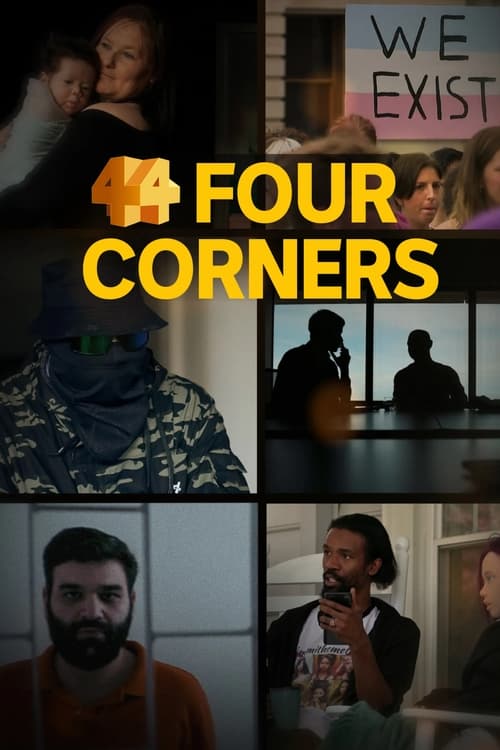
Four Corners is Australia's longest-running investigative journalism/current affairs television program. Broadcast on ABC1 in Australia, it premiered on 19 August 1961 and celebrated its 60th anniversary in 2021. Founding producer Robert Raymond and his successor Allan Ashbolt did much to set the ongoing tone of the program. Based on the Panorama concept, the program addresses a single issue in depth each week, showing either a locally produced program or a relevant documentary from overseas. The program has won many awards for investigative journalism, and broken many high-profile stories. A notable early example of this was the show's epoch-making 1962 exposé on the appalling living conditions endured by many Aboriginal Australians living in rural New South Wales.
1961
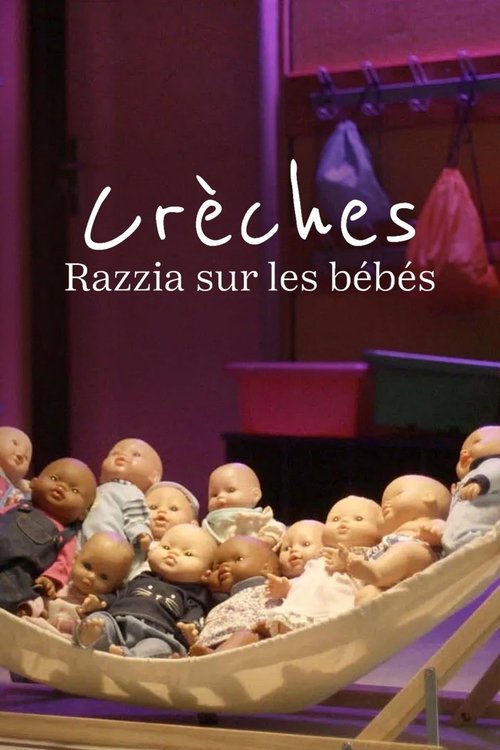
An investigation into the inner workings of an economic model where profitability takes precedence over the well-being of children and their families. Former employees provide behind-the-scenes accounts of these daycare centers, which now operate on a profit-driven basis. In France, Germany, and the United Kingdom, this sector is being privatized, paradoxically thanks to massive public subsidies. But where do these public funds end up?
2025
—
Thirteen brave women share stories of the psychological, emotional and economic abuse they suffered under the controversial religious group Opus Dei.
Caco Barcellos and a team of young journalists go to the streets, together, to present different angles of the same fact, from the same news. Each reporter always has a mission to fulfill, which involves tasks both in the performance of the live report and in its completion.
2008
Award-winning investigations - revealing secrets, rooting out injustice, and exposing crime, corruption, and abuse. The biggest stories from BBC correspondents all over the world.
A journalist races to learn the truth when human remains are found in the home of self-proclaimed Satanist "Pazuzu".
2019
2021
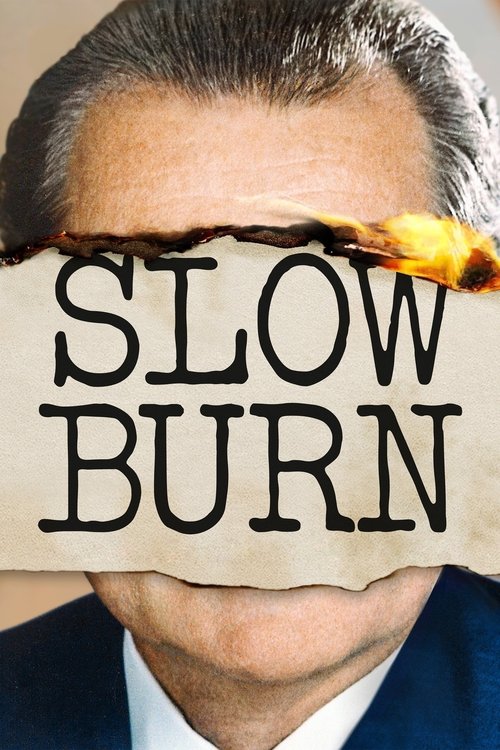
In this adaptation of the award-winning podcast, Slow Burn’s Leon Neyfakh excavates the strange subplots and forgotten characters of recent political history—and finds surprising parallels to the present.
2020
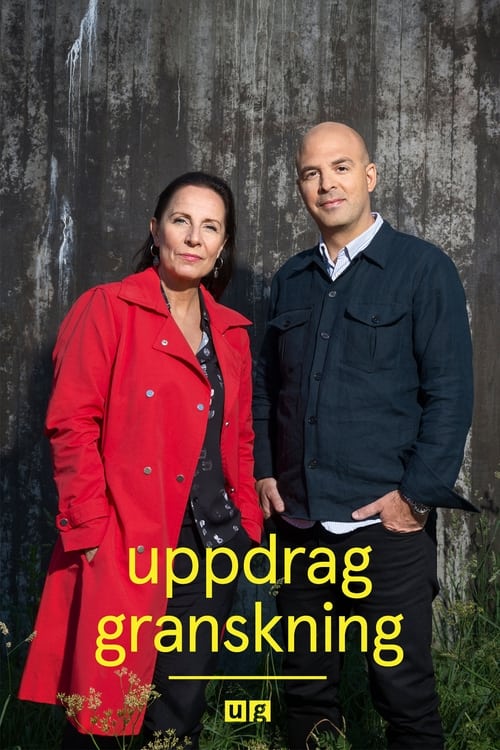
Swedish investigative journalism series known for the use of concealed cameras and microphones.
2001
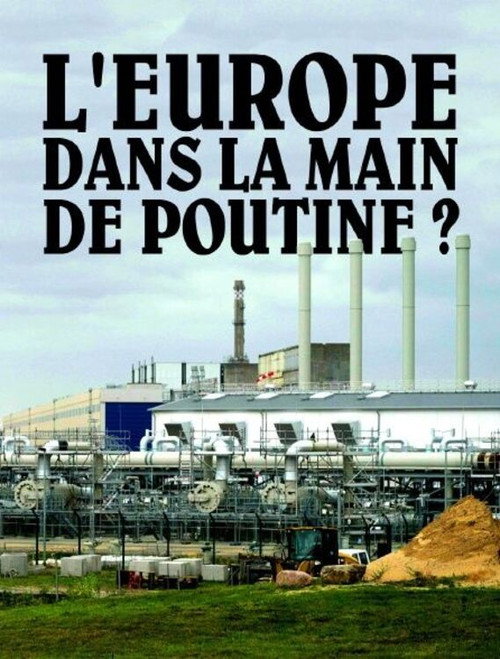
328 / 5 000 The Kremlin's strategy consists of infiltrating places of power throughout Europe and securing the services of more or less lucid personalities, more or less aware of what is going on.
2024
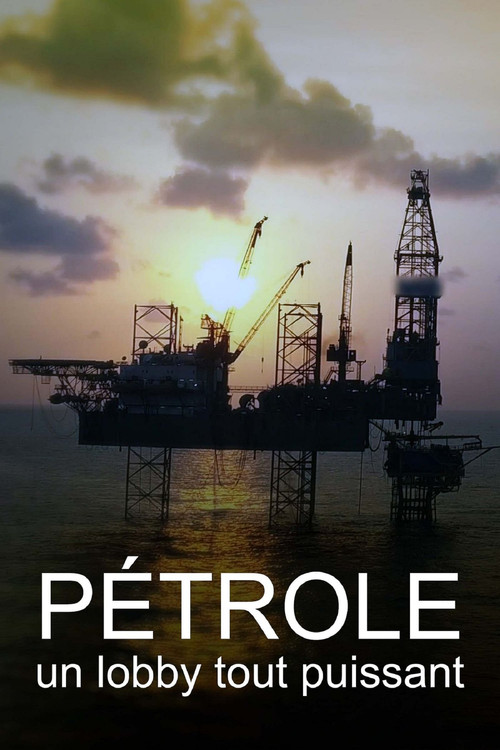
To coincide with COP28, the two-part arte documentary (originally from PBS Frontline/BBC under the title "Big Oil vs. The World" / "The Power of Big Oil") shows how oil companies and politicians have, for decades, sowed doubt about the causes of climate change and obstructed necessary countermeasures. In light of the growing threat of natural disasters, heat waves, and floods, the film examines the precise reasons for this long-standing obstruction and questions the responsibility of powerful oil companies like ExxonMobil.
2022
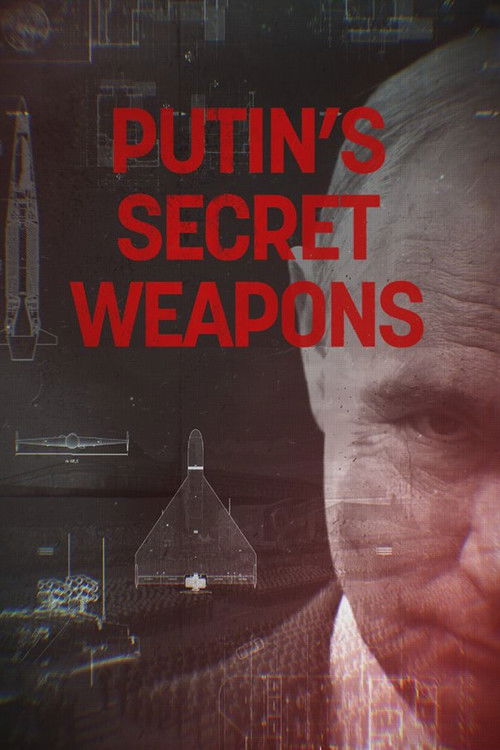
The Russian army has no shortage of weapons despite sanctions: With an arsenal mixing old Soviet stocks and modern hypersonic weapons, the country could strike Europe in minutes. An opaque network of spies, shell companies and oligarchs ensures its war capacity through the arms trade, technology theft and state-organized policy of terror.
2026
2016
2015