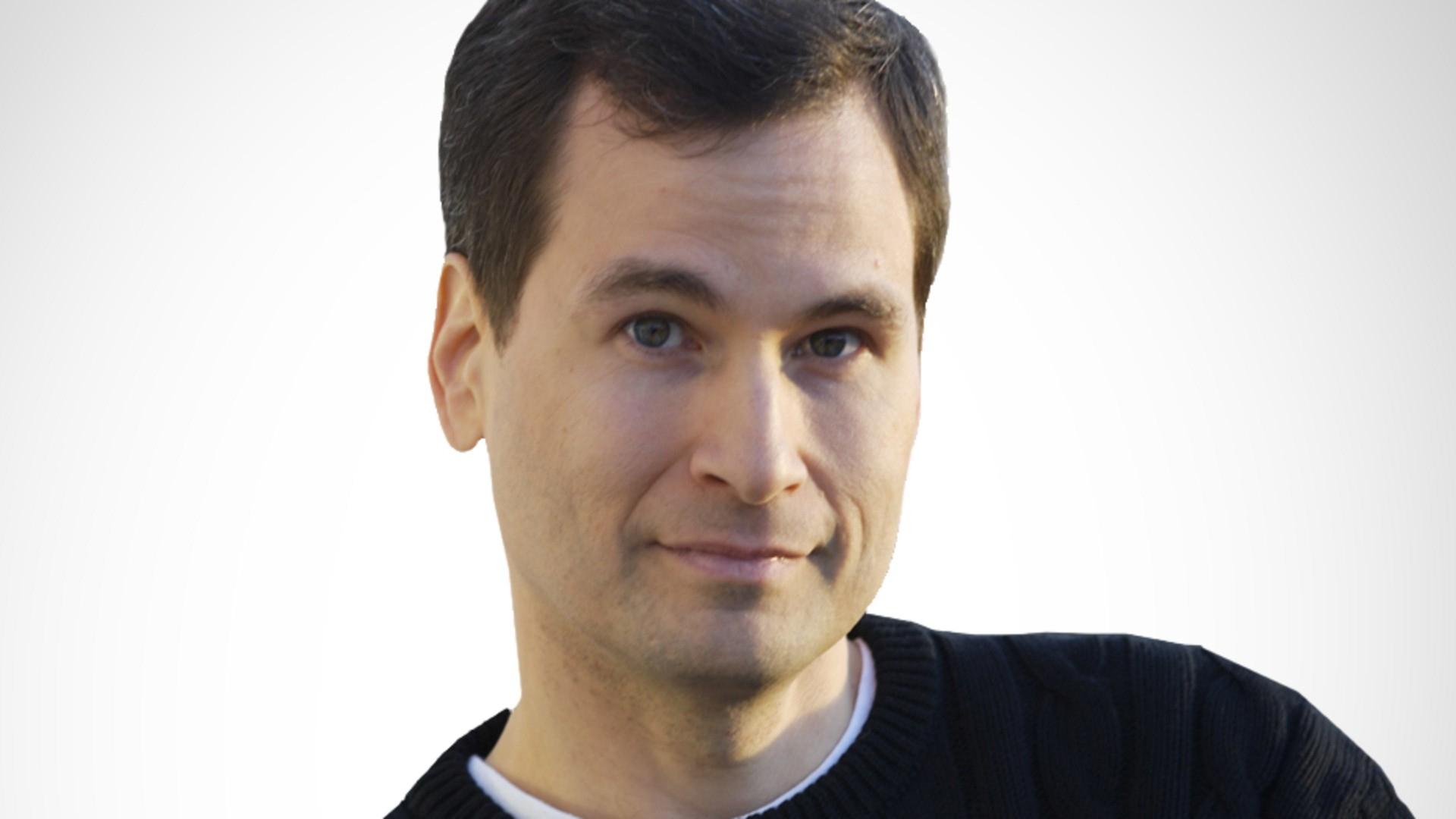
Season 1 · Episode 1
Topics include: Getting worked up over mirror neurons, new tools for predicting hurricanes, the sounds that sand dunes make, and a profile of MIT robot designer James McLurkin.
Featured segments include: the discovered remains of three-foot-tall humans on the island of Flores, a look at how T. Rex got to be so big, a profile of nanotechnologist Naomi Halas, the issues surrounding stem cells, and the yearly freeze and thaw cycle of the common wood frog.
Featured segments include: the future of hydrogen fuel cell cars, the discovery of medical potential within a petunia, a fast moving glacier and what it says about global warming, and a profile of brothers and mathematicians Gregory and David Chudnovsky.
Featured segments include: scientists making life in the lab, lightning that may be triggered by cosmic rays, a profile of neuroscientist Erich Jarvis, the advances of fish surgery, the too human appearance of Hollywood aliens, and an update on Hurricane Katrina.
Featured segments include: a possible tenth planet in our solar system, the twin prime conjecture, a possible reappearance of the ivory-billed woodpecker, a look at the bird flu and whether it will move to people, the growing of meat in a laboratory culture, an update on stem cells, the link between hurricanes and global warming, and a profile of cancer researcher Tyler Curiel.
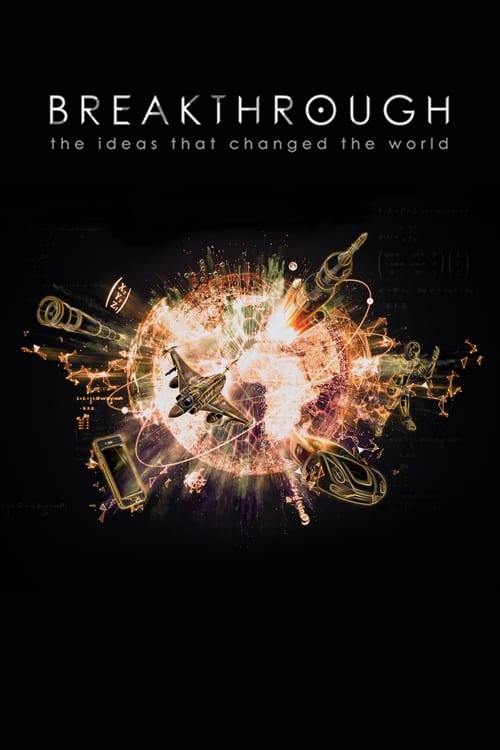
Take a mind-blowing journey through human history, told through six iconic objects that modern people take for granted, and see how science, invention and technology built on one another to change everything.
2019
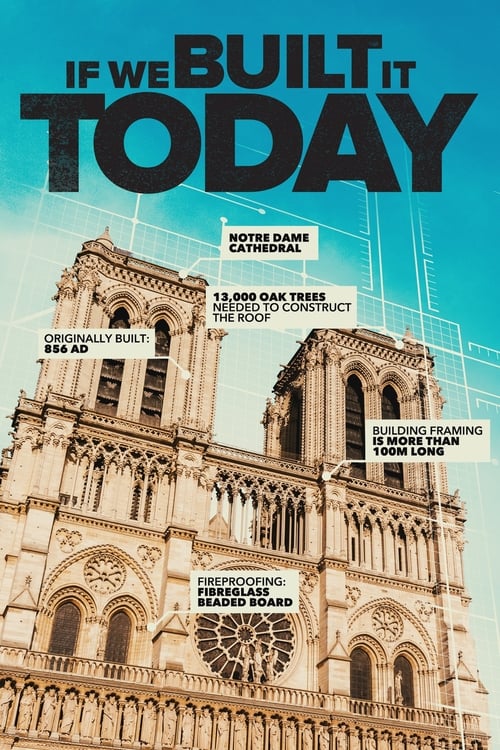
They are some of the world’s all-time greatest building projects. Most have stood the test of time, but with today’s technology, could they be duplicated and done better?
No description available.
2009
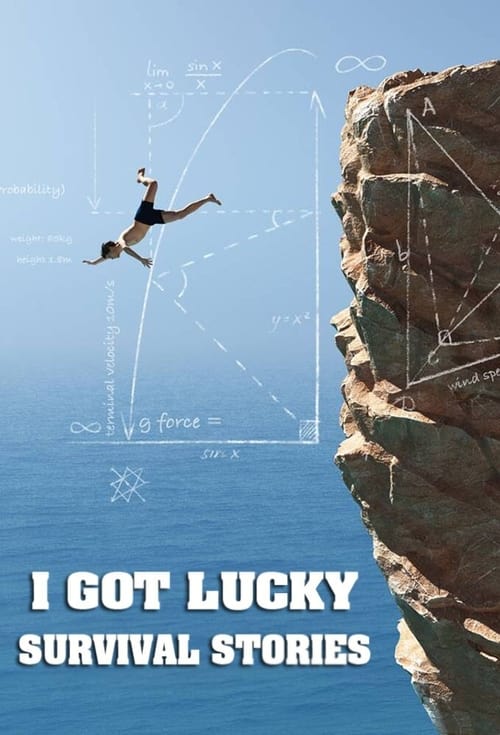
Explore some of the most death-defying accidents caught on film. Survivors and eyewitnesses explain what went wrong and a panel of experts dissect the scientific principle behind these
2021
2016
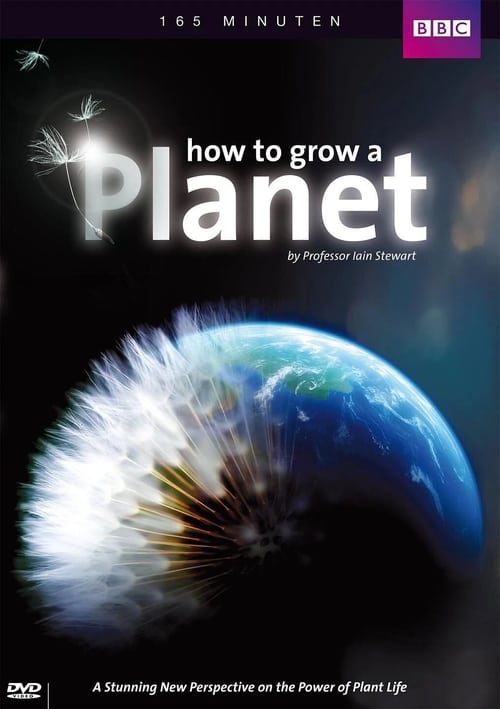
Geologist Iain Stewart explain in three stages of natural history the crucial interaction of our very planet's physiology and its unique wildlife. Biological evolution is largely driven bu adaptation to conditions such as climate, soil and irrigation, but biotopes were also shaped by wildlife changing earth's surface and climate significantly, even disregarding human activity.
2012
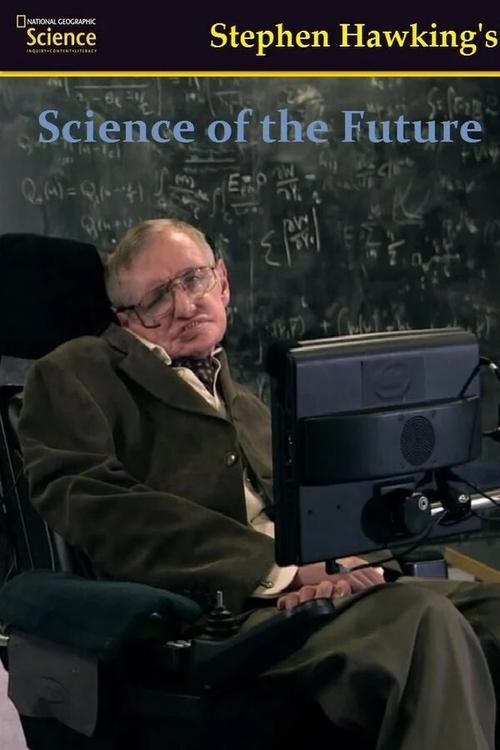
Stephen Hawking’s Science of the Future investigates the very latest game changing innovations. Each episode takes one area of progress and sends five top scientists out to actively test the inventions and breakthroughs that are driving it. The team explore human upgrades, the virtual world, bio-mimicry, high-tech emergency responses, and more. Featuring a wide range of examples, from advanced robotics and breathtaking digital actors, to cutting edge smart homes and electronic brain stimulation, the series reveals how science is delivering astonishing improvements to all our lives. Using the evidence they gather, the team reveals the year when each innovation will be rolled out for us all to benefit from, and Hawking then draws out his own uniquely insightful predictions about what our world will be like in the years to come.
2014
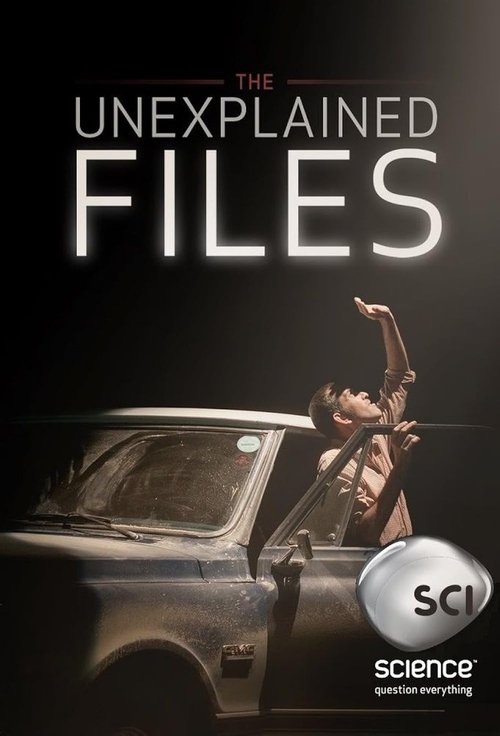
From strange abductions, to mutated species, to bizarre occurrences, there are some phenomena that science cannot - or will not - explain. This summer Science Channel unveils some of these shocking and mind-boggling cases from around the world in the world premiere series THE UNEXPLAINED FILES. From mysterious disappearances and UFO encounters, to unidentified fanged predators and reported curses, THE UNEXPLAINED FILES investigates actual, inexplicable occurrences that have confounded scientists and inspired legends. Science Channel invites viewers on a mystifying journey that will challenge disbelief with THE UNEXPLAINED FILES.
2013
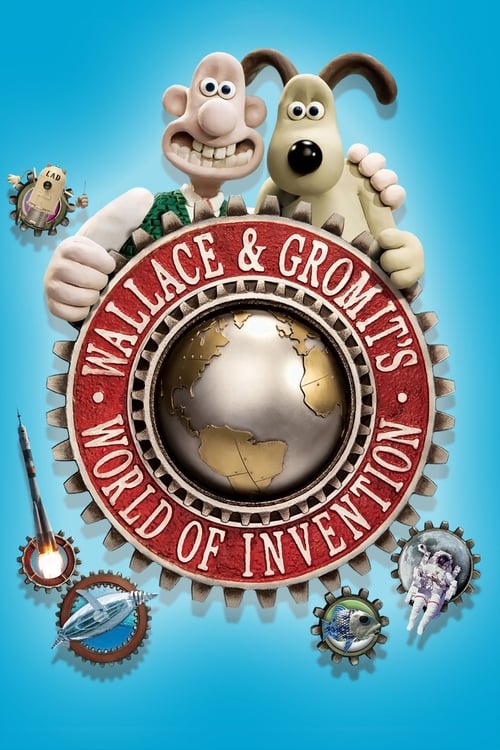
In the series, "Wallace will take a light hearted and humorous look at the real-life inventors, contraptions, gadgets and inventions, with the silent help of Gromit. The series aims to inspire a whole new generation of innovative minds by showing them real, but mind-boggling, machines and inventions from around the world that have influenced his illustrious inventing career" (the BBC press statement). Peter Sallis reprised his role as the voice of Wallace. The filmed inserts are mostly narrated by Ashley Jensen, with one in each episode presented in-vision by Jem Stansfield. John Sparkes also voices a portion in the unseen character of archivist Goronwy.
2010
A high-end documentary series that takes a deep and thought-provoking dive into a variety of topics - such as the future of human life extension, breakthroughs in interspecies communication, the rise of “cyborgism”, existing in virtual reality, and more.
2020
Scientists, researchers, and entrepreneurs are revolutionizing the way people see, touch, taste, hear, and smell with cutting-edge advances in technology.
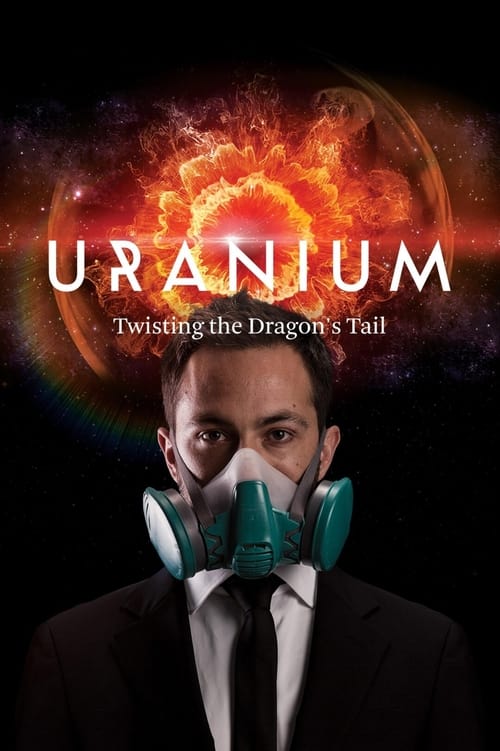
A stunning new documentary series exploring the incredible story of uranium, from its creation in an exploding star to its deployment in nuclear weapons, nuclear power, and nuclear medicine. It’s a journey across nine countries and more than a century of stories, to discover the rock that made the modern world. It’s part science, part history, and all epic adventure. Join physicist and YouTube phenomenon Dr. Derek Muller as he reveals the untold story of the most wondrous and terrifying rock on Earth.
2015
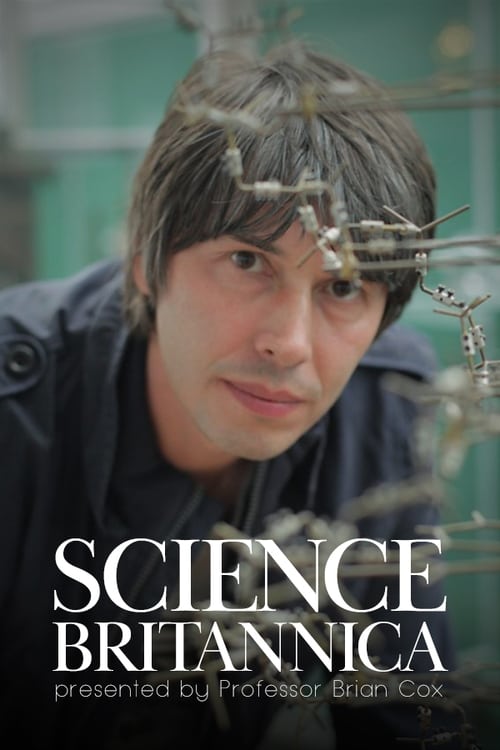
Professor Brian Cox embarks on a mission to guide viewers through 350 years of British science, laying bare what science really is, who the people are who practise it, and how it connects to the past, present and future of each of us.
Providing a thought-provoking and imaginative perspective on scientific discovery as it unfolds, each episode follows scientific explorers working on cutting-edge projects with breakthrough potential, revealing the world of tomorrow... today.
Staf and Mathias Coppens make their body available for you! Staf and Mathias try to answer all your questions with their bodies.