Season 1 · Episode 1
A pirate captain worries about an early bedtime and the four King Georges form a boyband.
A Stone Age doctor tries to help a modern patient and a Pharaoh invents the pyramid.
A Roman emperor finds a nasty alternative to candles, and an Egyptian tries to save money.
The Tudors sing their family history, Bob explains the complete history of Rome in two minutes, and a mad Victorian gentleman eats King Louis XIV's mummified heart.
A priest makes a piano from live pigs, Emperor Caligula declares war on the sea, and there are some disgusting beauty tips from Ancient Egypt.
An evil Greek god appears on a daytime chat show, a rich Georgian swaps his wife with a peasant, and we meet some weird medieval monsters.
There is a terrible smell in the Houses of Parliament, Cinderella struggles with the Blitz, and Helen of Troy reveals her complicated love life.
The Saxons exchange disgusting Christmas presents, a caveman goes on a TV cookery show, and we discover the bizarre causes of the First World War.
A Victorian inspector checks that school is suitably cruel, HHTV News reports live from the Great Plague, and Thumbelina drowns unpleasantly.
HHTV News reports live from the Battle of Thermopylae, Celt housewives find decorative uses for severed heads, and we learn the revolting truth about Roman toilets.
Queen Victoria learns that her British comforts are not very British, a Viking warrior won't stop talking in rhyme, and on 'Axe Factor', the contestants try to become executioners.
A Victorian teacher is confused by her pupils' bizarre names, the Romans run out of animals to execute, and Queen Victoria advertises her exercise DVD.
A lazy aristocrat invents the sandwich, the Romans host their own revolting cookery show and William Shakespeare is haunted by the ghost of King Richard III.
Seven of One is a 1973 BBC2 comedy anthology starring Ronnie Barker. 7 of 1 is a series of seven separate comedies that would serve as possible pilots for sitcoms, three of which were picked up for a full series run. Originally called Six of One, which Barker planned to follow up with another series called Half Dozen of the Other.
1973
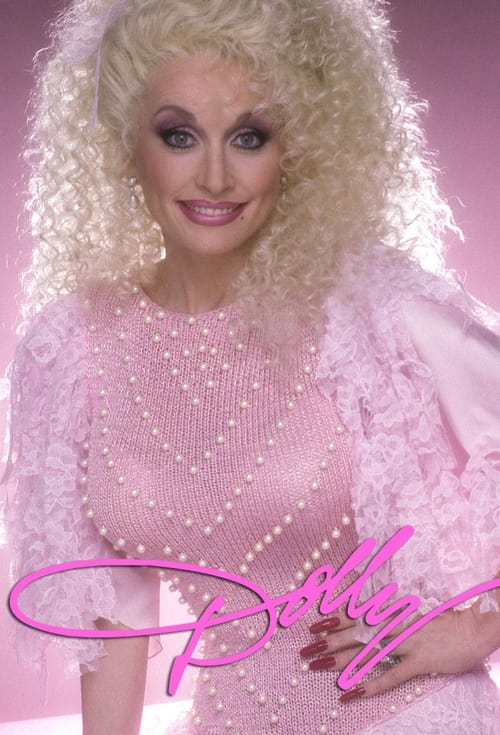
Dolly is a television variety show that ran on ABC during the 1987-1988 season featuring Dolly Parton.
1987
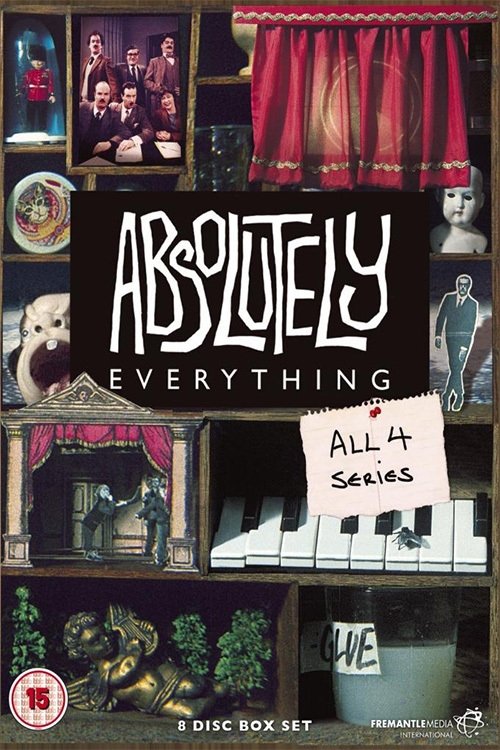
Absolutely is a popular UK television comedy sketch show shown on Channel 4 between 1989 and 1993. The cast and crew were mainly Scottish; the principal writers and performers were Moray Hunter, Jack Docherty, Peter Baikie, Gordon Kennedy, Morwenna Banks and John Sparkes. It was directed by Phil Chilvers, Alan Nixon, Alistair Clark, and Graham C Williams. The show's producers were Alan Nixon, and David Tyler
1989
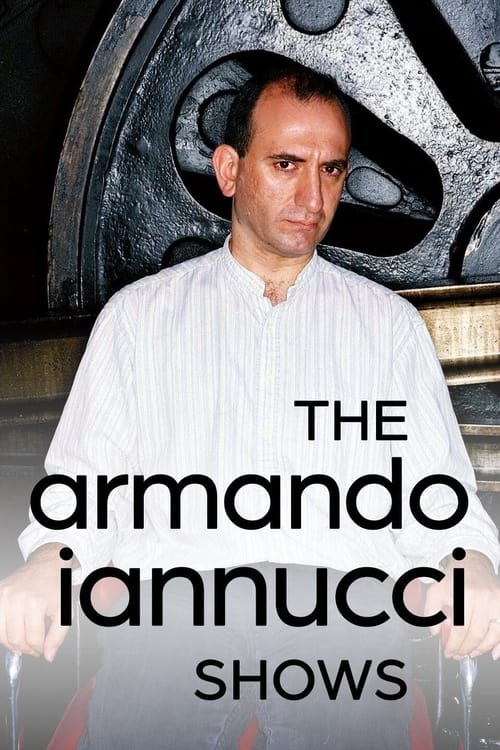
The Armando Iannucci Shows is a series of eight programmes focused on specific themes relating to human nature and existentialism, around which Iannucci would weave a series of surreal sketches and monologues. Recurring themes in the episodes are the superficiality of modern culture, our problems communicating with each other, the mundane nature of working life and feelings of personal inadequacy and social awkwardness. Several characters also make repeat appearances in the shows, including the East End thug, who solves every problem with threats of violence; Hugh, an old man who delivers surreal monologues about what things were like in the old days; and Iannucci's barber, who is full of nonsensical anecdotes.
2001
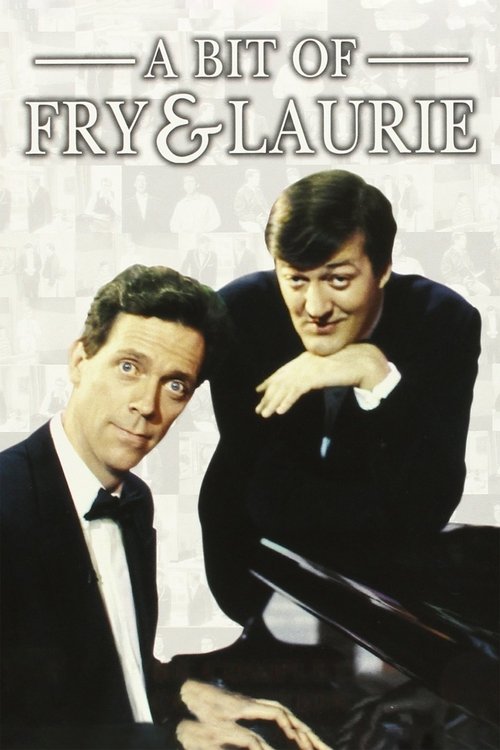
A British comedy television series with turns of phrase and elaborate wordplay, written by and starring former Cambridge Footlights members Stephen Fry and Hugh Laurie.
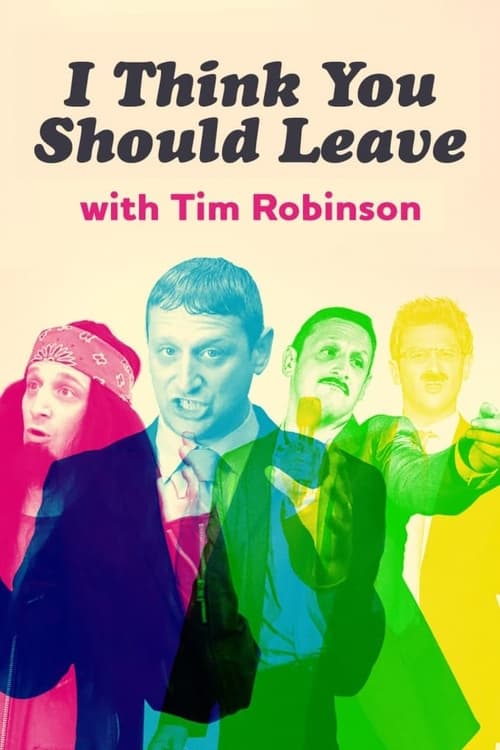
There is no such thing as an ordinary interaction in this offbeat sketch comedy series that features a deep roster of guest stars.
2019
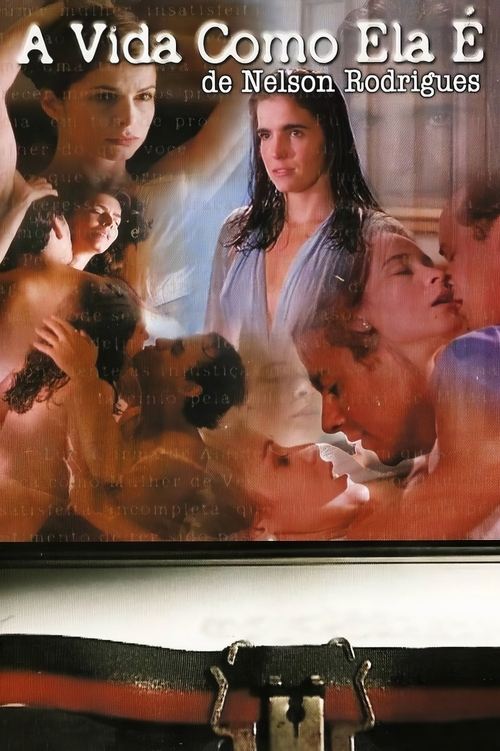
Adaptations of 40 short stories of brazilian playwright Nelson Rodrigues, written between 1951 and 1961. The stories were considered scandalous at the time as Rodrigues used immoral characters and black humor to satirize the hypocrisy and repression in people's daily lives.
1996
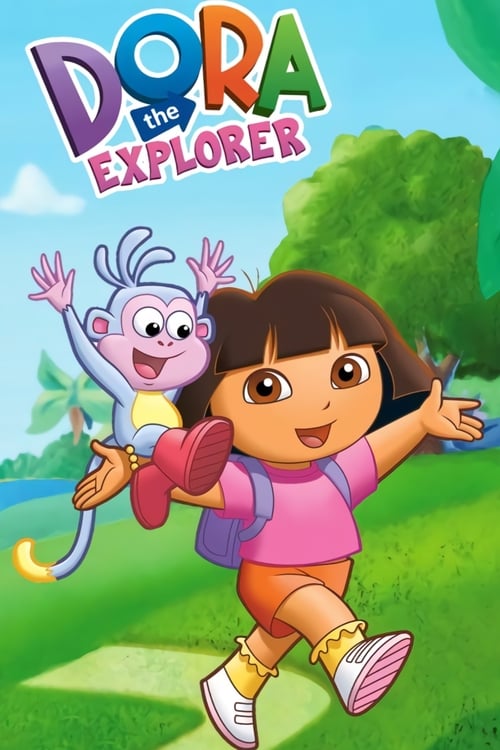
A young girl named Dora goes on adventures with her red boot-wearing monkey named Boots.
2000
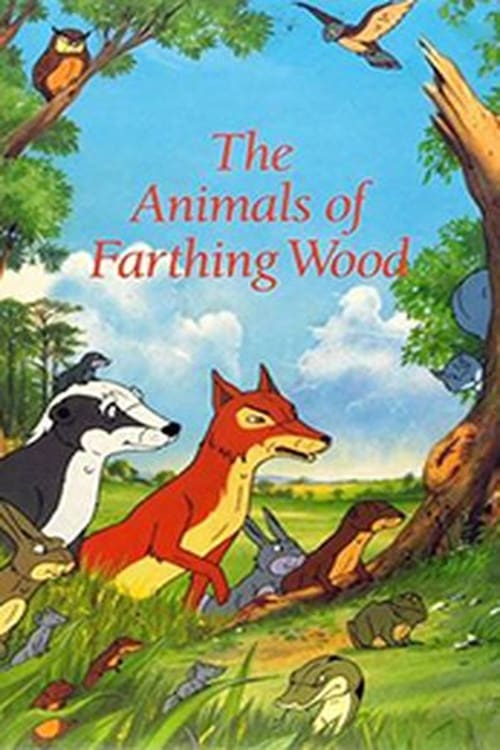
The Animals of Farthing Wood is an animated series created by the European Broadcasting Union between 1992 and 1995 and based on the series of books written by Colin Dann. It was produced by Telemagination, based in London, and La Fabrique, based in Montpellier in France, but also aired in other European countries. The first countries to air the series were Germany and the United Kingdom, in January 1993.
1993
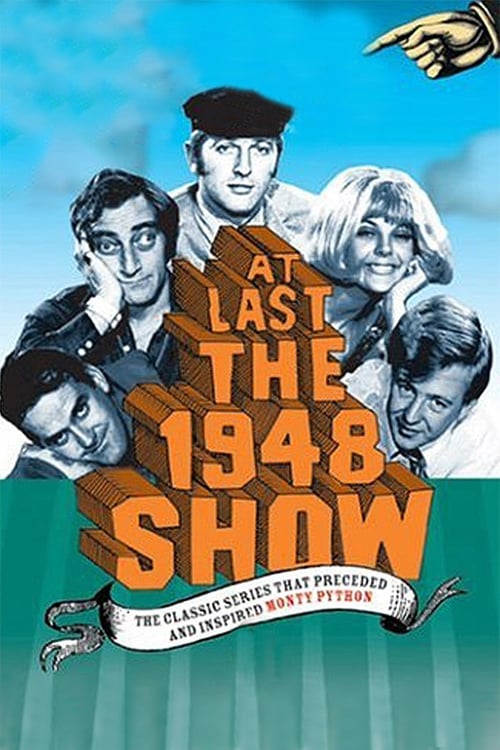
A groundbreaking, splendidly silly, surreal sketch comedy series written by and starring The Goodies' Tim Brooke-Taylor, Monty Python's Graham Chapman and John Cleese, and comedy legend Marty Feldman.
1967
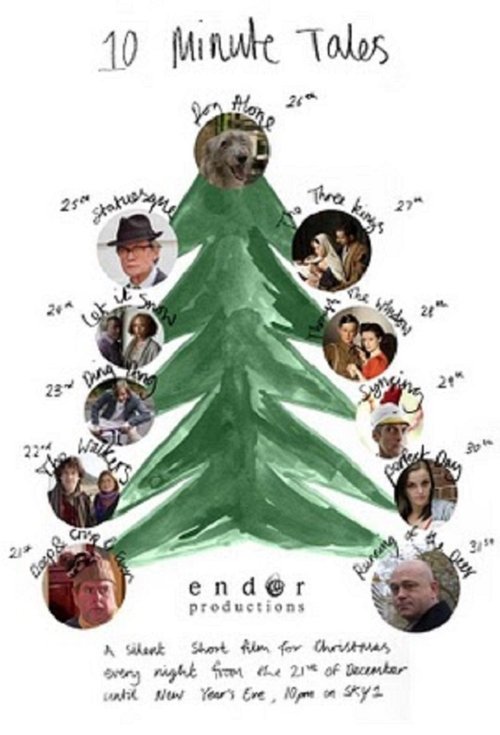
The biggest names in writing, acting and directing come together in a series of shorts on Sky1 HD this festive period. Experience a novel Noel with these original, uplifting and highly creative slices of silent cinema that prove actions do speak louder than words. Starring Mackenzie Crook, Bill Nighy, Peter Capaldi, Ross Kemp, and a host of major stars, each of the 10 Minute Tales promises to be a unique and engaging look at life, loss, and love.
2009
No description available.
1998
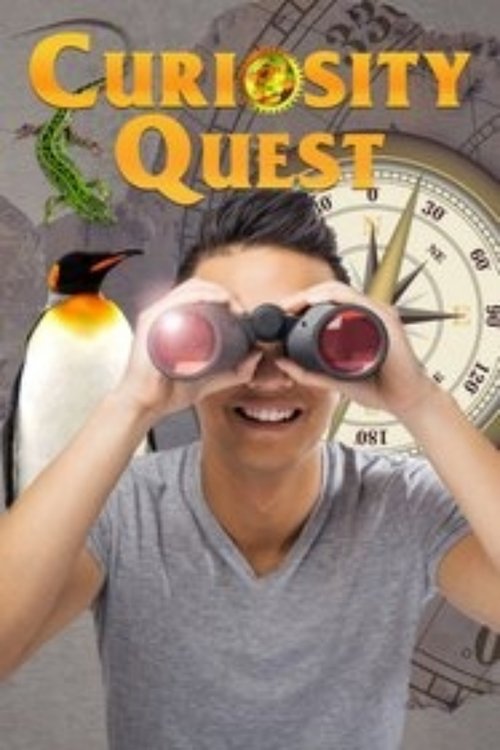
Curiosity Quest is an upbeat, family, educational program that explores what viewers are curiosity about. In each show, host Joel Greene ventures on a quest to answer viewer's letters of curiosity.
—
An anthology series that tells astonishing and thought-provoking stories of a reality just beyond the one we know. Each episode introduces viewers to a new cast of characters who must go on a surprising journey of self-discovery in a supernatural world of witches, aliens, ghosts and parallel universes.
2021
Sketch series with the comedians Johanna Nordström and Hampus Nessvold. In the small community of Västerköping lives the cashier Terese, "Väktar-Åsa", the twins Gittan and Bittan and the nurses Tim and Jeanette. The common denominator between them and all the other residents of the town is that they long for the weekend. Or as they themselves put it "Welcome to beautiful Västerköping. We eat, sleep, work and long for the weekend. Yes, we do."
1978