Season 1 · Episode 1
Democracy is widespread today - but what do we actually mean by the word? Participative democracy existed in ancient Athens, but not everyone could take part. But did the Greeks really have the first democratic government?
The Black Death was a catastrophe for Europe killing half of the population of the continent in the Middle Ages. But was it the worst pandemic ever? And how did it change the course of history?
Do we work more today than in the distant past? Hunter-gatherers often got by with little effort, and it was only with agriculture and industrial work that working hours exploded, so what might the future hold for our working lives?
For as long as we can remember, human beings have expressed belief in higher deities in art, rituals, and rules of behaviour. But is the idea in a higher power innately human? Or was it something we picked up along the way?
The Library of Alexandria was considered a treasure trove of knowledge - and its loss shows how fragile knowledge can be. What has been preserved over thousands of years has often been painstakingly preserved and copied. But whether on parchment, as a manuscript or on microchips - the decisive factor is how we use this heritage to build bridges between the past, present and future.
According to a widely believed story, the vibrator was the brainchild of male doctors who wanted to treat hysteria with orgasms. But behind this medical origin story lie not only bizarre errors but also aggression. Female pleasure was long considered dangerous, especially when women discovered it for themselves.
Advances in agriculture, hygiene and medicine have steadily increased average life expectancy throughout history. But even in the Stone Age, some people reached old age. Was life expectancy really much lower in the past?
Many believe that Hitler invented the Autobahn, boosting the German economy and solving unemployment in the process. But this is not actually true. So why do we think it is?
The steam engine marked the beginning of the fossil fuel era. But was it really this invention that triggered the Industrial Revolution? The search for answers takes us back to ancient times, to China, to Iceland... But never strays far from the coal mines of Great Britain.
A world without money? It is hard to imagine - but it did exist. But was bartering really the first form of exchange, with money gradually replacing it? And how did this happen?
What does what we wear reveal about our society? Who determines what is considered masculine or feminine? From Antiquity to the present day, this episode looks back at the history of trousers. Both practical and scandalous, how did trousers come to symbolise masculinity?
Beauty has shaped our thoughts and feelings from ancient times to the present day. Who do we find attractive? And why? Although many cultures share a similar vision of beauty criteria, there is still immense diversity. But one pattern persists: Attractive people have a clear advantage in life.
A caesarean has become a common way to give birth, but until the 19th century, it was a highly dangerous last resort. So did Julius Caesar really come into this world by C-section?
Did everyone think that the Earth was a flat disc until Christopher Columbus boldly attempted to prove otherwise ? How do we actually know that the Earth is round? And why do people still insist that it is not?
With chivalrous Knights, great castles and high adventure, the Middle Ages have always fascinated us. While fans of heroic tales may see it through rose-tinted glasses, others only see the dark side: Dirty bodies, stinking cities, and no proper toilets. The medieval period is often though to be the least hygienic in European history. But was that really true?
Military victories, efficient administration, flourishing trade, innovative technologies: the Roman Empire is the archetype of a successful empire. But after centuries of domination over the Western world, the empire suddenly collapsed. Myth or reality? An investigation into the demise of Rome and the power of a decline and fall story that is still seductive today.
Education is seen today as one of the pillars of a modern, democratic society. Yet its historical roots are more often found in authoritarian structures. This episode looks at how rulers - from the Spartans to the Prussians, systematically used school education to instil obedience and discipline in their subjects.
They sailed under the flag of the skull and crossbones - as the self-proclaimed enemies of all mankind. Pirates are seen as lawless thugs, proud of their reputation. But are we doing them justice by labelling them as criminals? This episode reveals a multi-faceted story in which power, morality and perspective play a central role.
The Tragedy of the Commons theory posits that a valuable and finite resource, freely available to everyone, will be overused and be at risk of destruction. But with common land shared for centuries in medieval Europe, is this really the case?
Who doesn't love pasta? It's conquered the world, but Italians love it most. But did they really invent it? We explore its history from ancient China through the Middle Ages to New York and 19th-century Italy. Where was spaghetti born, and why is food always political?
From Iceland’s women’s strike in 1975 right back to strong Viking women and the very first human settlements, was the past more equalitarian than we think? Can we find matriarchy rather than patriarchy in our 2.8 million years of human history?
No description available.
250,000 kilometres of borders stretch across the world todaya nd even on the oldest maps they are everywhere. But have borders always been with us? From the frontiers of the Roman Empire, past the Berlin Wall, to the European Schengen area, we take you on a fascinating trip through the origins of borders.
In the past, childhood did not exist: Children had to go out into the fields and work alongside adults from a very young age in a difficult like of toil… or so many people think. But was that really the case? Were the children of yesteryear really so different from youngsters today?
People eat meat - all over the world in the most diverse cultures. But have they always done so? And what is the truth of the theory that the human brain needed meat to grow? This episode embarks on an historical search for clues, from our ancestors in the African savannah to industrialised factory farming.
Jean-Michel Vanasse and Marilou Ethier set out to explore the world of new technologies that are transforming our relationship to sex.
2021
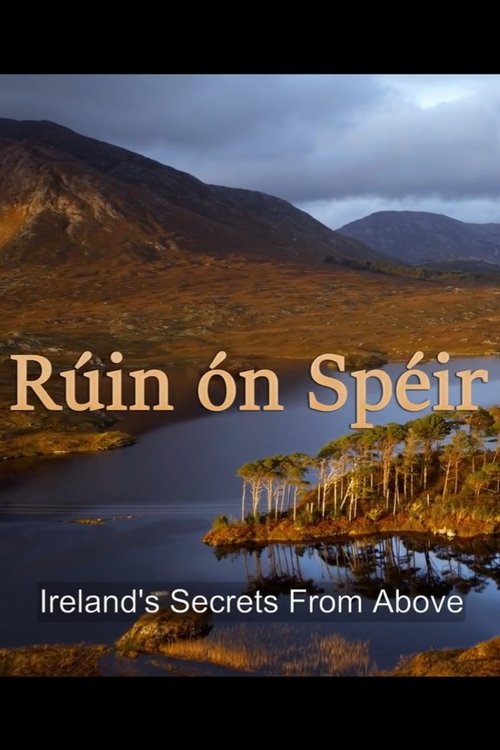
Ireland is a very different place, seen from above. Looking down, the secrets of our natural landscape, architecture, history and human experience come to light in new and unexpected ways. The hidden stories, memories and the mythologies of a nation, written into the very landscape itself. Filmed exclusively from on high using the latest drone technology, this 2 x 1 hour documentary series showcase Ireland, its splendours and its secrets like never before.
2022
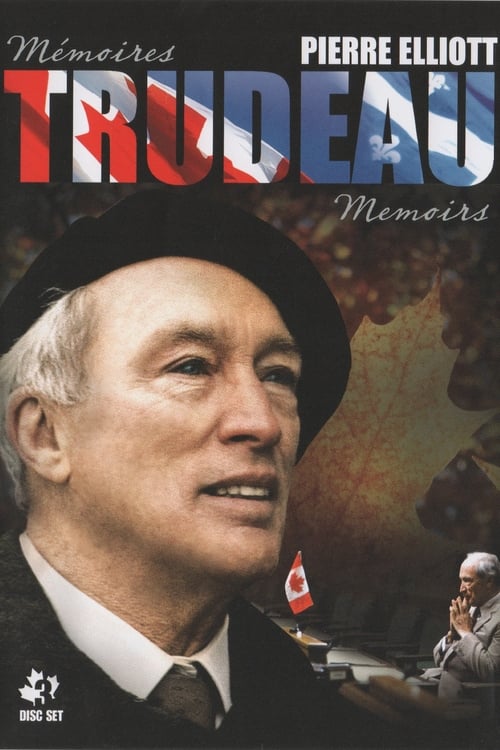
Pierre Elliott Trudeau was one of the most striking, well-spoken and controversial leaders in Canadian history. He brought with him an almost rock-star aura of popularity to office in the 1960s, marking what was known as "Trudeaumania" in Canada during one of the country's most exciting and important times. Yet Trudeau's eccentricities were regularly mistaken for arrogance and he was often considered a traitor, particularly by those who wanted to see Quebec separated from the rest of Canada. With the province rocked by terrorist bombings and the nation disturbed by civil unrest, Trudeau was determined to "put the country in its place." Through hours of archival footage and interviews with Trudeau himself, Memoirs details the story of a man who used intelligence and charisma to bring together a country that was very nearly torn apart.
—
Take a mind-blowing journey through human history, told through six iconic objects that modern people take for granted, and see how science, invention and technology built on one another to change everything.
2019
2024
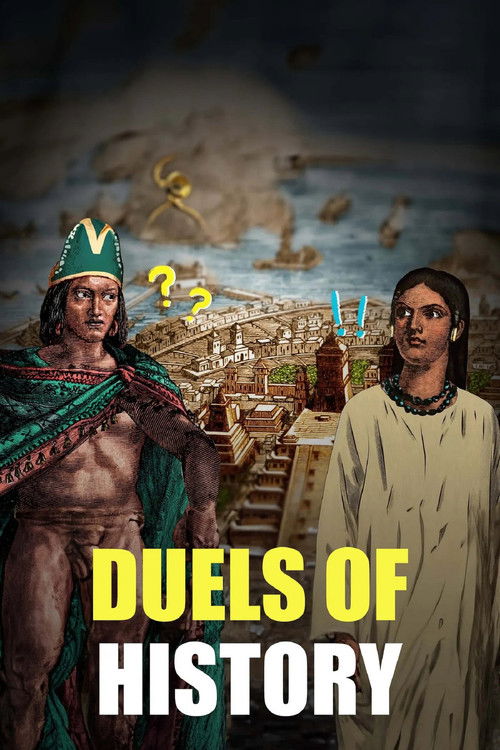
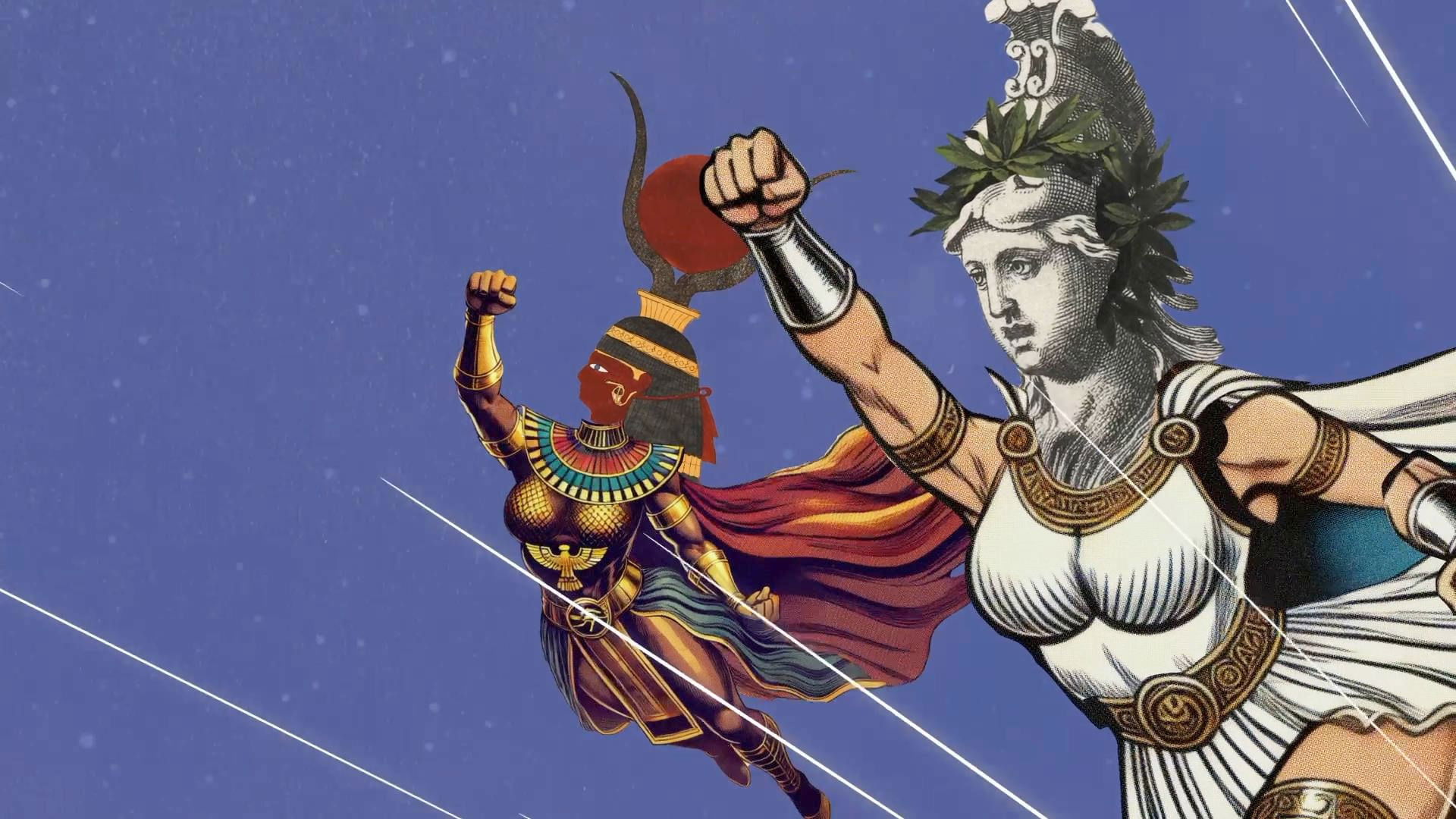
From Lucrezia Borgia to Malinche to Marie Curie: Women’s contributions have often been downplayed or misrepresented in the history books. Duels of History (re)tells their stories.
2023
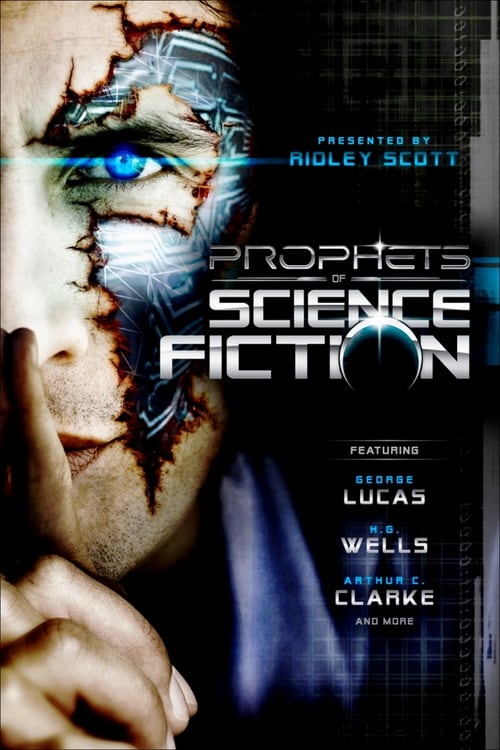
The series covers the life and work of leading science fiction authors of the last couple of centuries. It depicts how they predicted and, accordingly, influenced the development of scientific advancements by inspiring many readers to assist in transforming those futuristic visions into everyday reality.
2011
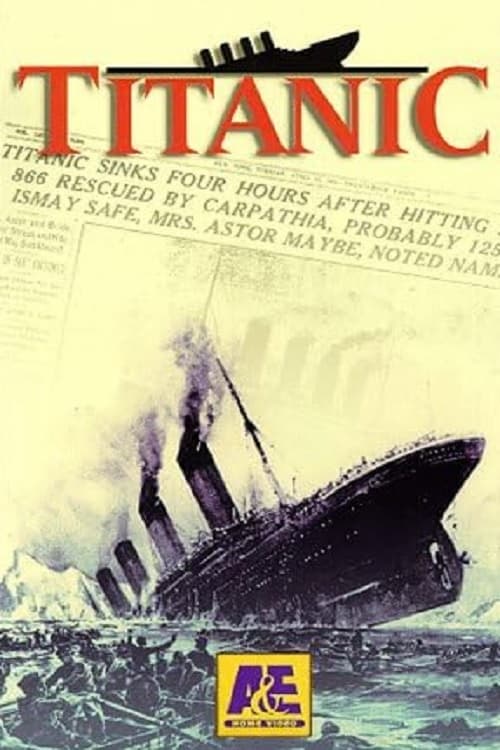
The story of the ill-fated ocean liner and the sinking that made it infamous.
1994
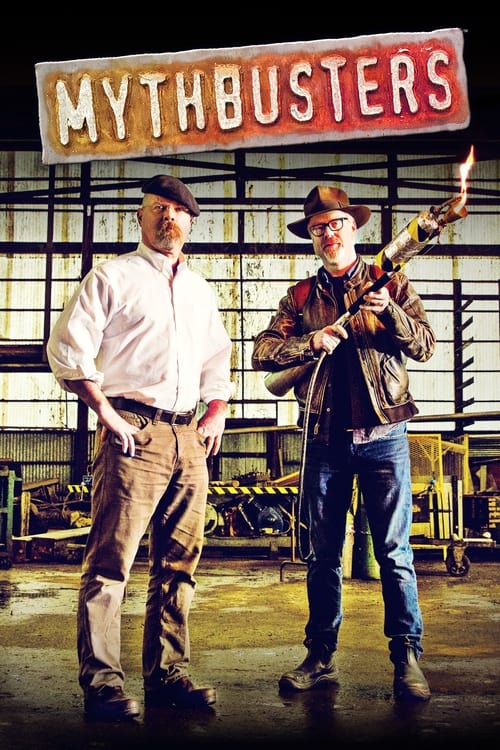
MythBusters is a science entertainment television program created and produced by Australia's Beyond Television Productions for the Discovery Channel. The show's hosts, special effects experts Adam Savage and Jamie Hyneman, use elements of the scientific method to test the validity of rumors, myths, movie scenes, adages, Internet videos, and news stories.
2003
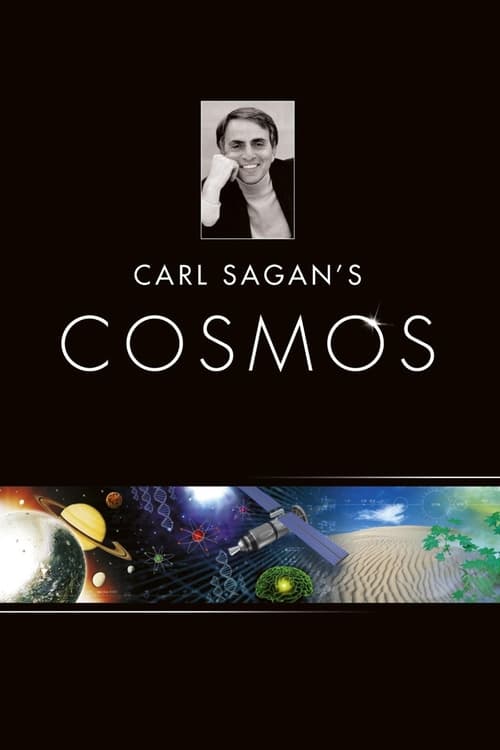
Carl Sagan covers a wide range of scientific subjects, including the origin of life and a perspective of our place in the universe.
1980
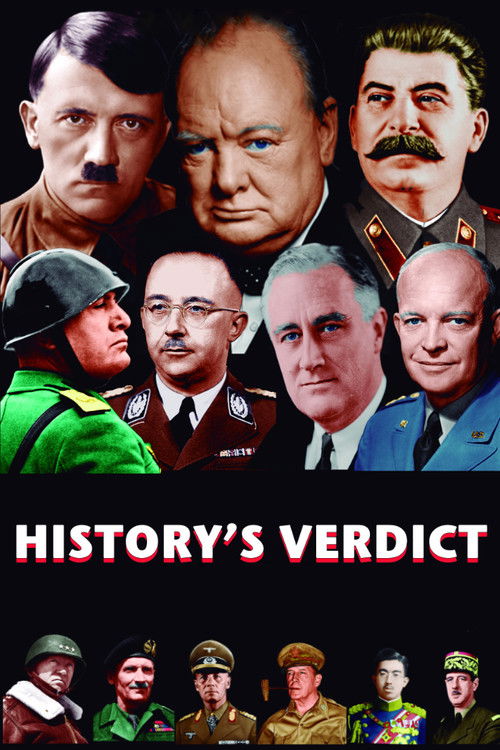
A group of history experts from London's King's College has created this documentary series that tries to assess the key political figures of WWII.
2013
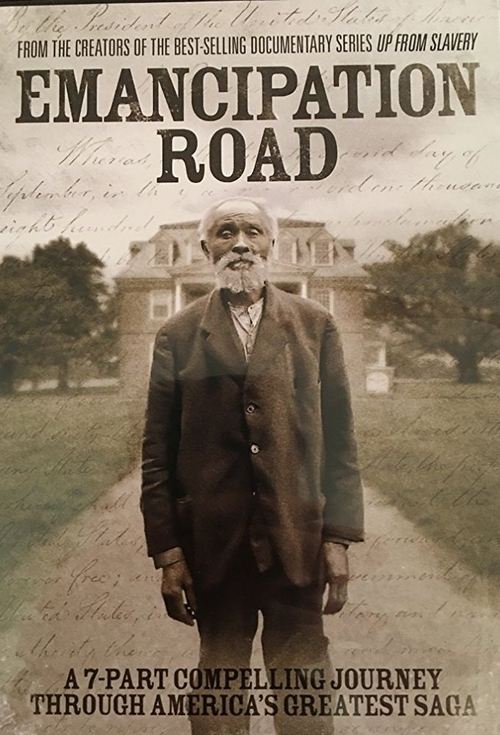
From The Creators Of The Best-Selling Documentary Series "Up From Slavery"... A 7-Part Compelling Journey Through America's Greatest Saga. In 1860, the nation founded upon an idea that all men are created equal and endowed by their creator with the inalienable rights of life, liberty, and the pursuit of happiness had as many as four hundred thousand slave-owners and almost four million slaves. By denying these rights to more than twelve percent of its population, America would soon pay with the blood of a generation. The story of African Slavery in America started with the first permanent English Colony in the 17th century... and ended with the Civil War. But those two hundred and fifty years of struggle were just the beginning. The beginning of a journey down the long Emancipation Road...
2014
The Howard Years was a documentary series about the prime ministership of John Howard produced by the Australian Broadcasting Corporation. It was divided into four one-hour episodes - one episode for each term Howard served as Prime Minister of Australia - and originally broadcast on ABC1 from 17 November to 8 December 2008.
2008
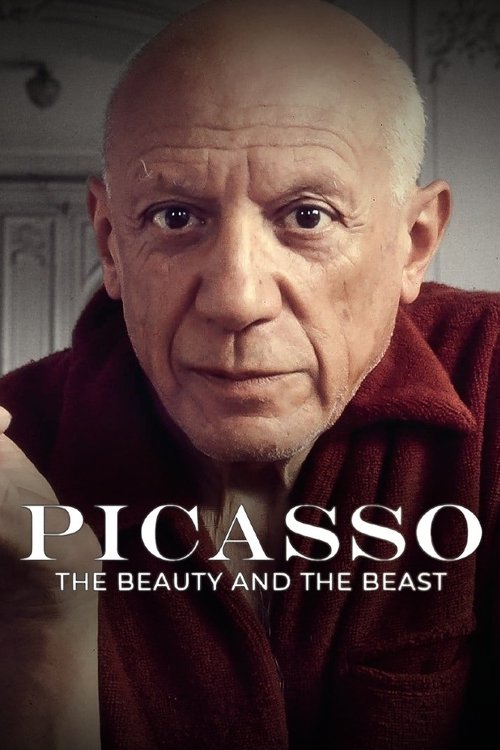
His art changed the way we see the world - now change the way you see the artist. An unflinching look at Picasso's legacy, and the horror and brilliance of what he left behind. Family, friends and experts reassess the tumultuous artistic and personal life of Pablo Picasso, one of the greatest and most provocative artists of all time.
2007
The history of mankind is a never-ending story of change, revolution, and evolution, but surely no span of a hundred years can claim to have changed the world so dramatically as the Twentieth Century. In this series we examine the 101 Events which, in the judgment of experts, including those who contribute to the series, most influentially shaped the century, our world, and our way of life.
2018