Season 1 · Episode 1
Thanks to the latest scientific techniques, Philippe Charlier investigates the diseases/pathologies that afflicted Jean-Paul Marat and Maximilien Robespierre before their deaths
In a display case at the Musée de l'Homme, a skull covered with Latin inscriptions has rested since the 19th century. It is thought to be that of René Descartes. Separated and preserved apart upon the French philosopher's death, this skull, which became a relic, would pass from hand to hand over the centuries. Will Philippe Charlier succeed in authenticating it thanks to the innovative techniques used in forensic medicine?
From Lucrezia Borgia to Malinche to Marie Curie: Women’s contributions have often been downplayed or misrepresented in the history books. Duels of History (re)tells their stories.
2023
The Hundred Years’ war between England and France gave us the victories of Crecy and Agincourt, and made the reputations of Edward III and Henry V. It gave France a national heroine in Joan of Arc. But, even now, the jury is out as to its causes and outcome. Was it the final swansong of a redundant knightly class whose only reason for being was to fight? Was it a battle over ever more important territory to the emerging economies of England and France? Or was it the painful birth of two distinct national identities, forged through their long and violent divorce? Dr Janina Ramirez guides us through the stories of kings, great knights, bloody battles and cultural triumphs of this momentous conflict.
2013
From Bonaparte to Casanova, history is cast in the light of famous escapes from various European countries.
1972
No description available.
2012
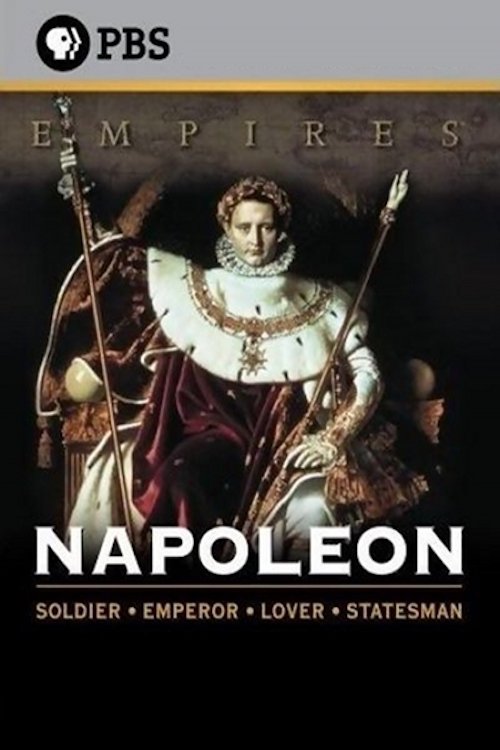
Historian Andrew Roberts journeys through the history and geography of Europe to bring the story of Napoleon vividly to life as he retraces the footsteps of the legendary leader himself.
2015
2024
2019
Napoleon's extraordinary rise from obscure military man to hero of the French people convinces him that he is destined for greatness.
2000
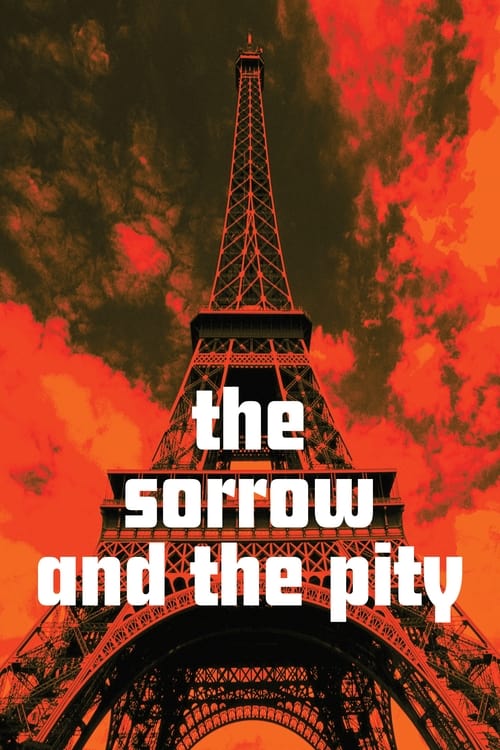
An investigation into the nature, details and reasons for the collaboration, from 1940 to 1944, during World War II, between the Vichy regime, established in the south of France and headed by Marshal Pétain, and Nazi Germany.
1969
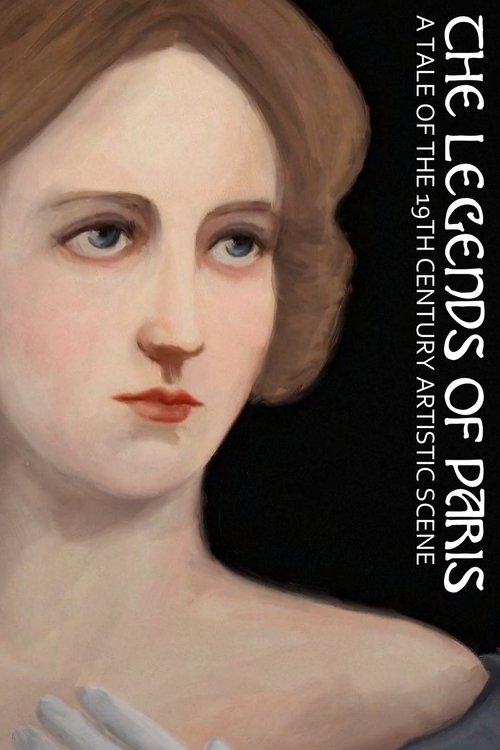
During the turbulent 19th century, a number of brilliant French artists developed the Romantic movement in Paris: writers Victor Hugo, Alexandre Dumas, George Sand, Honoré de Balzac and Charles Baudelaire, painter Eugène Delacroix and composer Hector Berlioz, among others, changed the way of looking at art and created enduring works that have inspired the world to this day.
2016
2011
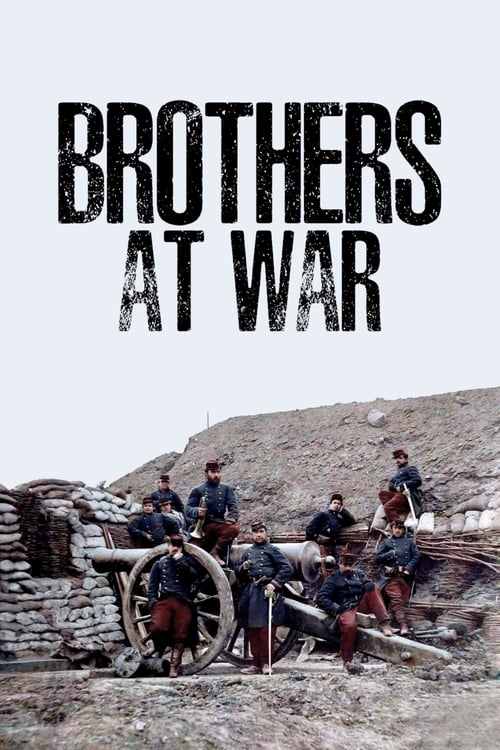
A look back at a cruel conflict, the Franco-Prussian War (1870-71), which changed the political geography of Europe and sowed the seeds of a deep antagonism between France and Germany that culminated in two world wars. Excerpts from the diaries of the witnesses, photographs and painted panoramas tell the truth about a forgotten war.
2020
Featuring the minute-by-minute accounts of the brave soldiers who crossed deep into enemy territory in 1942, recounting these heroic top-secret operations.
2025
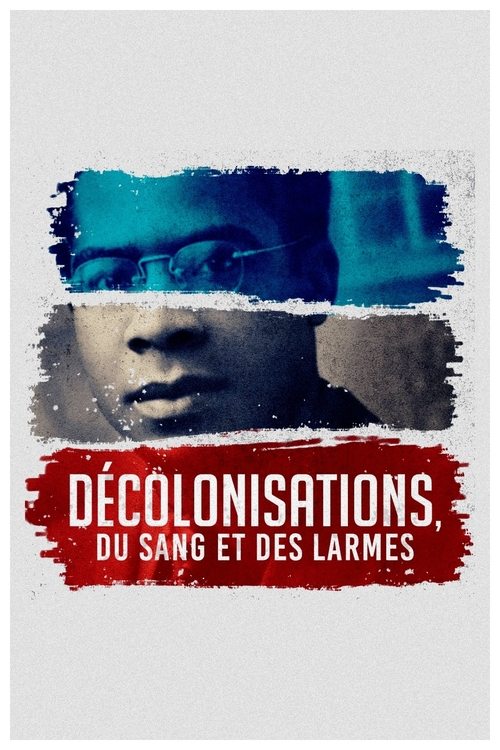
After World War II, the French colonial empire, which dominated the lives of over 110 million people on five continents, collapsed in just under a quarter century of blood and tears.