Season 1 · Episode 1
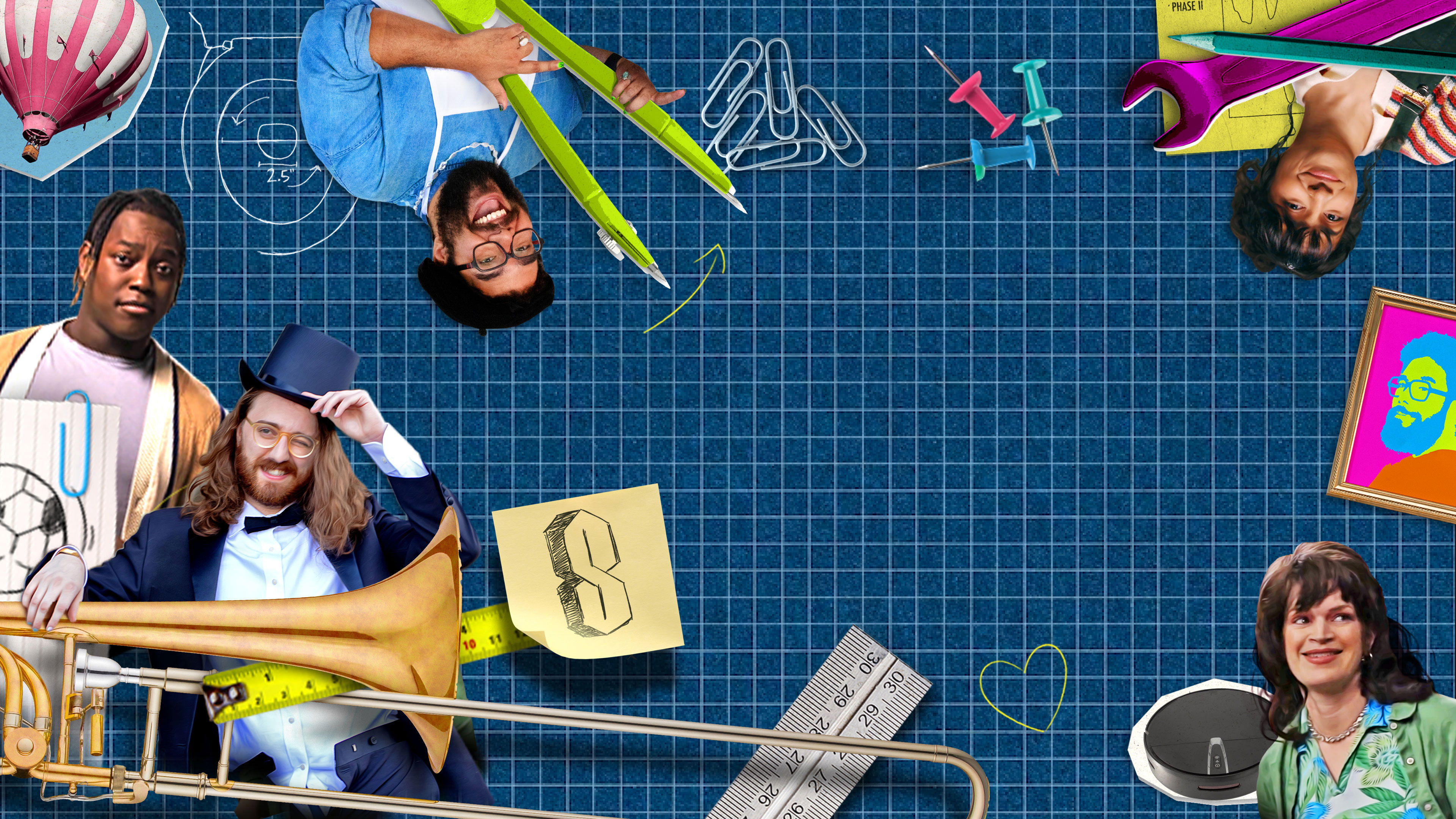
Brian explores if physics can help with hitting a musical note. Ele attempts to beat a pro athlete at their own game. Ify examines how much jazz can fill up a balloon.
Oscar wonders if you can use a paintball gun to create a work of art. Ify tries to prove that comedians can beat pro athletes. Rekha investigates the history of the Cool S.
Rekha inquires if roombas can have sex. Oscar continues to test if comedians can beat pro athletes. Ify asks is it possible to ferment alcohol using a Twinkie.
Oscar tests if you can give yourself a kink. Brian finds the quickest way to deliver video files. Ele ponders if you can dye your hair the same color as your skin.
Ele tries to not set off a motion detector. Brian sets out to show that a comedian can beat a pro athlete. Ify explores if everyone can be the same level of drunk.
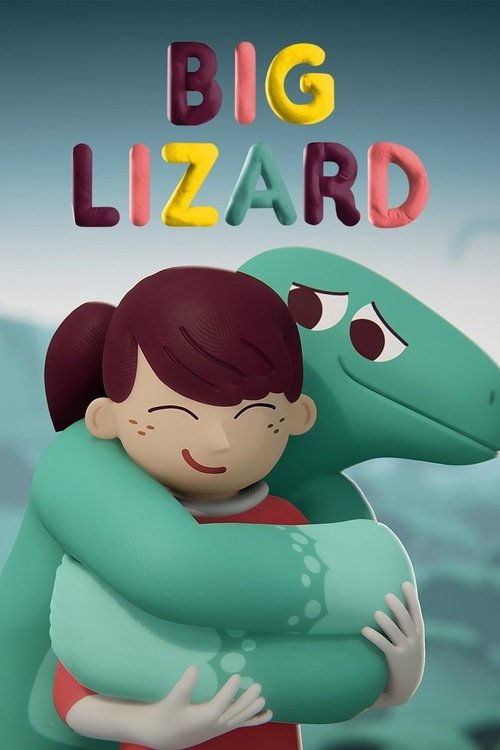
The cosmic adventures of astronauts Cosima and Dad on Proxima B, where they meet larger-than-life Big Lizard!
2024
Newton's Apple is an American educational television program produced and developed by KTCA, and distributed to PBS stations in the United States that ran from 1983 to 1999. The show's title is based on the rumor of Isaac Newton sitting under a tree and an apple falling near him—or, more popularly, on his head—prompting him to ponder what makes things fall, leading to the development of his theory of gravitation. The show was produced by Twin Cities Public Television. For most of the run, the show's theme song was Ruckzuck by Kraftwerk, later remixed by Absolute Music. Later episodes of the show featured an original song. An occasional short feature appeared called "Science of the Rich and Famous" in which celebrities appeared to explain a science principle.
1983
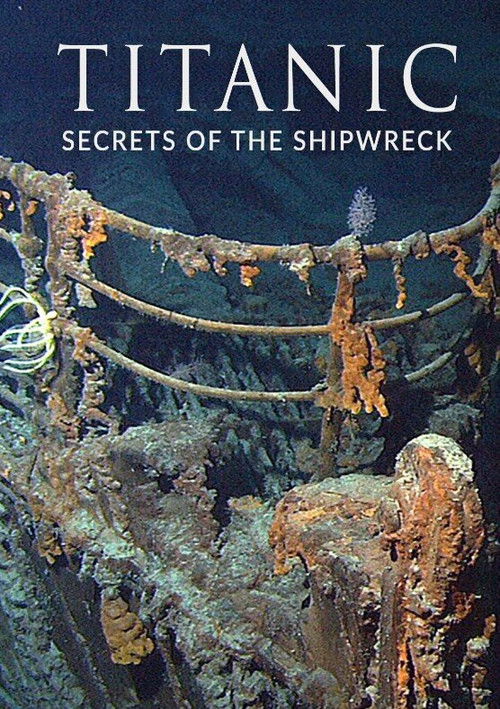
For seven decades after its tragic sinking, the Titanic lay undiscovered on the ocean floor. This compelling two-part documentary tracks the search for the wreck across the depths of the Atlantic.
2025
The chronicles of history that was never covered in high school. The extreme, the unexpected, the untold and the flat-out weird parts of history. Because as weird as people seem today, we don't hold a candle to history.
2018
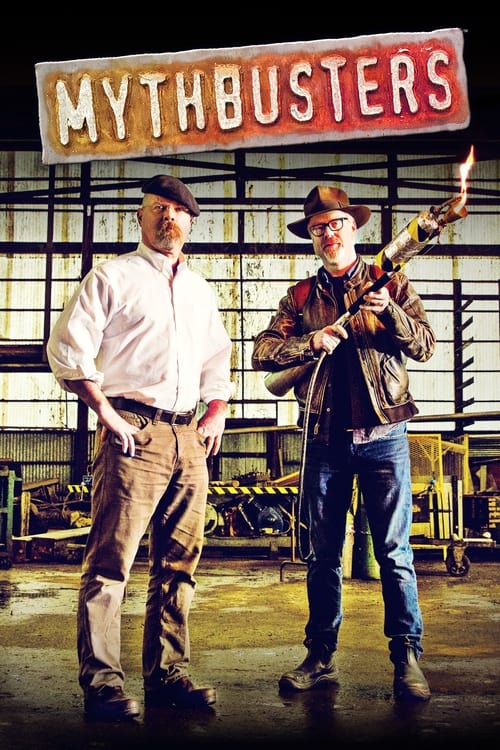
MythBusters is a science entertainment television program created and produced by Australia's Beyond Television Productions for the Discovery Channel. The show's hosts, special effects experts Adam Savage and Jamie Hyneman, use elements of the scientific method to test the validity of rumors, myths, movie scenes, adages, Internet videos, and news stories.
2003
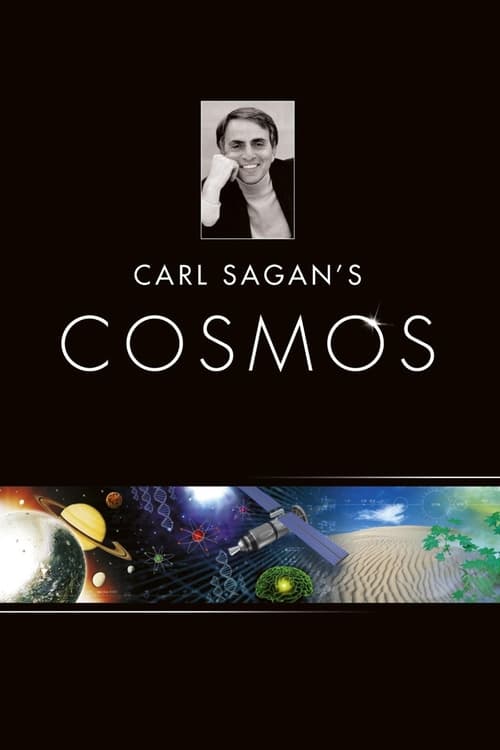
Carl Sagan covers a wide range of scientific subjects, including the origin of life and a perspective of our place in the universe.
1980
Horizon tells amazing science stories, unravels mysteries and reveals worlds you've never seen before.
1964
No description available.
The stories behind innovations such as TV, radio, phones, airplanes, motorcycles and power tools as well as the inventors including Nikola Tesla, William Harley, Alexander Graham Bell, Duncan Black and Alonzo Decker.
2021
An educational series that explains everyday objects and makes complex science accessible through experiments and playful explanations. It shows how discoveries like waves enabled the smartphone, and explores radioactivity, dark energy, and blood circulation, featuring Curie, Röntgen, Newton, and Einstein, showing science is understandable and engaging.
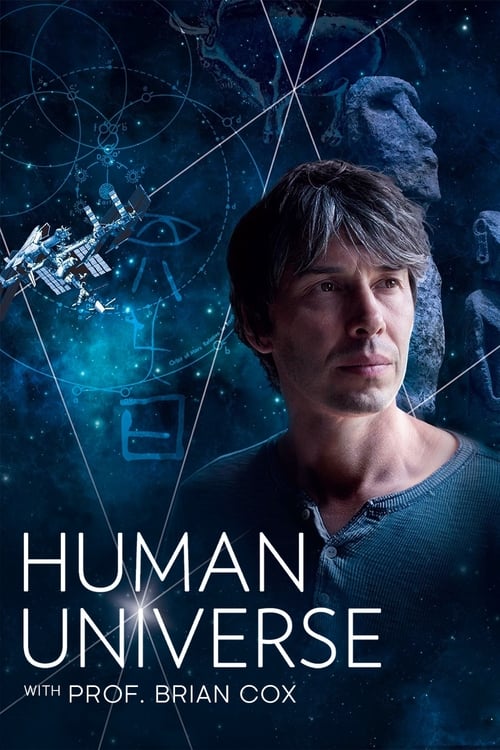
Professor Brian Cox asks the biggest questions we can ask. Are we alone? Why are we here? What is our future? Join him in a stunning celebration of human life as he explores our origins, our place and our destiny in the universe.
2014
Explore the future with a series of programmes and interactive digital content. Hosted by Brian Cox.
2010
HISTORY’s longest-running series moves to H2. Modern Marvels celebrates the ingenuity, invention and imagination found in the world around us. From commonplace items like ink and coffee to architectural masterpieces and engineering disasters, the hit series goes beyond the basics to provide insight and history into things we wonder about and that impact our lives. This series tells fascinating stories of the doers, the dreamers and sometime-schemers that create everyday items, technological breakthroughs and manmade wonders. The hit series goes deep to explore the leading edge of human inspiration and ambition.
1993
What would we be without mucus? Can we live on water? How much does life weigh? Finding out the answers is the aim of ARTE's new science show. In a nod to Douglas Adams's "Hitchhiker's Guide to the Galaxy", where the figure 42 is the ultimate answer to all questions, 42 tries to provide the answers.