Season 1 · Episode 1
The first episode in the series sets the scene and tells the fascinating story of the origins of the war and explains how Sir Henry Bartle-Frere engineered the British invasion of Zululand.

The appalling disaster at Isandlwana was received with horror in Britain and the Government did all it could to maximise the news of the momentous events at Rorke's Drift.
This episode tells the story of the bloody second and final phase of the war during which the British exacted terrible retribution on the Zulu nation and humiliated King Cetshwayo.
Following one of the few women in Britain to helm an auction house, Irita Marriott. The series follows her as she builds her business in south Derbyshire, helping vendors make money from unwanted items.
2024
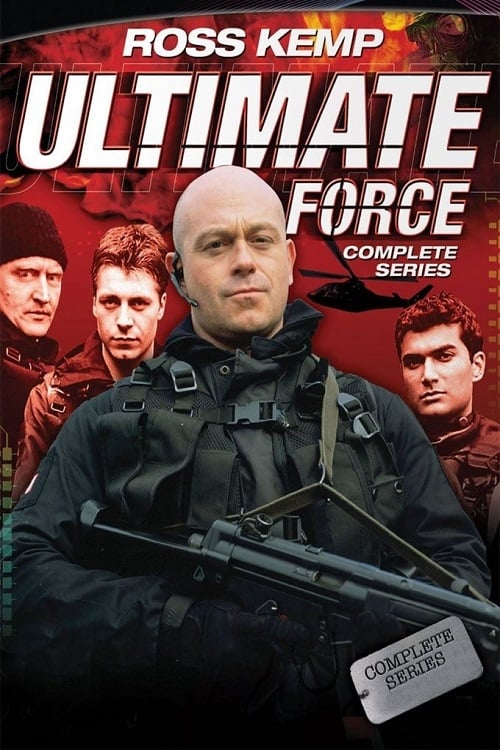
This covert combat series focuses on the Red Troop, an elite group of soldiers from the British military's Special Air Service group.
2002
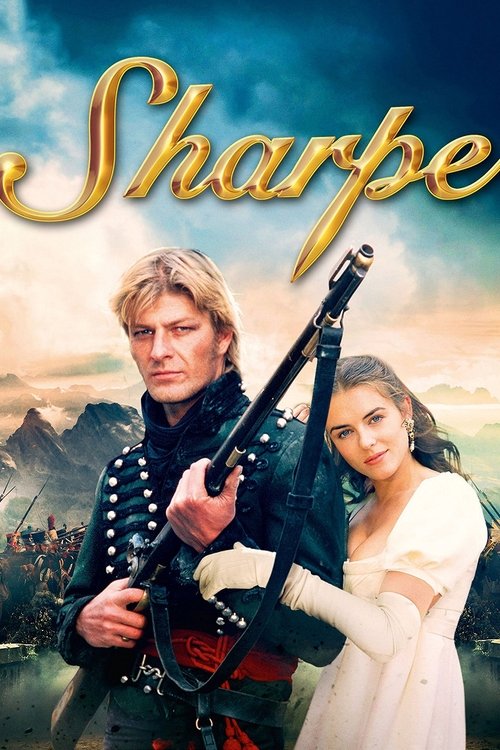
Sharpe is a British series of television dramas starring Sean Bean as Richard Sharpe, a fictional British soldier in the Napoleonic Wars. Sharpe is the hero of a number of novels by Bernard Cornwell; most, though not all, of the episodes are based on the books. Produced by Celtic Films and Picture Palace Films for the ITV network, the series was shot mainly in Turkey and the Crimea, although some filming was also done in England, Spain and Portugal. The series originally ran from 1993 to 1997. In 2004, as part of ITV's new set of drama, ITV announced that it intended to produce new episodes of Sharpe, in co-production with BBC America, loosely based on his time in India, with Sean Bean continuing his role as Sharpe. Sharpe's Challenge is a two-part adventure; part one premiered on ITV on 23 April 2006, with part two being shown the following night. With more gore than earlier episodes, the show was broadcast by BBC America in September 2006.
1993
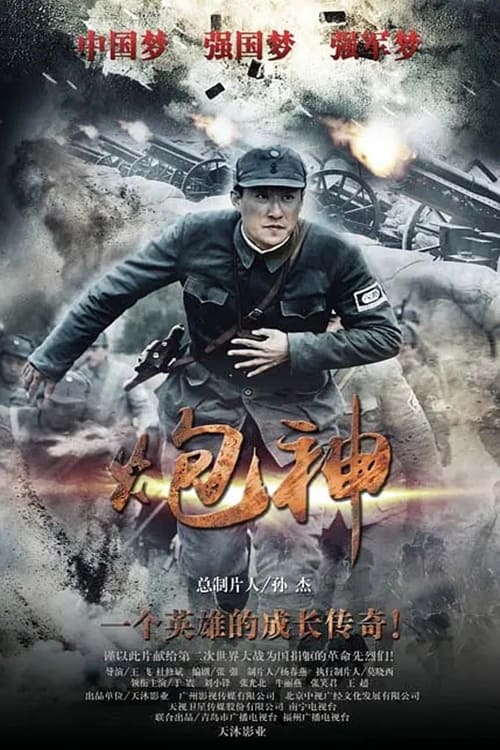
It tells the story of Yang Zhi Hua, a mafu soldier, who became a "gun god" after a series of baptisms of war.
2015
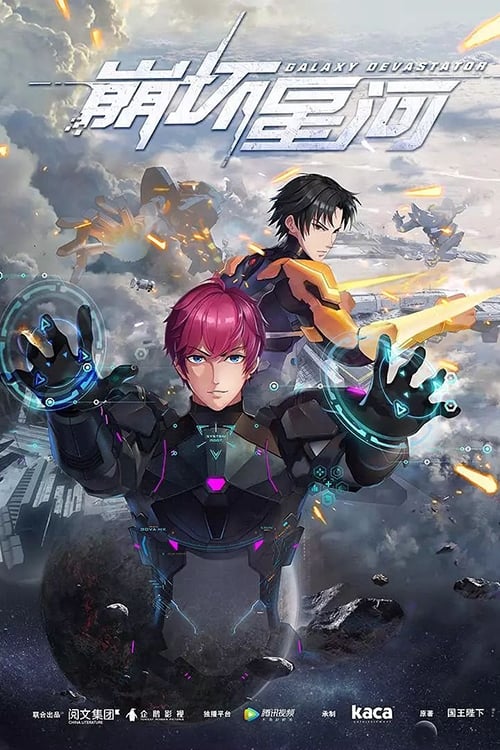
With the opening of the interstellar colonial era, humanity finally spread the core values of civilization to the entire galaxy. The warship cannon that destroyed the planet ignited a fire of positive energy for the dark and cold universe.
2019
No description available.
1983
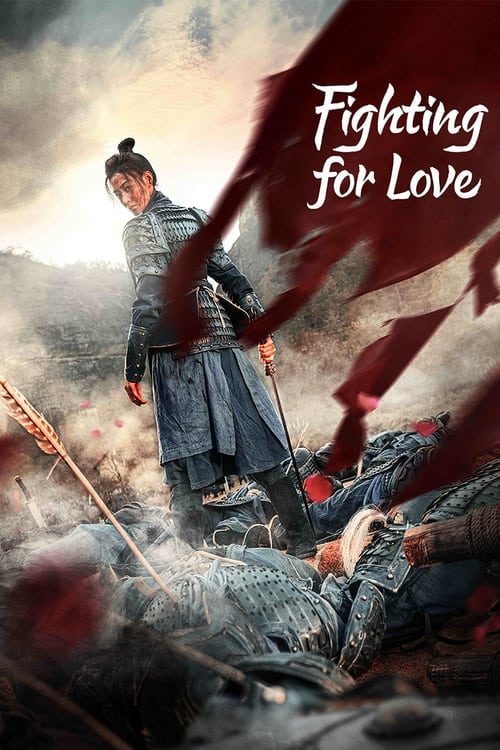
After her family is killed by her childhood sweetheart, A Mai disguises herself as a man to seek revenge. Along the way, she rescues a royal heir, joins the military, and rises to commander through her battlefield successes. As war intensifies, A Mai is torn between duty, loyalty, and the pain of her past while uncovering hidden truths that will shape the fate of the nation.
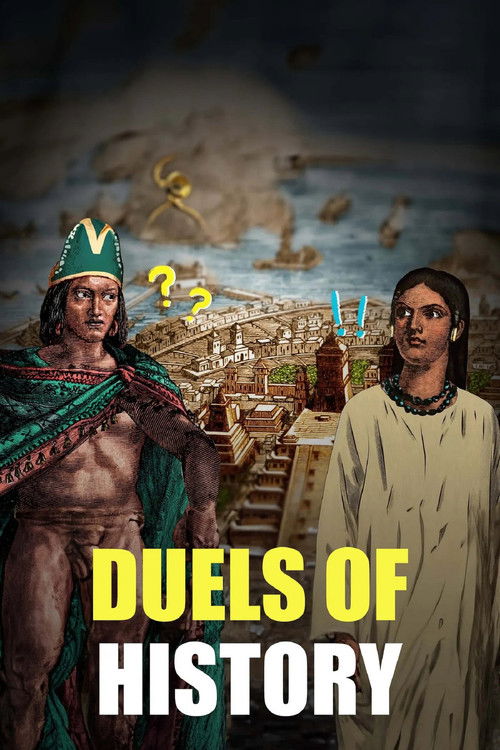
From Lucrezia Borgia to Malinche to Marie Curie: Women’s contributions have often been downplayed or misrepresented in the history books. Duels of History (re)tells their stories.
2023
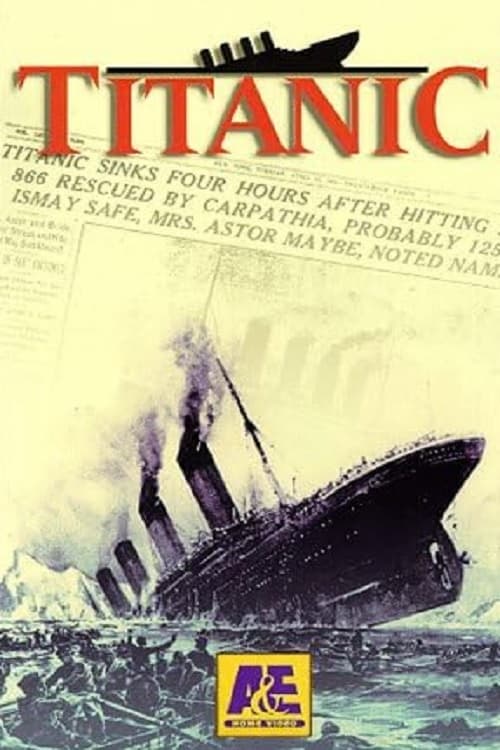
The story of the ill-fated ocean liner and the sinking that made it infamous.
1994
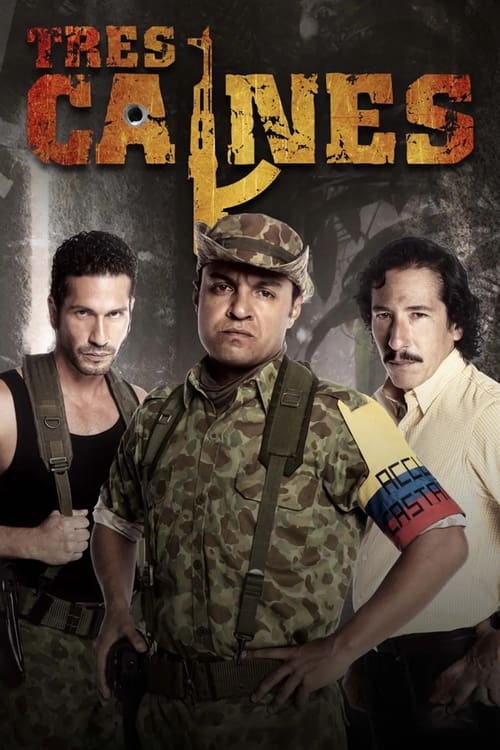
The story follows the Castaño Gil family, a prosperous cattle ranching family marked by the kidnapping and murder of patriarch José Castaño by the guerrilla. This event triggers the decision of brothers Fidel, Vicente, and Carlos to form a self-defense army to fight the guerrillas, intensifying the armed conflict in Colombia. However, what seemed like a unified struggle is threatened by betrayal.
2013
Coverage of the annual Sydney Gay and Lesbian Mardi Gras.
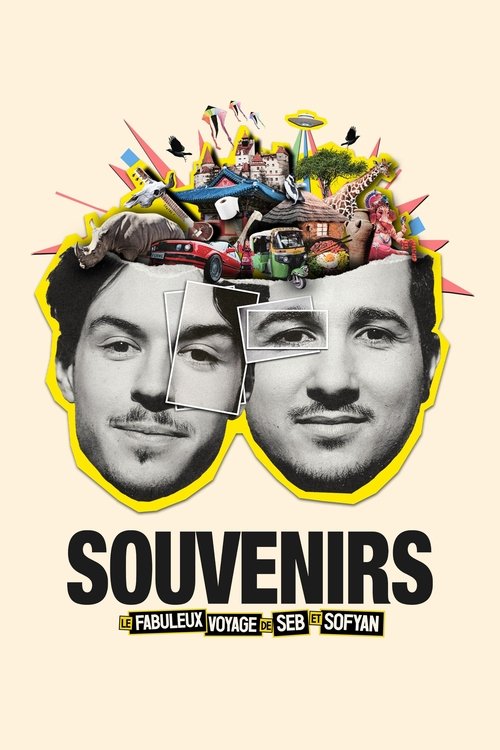
Two friends, Seb and Sofyan, travel to four different countries and do the most unusual things.
2025
When a giant robot suddenly attacks the city, a high-school student named Aoba is saved by a classmate who's piloting her own mecha. After accepting an offer to join the alliance she's is a part of, Aoba is thrust into the middle of high-flying robot warfare.
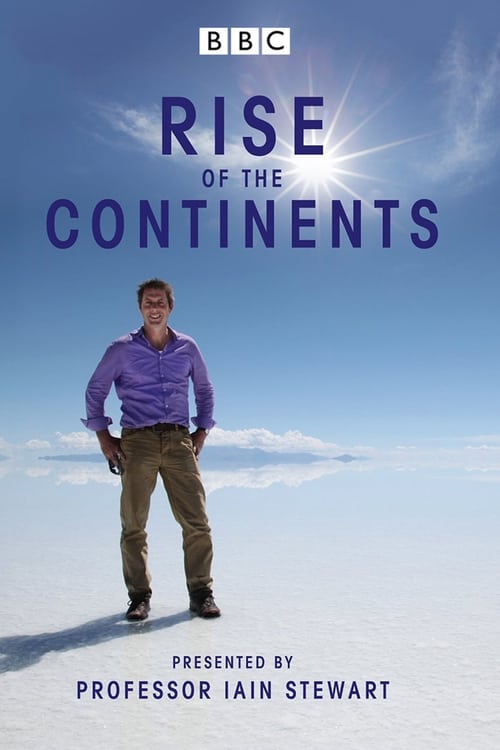
The Earth’s continents are instantly recognizable. These iconic landmasses seem permanent and unchanging, yet they are merely the wreckage of a much larger long-lost supercontinent – Pangaea. In this stunning four part series Professor Iain Stewart uncovers the evidence for this ancient past. He reveals how the world around us is full of clues – in the rocks, the landscapes and even the animals. All of which tell us how the land we live on was created.
1999
During the 22nd Century, science and technology had advanced beyond ethical bounds, so most of mankind reversed course. Eventually, global dictatorships violated the United Nation's Bioethics Treaty, secretly stockpiling arms. As a result, an oblivious America was attacked. Retaliation with augmented nuclear weaponry had unforeseen effects, affecting most survivors in the Western Hemisphere and altering the rest. Those infected became ravenous beasts, feeding off the remaining population. But pockets of humanity remain.
2011