Season 1 · Episode 1
The host presents some interesting facts and stories about Yokozuna, the top rank of all Sumo ranking which requires the wrestlers to climb up the rank by winning tournaments and being selected by the officials.
In sumo, the tachiai (initial charge) can have a big impact on the outcome of a match.
Here are a few of the 82 recognized winning techniques used in Grand Sumo.
The gyoji plays several indispensable roles during a sumo tournament.
Chanko-nabe is a hearty meal that builds the massive bodies of sumo wrestlers and gives them the energy to train.
The Kokugikan is a sports stadium in Tokyo where Grand Sumo tournaments are held several times a year.
The dohyo is the sacred ring where sumo wrestlers face off during tournaments.
Before a sumo match can begin, several rituals are required to clear the air and expel evil spirits.
See what goes in to making the mawashi that sumo wrestlers wear during bouts.
Learn the basics of the Yokozuna Ring-Entering Ceremony that precedes top division matches.
Flash back to the 1990s when the fierce rivalry between Akebono and Takanohana lit up the world of GRAND SUMO.
Have you ever wondered what's in the stack of envelopes that sumo wrestlers receive after winning a bout?
The traditional clothing worn by the Gyoji (referee) in the sumo ring play an important role in carrying out their duties.
In cases where the outcome of a sumo bout could go either way, ringside judges can dispute the call with a "mono-ii."
Sumo wrestlers stand out in a crowd thanks to their massive build, mawashi belt and, of course, their iconic hairstyle known as "mage."
Sumo wrestlers don't just win glory when they are crowned champion at a tournament. They also get their hands on a wide variety of prizes, ranging from cash to an entire cow-worth of beef.
The gyoji (sumo referee) keeps bouts in order with a lexicon that's exclusive to the sport.
Before top division bouts begin, wrestlers perform a ring entrance ceremony wearing colorful keshoumawashi (brocaded aprons) that express fighting spirit and individuality.
The host gives an in-depth view of the long-standing history and the making of the Sagari belt cords worn by wrestlers during combat.
After the completion of a day's bouts, the ritualistic yumitori-shiki is performed with a traditional bamboo bow in order to fend off evil spirits.
Grand Sumo in Japan witnesses wrestlers from more than 20 nations and many of them have made their marks on the national stage.
Sheds light on the rankings in Japanese traditional sumo, called banzuke, highlighting the importance of rankings and how wrestlers can be affected by them.
Stables are where wrestlers eat, sleep, and breathe sumo.
Sumo wrestlers train their bodies through a strict daily regimen of exercises known as "keiko" to gain the speed, power, and agility needed in the tournament ring.
Learn all the twists and turns required to properly wear the mawashi (belt) that sumo wrestlers are famous for.
Seeing GRAND SUMO in person is a popular attraction for visitors to Japan. Here's all you need to know before you go.
Yorikiri (frontal force out) is one of the most common moves in sumo. The concept is simple, but mastering it is not easy.
Get a grip on some of sumo's dynamic throwing techniques.
See how an intense training regimen and a strict bulking diet transformed a lanky 80 kg 15-year-old boy into one of the greatest sumo wrestlers to ever set foot in the ring!
Using any of these forbidden moves in sumo is grounds for disqualification.
The iconic roof floating above the GRAND SUMO ring has its roots in history, but it's actually an invention to solve a modern conundrum.
Ozeki is the second-highest rank in sumo wrestling, and although it is not the top rank, the wrestlers still face tough challenges.
In addition to building and tearing down the ring for every tournament, these men do whatever it takes to keep the bouts moving along without a hitch.
An upset victory of a maegashira sumo wrestler against a yokozuna is known as kinboshi, or gold star victory.
The act of tossing salt into the sumo ring before a bout is a purification ritual, but that doesn't mean that wrestlers can't sprinkle a dose of personality into how they go about it.
Although many sumo bouts are won through pushing and thrusting, sweeping the leg of an opponent can also earn a wrestler a trip to the winner's circle.
Highly-ranked sumo wrestlers leverage their strong grasp of yotsu-zumo fighting styles that target the belt of their opponent to win bouts.
Pushing and thrusting (tsuki-oshi) is one of the most basic styles of sumo wrestling, and it's also one of the most effective when done right.
Ever wondered what sumo wrestlers are doing with their hands after they've won a bout?
A prize is given to any wrestler who has met criteria during a sumo tournament and is below the Ozeki and Yokozuna rank.
Enriching the sumo experience with information on the techniques, traditions and famous wrestlers of the past. The rules may be simple but there is a lot more to sumo than meets the eye.
Broadcasting of sumo wrestling on television has evolved over the decades.
Examines the meaning behind the names of sumo wrestling rings, which mostly originate from animals or locations.
Sumopedia enriches your sumo experience with information on the techniques, traditions and famous wrestlers of the past. The rules may be simple but there is a lot more to sumo than meets the eye.
The Henka technique is commonly used by smaller sumo wrestlers to dodge and quickly win when the match starts.
Explores how drum beats are used to convey messages about sumo wrestling, with different beats playing depending on the context.
Explains the different situations during the start of any sumo wrestling match which can result in matta or a false start.
Explains the basics of the yokozuna ring entering ceremony in sumo wrestling and the process of making kesho-mawashi, the giant white silk belt worn by the top class wrestlers.
Explores the peaceful town of Ryōgoku, known as the home of sumo. Located in the area is the Ekoin Temple, which has been hosting sumo matches for centuries.
Explores the traditions behind the hairstyles of sumo wrestlers, which are prepared by hairdressers called tokoyama.
Explains ottsuke, which is a move in Sumo wrestling that can be used to parry the incoming attack and turn the tide of the situation effectively.
Explores the story behind how people strengthened the sumo ring in ancient time by using special parts filled with sand called tokudawara.
Explores the role of the ceremonial guards, who accompany the wrestler to the sumo ring and help perform the ceremony before the makunouchi division begins.
Examines the large flags called nobori, which are usually placed at the entrance of sumo venues to let people know when the wrestling is happening.
A look at the material and story behind yukata, a form of clothing usually worn by sumo wrestlers during summer.
The best of today's sumo! Enjoy daily highlights of this dynamic sport with background info and play-by-play commentary adding to the excitement!
2020
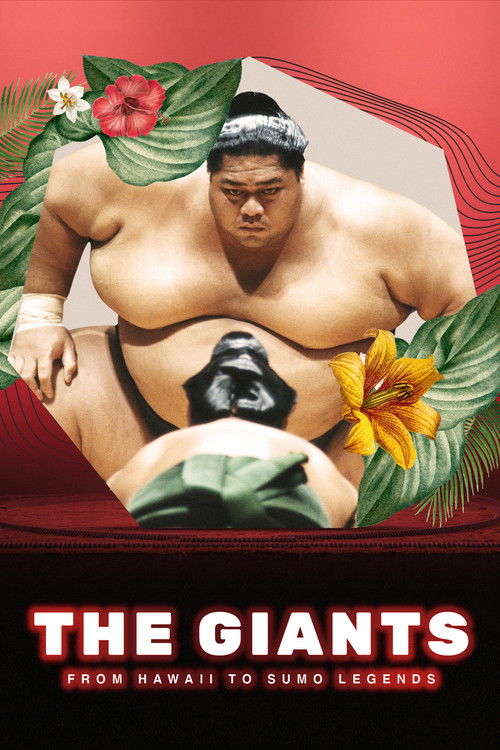
Looks into the lives of legendary sumo wrestlers who come from humble beginnings in Hawaii and become the first foreigners to rise to the highest ranks in Japan.
2021
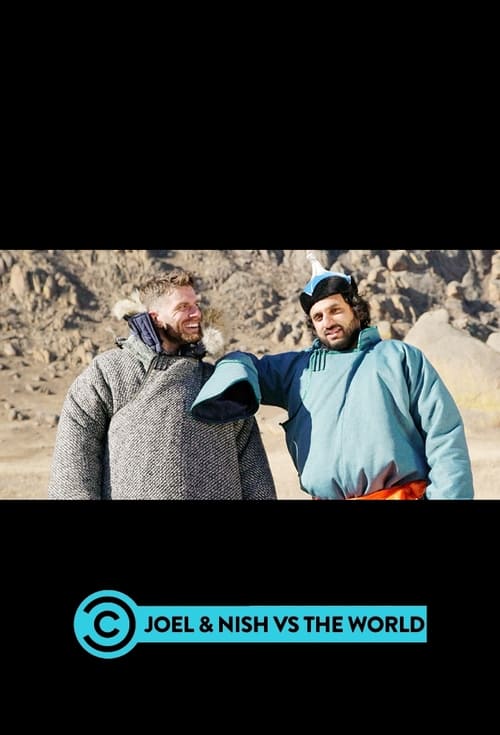
Best friends Joel Dommett and Nish Kumar travel to locations across the globe to immerse themselves in the lives of the toughest, strongest, fittest people in the world.
2017
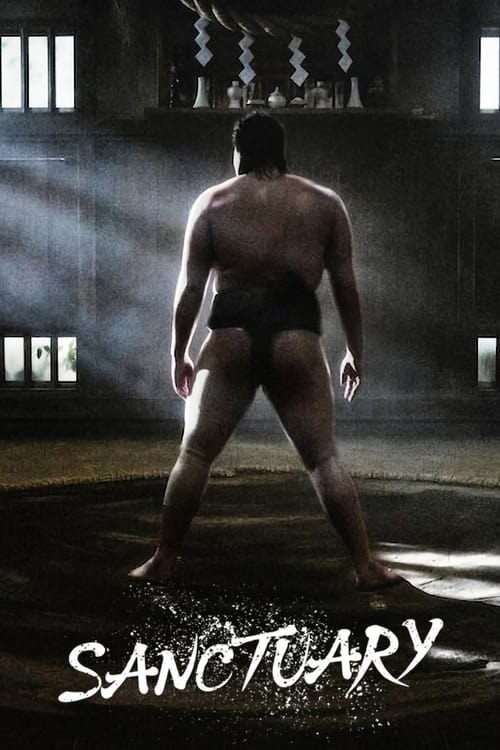
A tough, desperate kid becomes a sumo wrestler, captivating fans with his cocky attitude — and upsetting an industry steeped in tradition.
2023
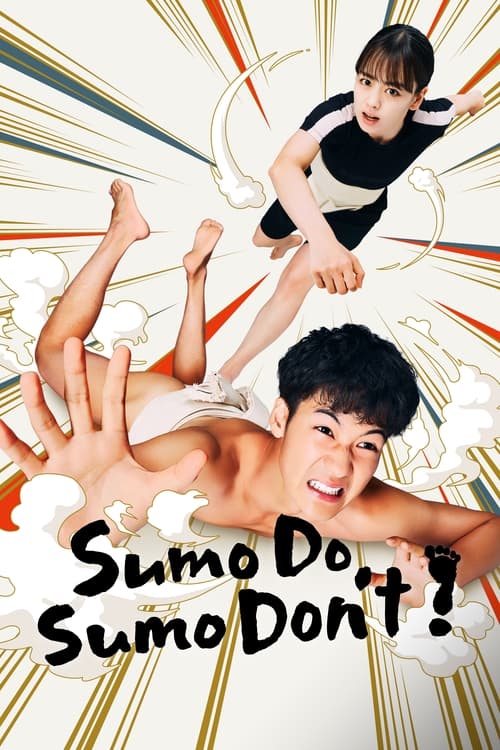
Ryota Moriyama, a senior at Kyoritsu University, receives a job offer at a first-rate company but gets dumped by Saki Nishino. His professor tells him that he can graduate on the condition that he joins the sumo club and competes in at least one match. With only a single member, Honoka Oba, for the past two years, the sumo club is on the brink of collapse. In order to graduate, Ryota endures Honoka’s strict training methods and starts to recruit other members.
2022
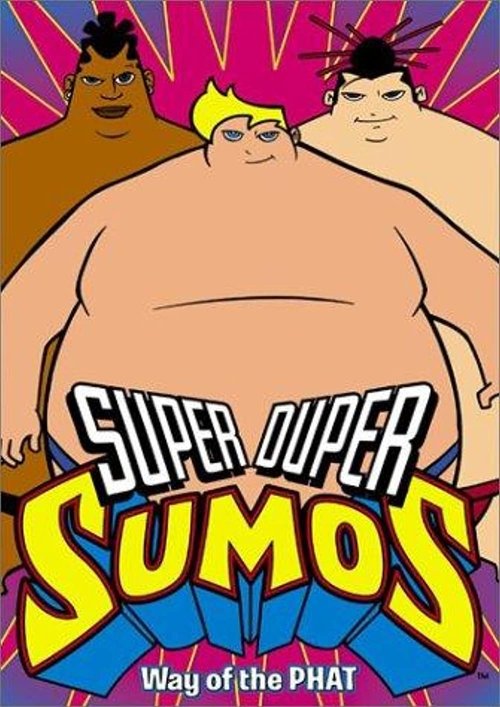
Super Duper Sumos, was an American animated series that is produced by DIC Entertainment and Xilam, It was created by Kevin O'Donnell and Vincent Nguyen.
2002
A “small” new student, Ushio Hinomaru, appears before the weak little sumo club of Oodachi High School! The words “big” and “heavy” are the rules to this sport, which does not fit this newbie any inch, but this guy goes and does what...!? Ushio and the small sumo club climbs its way to the top! The goal is Hinoshita Kaisan, a title for the highest rank in professional sumo, equivalent of Yokozuna.
2018
At DOSUKOI Sumo Salon we break down the sumo world through in-depth analysis and unique stats.
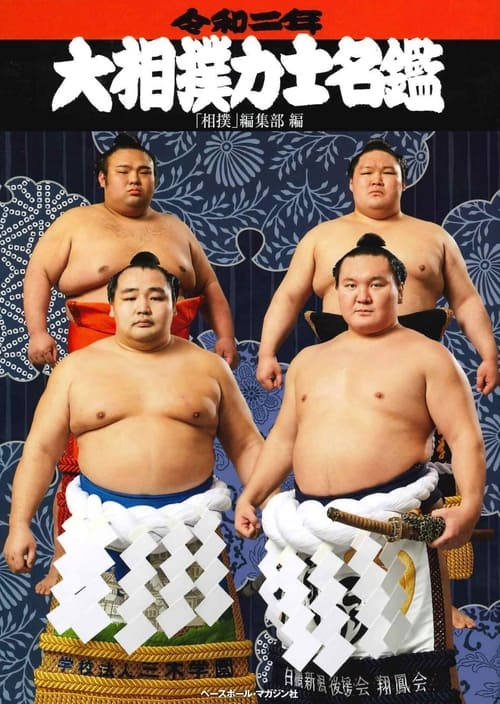
NHK's Grand Sumo digest show.
2004
No description available.
2015
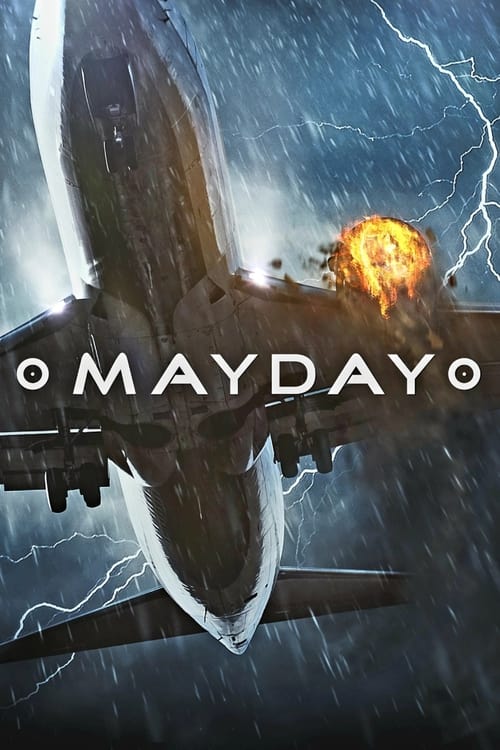
Major real-life air disasters are depicted in this series. Each episode features a detailed dramatized reconstruction of the incident based on cockpit voice recorders and air traffic control transcripts, as well as eyewitnesses recounts and interviews with aviation experts.
2003
Driven was a motoring television programme launched by Channel 4 in 1998 as a rival to the successful and long-running BBC series Top Gear. The style was similar to its rival, but with additional features such as the "Driven 100", a road test of three cars in the same class, where each car would be given marks for qualities such as practicality, desirability and cost of ownership. The car with the highest total score would be the winner. The programme launched with the concept that the presenters should interact with each other rather than present items on their own, as was then the case on Top Gear. The first series also featured a "headquarters", a racing team truck, set on a former air force base at which cars were put through their paces. These concepts resurfaced in the reborn Top Gear soon after.
1998
Nigel Spivey reveals how the images which surround us today come from the ancient world. It's an epic journey spanning five continents and a hundred thousand years of history.
2005
Six young fashion lovers swap shopping for the factories and backstreet workshops of India to learn how the clothes they wear are manufactured.
2008
Whether it's a fire disaster or a car accident - every operation demands everything from the 112 team and brings them closer together.
Declassified is an American television series produced by Ten Worlds Productions on The History Channel that originally aired on November 9, 2004. The series takes viewers inside vaults and archives around the world to reveal the untold stories of modern history. With the fall of the Iron Curtain and the advent of market economies worldwide, new footage and materials are flooding out of formerly secret organizations like East Germany's Stasi, the Kremlin, the U.S. Central Intelligence Agency, and state television in Korea. Declassified reveals the stories behind the previously unseen footage with relentless, fast-cut montage and a rock beat. Declassified fuses modern graphics and editing, story-telling, rock music and expert interviews to bring to light the thrilling and secret tales of our modern era. The show's director Kosh, winner of three Grammy Awards, is the former creative director for Apple Records and designer for the Beatles and Eagles. Produced and created by Susan Shearer, John J. Flynn and Kosh. Executive produced by Carl Lindahl for the History Channel.