Season 1 · Episode 1
Izetbegović, the president of Bosnia and Herzegovina, meets an old friend who asks for help in locating a family that disappeared years ago.
Kahramanović's family has been sent to different camps while Mirsada goes all out to protect the girls.
Mirsada goes off-grid following the incident so Amira needs to be looked after by Emina. A grave incident changes Nedzad completely at the camp.
Nedzad asks a friend to help him escape while the camp is disbanded with the news of the Bosnian army. Serbs start killing girls, including Amira.
Amira is left speechless by what she has seen. The two sisters go with the Black Swans to a safe house in Sarajevo. Hasan encounters UN soldiers on the way and is taken to Srebrenica.
Hasan is seriously wounded after an enemy counterattack and is taken to a hospital where fate takes an unexpected turn.
A moving story about the residents of correctional facility, rejected by parents and environment. Going through a strict regimen of life in the home, they are constantly trying to reverse the fate in their favor. Although they were given a chance to change, their actions always return to the beginning. Constantly on the border between personal whims and once-in-a-lifetime opportunity to become humans, they remain as wolves who find hard to change their mood. What finally remains is a perpetual dilemma whether their fate is innate, or is it forced by the communities in which they grew up...
1986
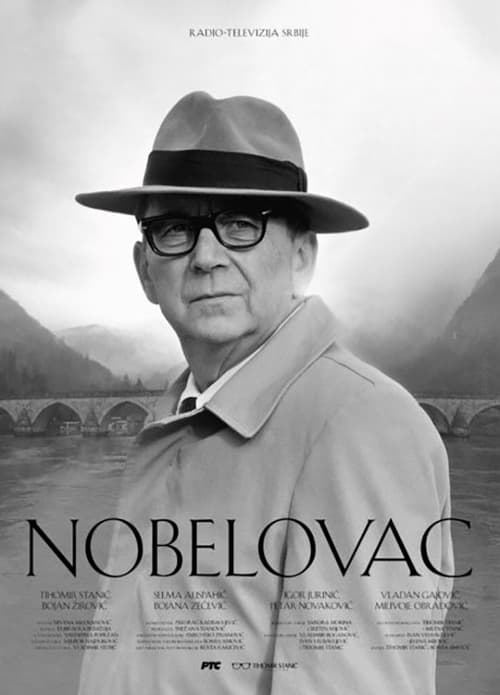
The eight-episode series follows the life of the writer Ivo Andrić during several months in the fall and winter of 1961, from the moment he found out he had won the Nobel Prize until he returned from the award ceremony, via Switzerland, to Belgrade. Each of the episodes has two parallel streams of narration: one, related to the year 1961, in which we follow Andrić's preparations for going to Stockholm, and the second, a subjective jump back to the past. Andrić's view of the key moments of his own life, which were almost always the key moments of the country where he lived and lives, the encounters and decisions he made, is full of questioning, doubts and re-evaluation. Through eight episodes, the most important, well-known and less well-known, paths that Andrić walked, the faces that surrounded him and the places where he lived during the winter of 1961 and throughout his life are revealed and followed.
2024
No description available.
The intertwined lives of numerous characters set in 1990s Belgrade who all try to live happily during rather unhappy times.
1993
Everyone has to grow up, to separate from their parents, to start their own family. Luka and Daria try to do this while everything around them is falling apart: friendships, families, even the country.
2025
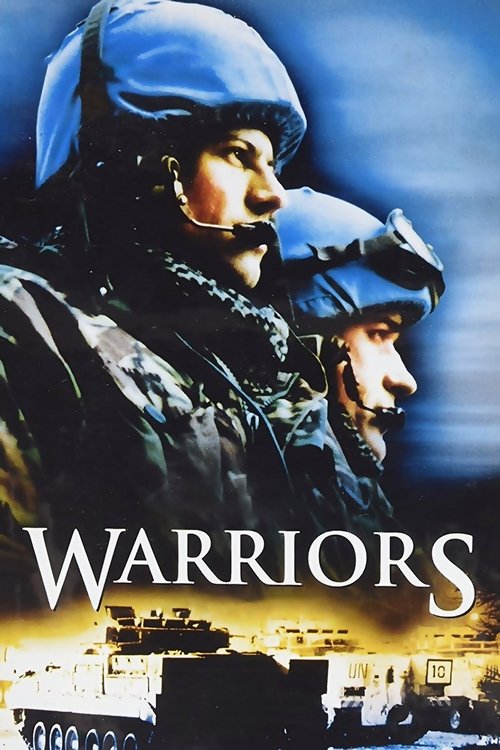
After seeing devastating results of ethnic war in former Yugoslavia, soldiers from UNPROFOR (United Nations Protection Force) peace units find it impossible to return to their civil lives in the United Kingdom.
1999
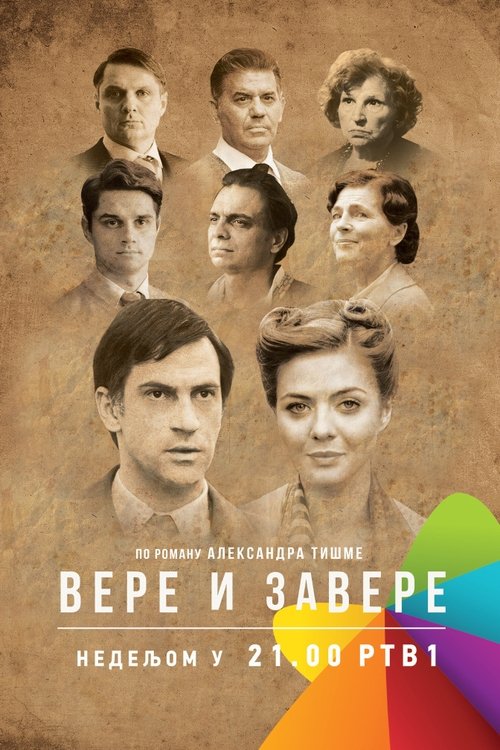
Story of forbidden love between Serbian guy and German girl in Vojvodina, Yugoslavia. Story begins in 1940's, just as war broke out and then goes threw this turbulent period to the 1960's, showing what was happening in Novi Sad. Germans have to fleed back to Germany, everything changed, but love remained
2016
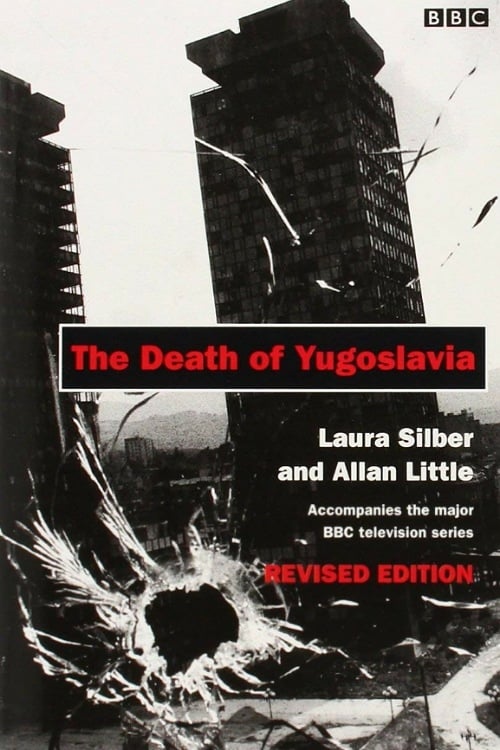
The Death of Yugoslavia is a BAFTA-award winning BBC documentary series first broadcast in 1995. It covers the collapse of the former Yugoslavia. It is notable in its combination of never-before-seen archive footage interspersed with interviews of most of the main players in the conflict, including Slobodan Milošević, the then President of Serbia. Norma Percy won the 1996 BAFTA TV Award for 'Best Factual Series' for the documentary. However, it has been argued that it presents a potentially slightly biased point-of-view; for instance during the trial of Milošević before the ICTY in The Hague, Judge Bonomy called the nature of much of the commentary "tendentious" (partisan).
1995
Story about the most influential Serbian dynasty of the Middle Ages.
2018
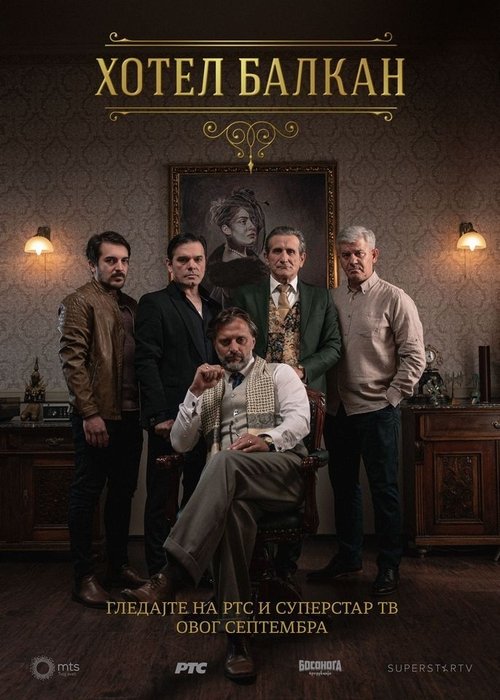
This series takes viewers on a journey in the 1930s, under the roof of the hotel, where the past and the present merge. The focus of the series is business of a prominent Banja Luka family, entangled in numerous intrigues.
2020
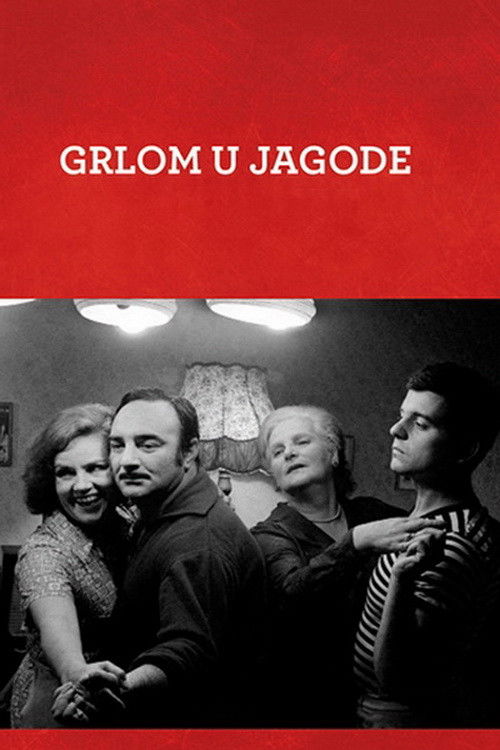
Grlom u jagode is a 1975 Yugoslavian TV miniseries directed by Srđan Karanović and co-written by Karanović and Rajko Grlić. Depicting the life and times of a young man nicknamed Bane Bumbar, the series achieved huge popularity throughout SFR Yugoslavia. Revolving around Bane, his family, and his circle of friends, the series also portrays 1960s Belgrade, Serbia and Yugoslavia.
1976
2011
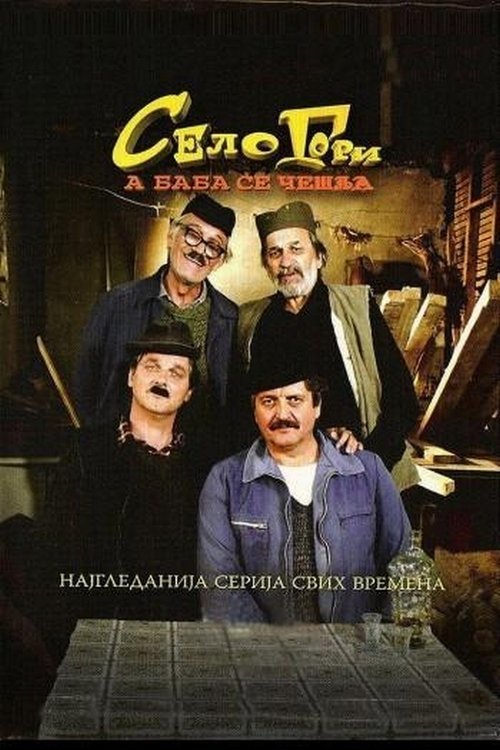
Selo gori, a baba se češlja is a television series in Serbia. First aired in 2007, the show quickly gained national fame with episodes in its third season averaging approximately 2.9 million viewers. The show was aired on RTS1.
2007
A 12-episode documentary series about the Independent State of Croatia.
2021
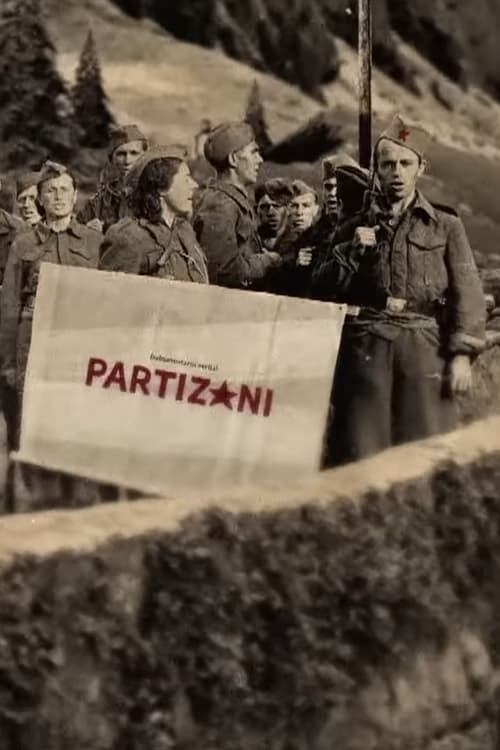
Who were the Yugoslav Partisans? A docuseries about the founding and evolution of the largest armed resistance in Europe during World War II.
2022