Season 1 · Episode 1
Graham visits Gunung Padang, an Indonesian archeological site, to find proof of a lost civilization — and the potential cataclysm that wiped it out.
In Cholula, Mexico's oldest continuously-inhabited city, the journalist inspects the world's largest pyramid for signs of a forgotten past.
Graham discovers a fascinating pattern that may connect the spectacular megalithic temples of Malta, which he believes to be much older than reported.
Few scholars have investigated the Bimini rock formation off the coast of Miami, once fabled to be the road to Atlantis — but Graham dives right in.
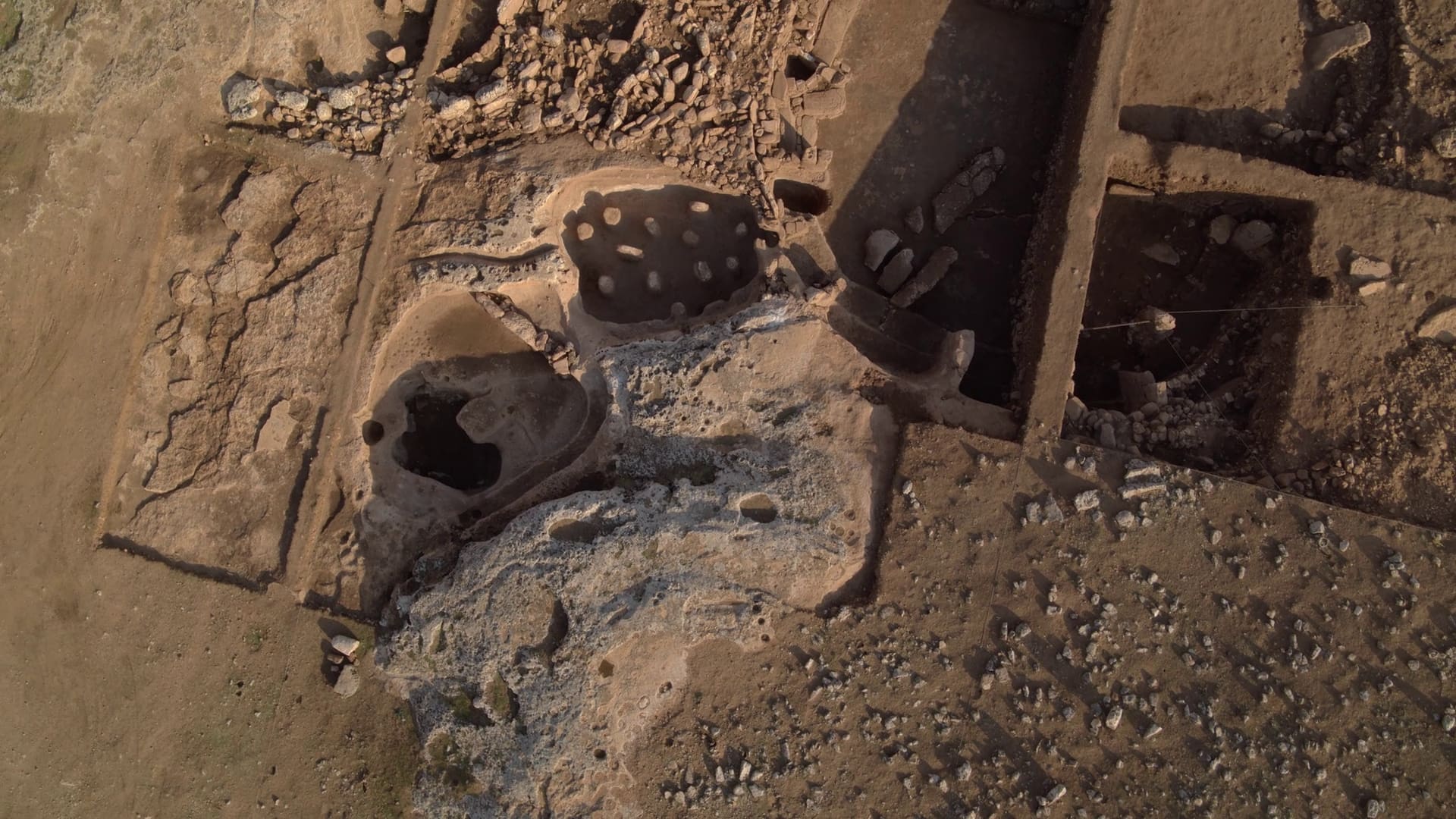
At Göbekli Tepe, the oldest known megalith in the world, Graham questions if simple hunter-gatherers alone could have built such an advanced structure.
Graham visits ancient mounds in North America and wonders if they contain astronomical significance — or even warnings of an apocalyptic climate event.
The author returns to Turkey to explore Derinkuyu, an ancient underground city and survival bunker that could shelter thousands in times of crisis.
In the ancient geological sites of North America, Graham envisions an apocalyptic event that may have changed the Earth — and its inhabitants — forever.
No description available.
2019
2024
"Mankind : The Story of All of Us" is an epic 12-hour television event about the greatest adventure of all time—the history of the human race. It takes 10 billion years for the ideal planet to form and 3 billion more for the right conditions to emerge before it finally happens: mankind begins. From there unfolds a fast-paced story told here through key turning points—stepping stones in our journey from hunter-gatherer to global citizen. It’s a tale of connections—why some ideas take hold and spread around the globe, and how the lives of people in one part of the world are shaped by events in another.
2012
The six-episode series shows the authentic Tony behind the neurotic characters he plays — a passionate food lover who makes bread and breaks bread with local bakers, top chefs, home cooks and everyone in between.
2025
How did the Soviet Union impose its communist ideology on the countries of Central and Eastern Europe after World War II? The story of how, from 1945 until the construction of the Berlin Wall in 1961, these countries were gradually subjected to the totalitarian Soviet yoke.
Unknown histories take center stage as the hitmakers themselves - from ABBA to T-Pain - explore dimensions of pop music you never knew existed.
2021
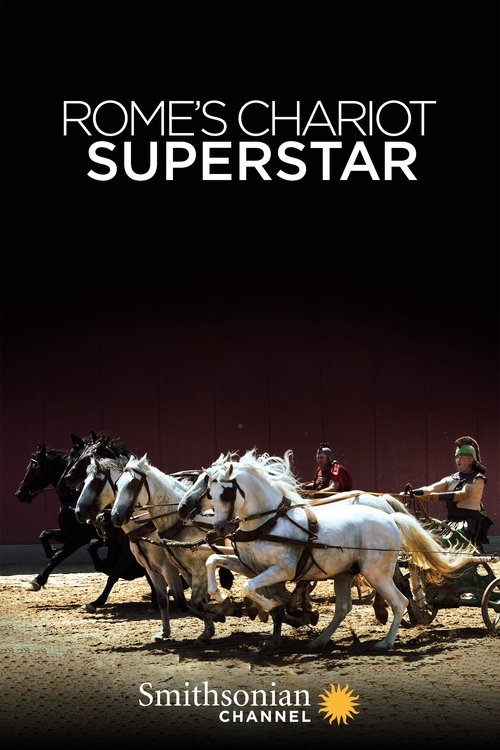
In 90 A.D., ancient Rome played host to a sporting spectacle that attracted crowds three times the size of the Colosseum?s gladiator games: chariot racing. Every week, 150,000 fans packed the massive Circus Maximus, not just to cheer on the speed, fury, and danger of the races, but to witness the champion charioteer, Flavius Scorpus. Examine his improbable rise from young slave to arguably the most successful competitor in the sport?s history.
Americans consider themselves a 'nation of immigrants', but as the catastrophe of the Holocaust unfolds in Europe, the U.S. prove unwilling to open its doors to more than a fraction of the hundreds of thousands of desperate refuge seekers. Through riveting firsthand testimony of witnesses and survivors who as children endured persecution, violence and flight as their families tried to escape Hitler, this three-part documentary series delves deeply into the tragic human consequences of public indifference, bureaucratic red tape and restrictive quota laws in America. Did the nation fail to live up to its ideals? This is a history to be reckoned with.
2022
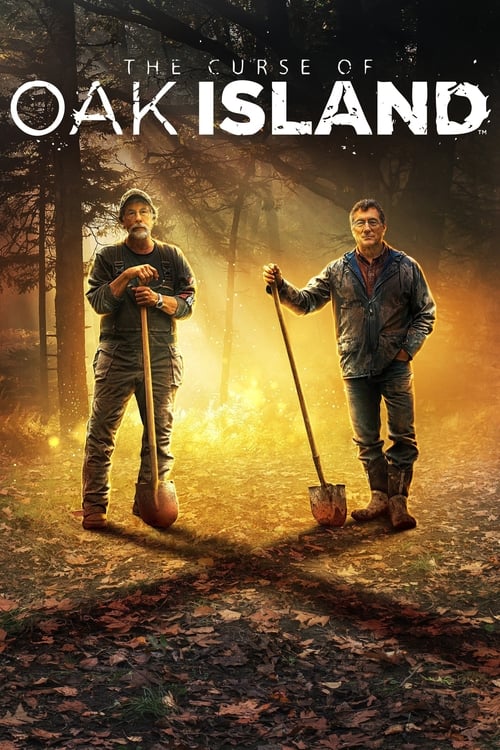
Follow brothers Marty and Rick Lagina through their effort to find the speculated - and as of yet undiscovered - buried treasure believed to have been concealed through extraordinary means on Oak Island.
2014
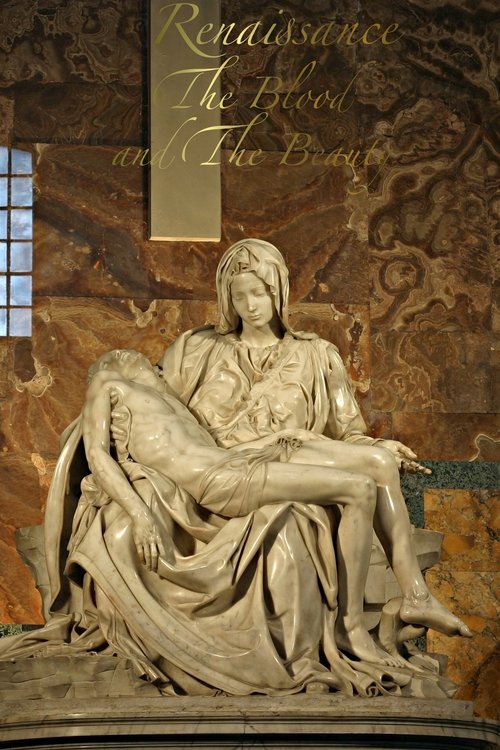
The greatest art works of all time - born of war and bloodshed - as rival artists Michelangelo, Leonardo and Raphael compete to craft beauty from chaos. Starring Charles Dance.
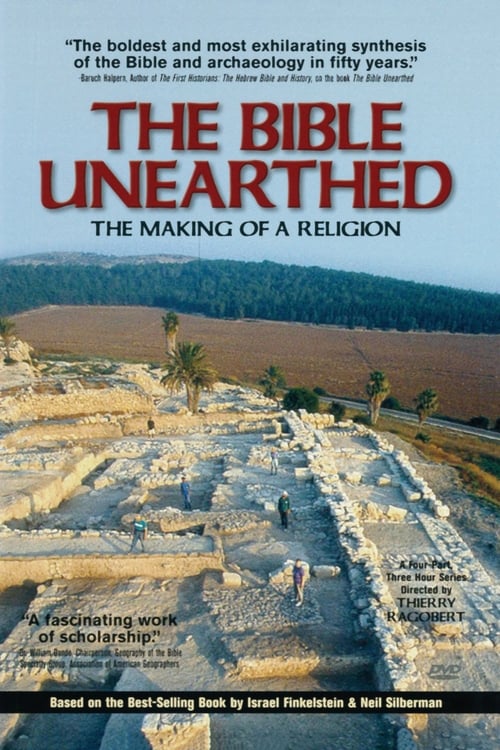
The Bible is both a religious and historical work, but how much is myth and how much is history?
2005
1984 Channel 4 documentary series surveying the history of New Testament scholarship, giving an overview of the contemporary New Testament scholarship, and finally a tracing of the history of the development of Christianity.
1984
Presenter Rob Bell takes us on a voyage around Britain and Ireland to reveal the hidden secrets that make offshore lighthouses such extraordinary feats of engineering.
2020
Myths die hard, and the history of the 20th century is no exception to this rule. Even today, we hold popular beliefs that we take for Evangelical truths. Thus, we believe that Hiroshima caused Japan to surrender, that the Marshall Plan saved Europe, that Adolf Hitler was a military genius, or that Mao Zedong was a necessary evil for China’s modernization. Of course, these judgements contain some truth; but, too broad-stroked to be accurate, they contradict the historical reality by denying its complexity. What if the truth was slightly different? Through an exploration of great national or international myths, this full archive documentary collection revisits the key moments of the 20th century with a new perspective in order to provide a new, smarter and more subtle interpretation, bringing elements to light that have been forgotten or sometimes overshadowed.
Colorized historical footage in ascending order of World War 1. Not only the relatively known Flanders and France battles, but also the generally unknown Italian-Austrian, German-Polish-Russian, Japanese-German, Ottoman Empire- Allied and African German Colonies, and other unknown or forgotten fronts and battles.
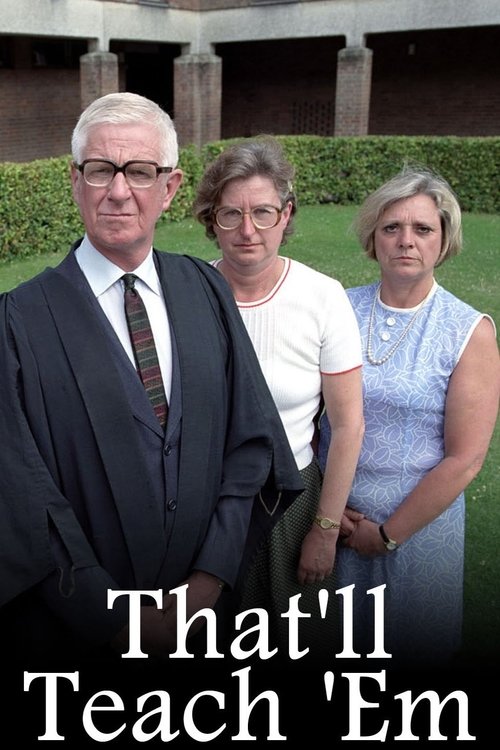
That'll Teach 'Em is a British reality television documentary series produced by Twenty Twenty Television for the Channel 4 network in the United Kingdom. Each series follows around 30 teenage students as they are taken back to a 1950s/1960s style British boarding school. The show sets out to analyse whether the standards that were integral to the school life of the time helped to produce better exam results, to the current GCSE results and to compare certain contemporary educational methods with modern ones. As part of the experience, the participants are expected to board at a traditional school house, abiding by strict discipline, adopting to 1950s diet and following a strict uniform dress code. After four weeks, the students then take their final exams, produced to the same standard as contemporary GCE O Levels. There were three series of the show, the first airing in 2003, the second in 2004 and the third and final series in 2006.
—