K
HomeMoviesTVSearchRandom
KKINORA

This website does not retain any files on its server. It provides movie metadata and links to media hosted by third-party services. Powered by the TMDB API.

TrendingSearchMoviesTV ShowsTop RatedRandomNewest
© 2026 Kinora. Not affiliated with TMDB.Built with Next.js · Tailwind · Framer Motion
← Back to details
Now PlayingThe Great Philosophers · S1 E1

Season 1 · Episode 1

Plato

The dialogues of Plato are analyzed in this program by Cambridge philosophy professor Miles Burnyeat. Seeing Plato's ideas initially as extensions of those of his teacher, Socrates, Burnyeat explains the development and content of Plato's original; doctrines of knowledge as virtue, the immortality and tripartite division of the soul, and the theory of forms (ideas). Plato's political philosophy is discussed within the context of the notion of the ideal state—a political utopia ruled by philosopher kings.
Episodes

📺More Like This

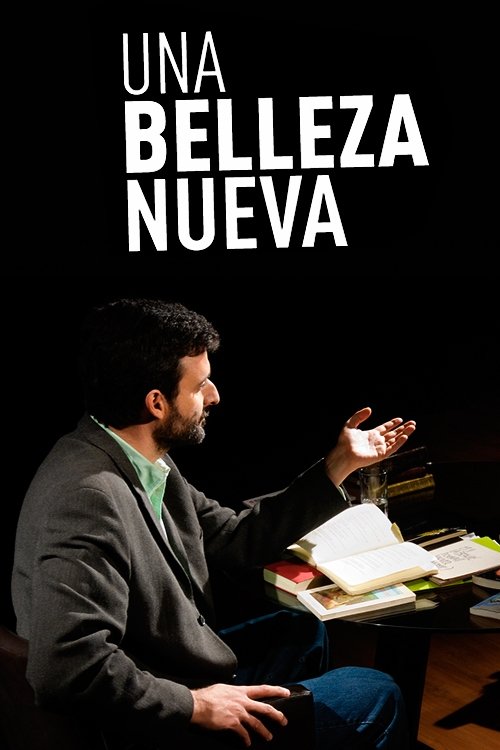
Una belleza nueva
★2.0
TV

No description available.

Una belleza nueva

2006

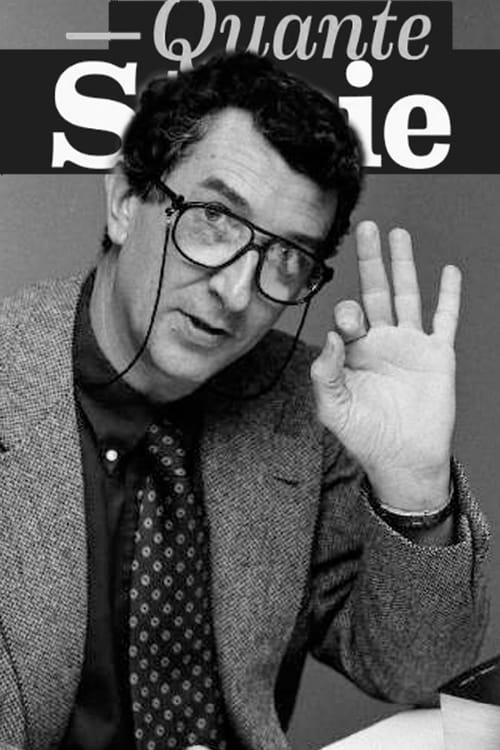
Quante Storie
TV

No description available.

Quante Storie

2016

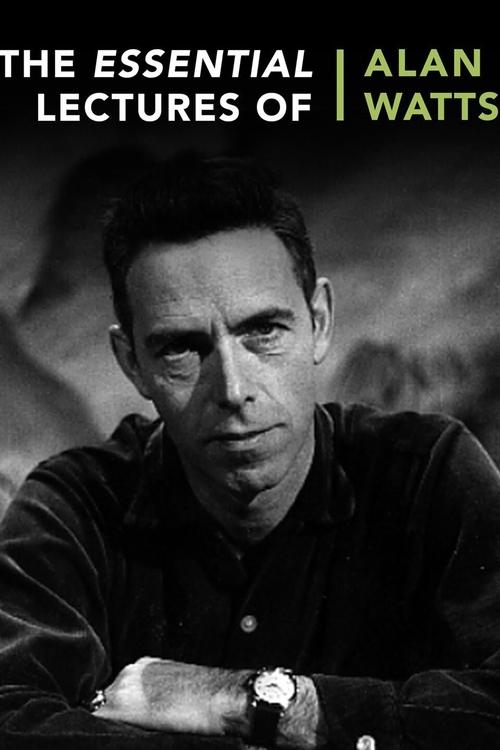
The Essential Lectures of Alan Watts
★10.0
TV

The Essential Lectures of Alan Watts video series was recorded in 1971 above Muir Woods, California, and in 1972 aboard the ferryboat the SS Vallejo in Sausalito. Produced by his son Mark and directed by long-time archivist Henry Jacobs, the series explores core philosophical themes that spawned over Watts' career.

The Essential Lectures of Alan Watts

1972

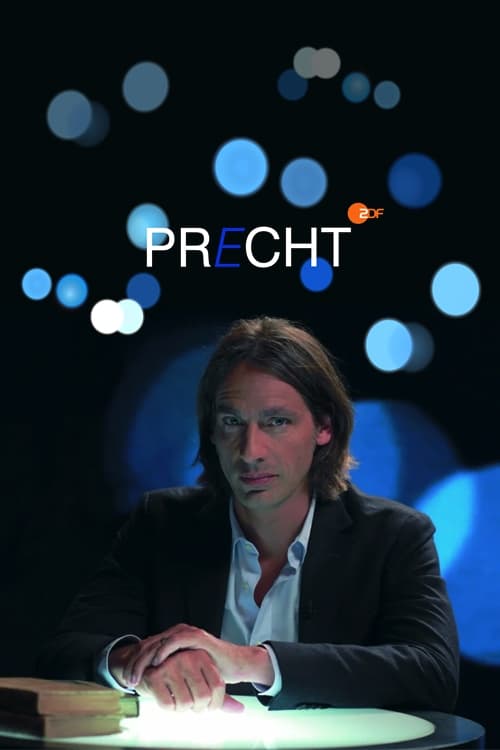
Precht
★7.8
TV

German talkshow hosted by Richard David Precht, a well known german philosopher and publisher, in which he speaks with a guest about a topic from culture, science, economy or politics in every episode

Precht

2012

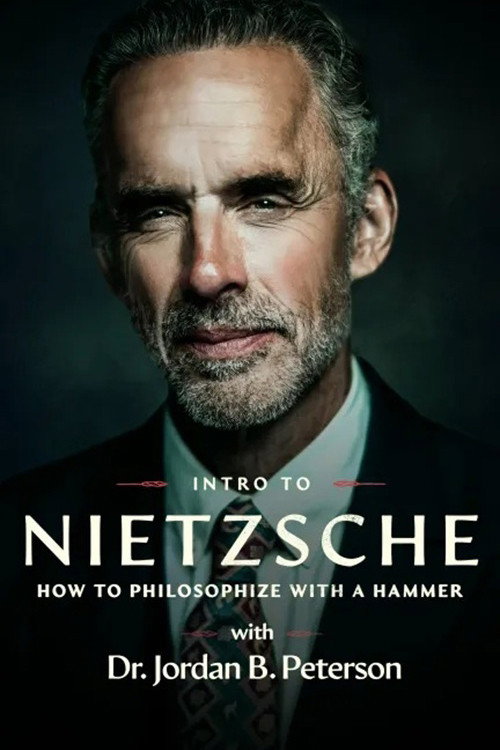
Intro to Nietzsche
TV

In Introduction to Nietzsche, an eight-hour course, Dr. Peterson embarks on a deep exploration of the life, philosophy, and enduring influence of Friedrich Nietzsche. Set against the backdrop of the late 19th century, we examine how Nietzsche's ideas challenged traditional moral and philosophical foundations, paving the way for new perspectives on the human condition. The course delves into key concepts such as the will to power, the critique of truth and morality, and the affirmation of life in the face of nihilism, while also exploring Nietzsche's complex relationship with religion, academia, and the works of other thinkers. Ultimately, we are invited to confront uncomfortable realities, embrace necessary struggles, and cultivate the courage and gratitude needed to realize our full potential.

Intro to Nietzsche

2026

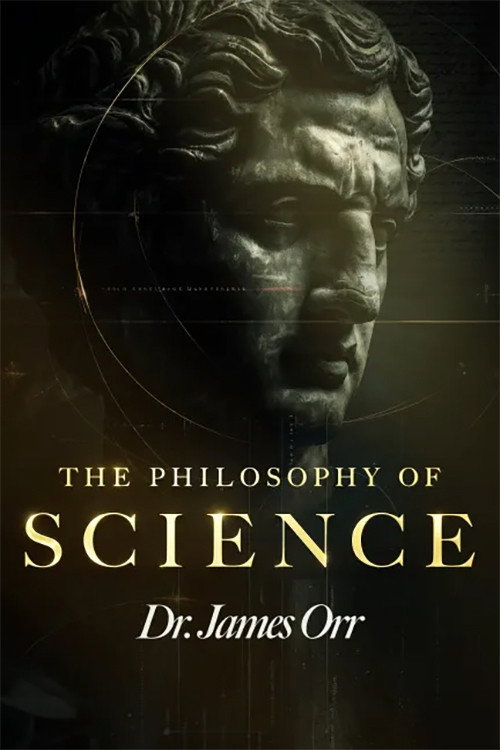
The Philosophy of Science
TV

In The Philosophy of Science, an eight-hour course, Dr. James Orr traces the development of science from ancient Greece through the Scientific Revolution to today. He examines how theological, institutional, and philosophical forces shaped science, while tackling key issues like the demarcation problem of science versus pseudoscience, Hume’s problem of induction, Kuhn’s theory of paradigm shifts, and the realism debate. The course also engages fascinating unresolved questions raised by cosmology, neuroscience, and quantum mechanics, ultimately arguing that scientific progress does not eliminate philosophical inquiry but rather deepens it, revealing new mysteries that demand philosophical analysis.

The Philosophy of Science

2026

Maps of Meaning
TV

In Maps of Meaning, a twelve-hour course, Dr. Jordan B. Peterson explores the foundations of human consciousness, perception, and the pursuit of meaning. Drawing from psychology, mythology, and neuroscience, he examines how we navigate the tension between order and chaos—not as passive observers, but as active participants guided by goals and values. Central to this exploration is the archetypal hero’s journey, which shows how voluntarily confronting suffering and taking responsibility can transform both the individual and society. Grounded in decades of research and personal experience, Dr. Peterson reveals how religious symbols, archetypal narratives, and social hierarchies shape both the individual mind and collective culture. Through powerful insights, the course demonstrates that proper orientation toward the highest good enables us to transform chaos into meaningful order.

Maps of Meaning

2025

The Sermon on the Mount
TV

In The Sermon on the Mount, an eight-hour course, Dr. Jordan Peterson explores the profound wisdom and symbolism embedded in this foundational biblical text, highlighting the transformative power of living by Christ-like principles. He offers a deep dive into key passages, such as the Beatitudes and the Lord’s Prayer, emphasizing the importance of humility, self-reflection, and the pursuit of meaning when facing life’s challenges. Throughout the lectures, Dr. Peterson masterfully integrates biblical narratives, Jungian psychology, and personal stories, illustrating the enduring relevance of these teachings for navigating the complexities of the human experience.

The Sermon on the Mount

2026

Ancient Philosophy
TV

In Ancient Philosophy, a seven-hour course, Dr. Orr takes us on an exploration of the rich history of ancient Greek thought, beginning with the foundational ideas of the Ionian and Eleatic schools and voyaging through the transformative philosophies of Plato and Aristotle. The course also examines the emergence of Stoicism and Epicureanism during the Hellenistic period, emphasizing their distinct approaches to ethics, nature, and the human condition. Throughout the course, we trace the evolution of pivotal concepts in metaphysics, epistemology, and ethics that have shaped Western thought for millennia, underscoring the enduring relevance and transformative power of ancient Greek philosophy in modern times.

Ancient Philosophy

2025

Ideas of the 20th Century
TV

In Ideas of the 20th Century, Dr. Daniel Bonevac examines the major intellectual movements that shaped modern Western thought. Beginning with the Scientific, Agricultural, and Industrial Revolutions, the course explores how traditional beliefs came under pressure, creating tensions between human freedom and scientific determinism and contributing to cultural and political upheavals. Through the ideas of thinkers such as Nietzsche, Marx, Freud, and the existentialists, as well as debates over totalitarianism, liberty, language, truth, and justice, the course traces the search for meaning in the modern world. By connecting philosophy, politics, and culture, it reveals how the central ideas of the 20th century continue to shape contemporary society and the challenges facing Western civilization today.

Ideas of the 20th Century

2026

Introduction to Philosophy
TV

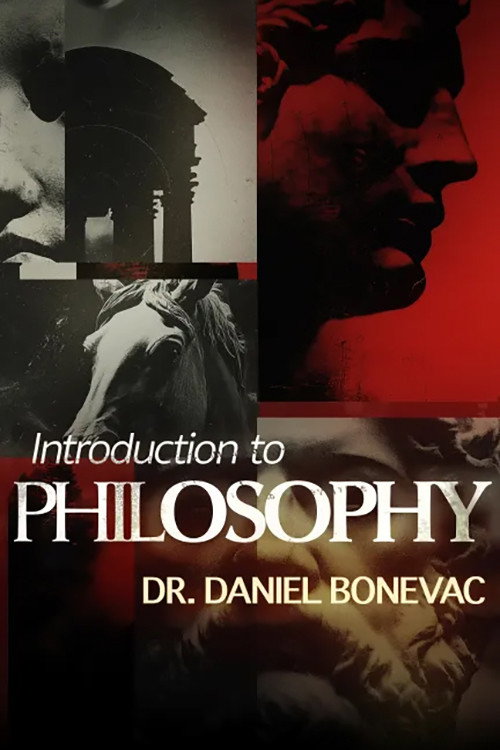
In Introduction to Philosophy, a nine-hour course, Dr. Bonevac guides us through the major traditions of Western philosophy in eight engaging lectures on ethics, metaphysics, and epistemology. We explore three key ethical frameworks—virtue ethics, deontology, and consequentialism—before tackling fundamental questions about reality, from realism to idealism. The course then examines theories of knowledge, weighing skepticism’s doubt, rationalism’s innate ideas, and empiricism’s reliance on experience. Finally, we consider how these philosophical traditions continue to shape debates about morality, reality, and human understanding today.

Introduction to Philosophy

2026

God, The Bible & Humanity
TV

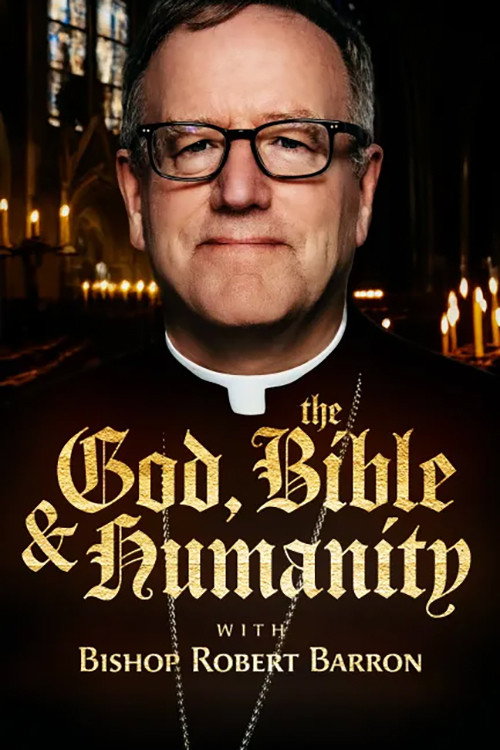
In God, The Bible & Humanity, a five-hour course, Bishop Robert Barron explores the nature of God, the biblical narrative, and the life and teachings of Jesus Christ through the lens of Catholic theology. Drawing from the Old and New Testaments, he examines themes such as God's transcendence and immanence, the importance of right worship, spiritual liberation, and the roles of priest, prophet, and king. The course culminates in a profound reflection on the Sermon on the Mount and the transformative power of the crucifixion and resurrection of Jesus.

God, The Bible & Humanity

2025

Aristotle: From Logic to Life
TV

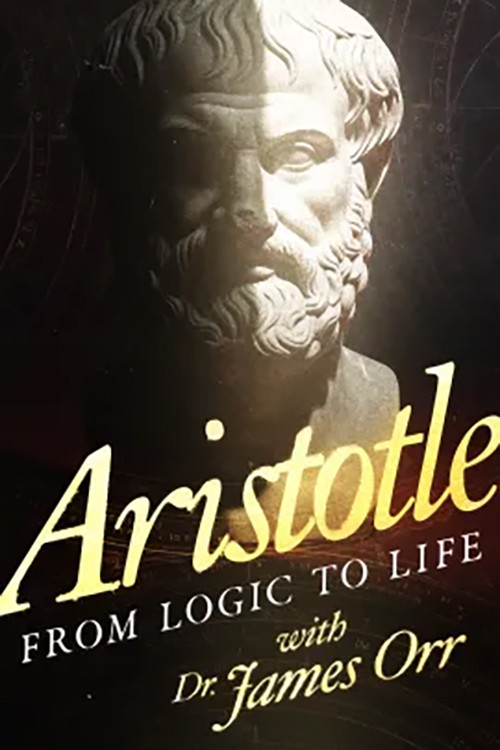
In Aristotle: From Logic to Life, an eight-hour course, Dr. Orr explores Aristotle's comprehensive philosophical system, tracing his life, empirical methodology, and key contributions to logic, metaphysics, ethics, politics, and poetics. We examine his theories of substance, causation, virtue ethics, eudaimonia (human thriving), political life, and his analysis of tragedy and catharsis. The course follows his impact from medieval rediscovery and tensions with monotheism to contemporary revivals, showing why Aristotle remains a vital guide for modern philosophy.

Aristotle: From Logic to Life

2026

The Owl's Legacy
★9.0
TV

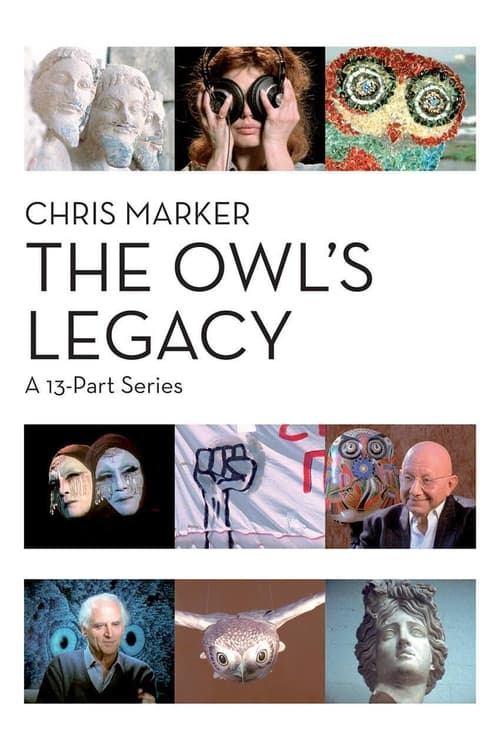
A 13-part documentary series by Chris Marker examining how ancient Greek ideas continue to shape modern Western thought. Each episode centers on a single Greek word—such as “democracy,” “philosophy,” or “mythology”—through conversations filmed in cities around the world. Combining symposium-style discussions with archival footage and visual motifs of the owl, Marker creates an expansive reflection on the enduring legacy of Greece.

The Owl's Legacy

1989

Doggy Bank
TV

When a broke dimwitted slacker is hired by a mad philosopher to babysit his pampered pooch, he's thrown into a world of bizarre incidents and off-kilter life lessons that could turn his dead-end existence around.

Doggy Bank

2023

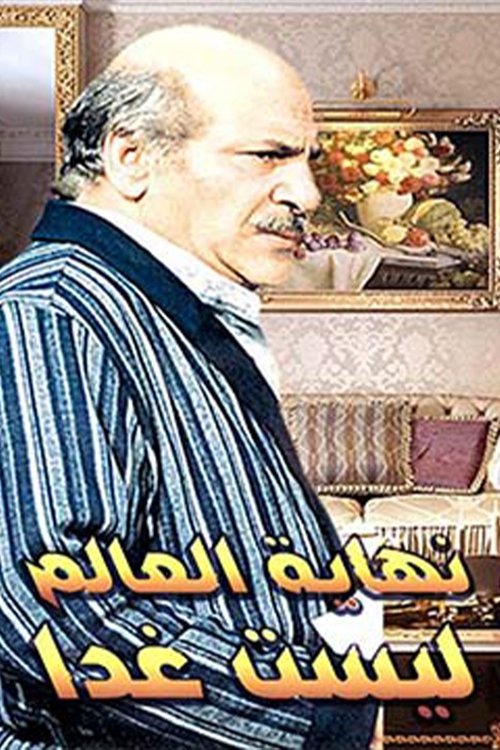
The End of the World is not Tomorrow
TV

Riad Abd Rabbo is a philosophy teacher who collides with the materialistic, utilitarian reality that is completely different from the values he has learnt and teaches his students, such as truth, goodness and beauty, and when he fails to fix what is wrong around him, the philosophy of Al-Dardiri, an old thinker who those around him believe has lost his mind, is confirmed. Riad resorts to the same logic as El Dardiri, who died waiting for aliens to help him come up with solutions to save the world from possible and very near doom.

The End of the World is not Tomorrow

1983