Season 1 · Episode 1
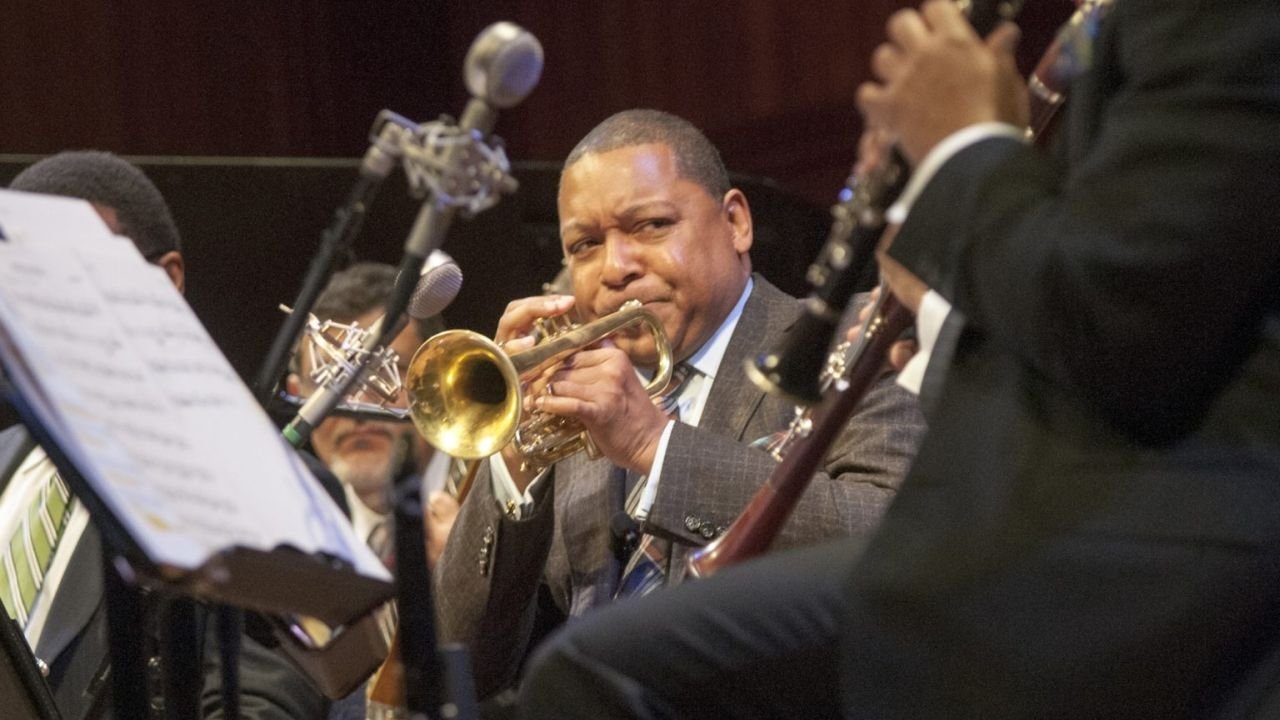
"Gumbo" traces the roots of jazz from the 1800s to 1917. The viewer will catch glimpses of Jelly Roll Morton, who erroneously claimed to have invented jazz, and the tragic, though influential, figure of trumpeter Buddy Bolden.
How can one explain the genius of a Louis Armstrong or Duke Ellington? Blessed with skill and talent far exceeding their peers, one can only define what they possess as a gift from the gods. These early portraits are imperative, because both figures have been so canonized that it is easy to forget the significance of their gifts.
Colorful characters like the tragic Bix Beiderbecke, powerhouse Bessie Smith, and the braggart Jelly Roll Morton, make the study of jazz fascinating. Perhaps most touching in this episode is the extended portrait of the troubled, white cornet player, Bix Beiderbecke, whose family disapproved of his chosen profession, and who would never be allowed to record with greats like Louis Armstrong due to segregation in the music business.
"The True Welcome" continues many of the stories begun in Episode 3, following several troubling years for Louis Armstrong (who was arrested for marijuana possession), Duke Ellington’s growth as a composer, and Benny Goodman discovering gold in Fletcher Henderson’s arrangements. "The True Welcome" also has a nice section on rich kid John Hammond, Sr. who would become one of jazz’ biggest promoters
1935 was the year that swing became the most popular music in the country and that the king of swing, Benny Goodman, became a matinee idol. Americans, stifled by the Depression, seemed determined to dance their troubles away. "Swing: Pure Pleasure" follows the continuing careers of Goodman, Artie Shaw, and Armstrong, and the discovery of Billie Holiday.
Swing would be reacquainted with its blues roots by way of Kansas City, when Count Basie and the Barons of Rhythm brought their hot sound to the Big Apple. Basie would also give Billie Holiday her first break, offering her a chance to travel, perform, drink, and gamble with the rest of the band. Another young singer named Ella Fitzgerald would get her start in Chick Webb’s band at the Savoy Ballroom, and then be named top female vocalist—over Billy Holiday—by Down Beat in 1937.
"Dedicated to Chaos" finds jazz musicians teetering on the brink of the modern era, fighting against the straightjacket of clichéd, big band arrangements. The revolution started at Minton’s Playhouse, a rundown club where musicians like Thelonious Monk, Dizzy Gillespie, and Charlie Christian jammed on Monday nights. When they hooked up with a young saxophone player from Kansas City named Charlie Parker, the bop insurgency had arrived.
The bop revolution’s influence would spread to other musicians, but unlike swing, it would never become a popular music. The rapid-fire solos and complicated chord structures made bop a musician’s music, unfit for dancing. Indeed, Charlie Parker and Dizzy Gillespie’s music even alienated established musicians like Armstrong. "Risk" provides an in-depth biography of the bright, brief life of Parker, and includes interviews with his former wife.
Critics who had believed that Charlie Parker was "too much" musically, could not have welcomed the arrival of Ornette Coleman. Coleman and John Coltrane would edge jazz toward even more freedom, eventually dropping all traditional structures. While these artists alienated many listeners, Miles Davis would record the most popular jazz album of all time, Kind of Blue.
Obviously Ken Burns knows that he can’t fit the last thirty-nine years of jazz history onto two hours of video tape, so from the outset, that shouldn’t be expected. There’s an excellent biography of John Coltrane, and footage of Miles Davis’ wonderful mid-‘60s quintet. There is also a nice, small section on the magnificent Charles Mingus.
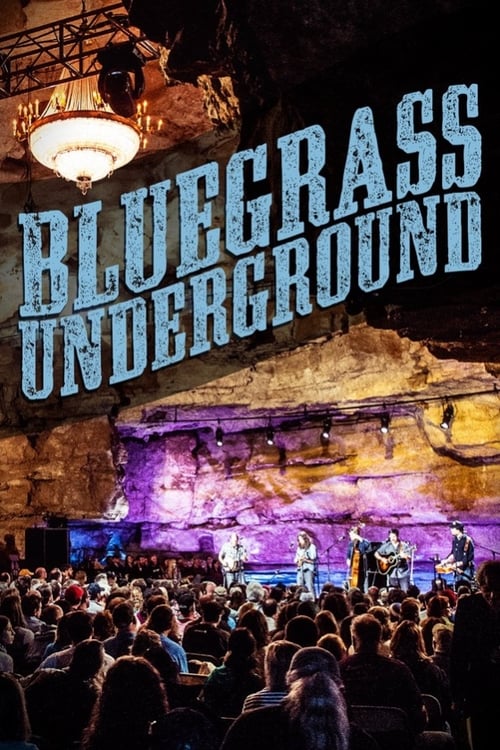
A musical adventure series emanating from The Caverns in Tennessee's majestic Cumberland Mountains. Celebrating the diversity of America’s musical heritage with artists from the full spectrum of genres: Bluegrass, yes but also Americana, Country, Soul, Blues, Rock N Roll, Gospel, Folk, and everything between.
2011
The multi-genre music, entertainment & lifestyle show reveals the incredible stories behind some of the biggest Rock, Pop, Country, Triple A, R&B and Hip Hop songs ever written and recorded while illuminating the power music has to influence our thoughts and feelings, impact society and inspire us all to live our dreams.
2020
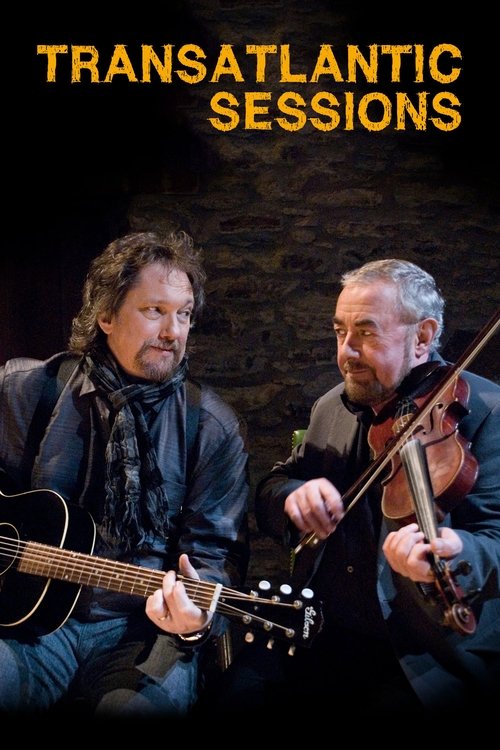
Folk musicians from both sides of the Atlantic come together in what have been called “the greatest backporch shows ever.” Collaborative live performances by various leading folk and country musicians playing music from Scotland, Ireland, England and North America.
1995
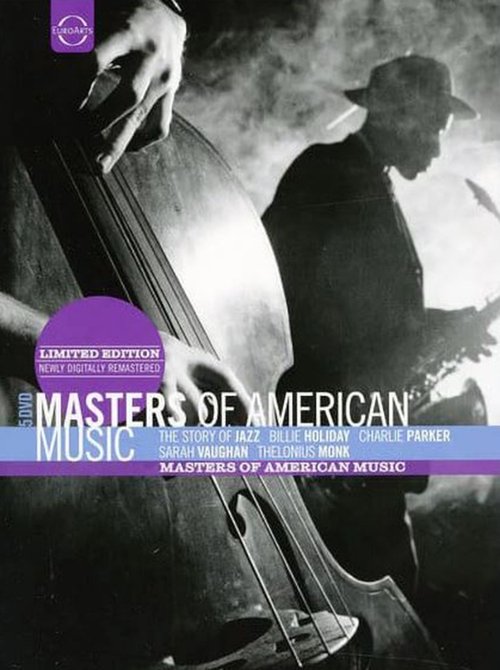
Masters of American Music is a multi-award-winning television series, as entertaining and memorable as it is educational, it is a must have for any true music fan. The series celebrates a pantheon of the greatest musical innovators with individual programmes tracing the lives and works of master musicians who defined the course of American’s musical history. From the birth of the blues in New Orleans to Swing, Big Band, Bebop, Free Jazz and beyond – all of this rich tapestry is explored with sensitivity and unique depth. The featured artists come to life through conversations with their contemporaries, exciting and rare live performances, period footage and vintage photographs, all of which have been meticulously produced.
—
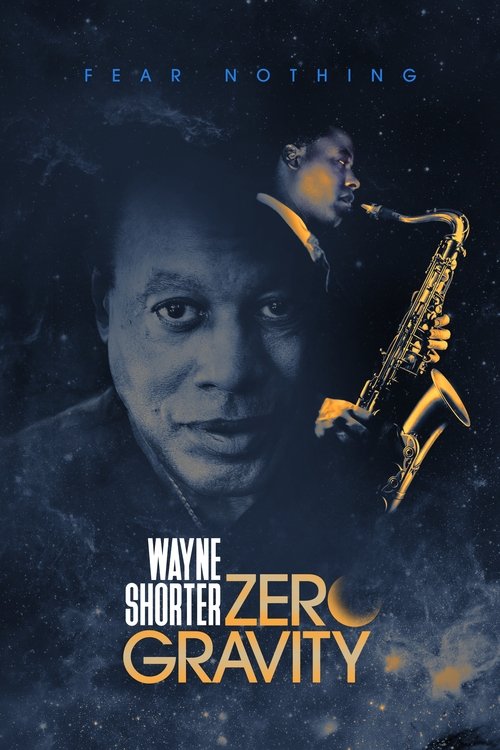
A cinematic ode to jazz legend, Wayne Shorter. Depicted in 3 portals, the viewer is transported into prolific periods of Shorter's life and how through adversity, he grew to greatness, shattered the limitations of jazz, and became one of the most influential musicians and composers in American music.
2023
John Safran's Music Jamboree was a light-hearted Australian music documentary television series, hosted by John Safran for SBS television. The program was produced by Selin Yaman and directed by Craig Melville, Clayton Jacobson and a number of other directors under the production company Ghost of Your Ex-Boyfriend Productions in association with SBS Independent. It screened in 2002, and consisted of sketches and outlandish public stunts, typical of Safran's work. The series won two Australian Film Institute Awards; "Best Comedy Series" and "Most Innovative Program Concept". SBS followed the series up with the similarly styled John Safran vs. God in 2004.
2002
Exclusive interviews and acoustic performances with the legends responsible for some of the most famous songs of our times. Each acclaimed songwriter discusses their unique musical inspiration and writing processes before giving an exclusive intimate acoustic performance of some of their seminal songs.
2008
No description available.
2014
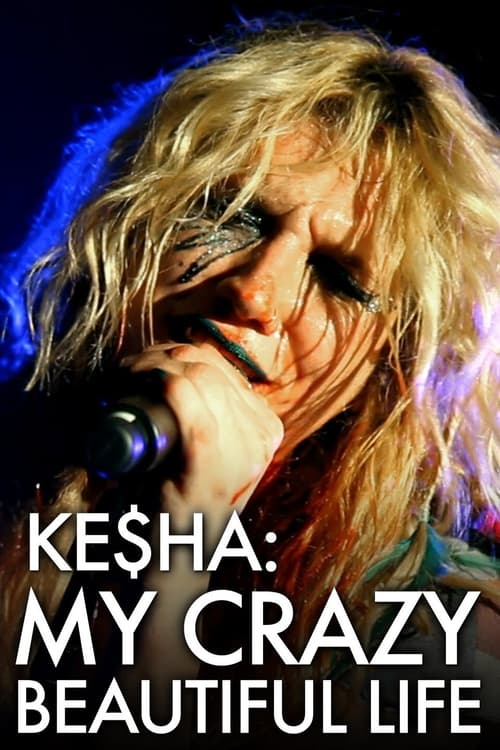
The series sheds a completely different light on Ke$ha as she works through all the drama and adventures in both her personal and professional life over the course of two years. Filmed by her journalist brother Lagan Serbert, and filmmaker Steven Greenstreet, it also encompasses the artist as she creates her newest album, Warrior, and travels to various countries.
2013
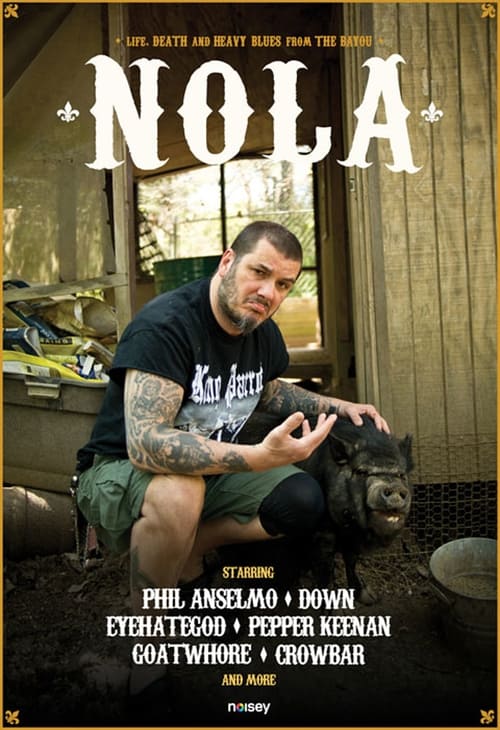
A seven-part series examining the people and the culture that helped foster bands like Down, Eyehategod, Crowbar, Acid Bath, Goatwhore and many others. The documentary features in-depth interviews discussing the bands, catastrophe, drugs, suicide, murder, and records that helped shape the New Orleans sound known the world over.
Billy Connolly takes to the rails for a six thousand mile trip through the backyard of America.
2016
An exploration of opera in unconventional ways attempting to attract not just existing opera fans, but also those less familiar with the art form. The host guides the viewer to the places of origin of each opera, and explores the culture, history—and modern and current trends and how they apply to opera.
2015
Series celebrating the historical and contemporary links between Scottish and Irish Gaelic song by bringing together top exponents of both traditions to sing and play with no audience except themselves, using a house band of their peers.
2010