Season 1 · Episode 1
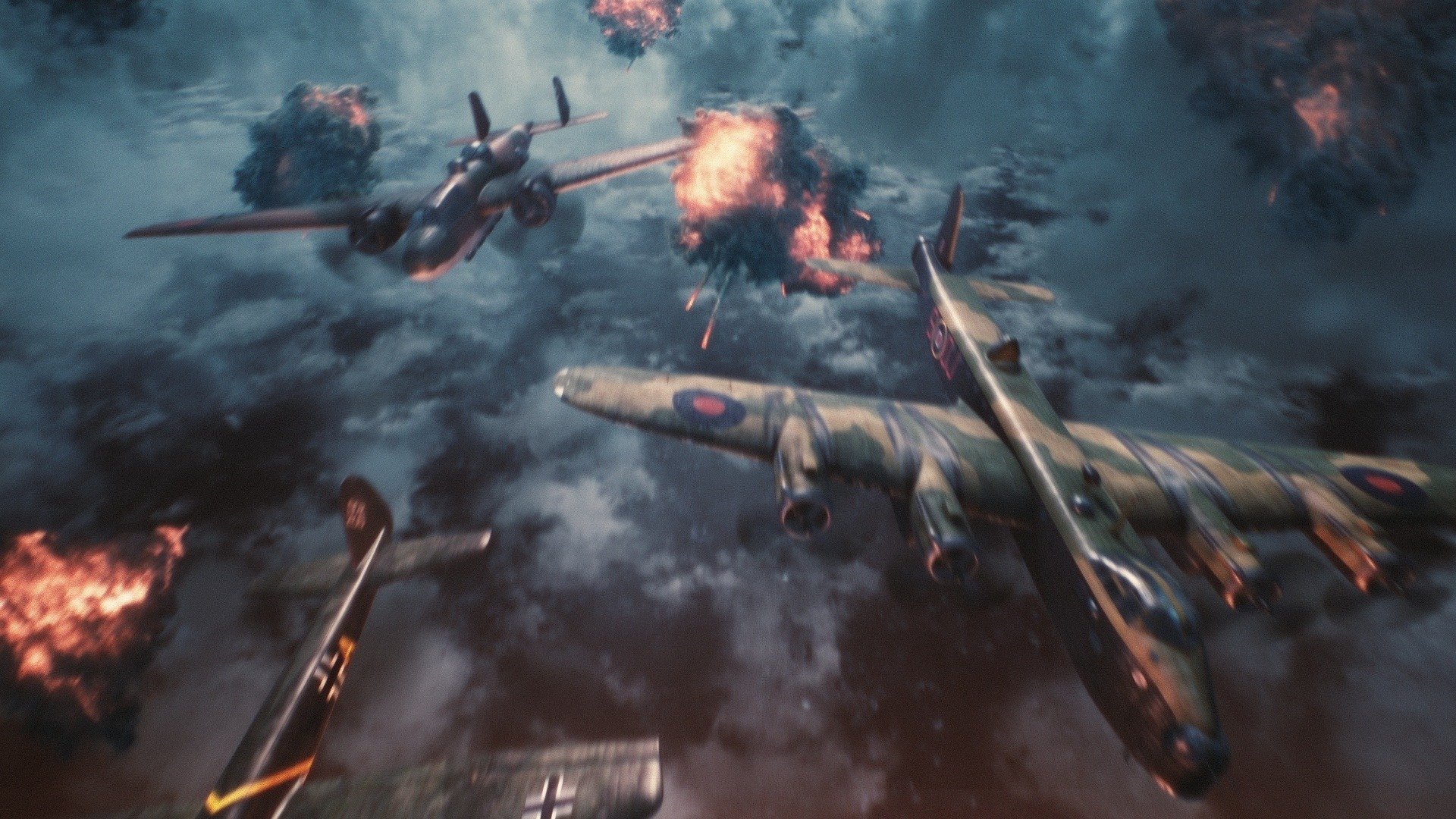
The first bombs were dropped from balloons. During the First World War, Zeppelin airships were used for this, later Gotha planes appeared. Between the wars, more bombers began to be built.
When the Second World War broke out, bombers were one of the first weapons used in it. Bombings forced the use of gas masks and the construction of shelters, and children were evacuated from bombed-out cities.
Tactics on both sides were developed in both attack and defence. Both the bomber and the defence against it, became more effective through improvements in bombing, navigation, radar development and more.
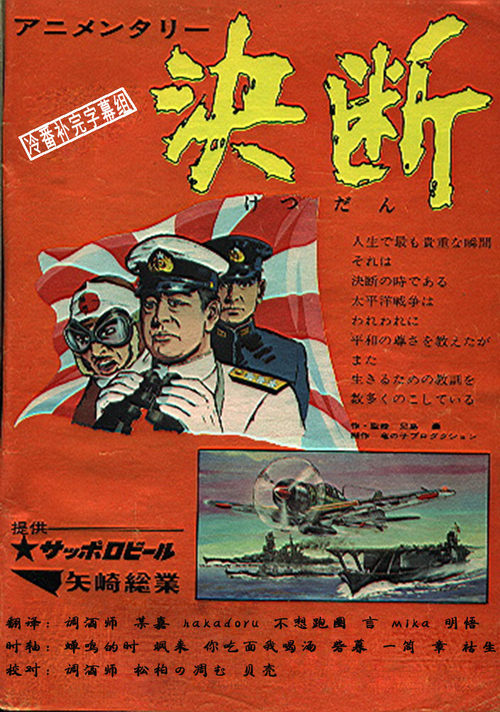
After the end of the Battle of Britain came the bombing of German cities. In the war in the Pacific, the US and Japan successfully bombed naval and land targets.
The bombing of Tokyo demonstrated the power of the B-29 bomber. The cost of creating this machine exceeds that of the Manhattan Project, which developed the first atomic bomb.
No description available.
1971
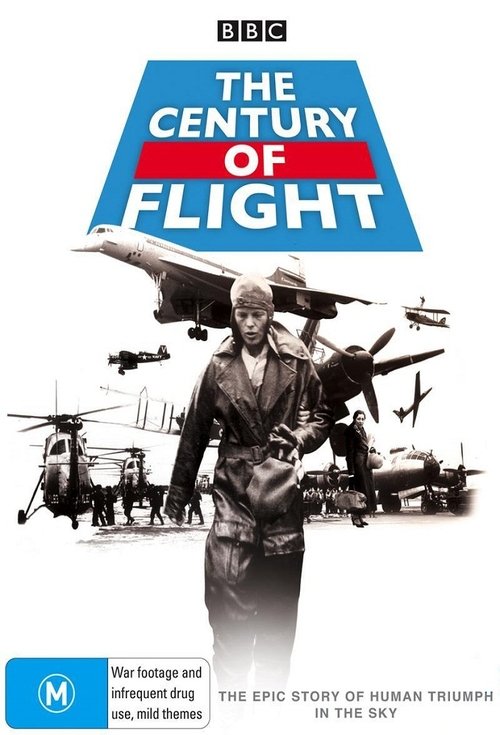
This definitive history of manned flight has been compiled into 26 hour episodes, with access to some of the rarest archive film ever taken. Unprecedented co-operation has been extended by the world's leading aircraft manufacturers and leading archive libraries. Included in the footage are shots of rare prototype accidents and failures which contributed to the inevitable achievement and success of man in the air. Since Charles Lindbergh became the first lone aviator to cross the Atlantic in 1927, air transport has greatly accelerated , revolutionised by the giant Boeing 747 Jumbo Jet - and what might we see in the 21st century?
1997
Myths die hard, and the history of the 20th century is no exception to this rule. Even today, we hold popular beliefs that we take for Evangelical truths. Thus, we believe that Hiroshima caused Japan to surrender, that the Marshall Plan saved Europe, that Adolf Hitler was a military genius, or that Mao Zedong was a necessary evil for China’s modernization. Of course, these judgements contain some truth; but, too broad-stroked to be accurate, they contradict the historical reality by denying its complexity. What if the truth was slightly different? Through an exploration of great national or international myths, this full archive documentary collection revisits the key moments of the 20th century with a new perspective in order to provide a new, smarter and more subtle interpretation, bringing elements to light that have been forgotten or sometimes overshadowed.
2019
Series charting the history of the warship.
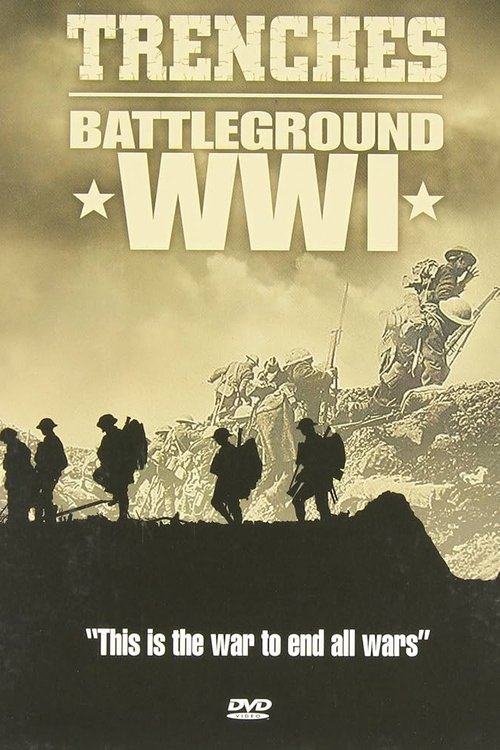
Experience firsthand "the war to end all wars." World War I was the first war in history to affect most of the globe, with battles fought on land, at sea and, for the first time, in the sky. This five-disc DVD set captures the experience almost a century after it happened, with rare footage, much of it never before released on DVD.
2006
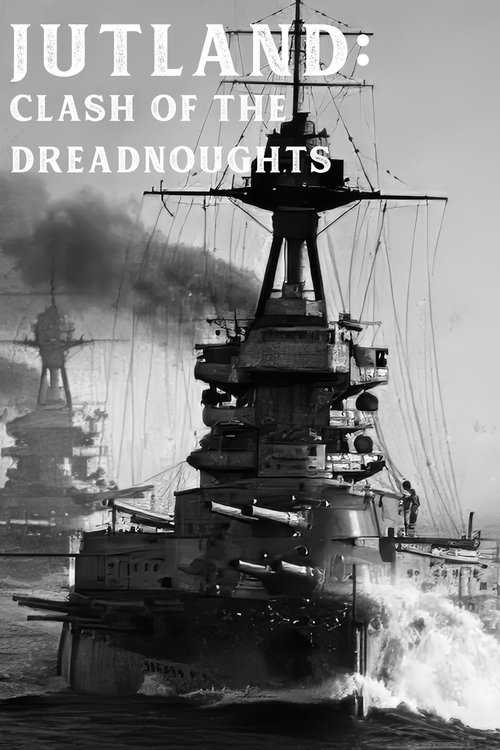
The only major fleet engagement of World War I, the Battle of Jutland has been surrounded by controversy ever since. The British public felt Admiral Jellicoe had failed – a reaction rooted in a hundred years of the 'Nelson cult', a conviction that anything short of a Trafalgar-style annihilation was letting the side down. On the 31st of May 1916 – 251 British and German battleships set out to annihilate one another in the North Sea. In a vicious engagement that lasted over 12 hours – 25 ships were sunk and 8,600 lives were lost. The German Fleet had sunk more ships and suffered fewer casualties, but the British had forced them to disengage and run for port. This two-hour special tells the true story of the battle. An international team of marine divers and historians set out to explore the wrecks of the great Dreadnoughts that lie 100 miles from shore and up to 60 metres deep. The dives will at last reveal why the British navy failed to score a decisive victory.
2004
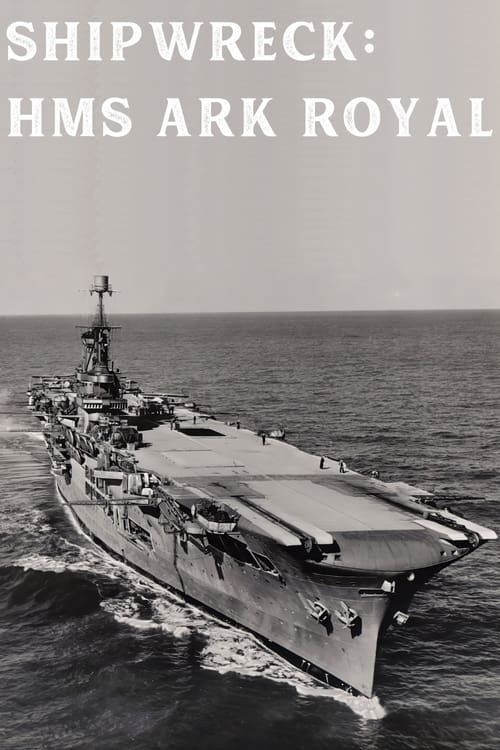
One of the Royal Navy's most modern aircraft carriers when the Second World War began, HMS Ark Royal was eventually sunk by a German torpedo. Now her wreck has been found in the Mediterranean, and veterans are among the first to see it. With Dan Snow.
In the aftermath of the Second World War, relations between the former allied eastern and western powers deteriorated fast. Suddenly, the small island nation found itself in the midst of the ensuing “cold-war”, which it used to its full benefit to catapult into the modern world. A founding member of the NATO alliance, Iceland provided an important base for forward operations in protection of NATO’s northern flank and Scandinavia and the approaches to North America by U.S. and allied forces.
2024
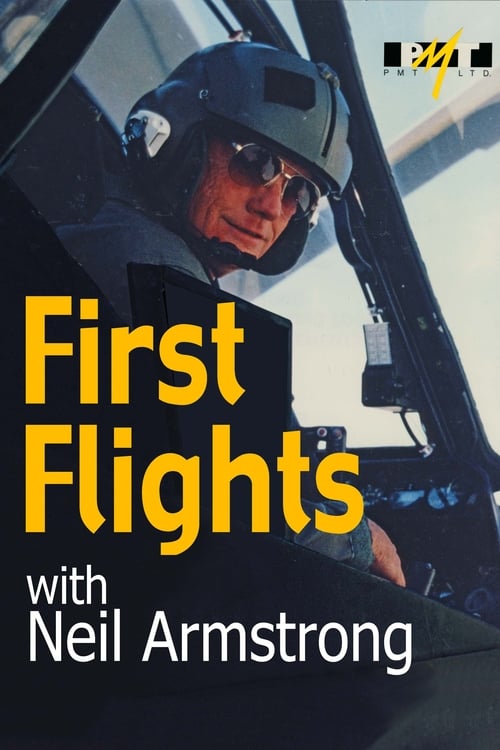
NASA Apollo astronaut Neil Armstrong adds to his long list of space flight & aviation accomplishments as he takes the controls of a variety of flying machines. Each episode blends historic footage, interviews, and flying. Armstrong takes you on an exhilarating adventure through time.
1991
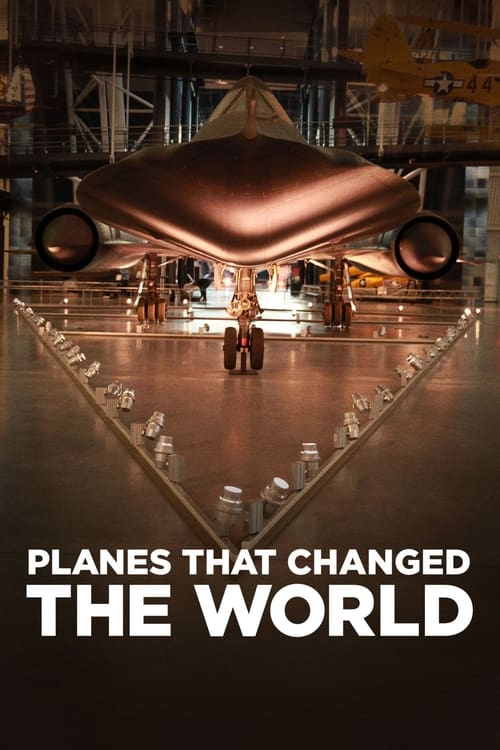
This new series features the fascinating stories of three of the most important commercial aircraft ever to take to the skies.
2015
The dramatized World War II adventures of US Major Gregory "Pappy" Boyington and his Marine Attack Squadron 214, AKA The Black Sheep Squadron.
1976
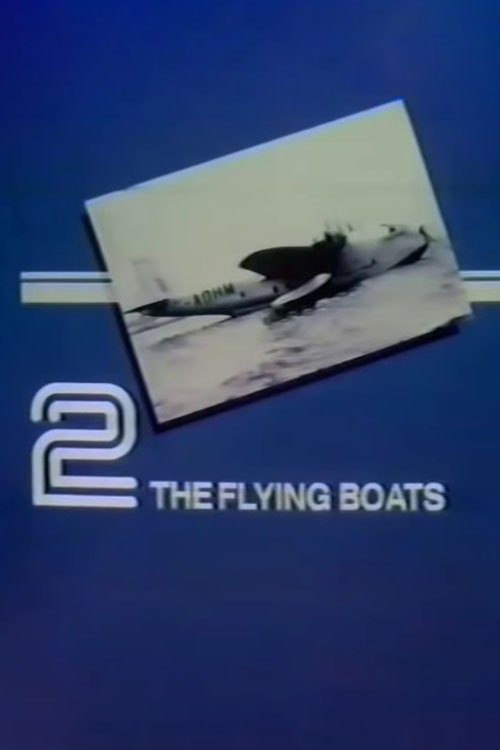
The story of flying boats is one of ingenuity and enterprise; of style during the dying days of Britain's imperial grandeur; of Coastal Command's war against the U-boats and of post-war skepticism that hastened their end. For all those who flew in them the flying boats were unique and unforgettable.
1980
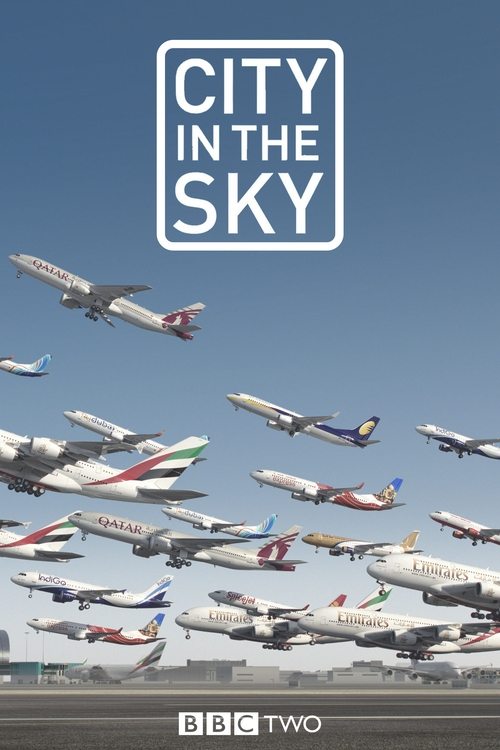
Dallas Campbell and Dr Hannah Fry investigate what it takes to get a million people and their luggage off the ground and up in the air. From building the world's biggest passenger plane to navigating through the busiest airport on the planet, to the perils of getting airborne in the coldest city on earth - Dallas and Hannah go to extremes to get under the skin of the remarkable story of departure. You will never look at flying in the same way again.
2016
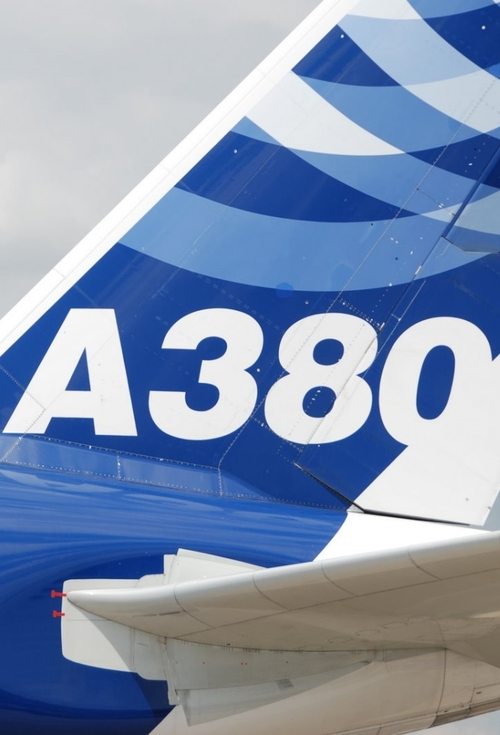
Examining the construction of the massive jet and the engineering and logistical challenges faced by its builders.
2005
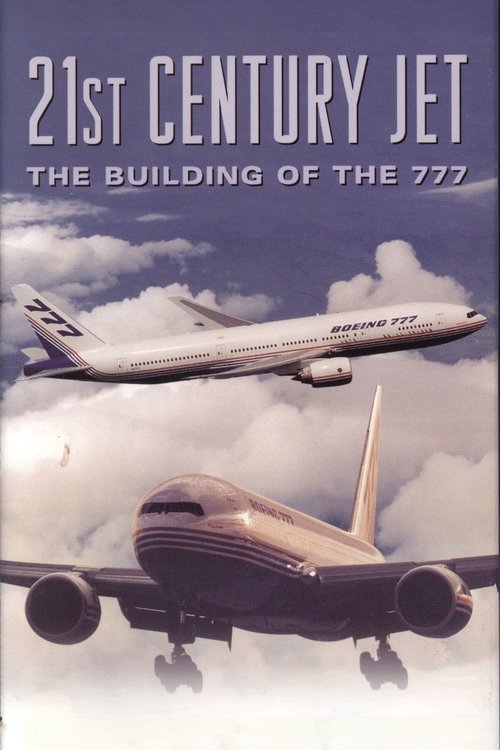
The Boeing Company develops their most technically advanced aircraft: the 777. From corporate conference rooms to factory floors, its extensive testing and first commercial flight, more than 10,000 people were involved in the creation of the new plane, assembled with parts from all over the world.
1996
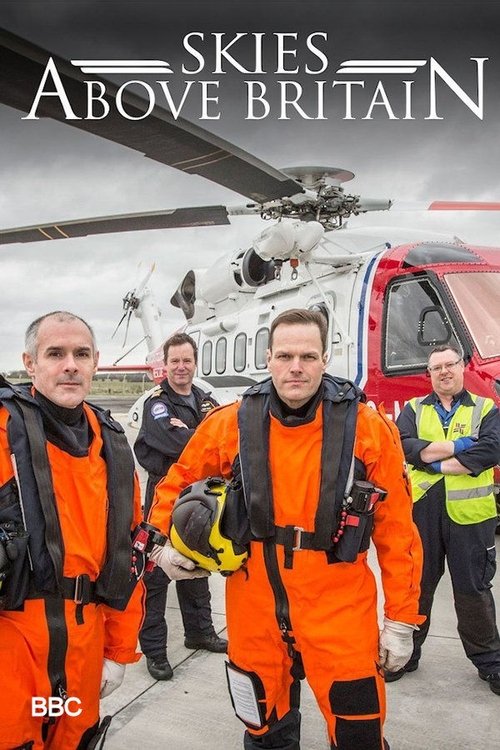
A look at the unseen side of aviation. With unprecedented access to the world of air traffic control, the series puts the spotlight on the hidden army of controllers whose job it is to keep our skies safe.