Season 1 · Episode 1
The annexation of Crimea by Russia in 2014 was the biggest in Europe since WWII - but how did they execute it? And what has happened since?
In March 2019, reports arise of UK Special Boat Service troops killed in Yemen. But they shouldn't be there - so what role did they play in the Yemeni Civil War?
In October 1993, an elite battle unit of the US army began a fairly straight-forward mission in Somalia's capital Mogadishu. But within minutes, it descended into chaos.
On 3 March 1992, Bosnia & Herzegovina gained its independence from Yugoslavia, leading to a complex war fuelled by ethnic tensions fought on many fronts.
As it escalates, look at the complex history behind the India-Pakistan border conflict in Kashmir, from the horrors of Partition all the way to rising tension in 2019.
The American involvement in Laos in the 1950s was long kept under wraps - but the story of their efforts to remove the communists, led by the CIA, is a devastating one.
In the 1980s, El Salvador and Nicaragua fought vicious civil wars - and spearheading the fight against communism, the US engaged. But how did it keep it secret?
It is a deadly war in the desert, and one we know barely anything about. In the northern Malian town of Timbuktu, formerly a rich city, a war has been raging since 2012.
The military coup is an age-old method to topple governments and take control by force. Go behind the scenes of some of the most dramatic in recent history.
Through a dissection of some of its deadly skirmishes and the parties involved, see the story behind the Gaza-Israel conflict and the devastating impact it has had.
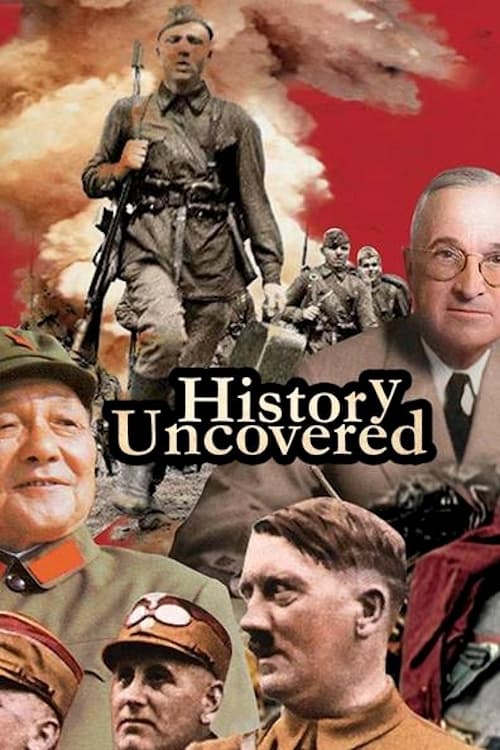
Myths die hard, and the history of the 20th century is no exception to this rule. Even today, we hold popular beliefs that we take for Evangelical truths. Thus, we believe that Hiroshima caused Japan to surrender, that the Marshall Plan saved Europe, that Adolf Hitler was a military genius, or that Mao Zedong was a necessary evil for China’s modernization. Of course, these judgements contain some truth; but, too broad-stroked to be accurate, they contradict the historical reality by denying its complexity. What if the truth was slightly different? Through an exploration of great national or international myths, this full archive documentary collection revisits the key moments of the 20th century with a new perspective in order to provide a new, smarter and more subtle interpretation, bringing elements to light that have been forgotten or sometimes overshadowed.
2019
HistoryMarche delves into the tactics, strategies, and impacts of historical battles, bringing them to life with detailed animations and creative storytelling. The channel balances education with engaging visuals, making complex military maneuvers accessible. With a focus on transparency, it highlights scholarly debates and speculative history, encouraging critical thinking. By blending storytelling and modern animation, HistoryMarche makes history dynamic, relevant, and visually compelling.
2018
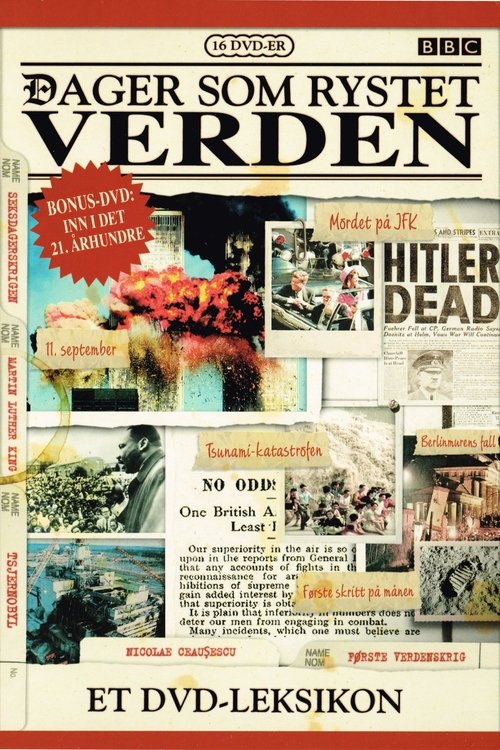
Days That Shook the World is a British documentary television series that premiered on BBC Two on 17 September 2003. The programme features various milestones throughout history. It has been broadcast on the BBC, Discovery Channel UK, The History Channel and Viasat History. The series was also released on DVD by the Polish edition of Newsweek in 2007.
2003
No description available.
2021
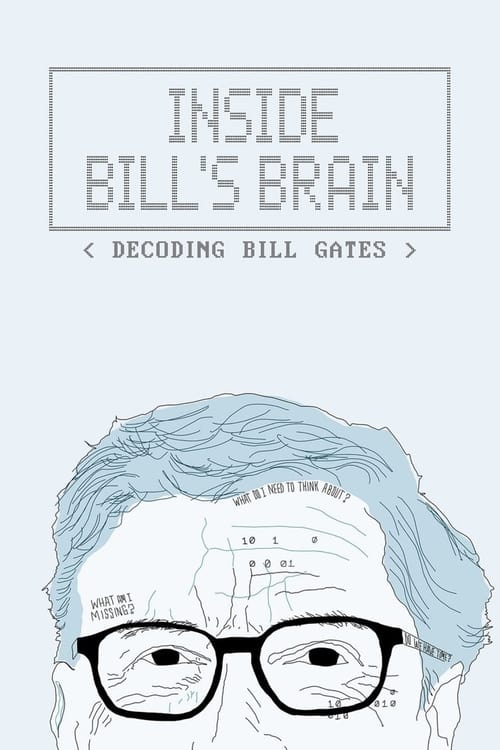
Take a trip inside the mind of Bill Gates as the billionaire opens up about those who influenced him and the audacious goals he's still pursuing.
Explore the magic and science of cinema. In each episode, Vsauce3’s Jake Roper takes you on an immersive journey into the world of a different movie; blending unscripted scientific exploration with narrative storytelling.
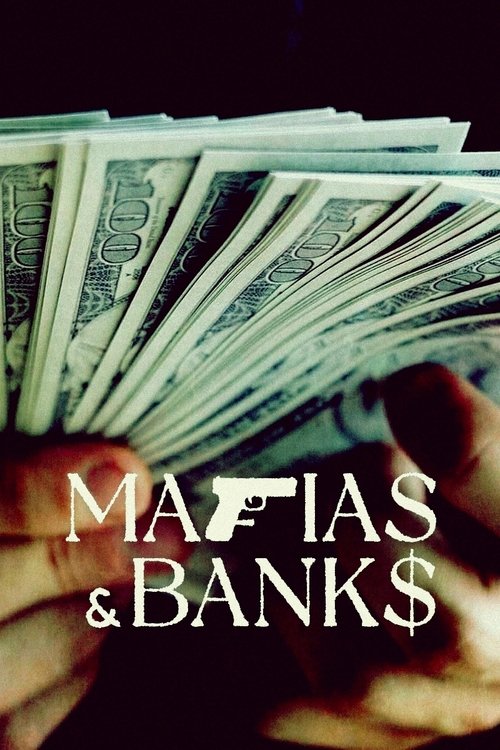
How, from the 1920s to the present day, financial power has gradually strengthened a hidden alliance with criminal organizations around the world.
2023
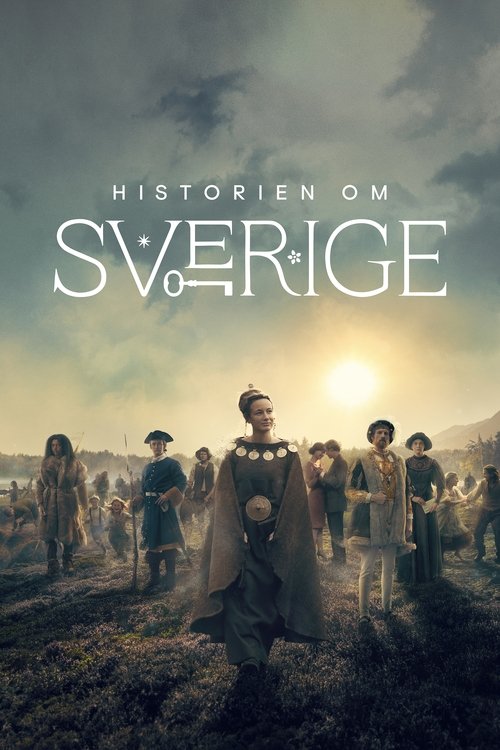
The great story of our country. About the people and forces that shaped it - from the Ice Age to the present day. Simon J Berger is the narrator of the series. The program series consists of ten parts and is based on reconstructions of historical events and people. Over 300 experts have contributed to the content and 100 of them appear in the series. The series' signature melody is composed by Ludwig Göransson and Per-Gunnar Juliusson.
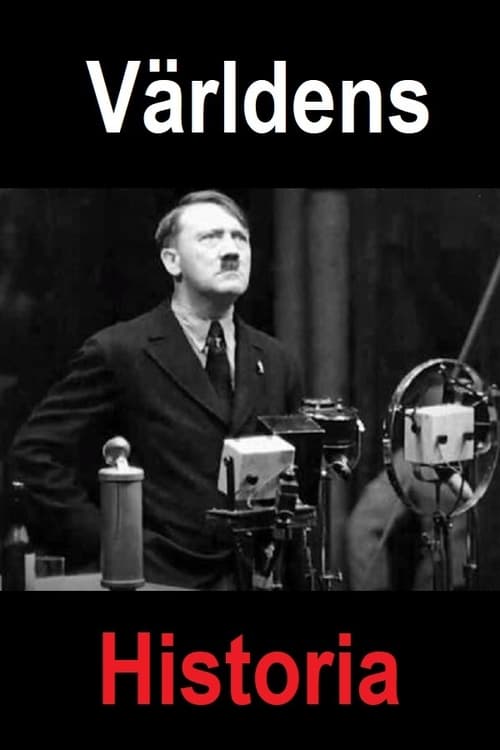
It's about human history, how humans shaped the world we live in. A history through cultures and civilizations - from early Mesopotamia to the industrial revolution. Documentary series from various european production company’s like BBC, SVT, NRK, DR, ARTE, Covering serveral topics of war, Persons Like Cleopatra, Hitler, George Washington, etc
2020
An intimate look inside the highs and lows of year one at LeBron James’ I Promise School, serving the most at-risk students and families in his hometown of Akron, Ohio.
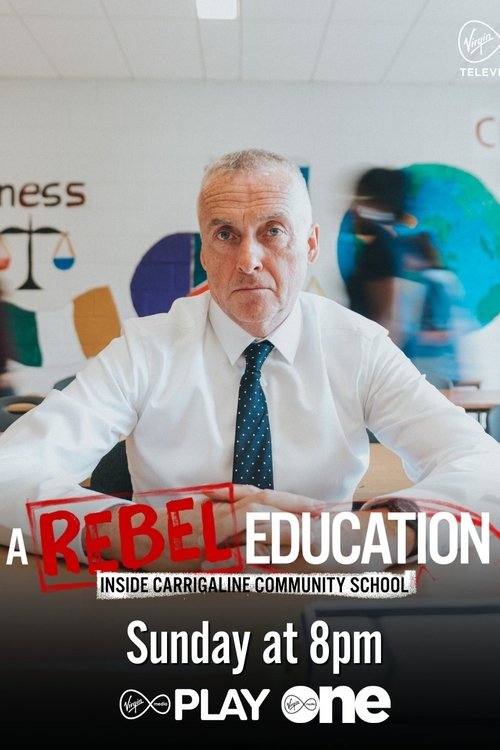
The new series offers an unfiltered and emotional look at life inside a modern Irish secondary school showcasing the trials and tribulations of teen life filmed over the course of an academic year in Cork
2025
In a unique experiment, five teachers from China take over the education of fifty teenagers in a Hampshire school to see whether the high-ranking Chinese education system can teach us a lesson.
2015
What would we be without mucus? Can we live on water? How much does life weigh? Finding out the answers is the aim of ARTE's new science show. In a nod to Douglas Adams's "Hitchhiker's Guide to the Galaxy", where the figure 42 is the ultimate answer to all questions, 42 tries to provide the answers.
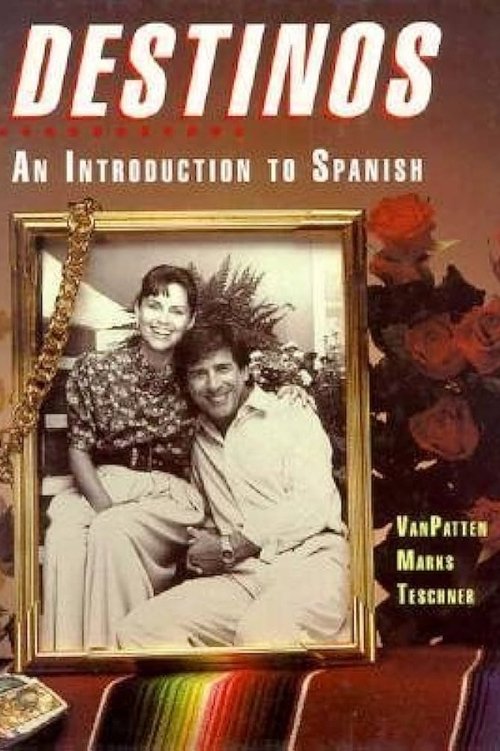
Destinos: An Introduction to Spanish, also known simply as Destinos, is an educational television program created by Bill VanPatten, who was, at the time, Professor of Spanish and Second Language Acquisition at the University of Illinois at Urbana Champaign. The show, designed to introduce viewers to the basics of Spanish, had two seasons, beginning in 1992. Its 52 episodes are often used for educational purposes in schools and are still broadcast regularly on many PBS stations, as well as many local channels. Destinos was produced by WGBH Boston and funded by the Annenberg/CPB Project, with additional funding by the Geraldine R. Dodge Foundation.
1992
Improving the daily lives of rural people has allowed China to tackle poverty like no other countries. In our 12-part series, through the comparison between the past and the present, the program looks back at the poor living conditions in the past, while presenting the happiness of today.
Crash Course World History is a video course hosted by John Green that teaches world history from growing the first crops in the First Agricultural Revolution to global textile production in the 2010s. Across the series, it builds skills in identifying and explaining historical developments, analyzing events in broader context, and tracing patterns and connections across time and place—aiming to help viewers become more informed citizens of the world. Season 1 follows the 2012 AP World History curriculum in a 42-episode chronological survey, while Season 2 continues in 30 episodes with a more thematic approach that focuses on systems and encourages viewers to question how “history” is written and what biases shape it.
2012