Season 1 · Episode 1
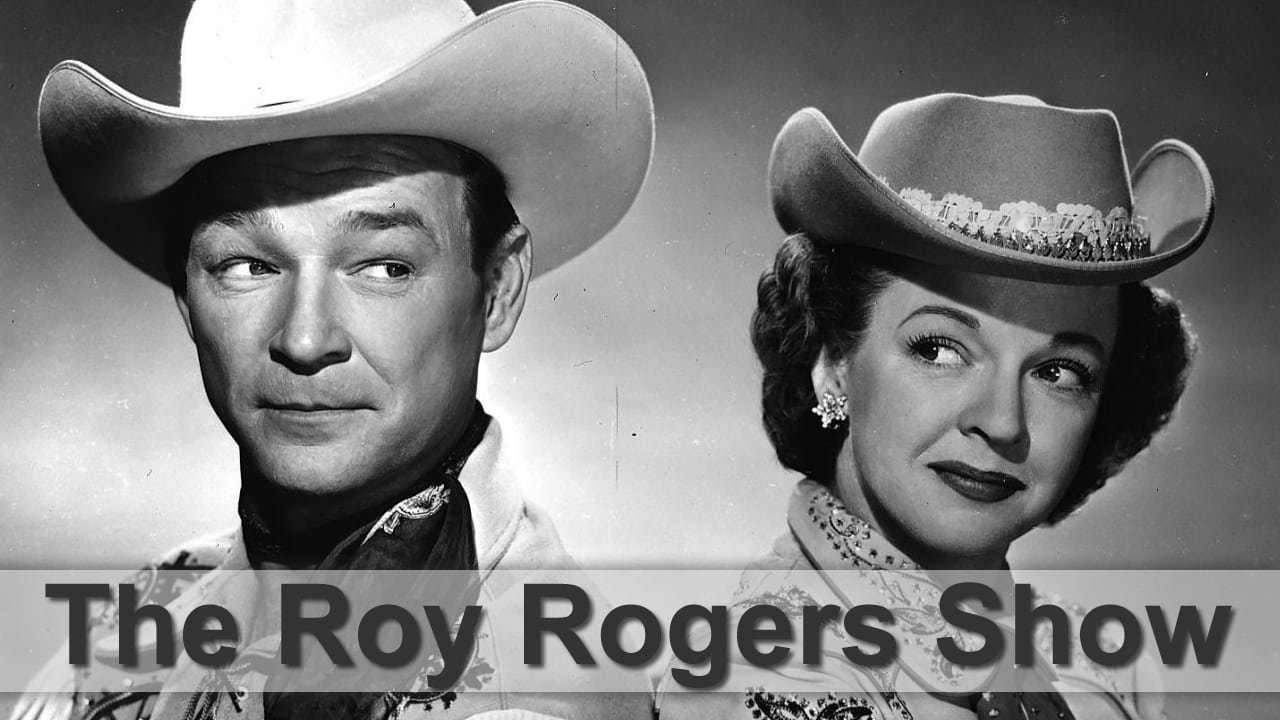
Dale helps a young man to escape from jail after he has been falsely accused of the murder of his intended bride's father.
Crafty old Doc Stevens drives around with a ""traveling store,"" actually a bilnd for a transmitter used to send information to a gang of dangerous criminals.
Roy blocks a gang's attempts to murder trapper Granny Hobbs when she refuses to sell her land. When the outlaws threaten to have Granny declared insane in order to take over her property, the clever old lady helps Roy and Dale to set a trap for them.
A scheming saloon hostess who married a miner and then had him murdered after gaining control of his treasure map, menaces her stepson in order to take possession of the third of the map which he holds.
The local postmaster, who also runs the general store, hires two crooks to blow up and rob a train carrying a valuable bank shipment.
Eleven-year-old Larry Trumball is loyal to his brother Stu, and thus keeps Roy and Dale from catching Stu after he has killed a man and committed a robbery. Although Larry appears incorrigible, Dale believes that ""fundamentally, he's a fine boy,"" so she and Roy set out to teach him about misplaced loyalty.
Thelma Young, a waitress in Dale's cafe, is interrogated by an FBI agent because she is romantically involved with Chick Dillon, a cheap thug who subsequently returns to Mineral City and kidnaps Dale and the foolish Thelma.
Bill Harris is mistaken for his twin brother Jim, who was convicted for stealing important government documents.
A town in the desert, not surveyed and thus under no township or county's jurisdiction, is a haven for criminals who are safe from the law in their community. Roy and Pat pose as outlaws in order to invade ""No Man's Land"" and lead the criminals away from their protected area.
Bank Employee Jed Collins is framed for embezzlement by the bank's head bookkeeper, who is in cahoots with the notorious Lawson gang. Jed is forced to join the gang until Roy can help prove his innocence, to the delight of Jed's trusting little daughter.
Roy, Dale and Pat help a wounded sheriff to hold the Hannon gang at bay in a desert oasis town near Dead Man's Hills.
A government agent poses as a minister's son in order to capture a gang of counterfeiters.
Jim Barton finds himself in considerable trouble, much to the distress of his wife and housekeeper. He is captured by an unscrupulous rancher who wants to buy his ranch, on which a gold mine has been discovered.
An elderly invalid donates a large sum of money in cash for the construction of a clinic. When her cash is inadvertently turned over to a crook posing as an armed guard, Roy and Dale must track down the imposter.
Dude Dalhart and Cherokee Tim arrive in Mineral City and blackmail a bank teller who once killed a man and served a prison term. They threaten to reveal his past unless he helps them stage a bank robbery.
Don Jose traditionally leads the annual Ride of the Ranchers in Paradise Valley. This year, during his absence, a gang of outlaws attack his hacienda where Dale and the other women are gathered. Roy returns in time to prevent Don Jose's strongbox from being taken.
Dale is on a stagecoach carrying her father's cattle money, as is a picture-taking dude named Elmer Kirby. Elmer asks Pat Brady to pose as a desperado for a photograph. He later tells everyone that the picture depicts vicious outlaw Mark Opal.
Indian Ruby Barton's husband has been murdered by a former racketeer, now posing as a harmless old invalid. When guilt seems to point to Ruby's uncle, Roy and Dale investigate the case and clear the Indian of all charges.
A dying prospector tells Roy the map of his gold mine is hidden in the lower end of a shaft in the old Bedford Mine. When his widow arrives in Mineral City, Roy and Dale help her to find the map.
Pat Brady buys a disreputable old ghost town called Lucky Springs, inhabited by an old desert rat named Webb Jenkins who has found a cache of counterfeit gold pieces.
Dale pretends to have funds she wants Mayor Ralph Colton to help her invest-actually a pretext for her visit to the town where Colton is suspected of being dishonest. Coincidentally, the mayor's mother arrives in town along with Roy and Dale, unaware that her son is being blackmailed into shielding an outlaw gang.
A young whip artist in a carnival is framed in the murder of his boss, who has opposed the young man's courtship of his daughter.
Pat Brady is elected sheriff of Martin County just in time to apprehend the man who shot Appalachian mountaineer Cliff Miller.
The story of an English aristocrat, Lady Sarah Ashley, who inherits a large cattle ranch in Australia after her husband dies. When Australian cattle barons plot to take her land, she joins forces with a cattle drover to protect her ranch.
2023
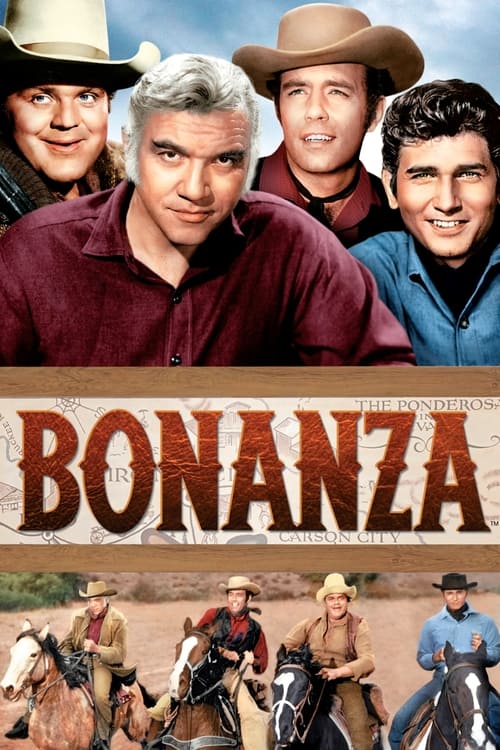
The High-Sierra adventures of Ben Cartwright and his sons as they run and defend their ranch while helping the surrounding community.
1959
The Man from Snowy River is an Australian television series based on Banjo Paterson's poem "The Man from Snowy River". Released in Australia as Banjo Paterson's The Man from Snowy River, the series was subsequently released in both the United States and the United Kingdom as Snowy River: The McGregor Saga. The television series has no relationship to the 1982 film The Man from Snowy River or the 1988 sequel The Man from Snowy River II. Instead, the series follows the adventures of Matt McGregor, a successful squatter, and his family. Matt is the hero immortalized in Banjo Paterson's poem "The Man from Snowy River", and the series is set 25 years after his famous ride.
1994
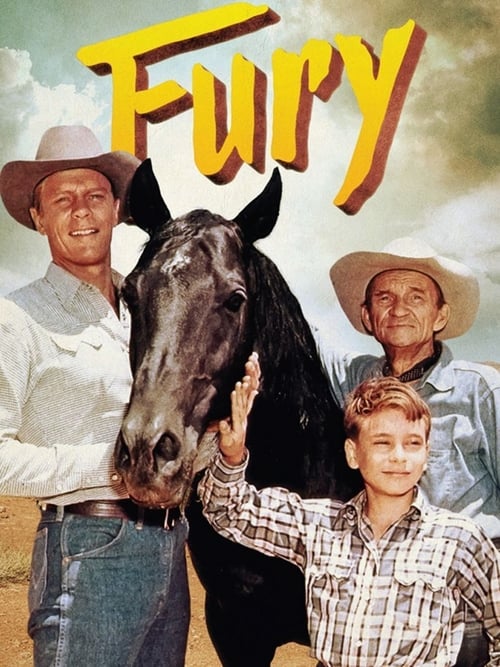
Fury is an American western television series that aired on NBC from 1955 to1960. It stars Peter Graves as Jim Newton, who operates the Broken Wheel Ranch in California; Bobby Diamond as Jim's adopted son, Joey Clark Newton, and William Fawcett as ranch hand Pete Wilkey. Roger Mobley co-starred in the two final seasons as Homer "Packy" Lambert, a friend of Joey's. The frequent introduction to the show depicts the beloved stallion running inside the corral and approaching the camera as the announcer reads: "FURY!..The story of a horse..and a boy who loves him." Fury is the first American series produced originally by Television Programs of America and later by the British-based company ITC Entertainment.
1955
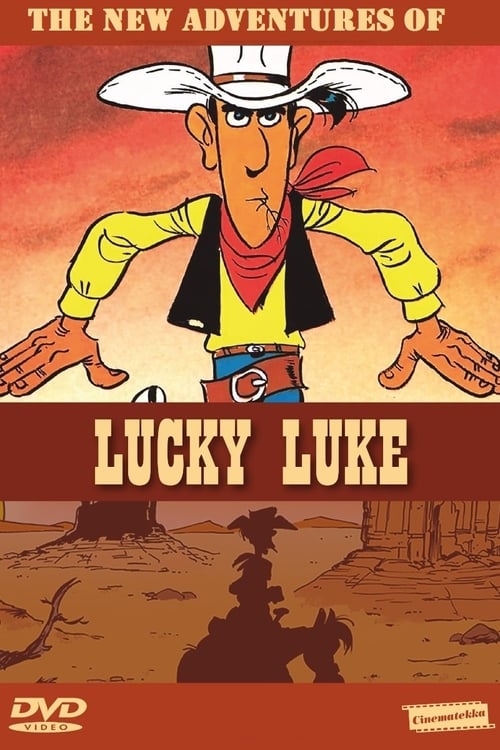
The cowboy who draws a gun faster than his shadow is back! Lucky Luke, the famous wandering cowboy fights crime and injustice, most often in the form of the bumbling Dalton brothers. He rides Jolly Jumper, "the smartest horse in the world" and is often accompanied by Rantanplan, "the stupidest dog in the universe".
2001
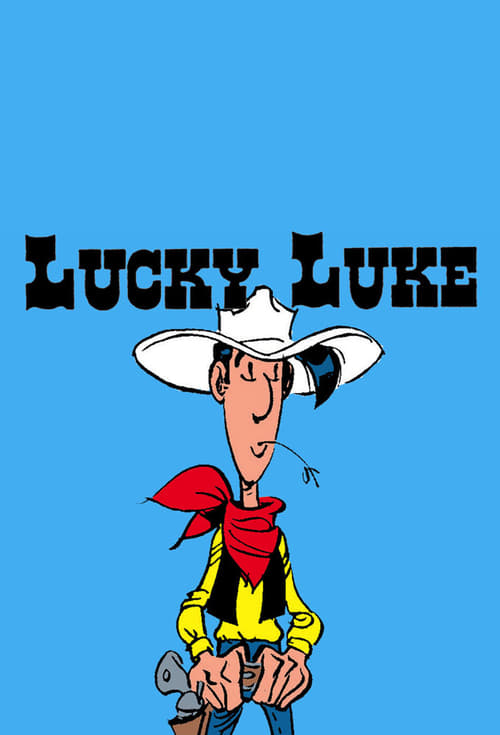
Lucky Luke, with his horse Double Six, travels the Old West to right wrongs and bring evildoers (usually his traditional enemies the Dalton Brothers) to justice. "The man who shoots faster than his shadow."
1984
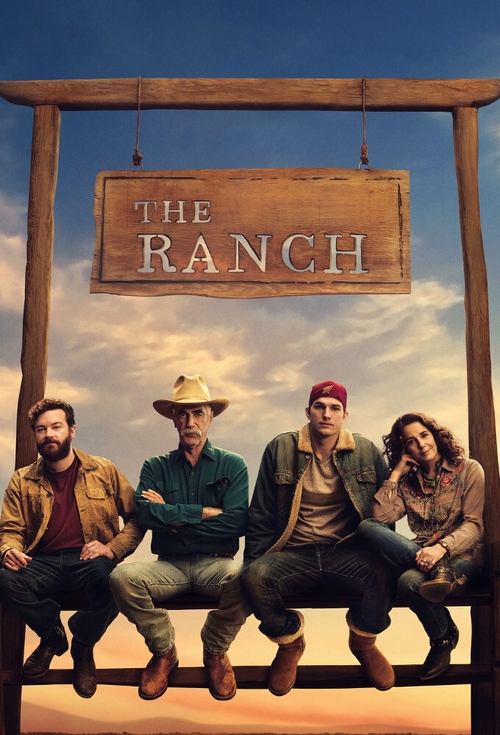
Being a pro athlete didn't pan out for Colt. Now he's helping his dad and brother keep the ranch afloat, and figuring out how he fits into the family.
2016
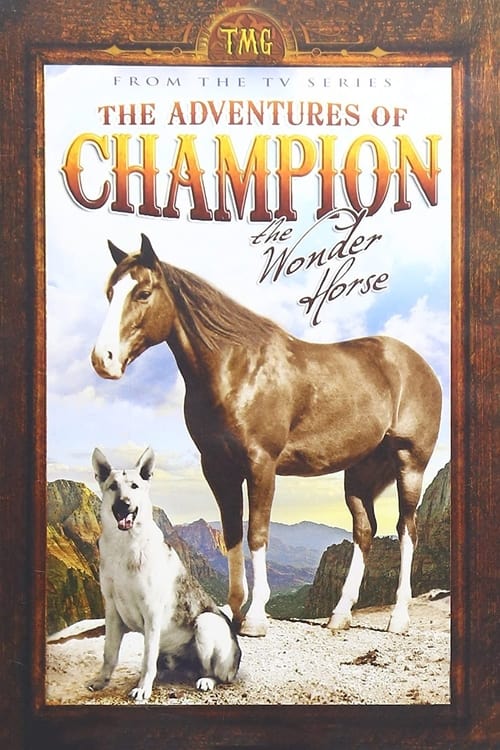
The Adventures of Champion follow a wild stallion named Champion, who remarkably becomes friends with a young boy named Ricky North.The show followed the boy and the horse as they went on crazy adventures in the Southern West during the late 1800s.
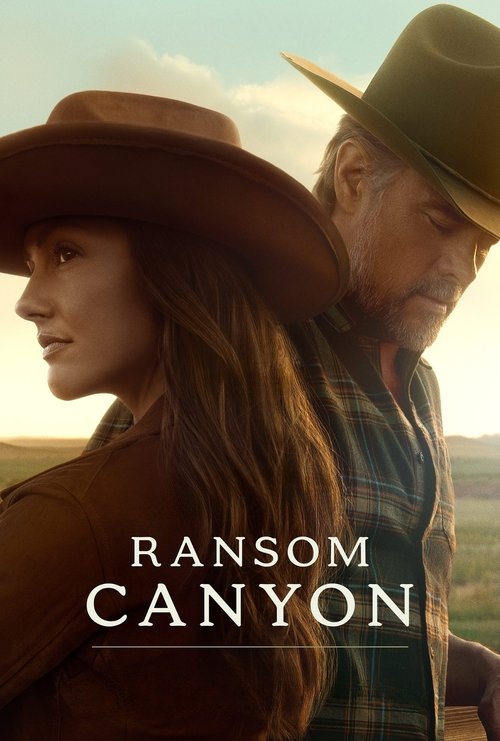
Passions run deep in a small Texas town, as three ranching dynasties fight for their land, their legacies and the people they love.
2025
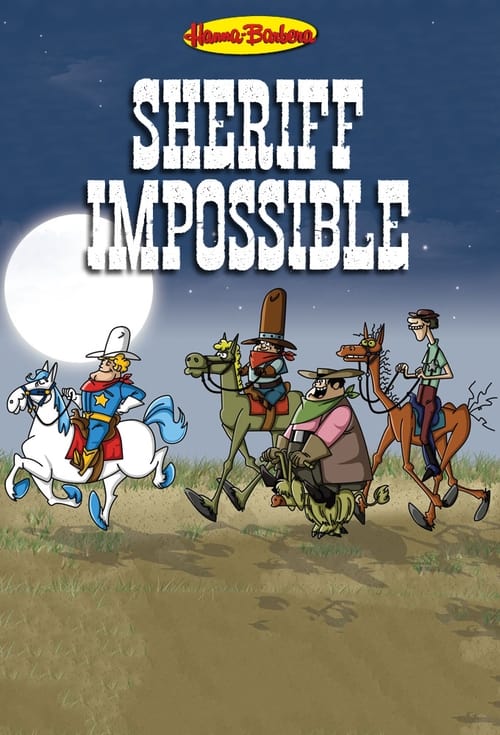
No description available.
1977
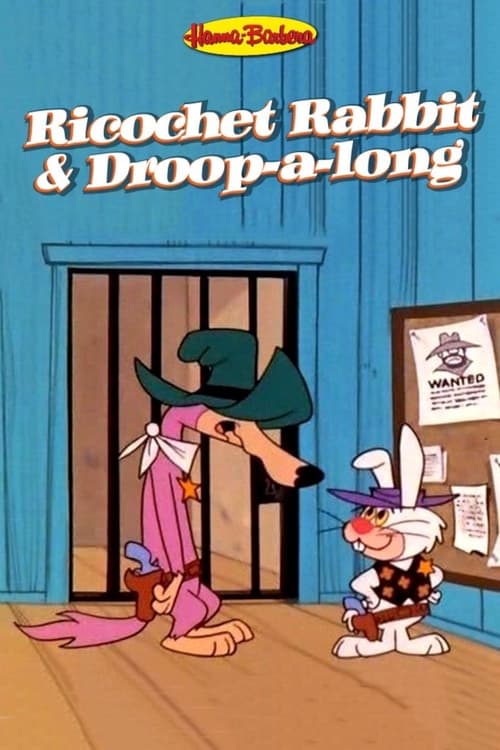
Taking place in a Wild West setting, Ricochet Rabbit works as a sheriff in the town of Hoop 'n' Holler. Ricochet bounces off stationary objects yelling "Bing-bing-bing!" His deputy and foil Droop-a-Long Coyote is not as fast and is very clumsy.
1964
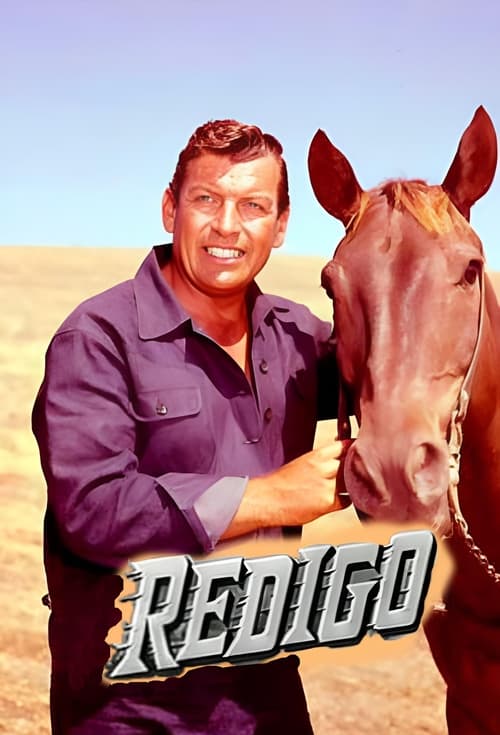
Redigo is a 15-week Western dramatic series, set on a New Mexico ranch during the early 1960s, which aired over NBC from September 24 to December 31, 1963. The series features Richard Egan as ranch owner Jim Redigo, Roger Davis as Mike the ranch hand, and Elena Verdugo as Gerry. Don Diamond appeared in four episodes, three as the character Arturo. Redigo was the truncated second half-hour season of the previous one-hour series, Empire, which aired from September 25, 1962, to May 13, 1963. Both programs were placed on the Tuesday evening schedule against CBS's The Red Skelton Show. Redigo also lost out in the ratings to the ABC military sitcom, McHale's Navy, starring Ernest Borgnine and Tim Conway. In Redigo, Egan's character Jim Redigo was no longer the manager of the large Garrett Ranch but the owner of his own smaller spread nearby. The half-hour format made it hard for the program to develop complex characters as had been done in the initial one-hour version of the show.
1963
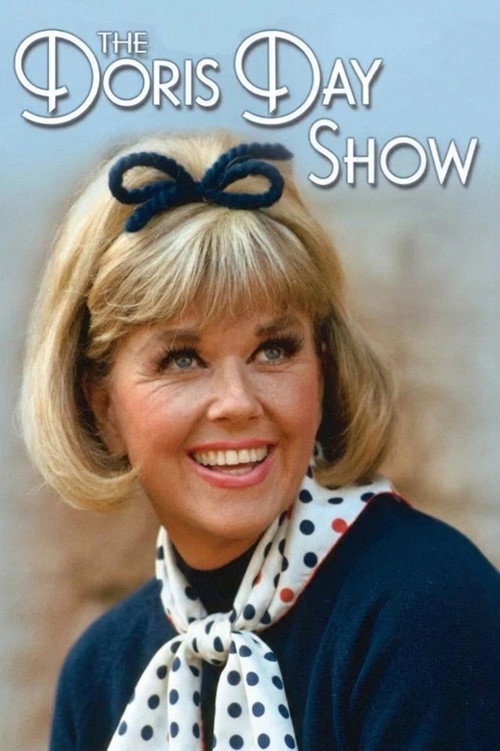
The Doris Day Show is an American sitcom that was originally broadcast on the CBS network from September 1968 until March 1973, remaining on the air for five seasons and 128 episodes. In addition to showcasing Doris Day, the show is remembered for its many abrupt format changes over the course of its five-year run. It is also remembered for Day's statement, in her autobiography Doris Day: Her Own Story, that her husband Martin Melcher had signed her to do the TV series without her knowledge, a fact she only discovered when Melcher died of heart disease on April 20, 1968. The TV show premiered on Tuesday, September 24, 1968.
1968
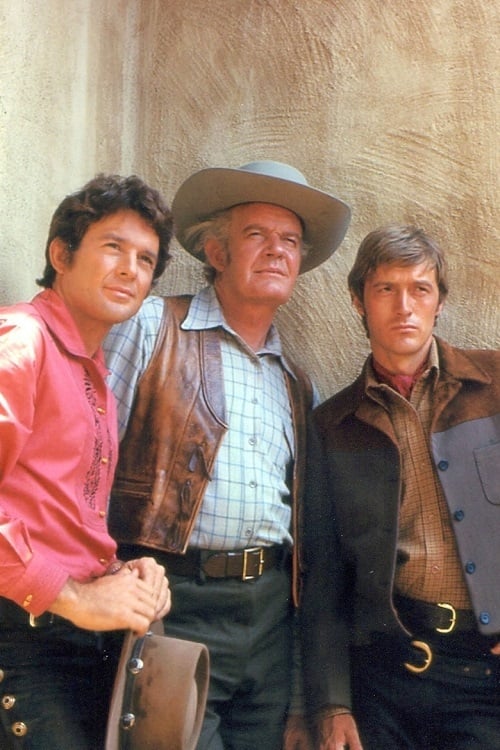
Lancer is an American Western series that aired on CBS from September 1968, to May 1970. The series stars Andrew Duggan, James Stacy, and Wayne Maunder as a father with two half-brother sons, an arrangement similar to the more successful Bonanza on NBC.
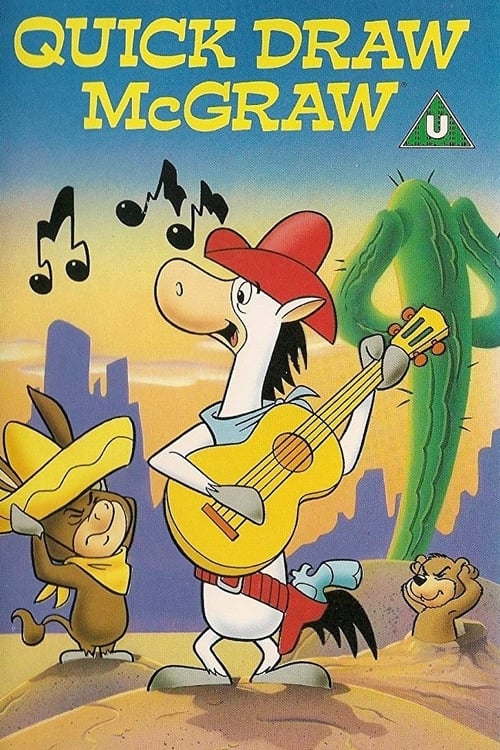
The Quick Draw McGraw Show is the third cartoon television production created by Hanna-Barbera, starring an anthropomorphic cartoon horse named Quick Draw McGraw. The series featured 3 cartoons per episode, one each by Quick Draw McGraw & Baba Looey, father and son dog duo Augie Doggie & Doggie Daddy, and cat and mouse detectives Snooper & Blabber.
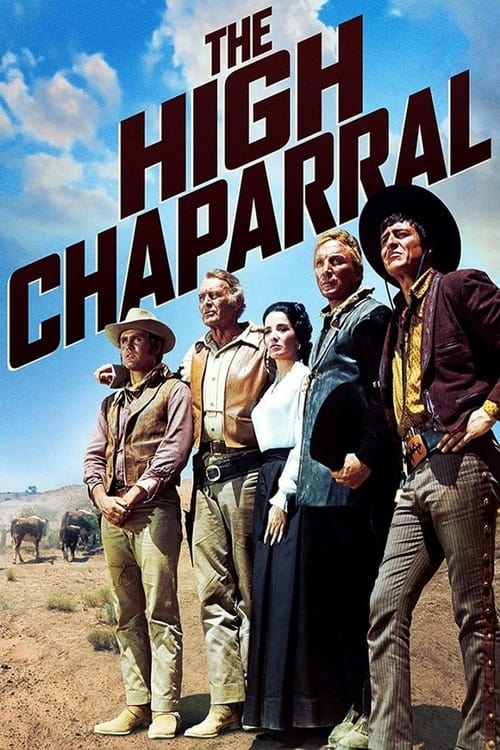
The High Chaparral is an American Western-themed television series starring Leif Erickson and Cameron Mitchell which aired on NBC from 1967 to 1971. The series, made by Xanadu Productions in association with NBC Productions, was created by David Dortort, who had previously created the hit Bonanza for the network. The theme song was also written and conducted by Bonanza scorer David Rose, who also scored the two-hour pilot.
1967