Season 1 · Episode 1
Trilobites are famous not just because they were so beautifully functional, or because they happened to preserve so well. They’re known the world over because they were everywhere!
During the Cretaceous Period, dinosaurs were more diverse, more fierce, and more strange than ever. But something else was happening under the feet of the terrible lizards: for the first time in history, there were flowers.
There are animals in the fossil record that challenge some of our most basic ideas about what animals are supposed to look like. If there ever was a monster on this planet that was worthy of the name, it might have been the Tully Monster.
If you take it as a given that extinct dinosaurs were all weird and wonderful, then you gotta at least consider that Stegosaurus was one of the weirdest and wonderfulest.
We know a lot about dinosaurs but there’s one question that has plagued paleontologists for decades: what color were they?
Smilodon was a fearsome Ice Age cat, the size of a modern-day tiger, that had a pair of fangs nearly 18 centimeters long. But it was only the last and largest of the great sabertooths: ridiculously long canines had already been a trend for millions of years by the time Smilodon was prowling around. And you know what? Those giant teeth just might make a comeback.
What if we told you that there was a time when oxygen almost wiped out all life on Earth? 3 billion years ago, when the world was a place you’d never recognize, too much of a good thing almost ruined everything for everybody.
Today, we’re familiar with two types of flying vertebrates -- birds and bats. But over 66 million years ago, there was a giraffe-sized reptile that soared through the sky.
With its lizard-like appearance and that distinctive sail on it back, Dimetrodon is practically the mascot of the Palaeozoic Era, a time before flowers, birds, mammals, and even crocodiles. But if you take a close look at this sail-backed animal, you might see a little bit of yourself.
Natural history is full of living things that were long thought to have gone extinct only to show up again, alive and well. Paleontologists have a word for these kinds of organisms: They call them Lazarus taxa.
There are many fossils that challenge our ability to form even the most basic idea of how a living thing looked, or lived, or functioned. One of the longest-running of these mysteries involved a 270-million-year-old sea creature called Helicoprion that once swam the seas around the supercontinent of Pangea.
Insects outnumber humans by a lot and we only like to think we're in charge because we're bigger than they are. But insects and other arthropods weren’t always so small. About 315 million years ago during the Carboniferous Period, they were not only abundant: they were enormous.
Fossil fuels are made from the remains of extinct organisms that have been exposed to millions of years of heat and pressure. But in the case of coal, these organisms consisted largely of some downright bizarre plants that once covered the Earth, from Colorado to China.
Part of why we’re so fascinated with extinct dinosaurs it’s just hard for us to believe that animals that huge actually existed. And yet, they existed! From the Jurassic to the Cretaceous Periods, creatures as tall as a five-story building were shaking the Earth.
Besides the blue of the oceans, the dominant color of our planet, as we know it, is green. But imagine a time when the Earth looked a little … purple.
Crocodiles, horseshoe crabs and tuatara are animals that have persisted for millions of years, said to have gone unchanged since the days of the dinosaurs. But even the most ancient-looking organisms show us that evolution is always at work.
We know whales as graceful giants bound to the sea. But what if we told you there was actually a time when whales could walk.
Our image of dinosaurs has been constantly changing since naturalists started studying them about 350 years ago. Taken together, these pictures can tell us a whole lot about just how much we have learned. Let's explore the history of dinosaur science as seen through the history of dinosaur art.
By looking at the layers beneath our feet, geologists have been able to identify and describe crucial episodes in life’s history. These key events frame the chapters in the story of life on earth and the system we use to bind all these chapters together is the Geologic Time Scale.
More than 4 billion years ago, the crust of the Earth was still cooling and the oceans were only beginning to form. But in recent years, we’ve started to discover that, even in this hellish environment, life found a way.
Over the past 20 years, dinosaurs of all types and sizes have been found with some sort of fluff or even full-on plumage. These fuzzy discoveries have raised a whole batch of new questions so we're here to tell you everything we know about dinosaurs and feathers.
Imagine an enormous, lush rainforest teeming with life...in the Arctic. Well there was a time -- and not too long ago -- when the world warmed more than any human has ever seen. (So far)
Probably twice the size of a modern gorilla, Gigantopithecus is the greatest great-ape that ever was. And for us fellow primates, there are some lessons to be learned in how it lived, and why it disappeared.
420 million years ago, a giant feasted on the dead, growing slowly into the largest living thing on land. It belonged to an unlikely group of pioneers that ultimately made life on land possible -- the fungi.
Professor Robert Winston meets Lucy, the first upright ape, and follows her ancestors on the three-million-year journey to civilisation.
2003
Experience the wonders of our world like never before in this epic series from Jon Favreau and the producers of Planet Earth. Travel back 66 million years to when majestic dinosaurs and extraordinary creatures roamed the lands, seas, and skies.
2022
Combining fact and informed speculation with cutting-edge computer graphics and animatronics effects, the series set out to create the most accurate portrayal of prehistoric animals ever seen on the screen.
1999
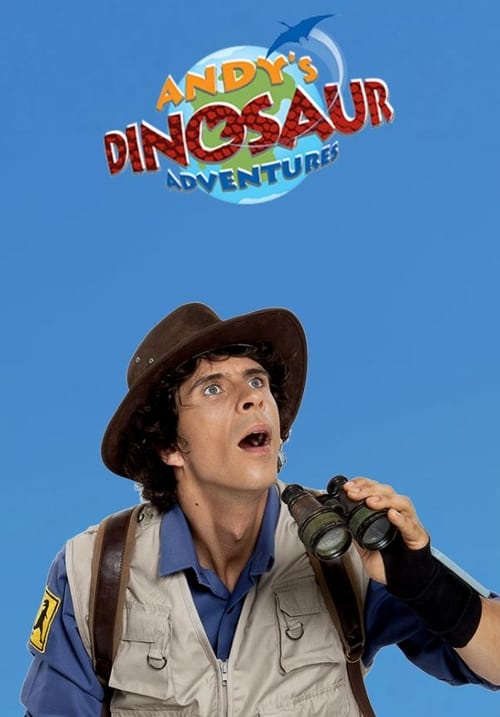
Andy works at the National Museum in the Dinosaur Gallery with Hatty. After part of an exhibit is damaged or needs replacing, Andy travels back in time to age of Dinosaurs using the Old Museum Clock to find a replacement piece. He encounters many Dinosaurs and other creatures that lived at the same time.
2014
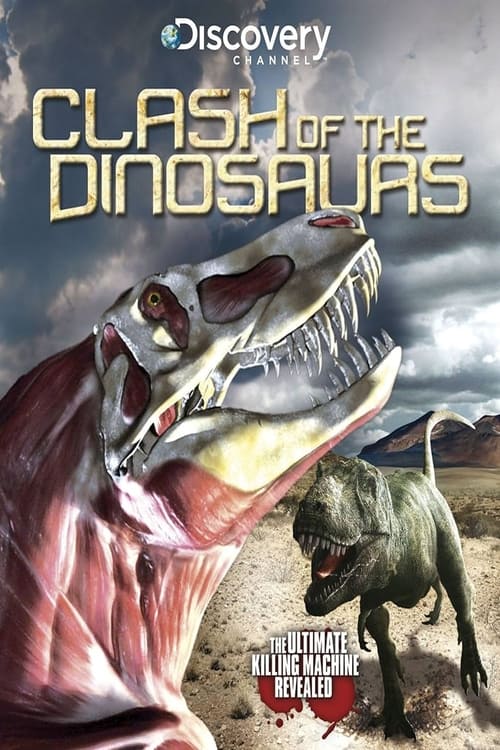
For the first time in 65 million years, innovative imaging technology enables viewers to see deep inside the body of a dinosaur to reveal the secrets of these ultimate prehistoric survival machines. Combining cinematic photo-real 3d graphics and leading-edge anatomy and paleontology, "Clash of the Dinosaurs" is a four-part special that peels back the skin, muscles and bones to show how they survived in such a violent world.
2009
No description available.
2024
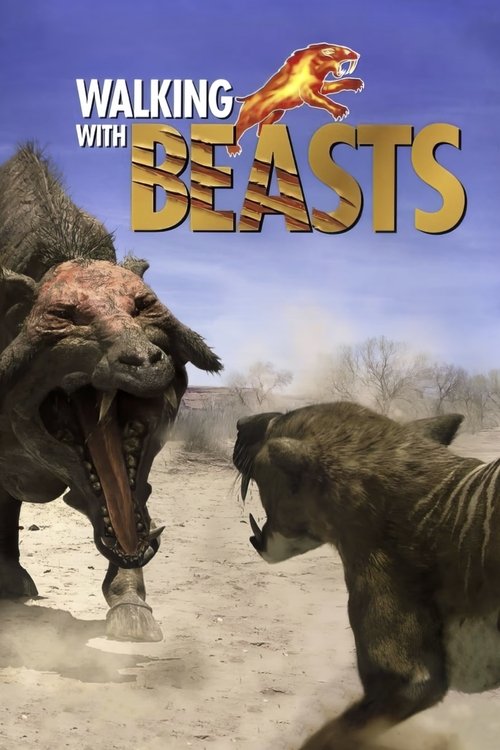
Walking With Prehistoric Beasts explores how life on earth first began. Using real footage, the series goes inside the body of our monster ancestors. For the first time, morphing technology is used to reveal how our ancestors evolved.
2001
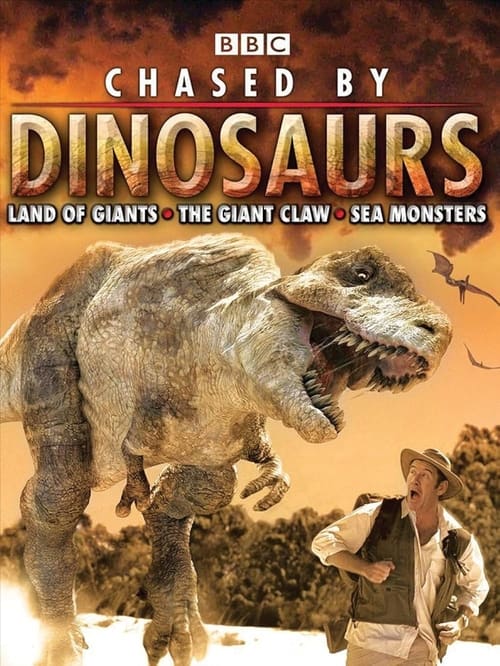
A Walking with Dinosaurs Special - broadcast in North America as Chased by Dinosaurs - is a two-part British documentary film series featuring Nigel Marven and his "team of fellow explorers" as time-travellers who encounter dinosaurs in the wild. Most of the creatures were not featured in the original Walking with Dinosaurs series.
2002
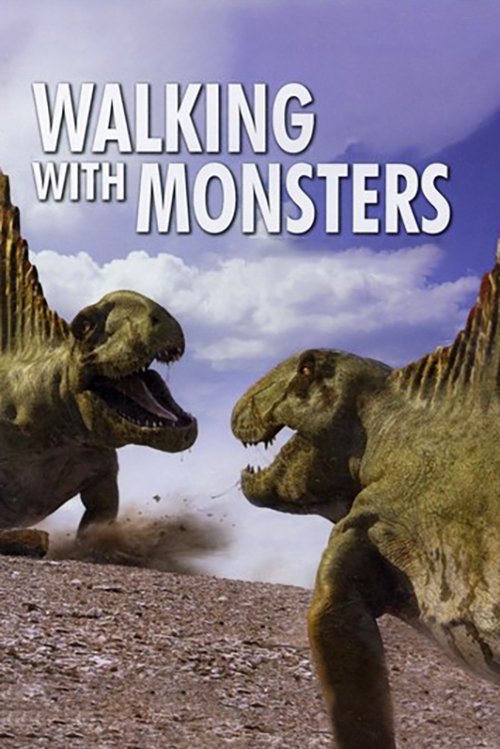
A three-part British documentary film series about life in the Paleozoic, bringing to life extinct arthropods, fish, amphibians, synapsids, and reptiles. Narrated by Kenneth Branagh and using state-of-the-art visual effects, this prequel to Walking with Dinosaurs shows nearly 300 million years of Paleozoic history, from the Cambrian Period (530 million years ago) to the Early Triassic Period (248 million years ago).
2005
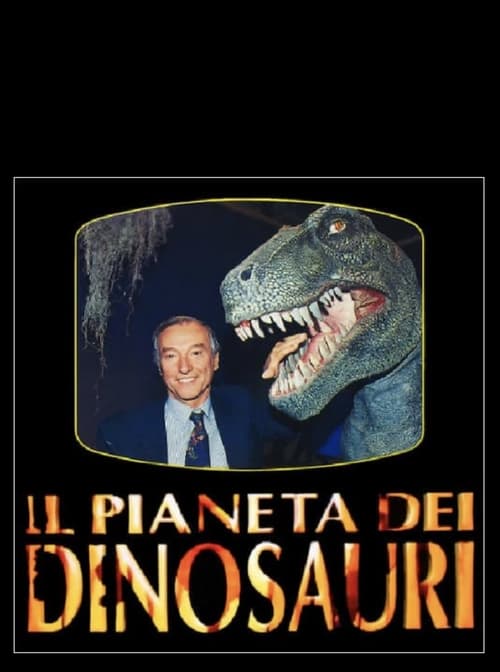
Il planet of the dinosaurs was a television documentary series, hosted by Piero and Alberto Angela in 1993, dedicated to the life of the Dinosaurs studied by the reconstructions, thanks to the co-production with Agip and the advice of Professor Dale Russell.
1993
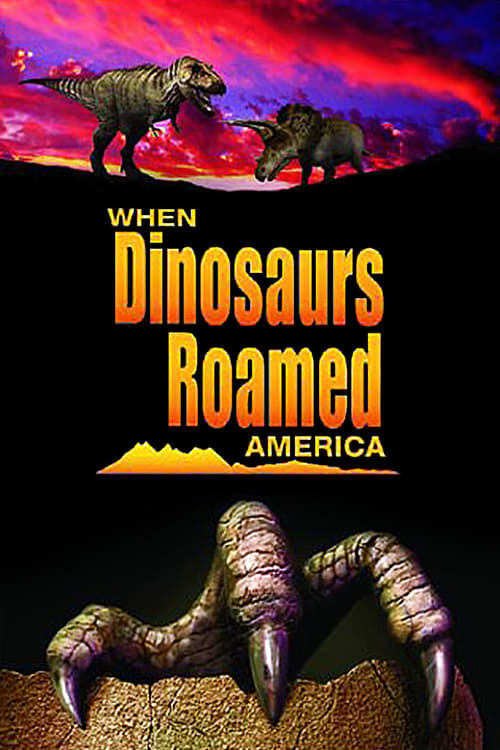
When Dinosaurs Roamed America is a two-hour American television program that first aired on Discovery Channel in 2001. It was directed by Pierre de Lespinois and narrated by actor John Goodman. The dinosaurs were designed by Paleo-artist and art director Mark Dubeau, who is also noted for creating dinosaurs on a myriad of other Discovery Channel and National Geographic specials. The dinosaur animation was directed by noted animator Don Waller at Meteor Studios, in Montreal, Canada. The music was composed by Christopher Franke. When Dinosaurs Roamed America premiered to 5 million viewers.
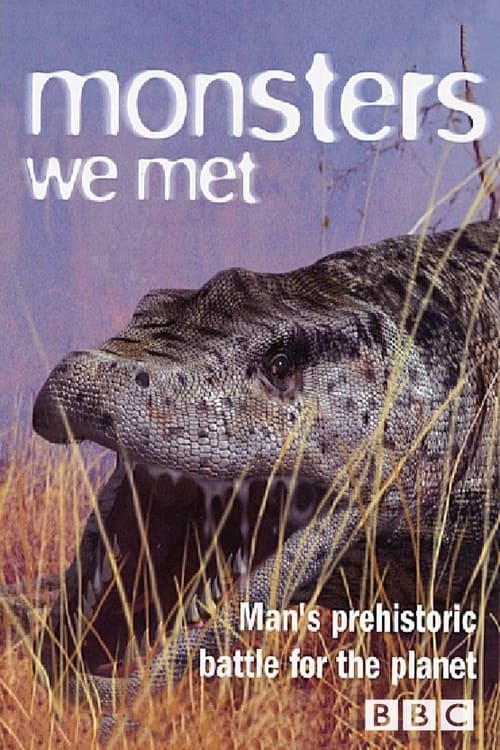
Three part series detailing the dangerous prehistoric creatures humans met as they explored the world for the first time.
New discoveries of dinosaur fossils are completely changing what we know about the animals that lived on our planet millions of years ago.
2019
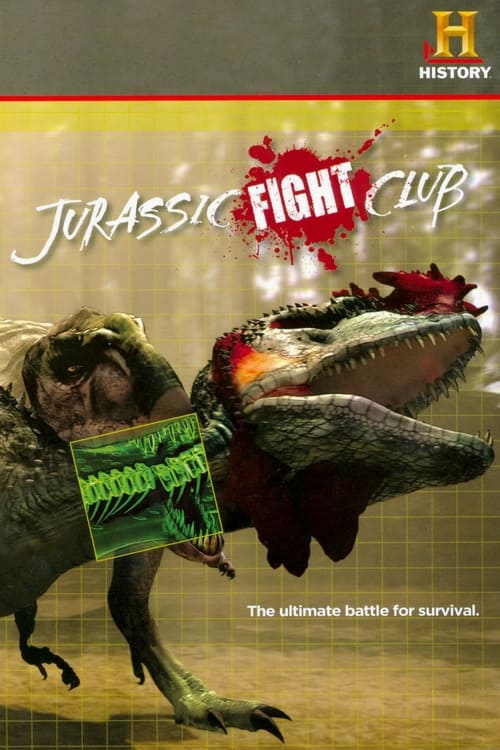
Imagines prehistoric life in this entertainment series about dinosaur battles. Computer-generated dinosaurs engage in conflicts choreographed using paleontological evidence from 70-million-year-old crime scenes. Jurassic Fight Club was hosted by George Blasing, a self-taught paleontologist.
2008
Life is a fragile thing. It changes and adapts so specifically to survive in the environment it's placed in. This ability to adapt is called evolution, and it's the reason that life has endured for the past few billion years. But evolution takes a long time, so when environments change too quickly for the inhabitants to keep up, the result is a drop in population or at the worst… extinction. And sometimes these changes can be so big that they affect the entire globe. Leading to some of the most catastrophic events in our planet’s history… mass extinctions. Content creator Angel of Death explores the five mass extinctions and the effects they had on life on earth in this five part miniseries.
2023
Extinct for millions of years, dinosaurs continue to fascinate as scientists struggle to understand the creatures that went from domination to extinction seemingly overnight. This four-part documentary series attempts to provide some answers. From the badlands to the Yucatán Peninsula, paleontologists scour the earth to learn about the predatory habits of carnivorous dinosaurs, the land area required to feed a large sauropod and much more.
1997