Season 1 · Episode 1
Driving through mountains offers breath-taking views, but there is a huge risk associated with these roads. Plus, what happens when a hiker falls more than 50 feet?

Two skydiving planes collide in a shocking mid-air accident. Scientists review footage of the crash and explain how all 11 passengers somehow survived.
In Ohio, a man speeds down a mountain road on a long metal skateboard, how does he survive? Plus, scientists examine the physics behind some crazy road accidents.
Scientists take a closer look at what happens when drivers lose control of their vehicles. Plus, what happens when a plane crashes down on a busy road?
Scientists look at the perils of human beings losing their balance. What happens when a man realises he is not attached to the handglide as it takes off into the air?
What happens when person tries to break the land-speed record without the use of a rocket? Plus, scientists examine other incredible accidents.
Scientists examine real-life footage of sky diving jump that goes wrong. But, how does the skydiver survive after colliding with someone else in the air?
In the Rocky Mountains, a snowmobiler is caught in an avalanche and buried under a huge pile of snow. How did he survive this horrifying accident?
A competitive mountain biker crashes, causing him to plummet down 50 feet of rugged terrain. Scientists examine the accident and how the biker survived it.
A small plane struggles to get off the ground and crashes into a forest. Scientists explain how all four passengers survived this violent collision.
Scientists examine shocking footage of a racing car plummeting 100 feet down a mountain side. How did the two passengers survive this terrifying crash?
During one of the toughest races in the world, a car flips multiple times and then bursts into flames. How did the 64-year-old driver survive the crash?
A motorcyclist flies off a cliffside and drops 250 feet into a ravine. Scientists review shocking footage of the accident and explain how the rider survived.
In British Columbia, a hiker is left clinging on for his life after falling into freezing cold rapids. Scientists explain how he made it out alive.
Take a mind-blowing journey through human history, told through six iconic objects that modern people take for granted, and see how science, invention and technology built on one another to change everything.
2019
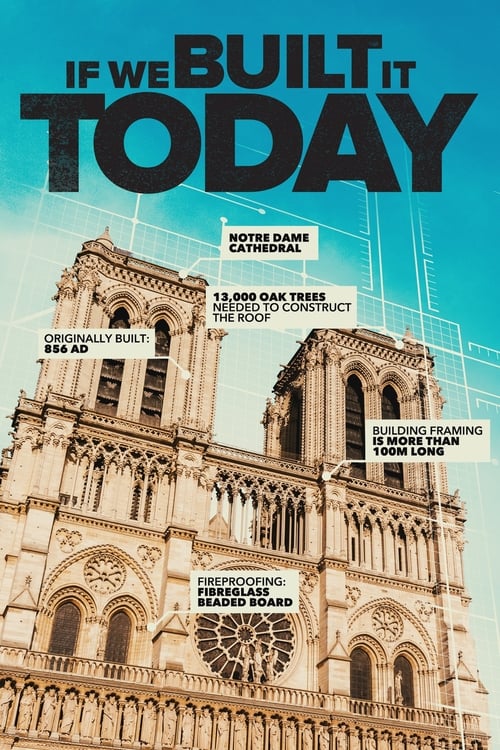
They are some of the world’s all-time greatest building projects. Most have stood the test of time, but with today’s technology, could they be duplicated and done better?
No description available.
2009
Documentary series exploring what happens when flights lose control.
2018
Charisma Carpenter is the survivor of a real-life incident that she endured more than 20 years ago. The actress and two friends were swimming at San Diego's Torrey Pines State Beach in 1991 when they were violently attacked by an armed serial rapist. Carpenter fought for her survival after being held at gunpoint, but her two friends were both shot by the attacker. In the first episode of the series Charisma tells her story in raw emotional detail about what happened that night.
2013
2016
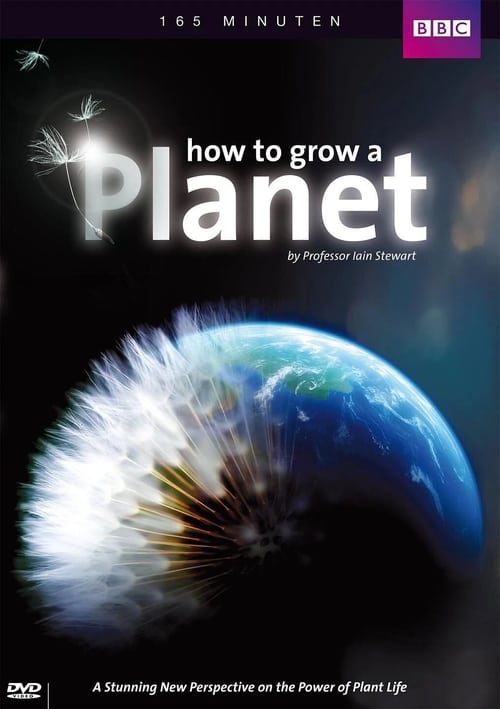
Geologist Iain Stewart explain in three stages of natural history the crucial interaction of our very planet's physiology and its unique wildlife. Biological evolution is largely driven bu adaptation to conditions such as climate, soil and irrigation, but biotopes were also shaped by wildlife changing earth's surface and climate significantly, even disregarding human activity.
2012
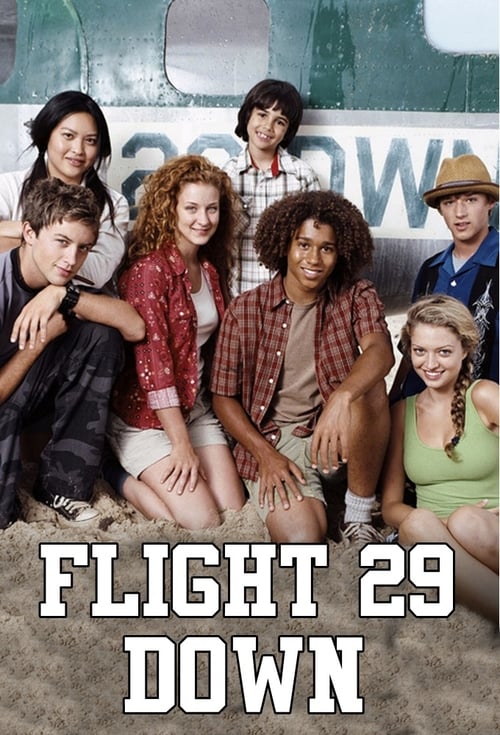
Some teenagers are stranded on a desert island in Micronesia. Their plane crashed and led them into a one-in-a-lifetime eco-adventure. They will have to learn to navigate the challenges that come before them in the tropical paradise in Hawaii using intelligence, wit, and instincts. They also have to learn to live with each other.
2005
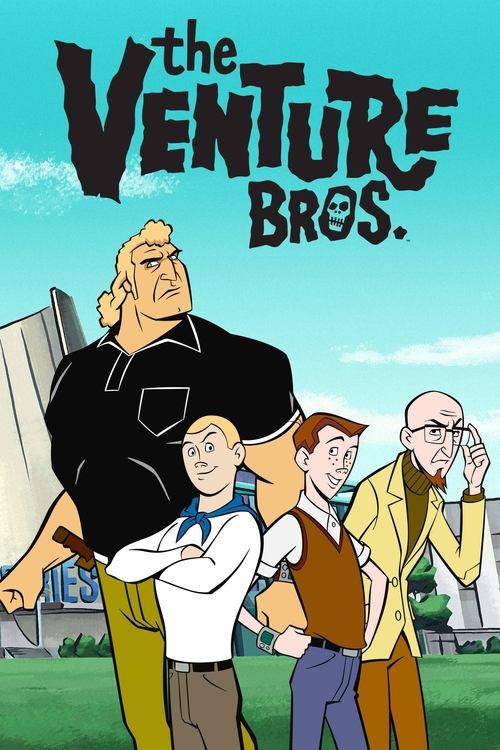
Hank and Dean Venture, with their father Doctor Venture and faithful bodyguard Brock Samson, go on wild adventures facing megalomaniacs, zombies, and suspicious ninjas, all for the glory of adventure. Or something like that.
2004
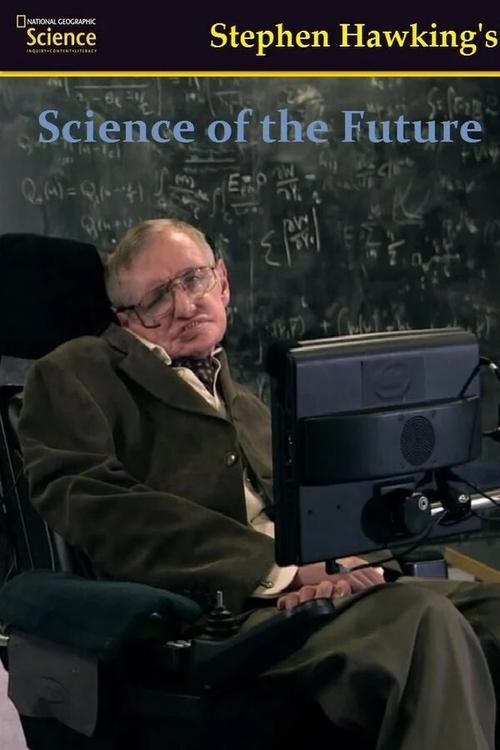
Stephen Hawking’s Science of the Future investigates the very latest game changing innovations. Each episode takes one area of progress and sends five top scientists out to actively test the inventions and breakthroughs that are driving it. The team explore human upgrades, the virtual world, bio-mimicry, high-tech emergency responses, and more. Featuring a wide range of examples, from advanced robotics and breathtaking digital actors, to cutting edge smart homes and electronic brain stimulation, the series reveals how science is delivering astonishing improvements to all our lives. Using the evidence they gather, the team reveals the year when each innovation will be rolled out for us all to benefit from, and Hawking then draws out his own uniquely insightful predictions about what our world will be like in the years to come.
2014
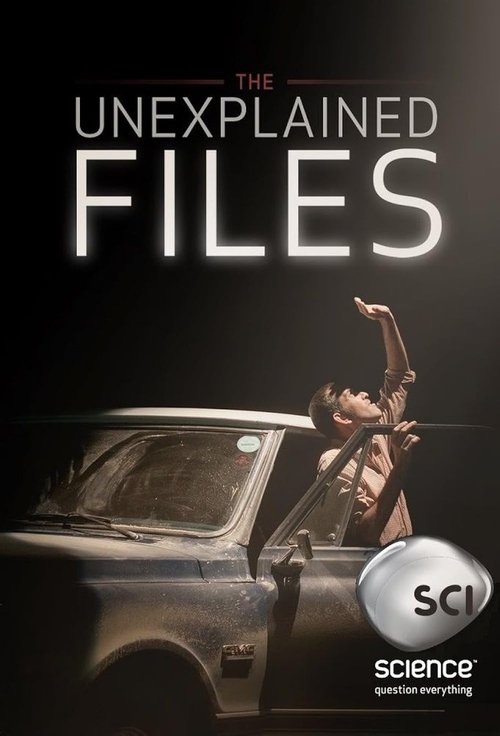
From strange abductions, to mutated species, to bizarre occurrences, there are some phenomena that science cannot - or will not - explain. This summer Science Channel unveils some of these shocking and mind-boggling cases from around the world in the world premiere series THE UNEXPLAINED FILES. From mysterious disappearances and UFO encounters, to unidentified fanged predators and reported curses, THE UNEXPLAINED FILES investigates actual, inexplicable occurrences that have confounded scientists and inspired legends. Science Channel invites viewers on a mystifying journey that will challenge disbelief with THE UNEXPLAINED FILES.
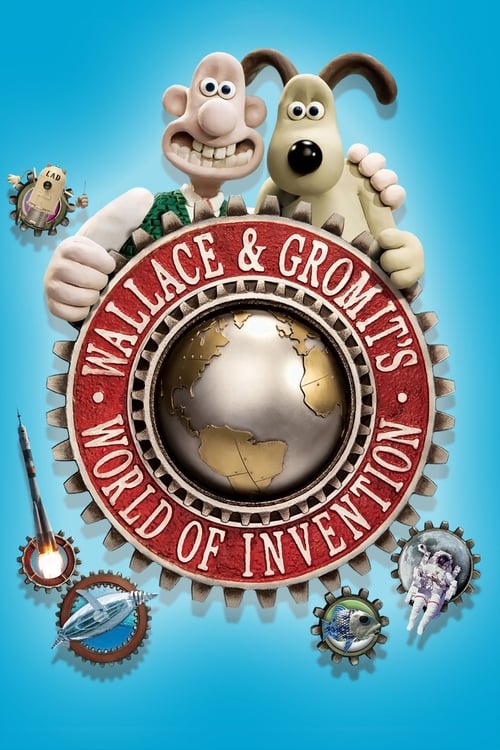
In the series, "Wallace will take a light hearted and humorous look at the real-life inventors, contraptions, gadgets and inventions, with the silent help of Gromit. The series aims to inspire a whole new generation of innovative minds by showing them real, but mind-boggling, machines and inventions from around the world that have influenced his illustrious inventing career" (the BBC press statement). Peter Sallis reprised his role as the voice of Wallace. The filmed inserts are mostly narrated by Ashley Jensen, with one in each episode presented in-vision by Jem Stansfield. John Sparkes also voices a portion in the unseen character of archivist Goronwy.
2010
A high-end documentary series that takes a deep and thought-provoking dive into a variety of topics - such as the future of human life extension, breakthroughs in interspecies communication, the rise of “cyborgism”, existing in virtual reality, and more.
2020
NOVA scienceNOW is a News magazine version of the long-running and venerable PBS science program Nova. Premiering on January 25, 2005, the series was originally hosted by Robert Krulwich, who described it as an experiment in coverage of "breaking science, science that's right out of the lab, science that sometimes bumps up against politics, art, culture". At the beginning of season two, Neil deGrasse Tyson replaced Krulwich as the show's host. Tyson announced he would leave the show and was replaced by David Pogue beginning season 6.
Scientists, researchers, and entrepreneurs are revolutionizing the way people see, touch, taste, hear, and smell with cutting-edge advances in technology.