Season 1 · Episode 1
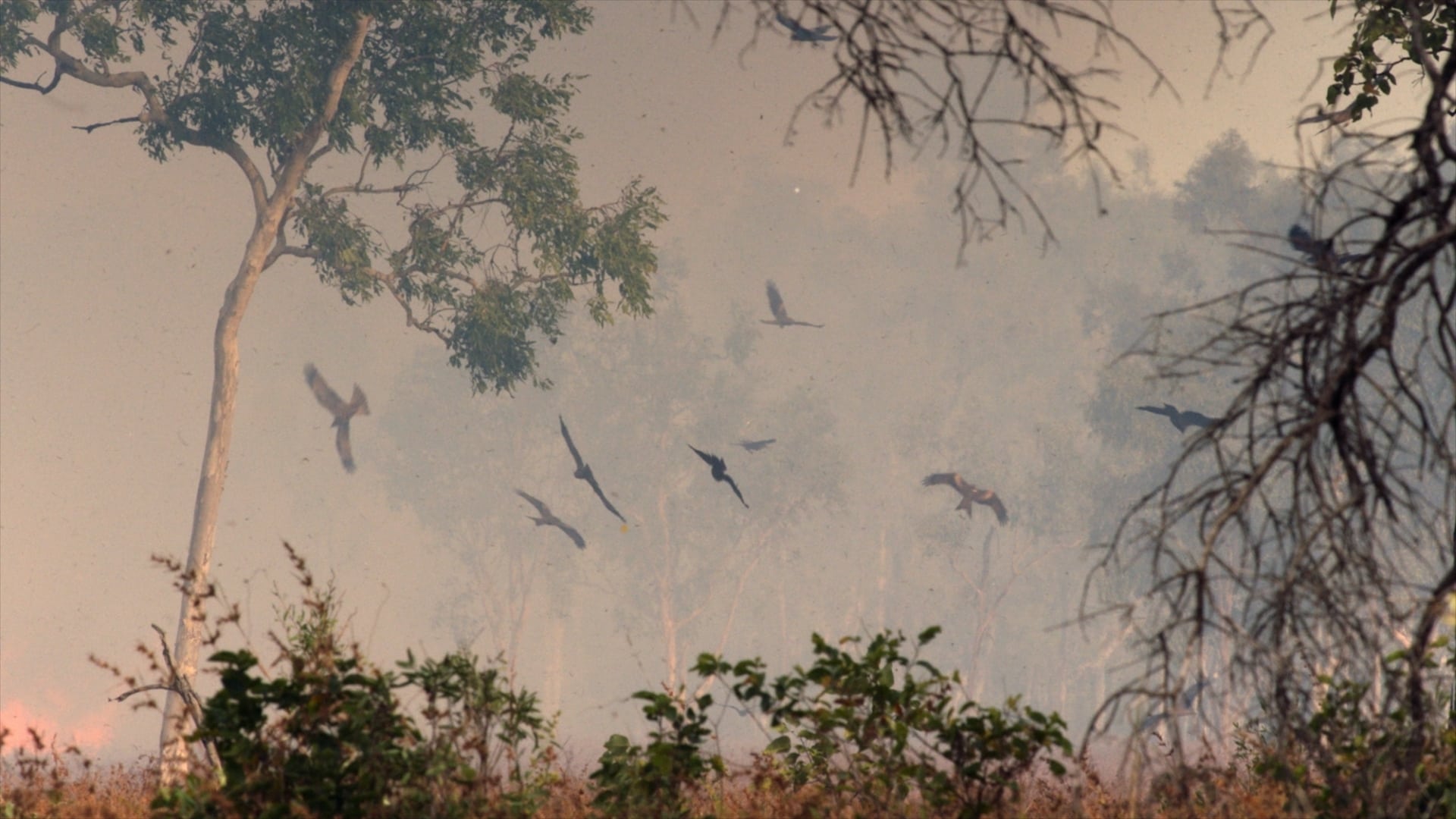
It's the start the year. Arctic winds plunge the polar bear into a de freeze, while in Australia, the heat means a feast for one bird prey.
Spring begins in the Northern Hemisphere as cherry blossoms bloom across Japan. In India, a congregation wild Asian elephants coincides with the colorful Holi festival.
May brings violent tornados to North America and the life-giving monsoon to India. The dry season ends in southern Africa, claiming victims among elephants.
In July, Arctic ice sheets crash into the sea while an arctic fox hunts among the rocks. In Africa, herds wildebeest cross the croc-infested Mara river.
Rain welcomes baby meerkats to the Kalahari. The arrival spring in eastern Australia ignites the passions everything from kangaroos to humpback whales.
Millions monarch butterflies converge in the forests Mexico. The Arctic skies blaze with the aurora borealis as Earth completes its annual cycle.
A celebration of California’s wildlife and wild places, and their coexistence with the 40 million people who call it home. Famous for its beaches and Hollywood, California is also a wellspring of biodiversity. Bounded by mountains, deserts and the Pacific Ocean, here are iconic wild places like Yosemite National Park and Death Valley, as well as Baja California’s lesser-known wild beauty.
2022
No description available.
2023
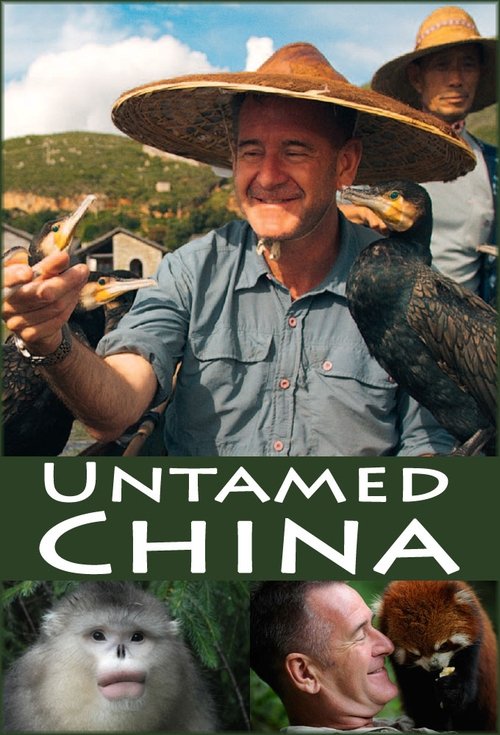
In new six-part series Untamed China, wildlife adventurer Nigel Marven explores the country's mountains and grasslands, crosses its greatest deserts and treks through its deepest jungles in search of the rare, little-known and extraordinary creatures that live there. Over half of China's plant and animal species live in Yunnan Province in the far southwest of the country. In episode one, Nigel goes there to explore the ancient city of Dali and the surrounding mountains and forests. He meets some bizarre and deadly reptiles and amphibians, goes on a very unusual fishing trip, enjoys the fairy-tale lifecycle of butterflies and gets up close to highly endangered Yunnan snub-nosed monkeys.
2011
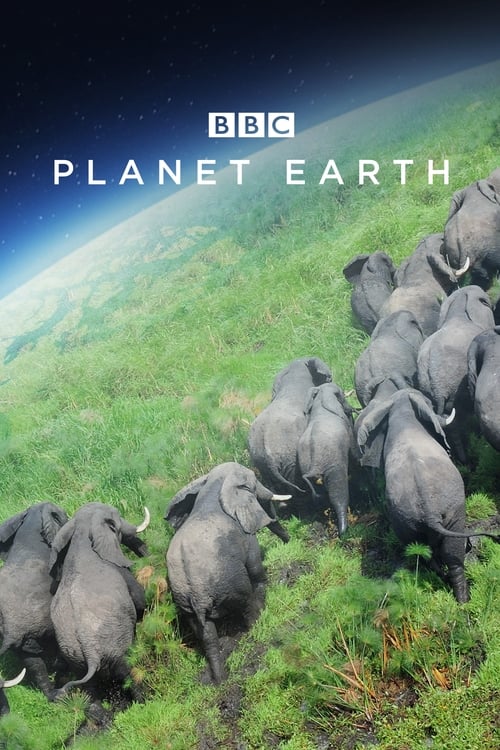
David Attenborough celebrates the amazing variety of the natural world in this epic documentary series, filmed over four years across 64 different countries.
2006
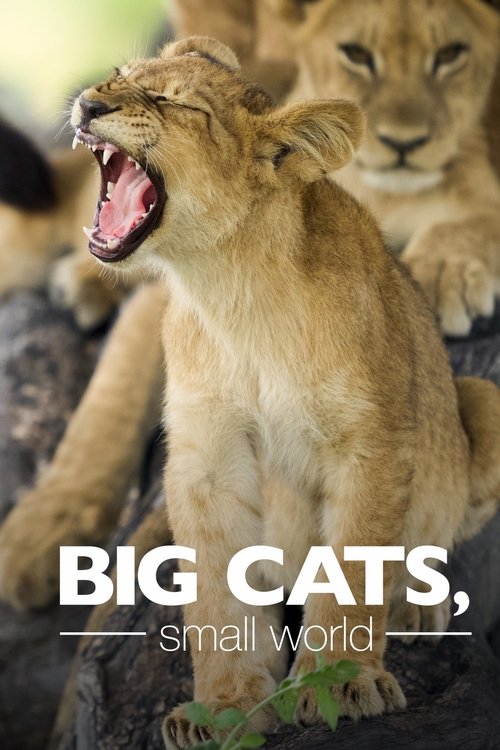
Three Big Cats occupy the top of the food chain, but they must compete for prey and territory on the shores of Botswana's Gomoti River.
2024
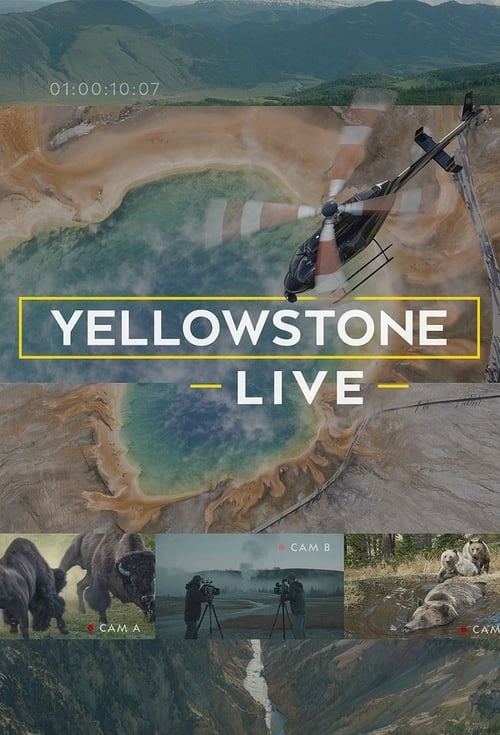
Sitting on top of one of the world’s largest super-volcanos are 3,500 square miles of the most spectacular American wilderness. This summer, National Geographic Channel opens this world to you LIVE with a four-night special event. The action reaches boiling point in the world’s first National Park, Yellowstone.
2018
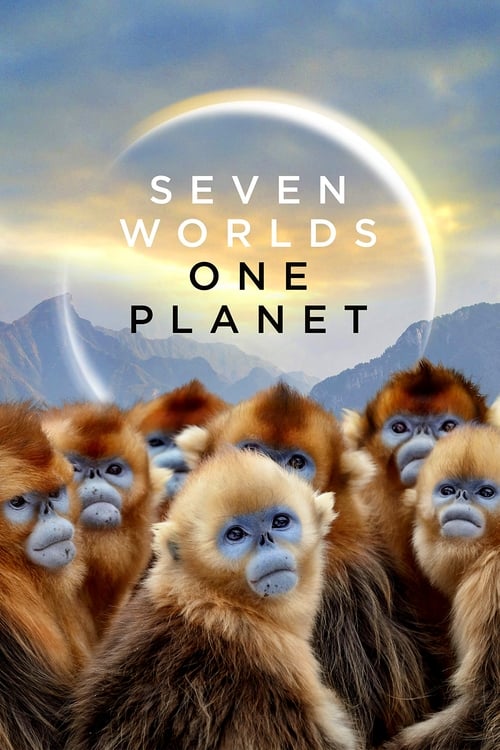
Millions of years ago, incredible forces ripped apart the Earth’s crust creating seven extraordinary continents. This documentary series reveals how each distinct continent has shaped the unique animal life found there.
2019
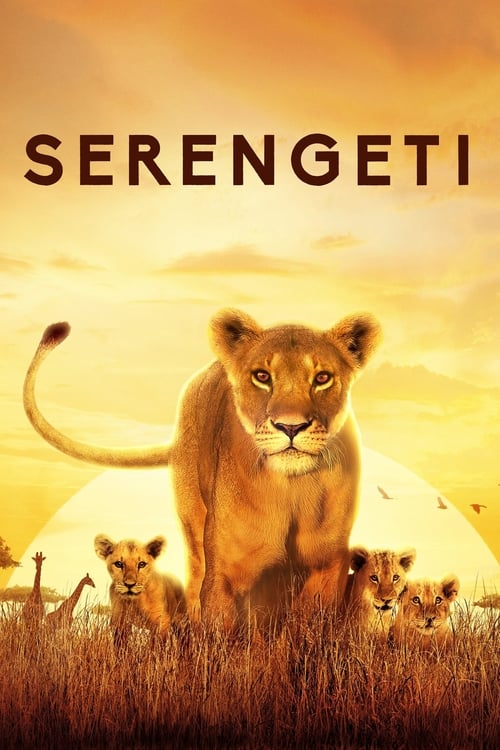
Capturing the high drama of the Serengeti’s distinctive wildlife up close.
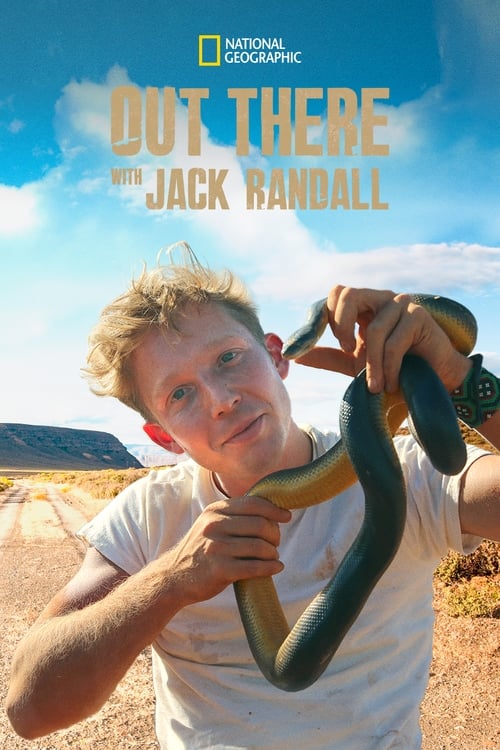
Zoologist Jack Randall journeys into Australia's Outback to encounter extraordinary wildlife.
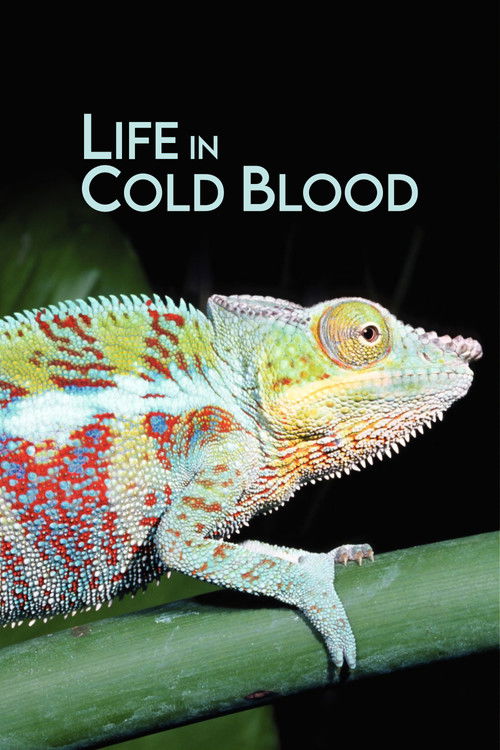
David Attenborough reveals the surprising truth about the cold-blooded lives of reptiles and amphibians. These animals are as dramatic, as colourful and as tender as any other animals.
2008
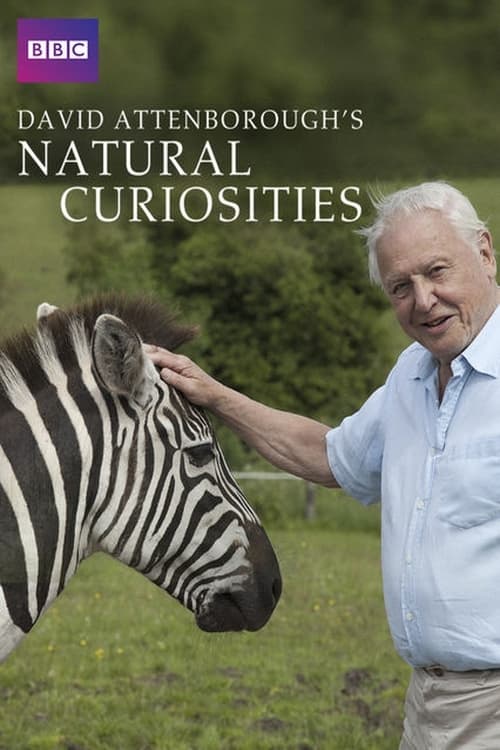
Sir David shines the spotlight on some of nature’s evolutionary anomalies and reveals how these curious animals continue to baffle and fascinate.
2013
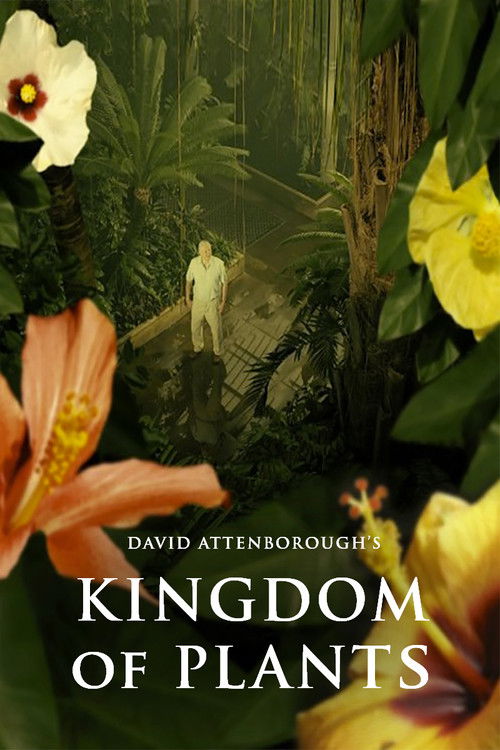
Sir David discovers a microscopic world that’s invisible to the naked eye, where insects feed and breed, where flowers fluoresce and where plants communicate with each other and with animals using scent and sound.
2012
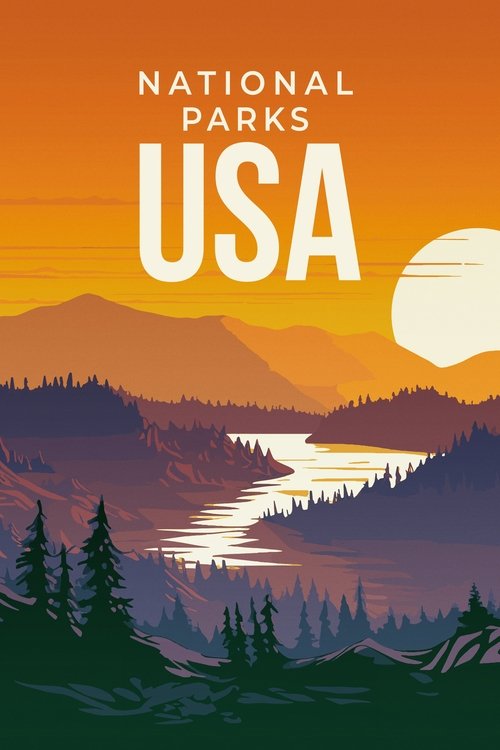
Venture across world-famous and lesser-known national parks to reveal the diversity and wonder of the United States, from the lush valley floors of Yosemite to the constantly erupting volcanoes of Hawai'i.
From the vast Gobi Desert to the jungles of Borneo, and from the polar wilderness of Siberia to the coral seas of the Indian Ocean, showcasing the breath-taking variety of Asia's wildest places.
Discover the remarkable ways animals of all shapes and sizes are adapting to make the most of opportunities in the newest and fastest changing habitat on the planet - our cities.