K
HomeMoviesTVSearchRandom
KKINORA

This website does not retain any files on its server. It provides movie metadata and links to media hosted by third-party services. Powered by the TMDB API.

TrendingSearchMoviesTV ShowsTop RatedRandomNewest
© 2026 Kinora. Not affiliated with TMDB.Built with Next.js · Tailwind · Framer Motion
← Back to details
Now PlayingKatsu Kaishu · S1 E1

Season 1 · Episode 1

Episode 1

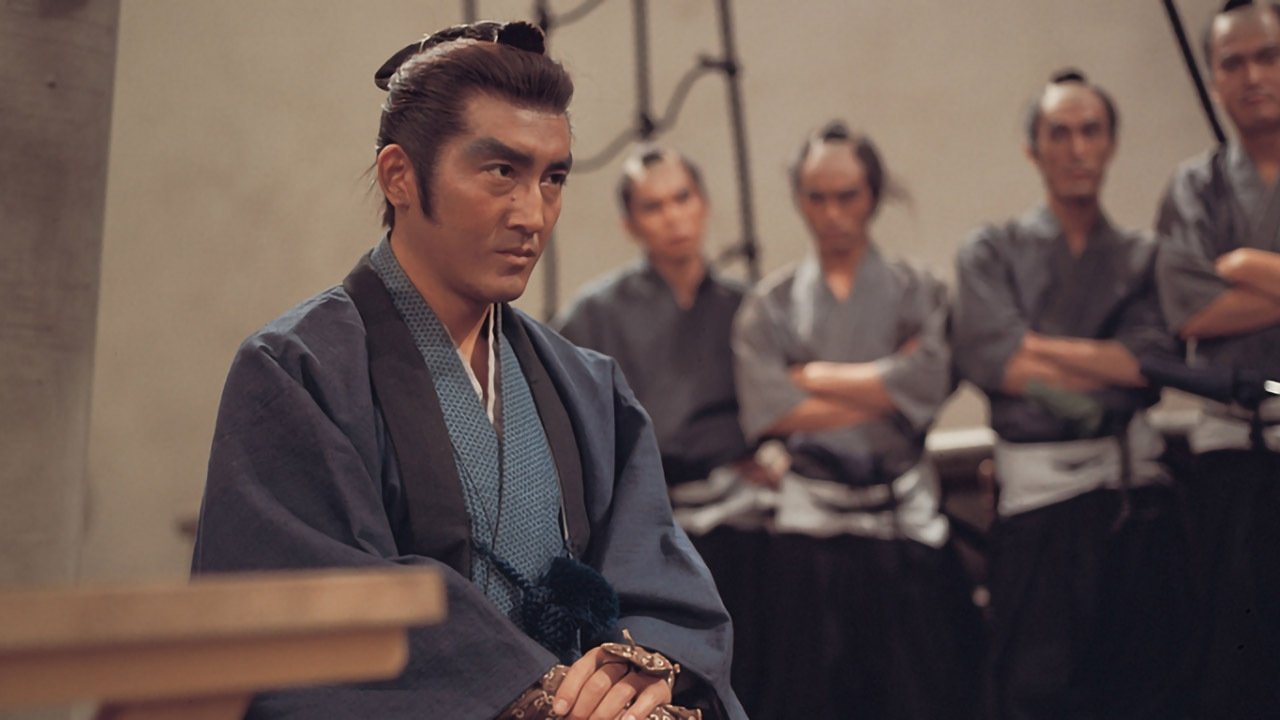
Katsu Kaishū deals with end of the Edo period. Based on Kan Shimozawa's novels "Katsu Kaishū "
Episodes

📺More Like This

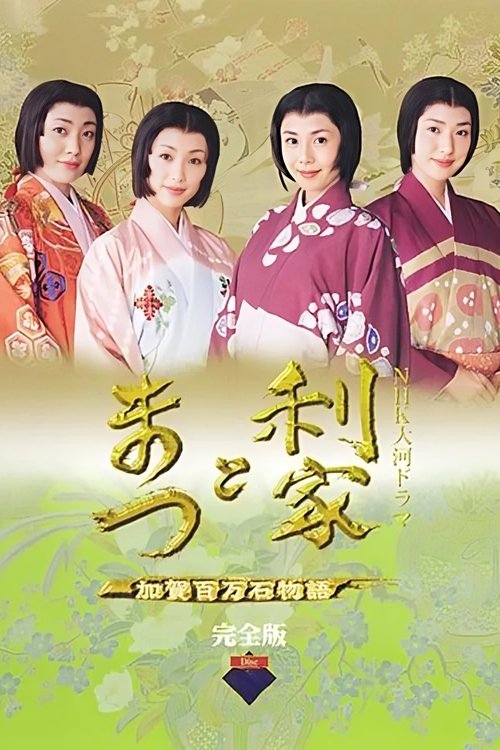
Toshiie and Matsu
★8.3
TV

The 41st NHK Taiga Drama is Toshiie to Matsu. During the turbulent Warring States Era, one man's life and career intertwined with the three great generals of Japanese history-Nobunaga, Hideyoshi, and Ieyasu. With political savvy and the support of his fiercely loyal wife, Maeda Toshiie rose to second in power in the shogunate and built up a fiefdom that encompassed Echizen, Noto and Kaga.

Toshiie and Matsu

2002

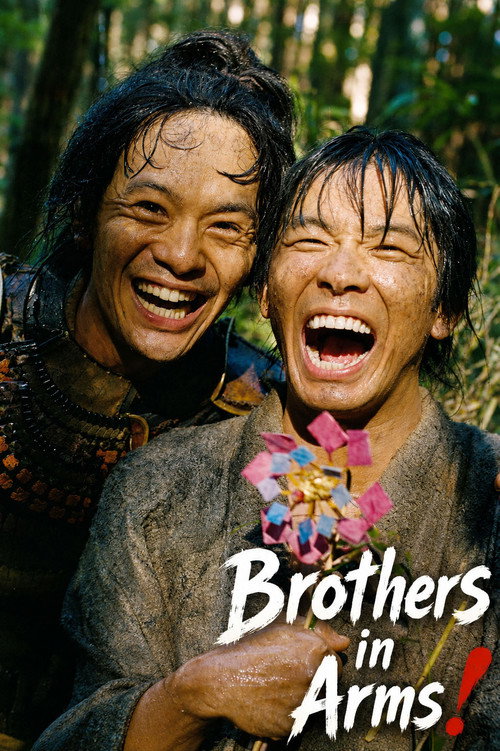
Brothers in Arms
★8.6
TV

Set in the Sengoku period, this story follows the Toyotomi brothers—Hidenaga and Hideyoshi—and their unbreakable bond as they rise to unify Japan.

Brothers in Arms

2026

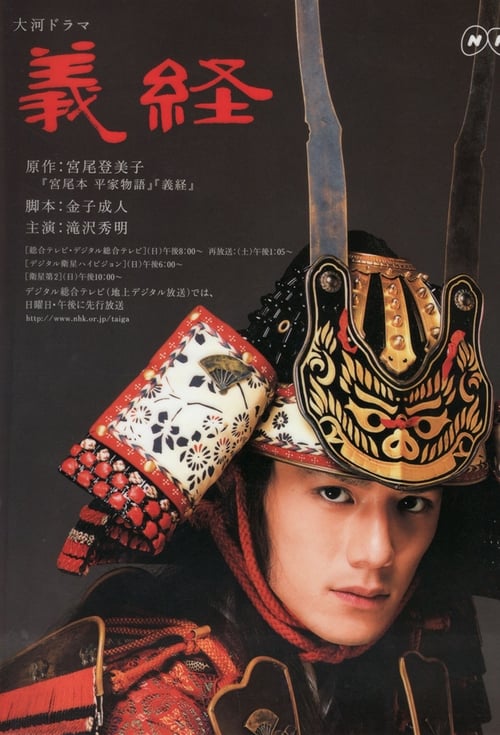
Yoshitsune
★8.3
TV

Yoshitsune is a Japanese television drama series originally broadcast between 9 January and 11 December 2005, with a three-part special compilation being aired from 24 December to 25 December 2005. The 44th Taiga Drama, the original work is by Miyao Tomiko, screenplay by Kaneko Narito and starring Hideaki Takizawa.

Yoshitsune

2005

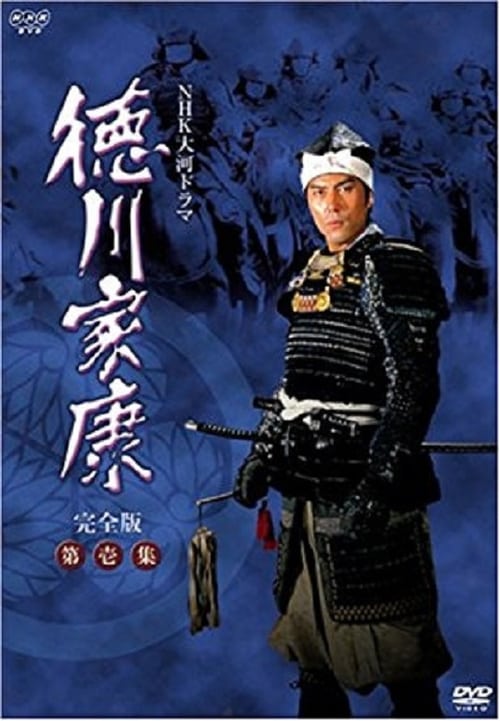
Tokugawa Ieyasu
★10.0
TV

The story chronicles the life of Tokugawa Ieyasu.

Tokugawa Ieyasu

1983

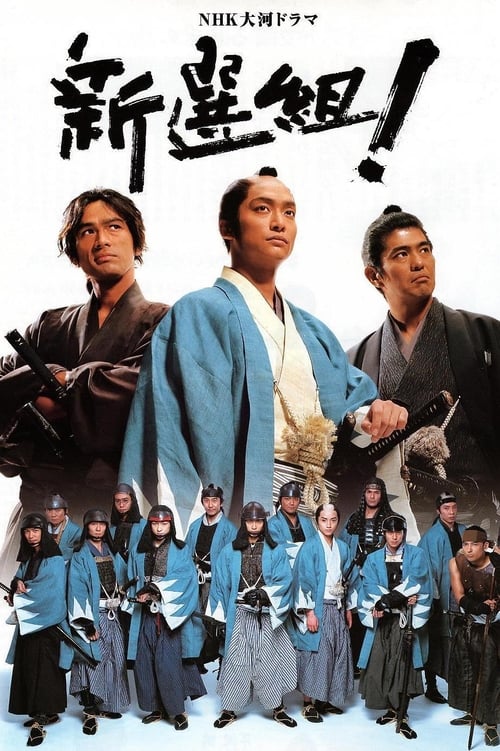
Shinsengumi!
★8.1
TV

Shinsengumi! is a Taiga drama television series produced by Japanese broadcaster NHK. It was a popular drama about the Shinsengumi, a Japanese special police force from the Bakumatsu period.

Shinsengumi!

2004

Samurai Banners
★7.6
TV

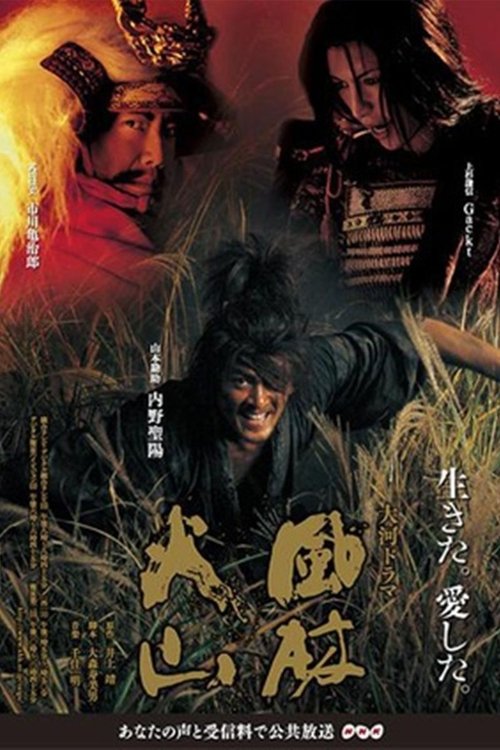
Fūrin Kazan was the 46th NHK Taiga drama beginning on January 7, 2007. It was aired throughout 2007. The four characters from left to right are wind, woods, fire, and mountain. The title is a reference to the war banner used by Takeda Shingen, which in turn was taken from Sun Tzu's The Art of War. It means "Swift as the Wind, Silent as a Forest, Fierce as Fire and Immovable as a Mountain."

Samurai Banners

2007

Heart of a Samurai
★7.3
TV

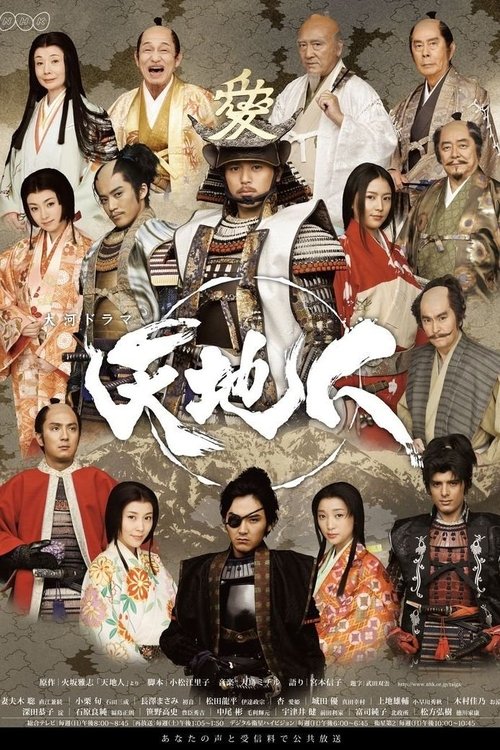
Tenchijin is the 48th NHK Taiga drama. It airs on NHK from January 4, 2009 every Sunday from 20:00 to 20:44 JST to November 22, 2009 spanning 47 episodes. The story centers on the life of the 16th century samurai Naoe Kanetsugu. Production began on April 27, 2007. The story is based on the novel Tenchijin by Masashi Hisaka and was adapted for screen by scriptwriter Eriko Komatsu. The series' music composer was Michiru Oshima. The protagonist of the drama, Naoe Kanetsugu, was taught by Uesugi Kenshin in his youth that to conquer the world is a trifling matter, but what matters is to live one's life with righteousness. After Uesugi's death, Naoe supports Uesugi Kagekatsu, who holds the destiny of Echigo province.

Heart of a Samurai

2009

Ryōmaden
★9.1
TV

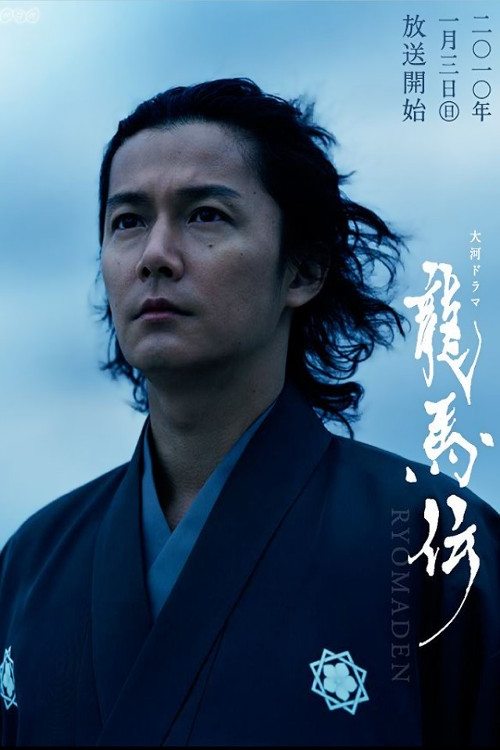
Ryōmaden is the 49th NHK Taiga drama. It was shown on NHK from January 3 to November 28, 2010 spanning 48 episodes. The story centers on the life of 19th-century Japanese historical figures Iwasaki Yatarō and Sakamoto Ryōma. It has been announced that the series will be aired in several other countries, for example Hong Kong, South Korea, Taiwan and Thailand.

Ryōmaden

2010

The 13 Lords of the Shogun
★8.5
TV

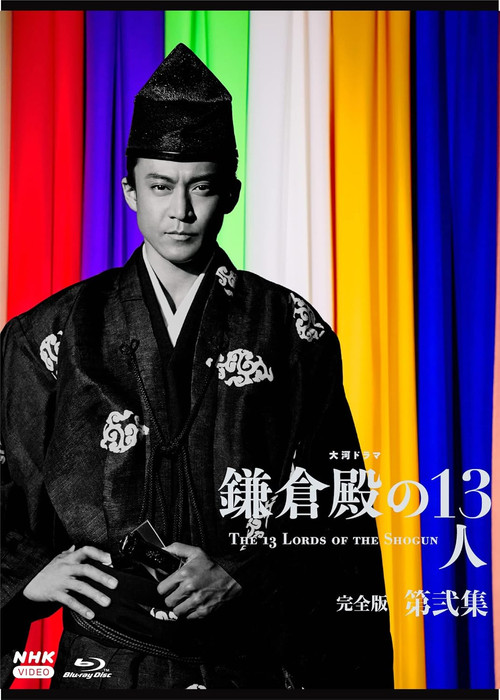
Following the ascension to power of Taira no Kiyomori, the Minamoto clan is exiled. Minamoto no Yoritomo meets Masako, the sister of Hōjō Yoshitoki and later marries her. Following this marriage, the gears of Yoshitoki's destiny begin to turn.

The 13 Lords of the Shogun

2022

Princess Go
★8.3
TV

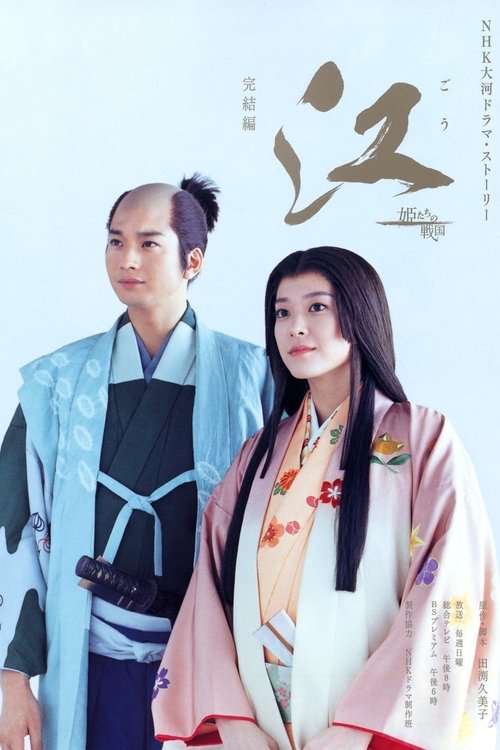
Princess Go was the youngest of the most famous three sisters in Japanese history, who each led a remarkable life in an age of turmoil and civil war. Go loses her parents in the war, marries three times, and feuds with her own sister in competing for power. Go's husband becomes the second Tokugawa Shogun and she ensures her prominence as she gives birth to a son who later becomes the third Shogun and a daughter, a wife of the Emperor. The drama describes the age of the civil war through the eyes of Princess Go, who plays a significant part in establishing the age of peace that lasts over 200 years in Japan.

Princess Go

2011

Genroku Ryoran
★7.8
TV

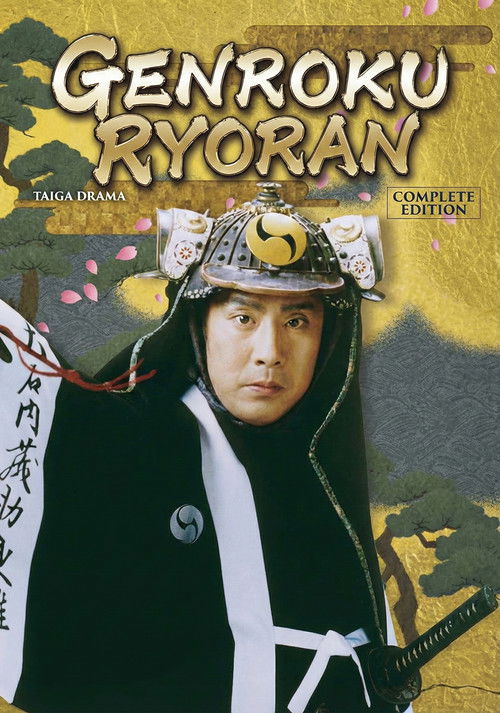
The 38th NHK Taiga Drama is Genroku Ryoran. The "Forty-seven Loyal Samurai" is one of the most enduring and best loved stories of Japan's history. Generations have grown up hearing the stirring tale of Oishi Kuranosuke, chief councillor of the Ako clan who leads his men through suffering and hardship to ultimately avenge their lord after he is unjustly forced to commit harakiri. NHK's 38th Taiga Drama "Genroku Ryoran" is the ambitious remake of this classic epic and boasts a cast that reads like a Who's Who in Japanese entertainment.

Genroku Ryoran

1999

Mouri Motonari
★9.0
TV

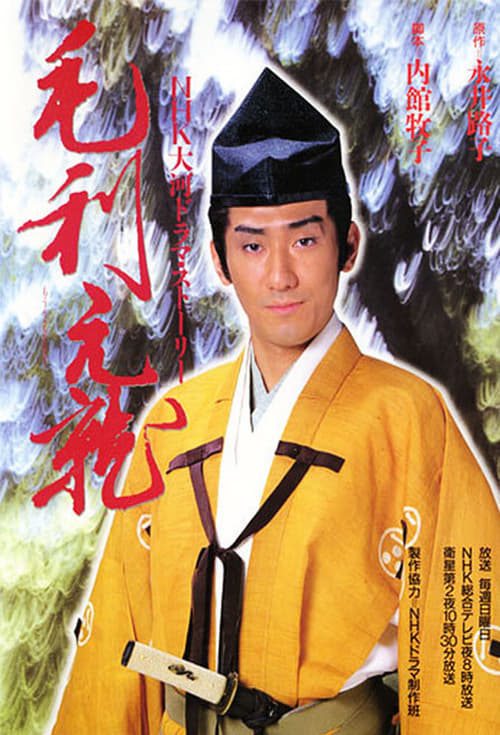
The 36th NHK Taiga Drama is Mori Motonari. This series chronicles the life of Mori Motonari, a warlord of the early 1500s who stood at the vanguard of the Warring States era. All Japanese school textbooks contain the Mitsuya no kyokun, Mori's famous lesson to his three sons that teaches that while one arrow is easily broken, three arrows together cannot be broken. In 1997, 500 years after his birth, NHK dramatizes Motonari's rise from a chief of the region of Aki (now Hiroshima) to a daimyo who rules over ten provinces of the Chugoku region. Motonari was 64 years old and already the patriarch of a powerful dynasty about the time Oda Nobunaga and Takeda Shingen appeared on the scene. And even after his death, the Mori family figured prominently in Japanese history. His grandson Terumoto became a loyal Toyotomi vassal. Defeated at the Battle of Sekigahara, Ieyasu confiscated most of his lands, leaving him only with Suwo and Nagato, later known as Choshu. But 260 years later, the Mori got their ultimate revenge, leading the imperial forces against the Tokugawa in the Meiji Restoration.

Mouri Motonari

1997

Musashi
★8.4
TV

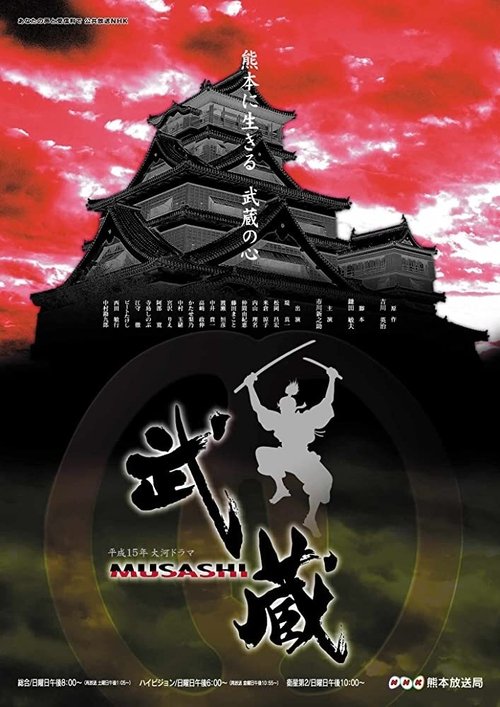
Orphaned when he was not yet ten, Musashi grows up skilled in the martial arts. During the Battle of Sekigahara, he fights on the side of the losing Toyotomi forces, but eludes the enemy as they hunt down the vanquished soldiers. He then spends years wandering the countryside mastering the sword. As his fame spreads throughout the nation, men seek him out to test their skills against him--most notably Sasaki Kojiro who faces Musashi in the ultimate duel at Ganryujima.

Musashi

2003

Hideyoshi
★9.7
TV

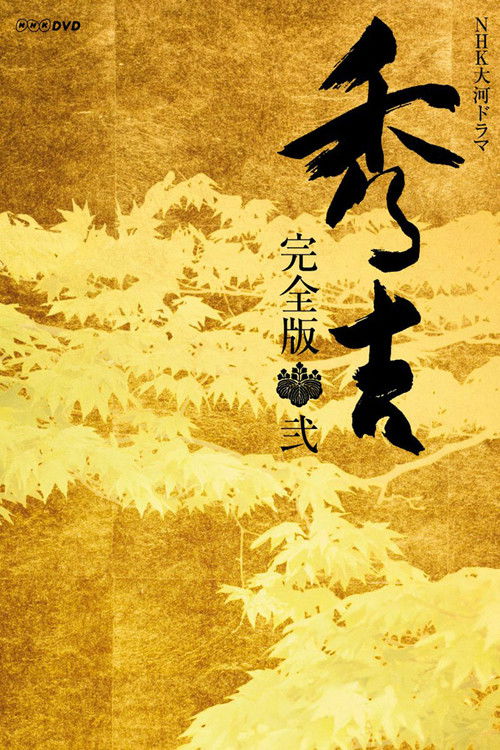
A dramatized biography of the second of Japan's three legendary leaders. Rising from obscurity, Hideyoshi served under the command of Oda Nobunaga. With an extraordinary combination of intelligence, bravery and military skill, Hideyoshi rose to near-absolute power and greatly expanded upon Nobunaga's unification of Japan's warlords. This series also focused on Hideyoshi's personal life, particularly his relationships with his mother and his wife, and the pair's rivalry for influence over him.

Hideyoshi

1996

Takeda Shingen
★7.5
TV

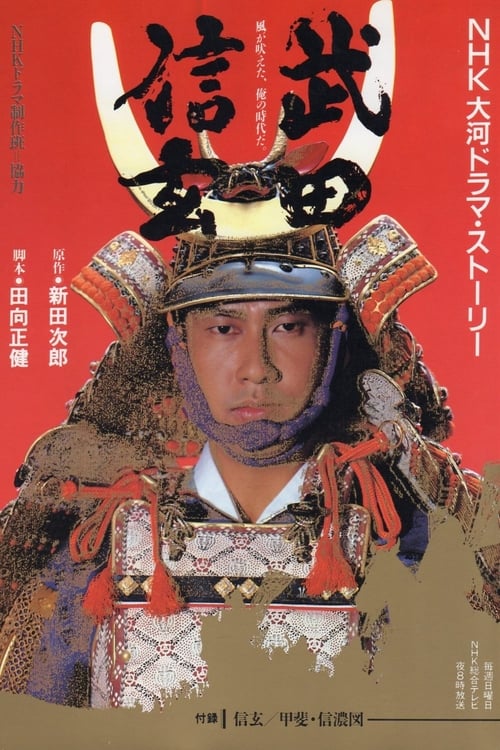
There was a very turbulent time in the warring period in the history, and Takeda Shingen is consider one of the great warlord among many other.

Takeda Shingen

1988

Strategist KANBE
★9.4
TV

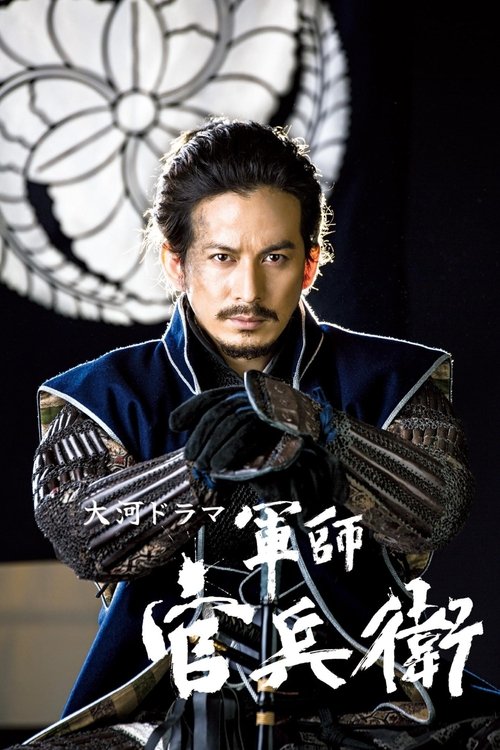
July 1590, Odawara. Toyotomi Hideyoshi's army had surrounded the Odawara Castle for over 3 months, hoping to conquer this last obstacle to his dream of the country's unification. Standing at the gate of the castle, a lone man facing the menacing guards shouted out: "Do not throw your lives away. Treasure living!". Not long after, the castle gates opened and the reigning lord surrendered. The name of that man is Kuroda Kanbee. An excellent military strategist, he worked hand-in-hand with Hideyoshi to unify the country.

Strategist KANBE

2014