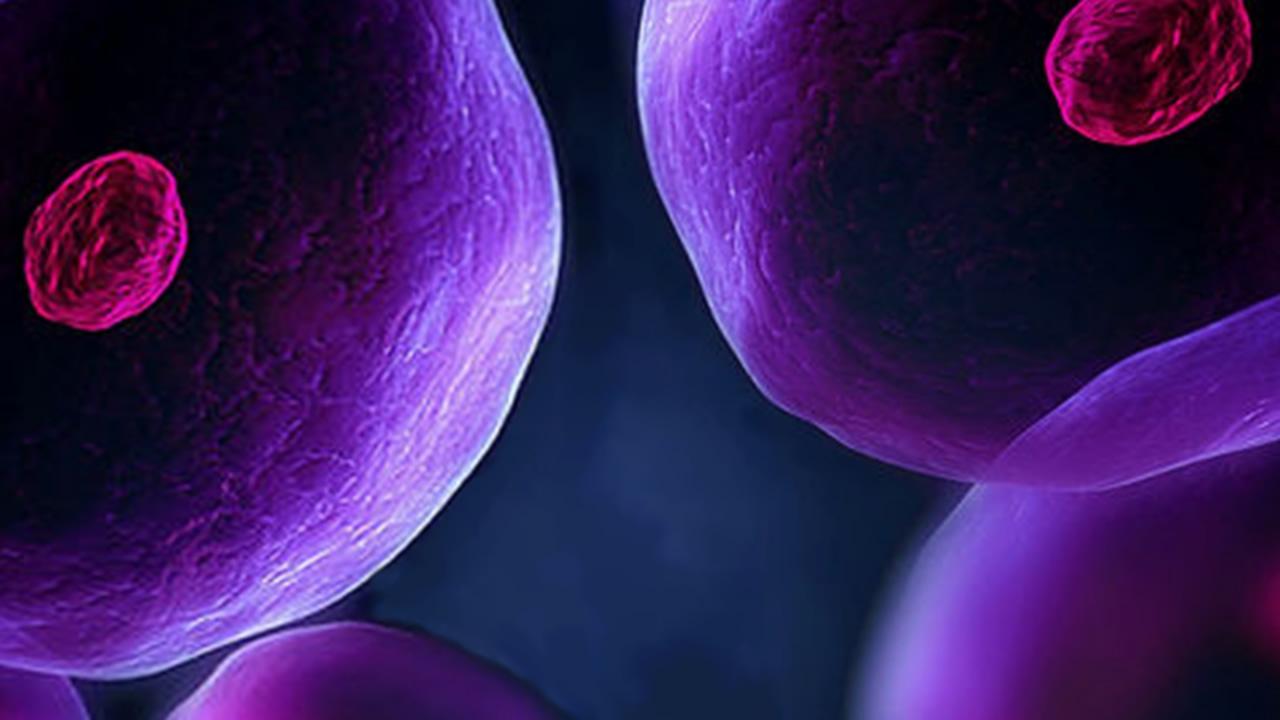
Season 1 · Episode 1
Adam Rutherford tells the story of the biological cell. He explores how centuries of scientific and religious dogma were overturned by the discovery of the cell.
Adam Rutherford explores how scientists delved deeper into the world of the cell, seeking to reveal the magic ingredient that can bring chemicals into life.
Adam Rutherford reveals how scientists are close to repeating what has happened only once in four billion years - the creation of a new life form.
Famed astrophysicist Neil deGrasse Tyson provides clarity for the vision of the cosmos as he voyages across the universe with never-before-told stories that delve into the scientific concepts of the laws of gravity and the origins of space and time.
2014
Attention please! Are you ready for an adventurous tour through the human body? With a lot of humour, our physical appearance is being introduced from head to toe along cells and organs in an educational way. The heart, blood, nerves and kidneys, each single one is a miracle which renders life possible.
1987
Sir David discovers a microscopic world that’s invisible to the naked eye, where insects feed and breed, where flowers fluoresce and where plants communicate with each other and with animals using scent and sound.
2012
Geologist Iain Stewart explain in three stages of natural history the crucial interaction of our very planet's physiology and its unique wildlife. Biological evolution is largely driven bu adaptation to conditions such as climate, soil and irrigation, but biotopes were also shaped by wildlife changing earth's surface and climate significantly, even disregarding human activity.
David Attenborough embarks on a remarkable 500 million-year journey revealing the extraordinary group of animals that dominate our world, and how their evolution defines our human bodies.
2013
No description available.
2024
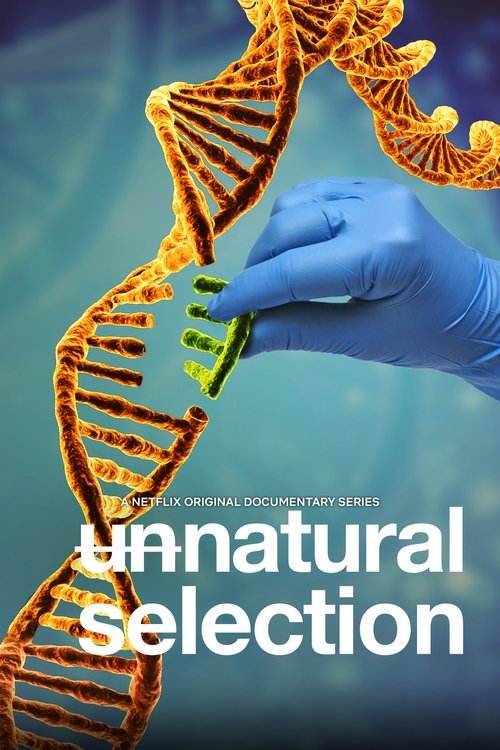
From eradicating disease to selecting a child's traits, gene editing gives humans the chance to hack biology. Meet the real people behind the science.
2019
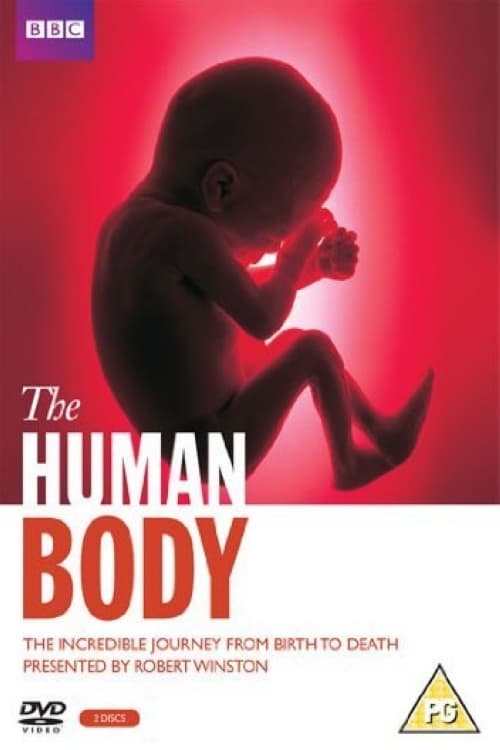
The Human Body is a seven-part documentary series that looks at the mechanics and emotions of the human body from birth to death.
1998
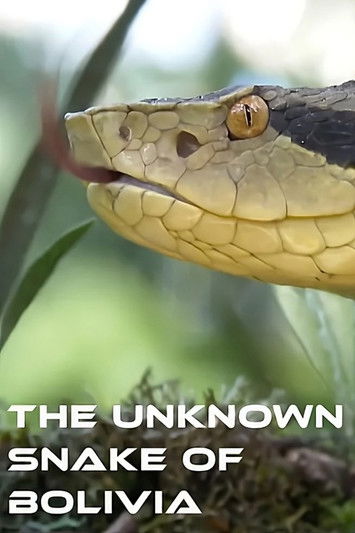
A thrilling expedition across Bolivia in search of the most venomous snakes in this remote country. The main goal is to discover a new species unknown to science: a large pitviper that has not been classified yet. It will be tracked down and filmed alive for the first time. Spanish herpetologists Juan Timms and Jairo Cuevas embark on a perilous expedition across remote Bolivia, determined to capture the country's most venomous snakes. Their ultimate prize? Discovering a new, unclassified species of massive pitviper, known only from a single photograph.
2018
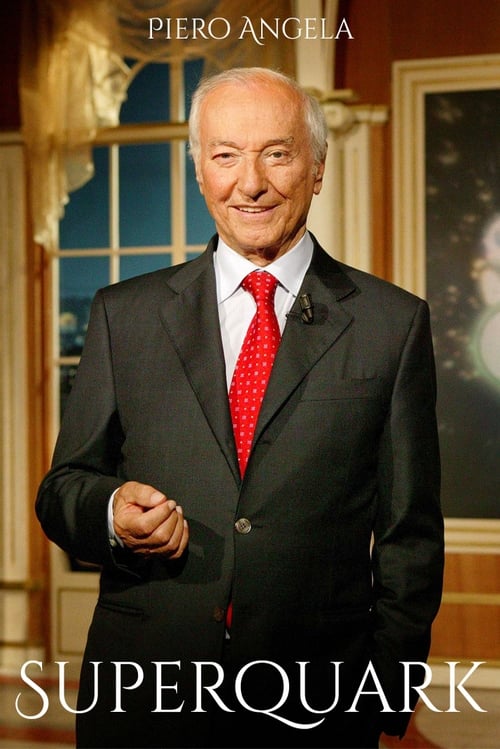
Television program of cultural diffusion, born in September 1995, designed and conducted by Piero Angela, development of transmission appreciated Quark.
1995
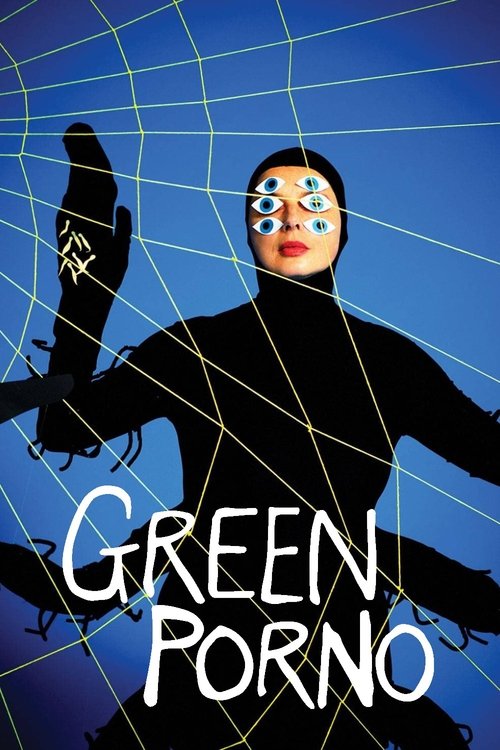
A series of very short films inspired by the amazing and often bizarre sexual practices of insects and other creatures.
2008
2022
Isabella Rossellini is convinced that, in the maternal animal world, anything goes. 'Mammas,' a series of short videos, has Rossellini playing the role of nine different animals to show the viewer that some mothers lie, are polygamous, and walk out on their animal children all the time.
The story of life, from the first primitive cells to the plants and animals that now live around us.
1979
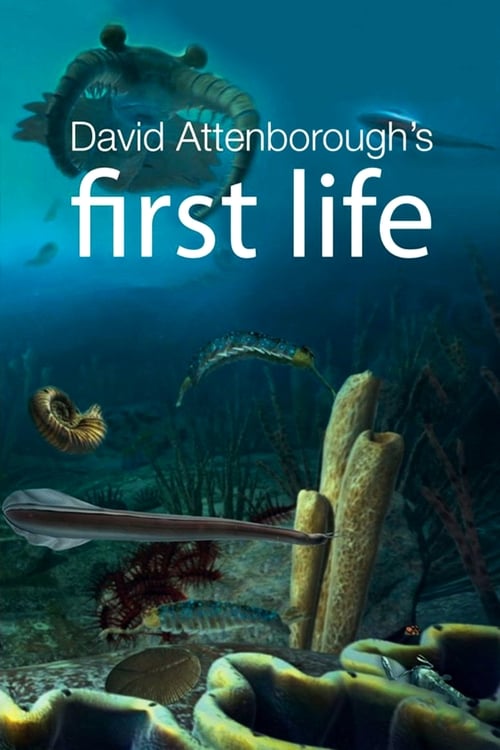
Sir David Attenborough goes back in time to the roots of the tree of life, in search of the very first animals, telling their story with stunning photography, state of the art visual effects and the captivating charm of the world’s favorite naturalist.
2010
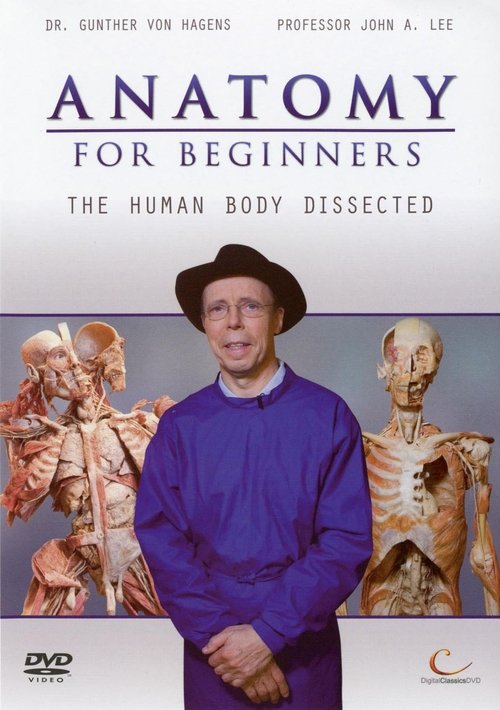
Anatomy for Beginners is a television show created by Gunther von Hagens. In this 4-part series, Dr Gunther von Hagens and Professor John Lee demonstrated the anatomical structure and workings of the body. The 4 episodes were screened in the United Kingdom on Channel 4 in 2005. The show features public anatomy demonstrations with the use of real human cadavers and live nude models, carried out at Gunther von Hagens' "Institute for Plastination" in Heidelberg, Germany. Dr von Hagens’ public demonstrations are not formal anatomy dissections performed by medical students in some countries as part of their medical training. Formal dissection are performed slowly and take dozens of hours of dissection. Anatomy for Beginners performs quicker autopsy and also combines with demonstration of plastinated body parts and specimens to gives just a glimpse of the human anatomy. The individuals on whom the demonstration was performed had, before their death, enrolled on von Hagens’ body donor programme and consented to the use of their bodies for public education in anatomy, including public demonstration.
2005