Season 1 · Episode 1
Iris has finally acquired a cell phone—her first. Cathon would love to help her learn how to use it, but Iris insists on figuring it out all by herself. How did people communicate before the telephone was invented, anyway?
Iris and Cathon are shocked to discover how big and heavy the first microwave oven was. Turns out that inventing it involved melting a bar of chocolate.
Cathon bakes Iris a very special kind of bread for her birthday, and pretty soon the two friends have gone down the rabbit hole, in search of the origins of bread. They even tell the tale of a whole army sculpted from bread.
Cathon has a new best friend—Ruben the goldfish. Iris’s latest hobby is fishing. A fine kettle of fish to be sure. The fishing rod is an amazing piece of gear, but where did it come from?
Cathon has borrowed her aunt’s camera and wants to take some nice pictures of Iris. But she discovers that her best friend isn’t particularly photogenic. The two pals explore how people preserved memories in the past.
Iris wants to send her grandfather a birthday card. Touching, right? But Cathon doesn't want her friend to raid her collection looking for a stamp. Did someone really once pay $9.5 million for a single stamp?
Cathon has found something wonderful in the recycling bin—a birdsong clock. But Iris isn’t totally on board with her friend’s taste, so she seeks a compromise. She wonders how people told time before clocks.
Cathon proudly shows off her new glasses. Iris is at a loss for words—she’s speechless with admiration. Where do eyeglasses even come from, and how did people first get them to stay on their noses?
Iris is about to greedily devour her lunch—a mountain of fries—and her friend gives her a lecture. In Cathon’s opinion, fries are not a balanced meal. And yet they’re in Canada’s Food Guide. Or are they? Maybe not.
Iris and Cathon are at the beach, and they both have new swimsuits. Cathon makes fun of her friend’s choice of beachwear. You’ll learn a lot about the origins of the bathing suit.
Iris loves noodles so much she could eat them morning, noon, and night. Cathon prefers using them to make little gifts for her friend. Any idea where noodles actually come from?
Iris believes that every time you turn the lights on or off in a room, it costs 25 cents. Cathon sets her straight, and then explains where the light in lightbulbs comes from.
Iris wants to help out by doing Cathon’s laundry, but accidentally shrinks her friend’s favourite pair of pants. When were trousers first worn? And is it true that women were not always allowed to wear them?
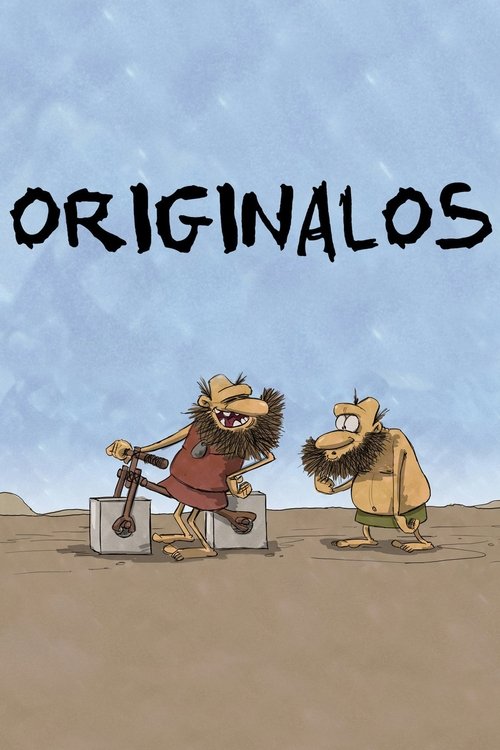
A stone-age animated comedy focusing on the invention of a specific objects or ideas that we use in our everyday life.
2010
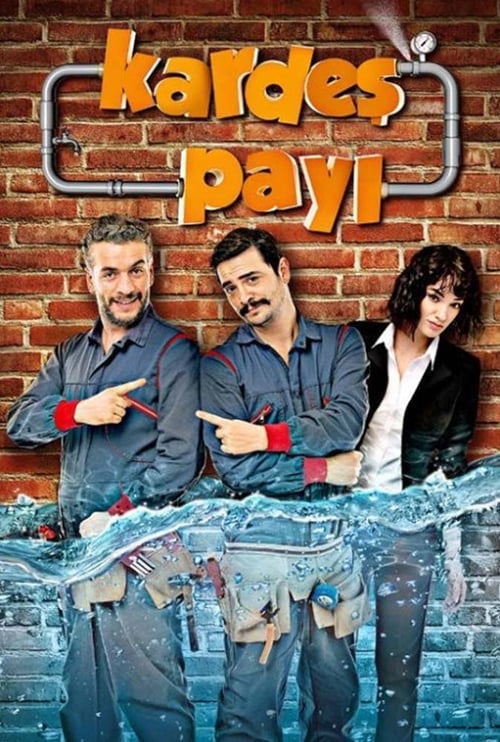
The show is about two brothers and a sister. The two brothers have a plumbing company and they are trying to invent something that would make the world a better place.
2014
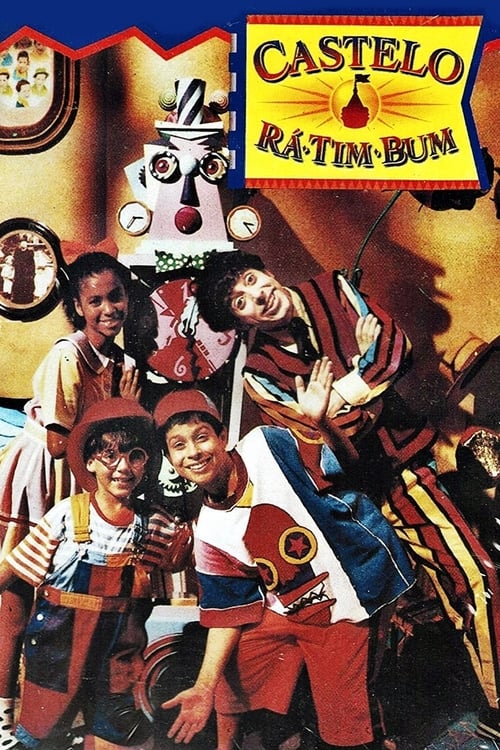
Nino is a 300-year-old boy who lives with his uncle, Dr. Victor, a sorcerer and scientist, and his great-aunt Morgana, a 6,000-year-old witch. The three of them live in a castle in the middle of the city of São Paulo. Apprentice sorcerer, Nino has never attended a school, because of the unusual age of 300 years. His parents left him living with Victor and Morgan, because they needed to travel on an expedition into outer space, taking their two younger brothers. In spite of having animal and supernatural friends in the Castle, Nino, feeling lack of friends like him, decides to do a spell he learned with his Uncle Victor, and ended up bringing to the Castle, three children who had just left school. Free of loneliness, Nino receives the visit of the three daily.
1994
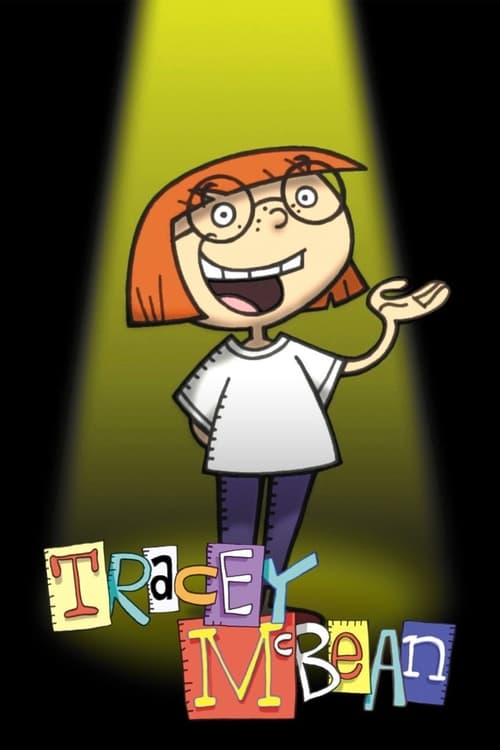
Ever wanted to build a space rocket, invent a homework-doing machine or make your school vanish? Well, join Tracey McBean and best friend Shamus Wong, on journeys full of mystery, drama, bizarre twists and funny bits!
2001
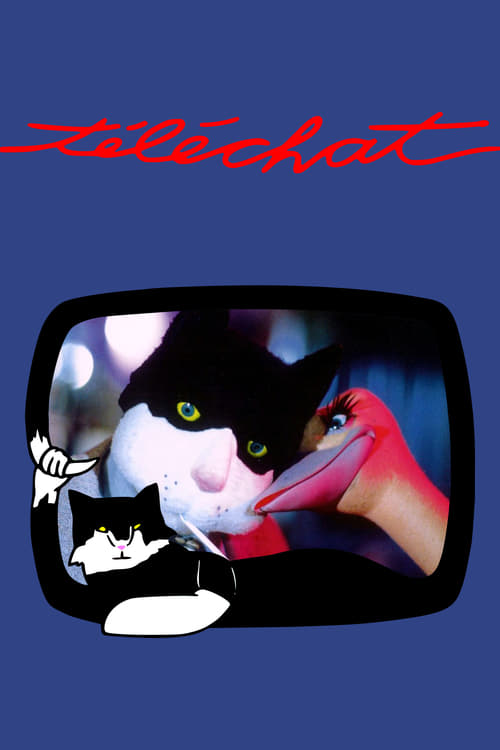
Created by French surrealist artist Roland Topor and director Henri Xhonneux, Telecat is a news show parody hosted by a tomcat named Groucha (who always had his arm in plaster) and an ostrich named Lola. It featured a variety of sentient objects and revolved around the idea that the real-life elementary particles known as gluons were “the souls of objects”.
1983
Aspiring entrepreneurs pitch various business ideas to "The Sharks" -- tough, self-made, multi-millionaire and billionaire tycoons -- in hopes of landing an investment.
2009
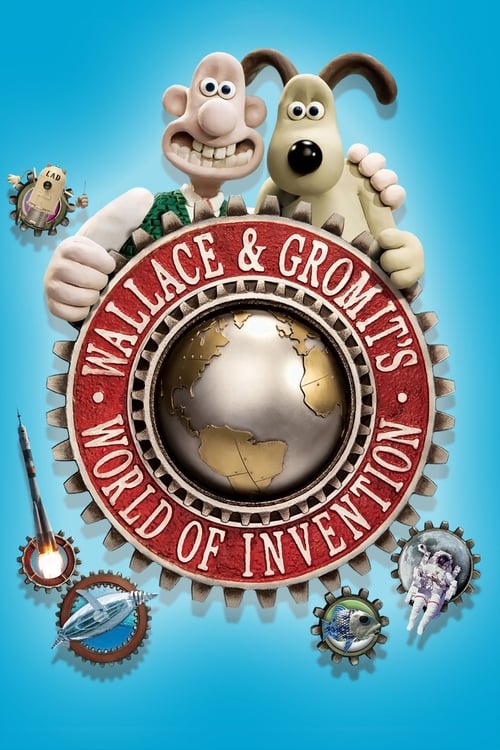
In the series, "Wallace will take a light hearted and humorous look at the real-life inventors, contraptions, gadgets and inventions, with the silent help of Gromit. The series aims to inspire a whole new generation of innovative minds by showing them real, but mind-boggling, machines and inventions from around the world that have influenced his illustrious inventing career" (the BBC press statement). Peter Sallis reprised his role as the voice of Wallace. The filmed inserts are mostly narrated by Ashley Jensen, with one in each episode presented in-vision by Jem Stansfield. John Sparkes also voices a portion in the unseen character of archivist Goronwy.
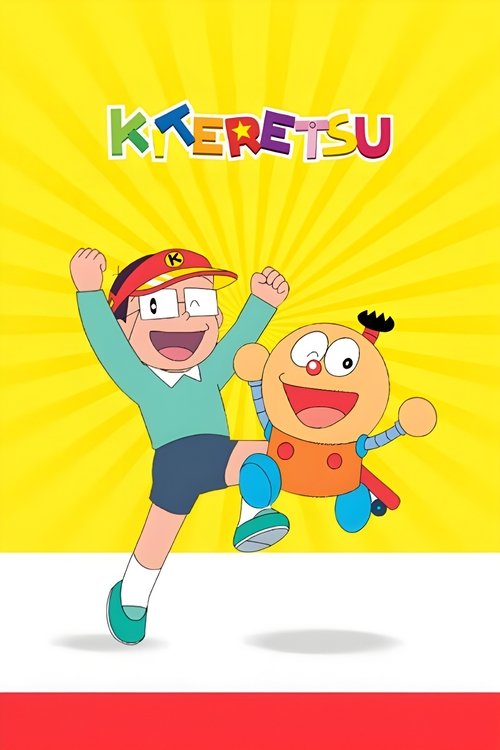
The main character is a scientific genius boy named Kiteretsu, who has built a companion robot named Korosuke. He frequently travels in time with his friends and Korosuke in the time machine he built. Miyoko is a girl in his neighborhood who is basically his girlfriend. Tongari is his rival, who happen to share some similar traits of Honekawa Suneo. Buta Gorilla is a typical neighborhood bully, who also share similar traits of Gian except that he often antagonizes Korosuke (though they are in grade school).
1988
No description available.
2015
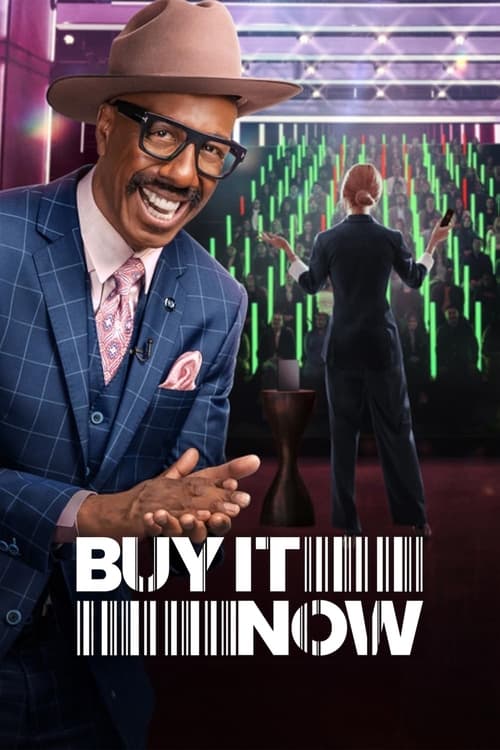
JB Smoove hosts a business competition where entrepreneurs get 90 seconds to pitch their product to an audience of potential customers: The 100. If The 100 like the product and price, then the entrepreneurs go to a panel of Amazon executives and celebrity entrepreneurs. The panel selects which products join Amazon’s exclusive Buy It Now Store and award one entrepreneur $20,000 each episode.
2024
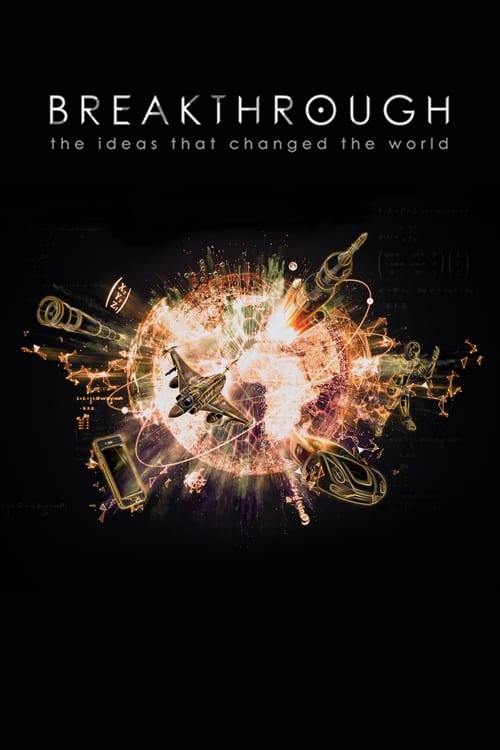
Take a mind-blowing journey through human history, told through six iconic objects that modern people take for granted, and see how science, invention and technology built on one another to change everything.
2019
2006
Senya, the creator of the Lucy smart column, experiments with algorithms, discussing personal topics, family, and people around with Lucy, and tries to make her as human as possible. Lucy quickly becomes something much more than just a column - she turns out to be the only one to whom Senya can entrust her experiences, problems and reflections. Only she knows about all the problems that Senya's daughters faced at school, and only with her does he share his feelings about his relationship with his wife. A smart column helps a man to survive public humiliation in front of the whole family, find the son of the deputy who arranged this humiliation, and cope with the consequences of the irreparable act that Senya committed.
2022
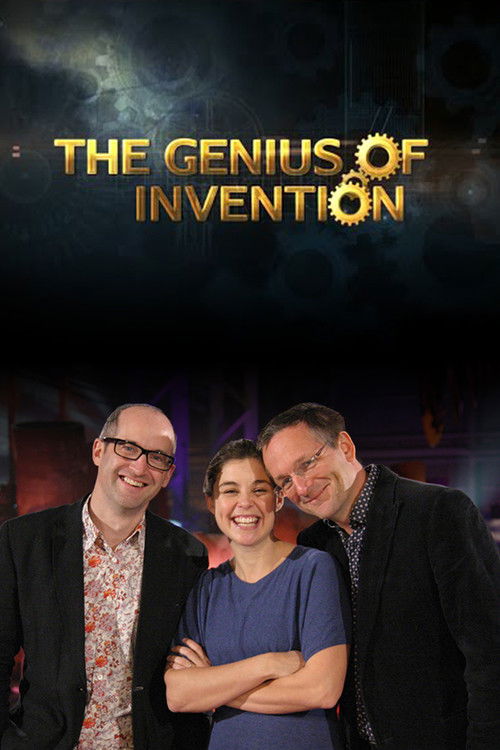
Every time we switch on a light or boil a kettle we rely on power - but most people don't stop to think about the inventions and discoveries that allow us to live the way we do. In an exciting new four-part series for BBC Two, The Genius of Invention reveals the fascinating chain of events behind inventions that make everyday life possible.
2013
Sir David Jason explores his favourite great British inventions and discovers how and why they were first thought up
2020
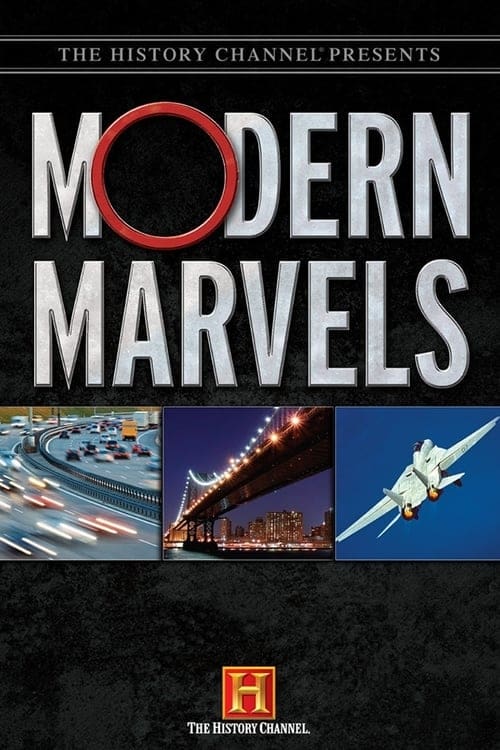
HISTORY’s longest-running series moves to H2. Modern Marvels celebrates the ingenuity, invention and imagination found in the world around us. From commonplace items like ink and coffee to architectural masterpieces and engineering disasters, the hit series goes beyond the basics to provide insight and history into things we wonder about and that impact our lives. This series tells fascinating stories of the doers, the dreamers and sometime-schemers that create everyday items, technological breakthroughs and manmade wonders. The hit series goes deep to explore the leading edge of human inspiration and ambition.
1993