Straight out of This is England! Or was it the other other way round? Never mind, now a classic, World of Skinhead seeks out the roots of skinhead culture - from Detroit to Bergen, from Glasgow to Berlin, honouring its true spirit.
Bastien is twenty years old and has been an activist for five years in the main extreme right party. When the presidential campaign begins, he's invited by his superior to commit even further. Initiated into the art of decking himself out like a politician, he starts to dream of a career, but old demons surge forth...
2020
16-year-old skinhead Trevor has no regard for authority, and would rather spend his time stealing cars than sitting in the detention centre to which he is sent. Social worker Harry Parker tries his best, but Trevor is only interested when there's something in it for him. The centre authorities try to conform Trevor to the norms of society, but he takes no notice, and would rather speak in a torrent of four-letter words and racial abuse.
1983
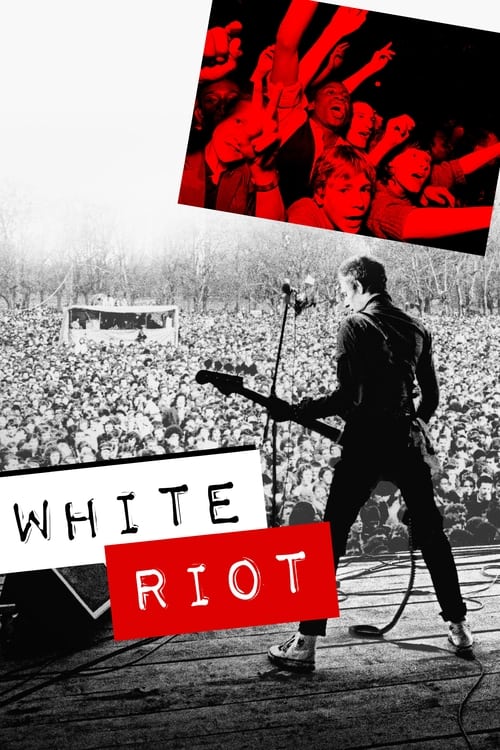
Exploring how punk influenced politics in late-1970s Britain, when a group of artists united to take on the National Front, armed only with a fanzine and a love of music.
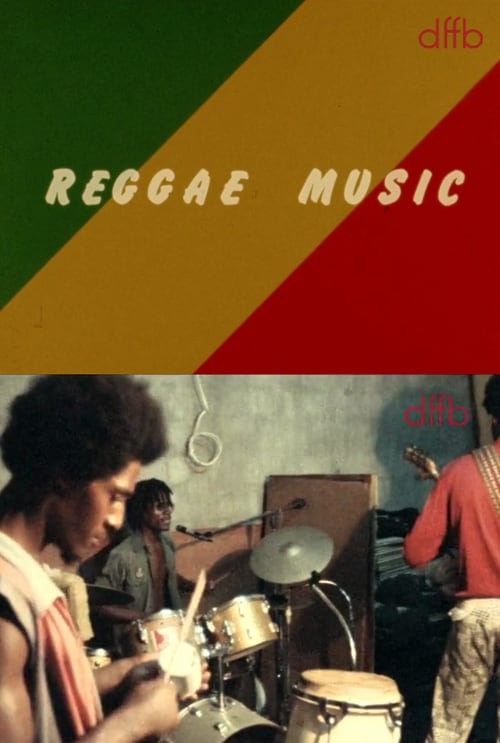
Documentary about reggae in Jamaica and its history. Filmed in 1979.
1981
No description available.
2024
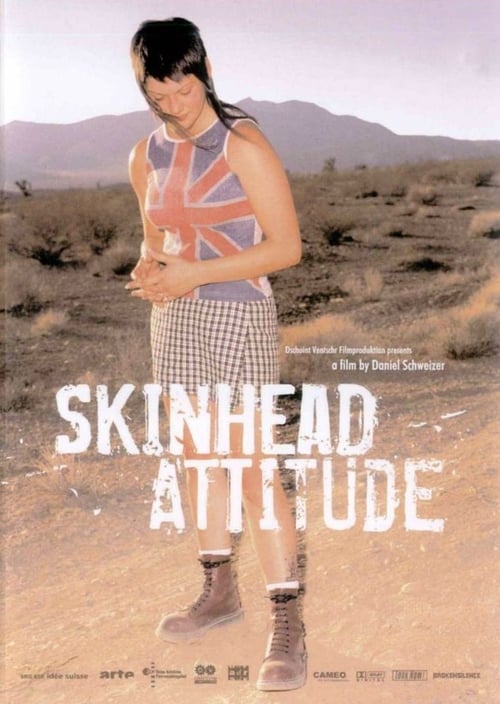
Outlines the history of 40 years of the skinhead subculture, beginning with the most recent versions of the culture.
2003
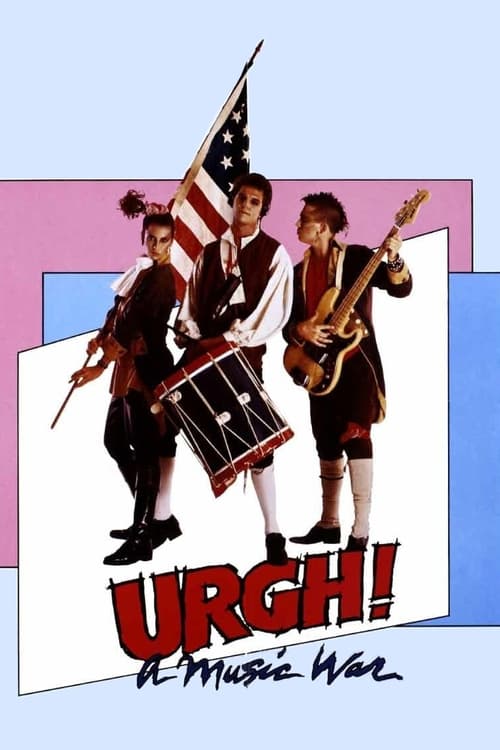
Urgh! A Music War is a British film released in 1982 featuring performances by punk rock, new wave, and post-punk acts, filmed in 1980. Among the artists featured in the movie are Orchestral Manoeuvres in the Dark (OMD), Magazine, The Go-Go's, Toyah Willcox, The Fleshtones, Joan Jett & the Blackhearts, X, XTC, Devo, The Cramps, Oingo Boingo, Dead Kennedys, Gary Numan, Klaus Nomi, Wall of Voodoo, Pere Ubu, Steel Pulse, Surf Punks, 999, UB40, Echo & the Bunnymen and The Police. These were many of the most popular groups on the New Wave scene; in keeping with the spirit of the scene, the film also features several less famous acts, and one completely obscure group, Invisible Sex, in what appears to be their only public performance.
2015
VH1 uncovers the frightening allure and danger of skinhead rock, a key recruitment tool in the U.S. white power movement. You'll hear from the bands and their fans, and learn the remarkable story of George Burdi, a hate rock pioneer who now plays in a multicultural band in Toronto. We'll also examine the rock against racism movement, revealing a battle for the hearts and minds of young music fans.
2002
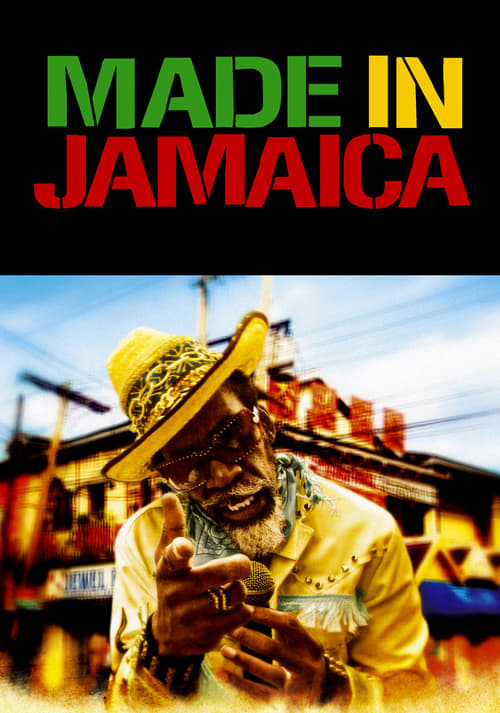
A powerful portrait of the leaders of the reggae music Movement, and how Reggae has become a worldwide phenomenon. The film showcases performances by the best Reggae and Dance Hall artists ever assembled. From their native ghetto to international fame, "Made in Jamaica" is the story of the artists who represent the Jamaican Dream.
2006
Troyanos will show the British skinhead history (how the movement was born and transformed), but will place special emphasis on how it was received and adapted in Buenos Aires. It will be a documentary with an expository style, primarily using interviews and archival footage. Once the general viewer's prejudices about skinheads have been eradicated, the different facets of this interesting, yet underexplored, culture will be revealed.
2010
The Wailers, featuring the legendary Bob Marley, Peter Tosh and Bunny Wailer, became the most influential band in the history of Reggae music. "Catch a Fire," their first Island album, released in 1973, introduced them to an international rock audience. The principal figures in the creation of the album tell the story of how this record was designed to "cross-over." The program features a unique interview and performance with Bunny Wailer, rare archive interviews with Bob Marley and Peter Tosh and contributions in words and music from many of those who performed, Rare home movies of the Wailers in Jamaica, unseen footage lots more.
2000
'Roots Rock Reggae' depicts an unforgettable moment in Jamaica's history when music defined the island's struggles and immortalized its heroes. Director Jeremy Marre films Bob Marley and the Wailers, and Lee 'Scratch' Perry record in his legendary Black Ark studio with The Upsetters. Jimmy Cliff rehearses with Sly and Robbie, while Inner Circle's historic live gig is recorded on the violent Kingston streets. The legendary Abyssinians harmonize their haunting Rastafarian songs; Joe Higgs (formerly Bob Marley's teacher) plays and talks; majestic toaster U Roy raps alongside The Mighty Diamonds, and Third World record in a Kingston studio. There is also early archive footage of Toots and the Maytals, and Haile Selessie's royal visit to Jamaica while police and thieves battle it out on the streets, and the ghettos erupt in violence. 1977: An extraordinary year for Reggae music.
1977
In early 1960s Toronto, a white, Anglo-centric city, an underground music scene emerged from the Jamaican diaspora, led by newcomers like Jackie Mittoo, Wayne McGhie, and a young Jay Douglas. Battling racism and indifference, they left a lasting but underrecognized mark on Canadian music and culture. Nearly 60 years later, Jay Douglas still champions Jamaican music and is finally receiving long-overdue recognition. Play It Loud is a feature documentary that tells the little-known story of how Jamaican music became a vital, unlikely part of Canadian culture. It traces a cultural migration that made Canada a global hub for Jamaican music - celebrated abroad but overlooked at home. Told through the life and music of beloved singer Jay Douglas, born Clive Pinnock in rural Jamaica, the film follows his journey from teen performer to enduring icon.
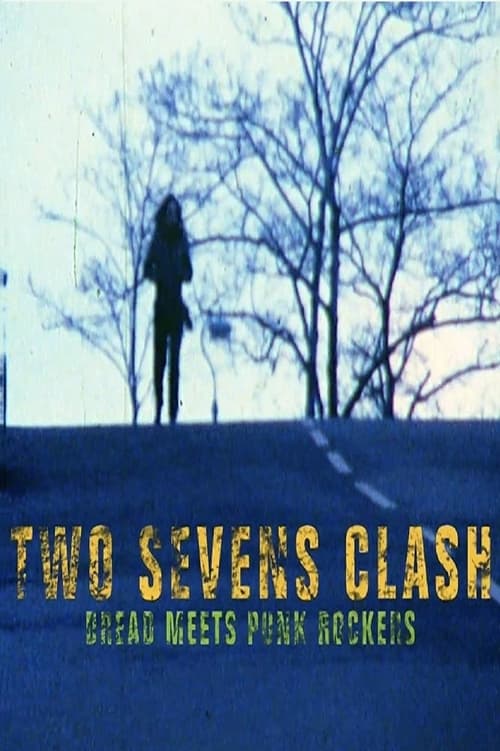
Documentary about reggae music and culture in London in 1977. Filmed in Super 8 camera by Don Letts. With participation of Richard Branson, Neneh Cherry, Paul Cook, Sly Dunbar, Paul Weller, John Lydon, Joe Strummer, Siouxsie Sioux, Lee ‘Scratch’ Perry and others. Released in 2017.
2017
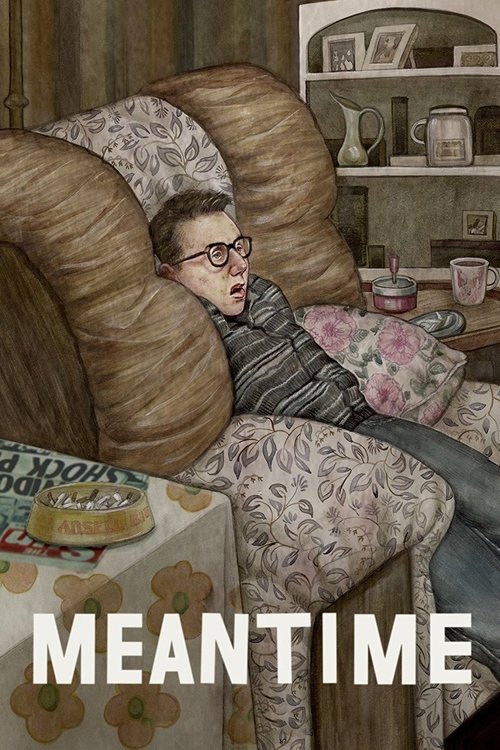
A working-class family in London's East End is struggling to stay afloat during the recession under Prime Minister Margaret Thatcher's premiership. Only the mother Mavis is working; father Frank and the couple's two sons Colin, a timid, chronically shy individual and Mark, an outspoken, headstrong young man, are on the dole. This situation is contrasted by the presence of Mavis's sister Barbara, and her husband John, whose financial and social loftiness appears to be a comfortable facade over the unspoken soreness of a lackluster marriage.