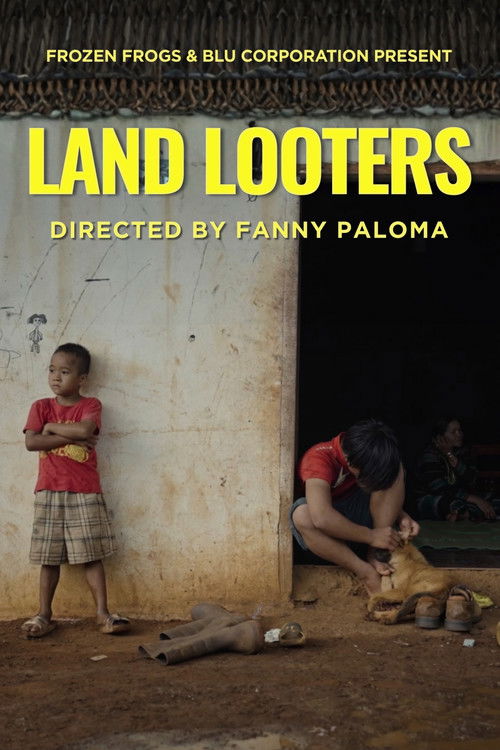
Through daily routines in a rural village, an indigenous elder couple recall their strange marriage to their grand-daughter, and sometimes to each other, in the changing rhythm of nature around them.
On April 17, 1975, the face of Cambodia would forever be changed. As Khmer Rouge soldiers marched into the capital city of Phnom Penh, the unsuspecting people of Cambodia had little idea they would be forced into a living nightmare that would last nearly four years. Rain Falls From Earth is a story of courage, a story of survival and a story of eventual triumph over the Communist regime that was responsible for the deaths of over two million people. The voices of many Cambodians are heard as they convey their thoughts, ideas and emotions - the very things they were forced to abandon in the "killing fields" of Cambodia. Their stories are an eyewitness account to genocide.
2024
The atrocities Sok Chea witnessed as a child during the rule of Pol Pot continue to haunt to this day, nearly thirty years later. So she is shocked when she suddenly comes across the man who was in charge of her prison and whom she holds responsible for murdering most of her family. Once again he holds a prominent position, this time as Deacon of Death or leader of cremation ceremonies. She decides to collect evidence against him. He must stand trial. But can she succeed in a country still ruled by fear. Besides which, Cambodians believe in karma and forgiveness. Wrongdoers are punished after their death anyway and will suffer for many lives to come. Sok Chea'ss quest leads her to a confrontation with Karoby, in the same pagoda where the atrocities occurred.
2005
It is a simple story with a deep meaning. When the beautiful chanteuse Hung (Law Yim-hing) is forced to marry Commander Lau (Lau Hark-suen), her brother (Cheng Wai-sum) interferes but is brutally beaten to death. Hung also falls to her death when she tries to escape. The siblings are only hastily buried in a coffin home, which is haunted soon afterwards. Hung's lover Wong (Wong Chiu-mo) later sneaks into the haunted house hoping to see her for one last time; Lau, meanwhile, insists on inspecting the coffin home and the corpses to prove that ghosts do not exist…The film creates an eerie and uncanny atmosphere with its well-designed camera angles, sound and editing. The haunting looks of the two ghost characters are a nod to Hong Kong's typically told horror stories.
1955
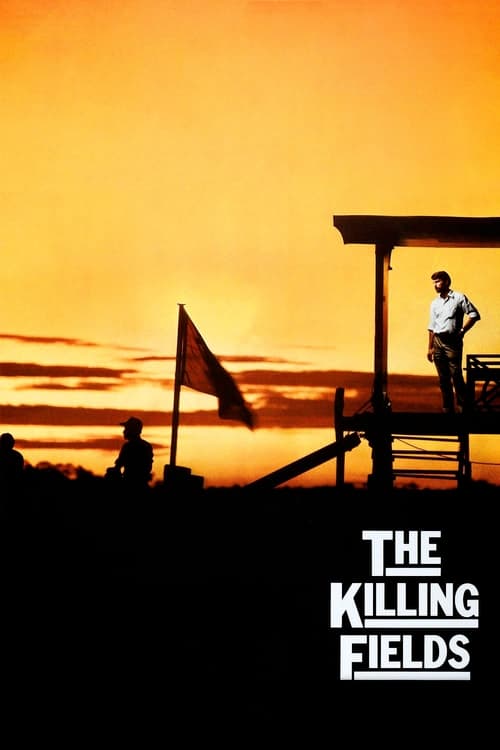
New York Times reporter Sydney Schanberg is on assignment covering the Cambodian Civil War, with the help of local interpreter Dith Pran and American photojournalist Al Rockoff. When the U.S. Army pulls out amid escalating violence, Schanberg makes exit arrangements for Pran and his family. Pran, however, tells Schanberg he intends to stay in Cambodia to help cover the unfolding story — a decision he may regret as the Khmer Rouge rebels move in.
1984
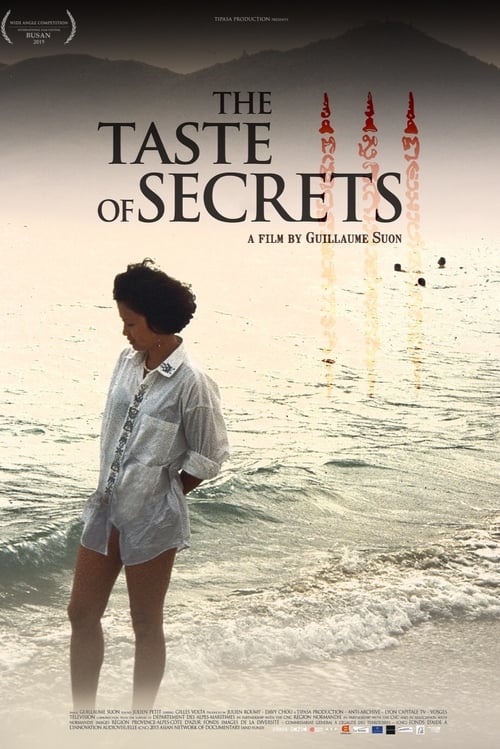
My mother always refused to speak about her childhood during the Cambodian genocide. Upset by her silence, my brother and I decide to follow Antoine, a grandson of Armenian genocide survivors, photographing the ghosts of his ancestors in the Middle East.
2020
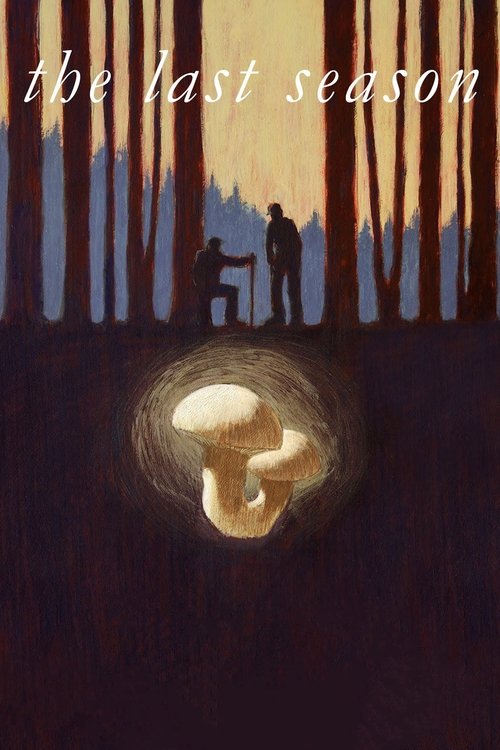
In search of the lucrative matsutake mushroom, two former soldiers discover the means to gradually heal their wounds of war. Roger, a self-described 'fall-down drunk' and sniper in Vietnam, and Kouy, a Cambodian refugee who fought the Khmer Rouge, bonded in the bustling tent-city known as Mushroom Camp, which pops up each autumn in the Oregon woods. Their friendship became an adoptive family; according to a Cambodian custom, if you lose your family like Kouy, you must rebuilt it anew. Now, however, this new family could be lost. Roger's health is declining and trauma flashbacks rack his mind; Kouy gently aids his family before the snow falls and the hunting season ends, signaling his time to leave.
2014
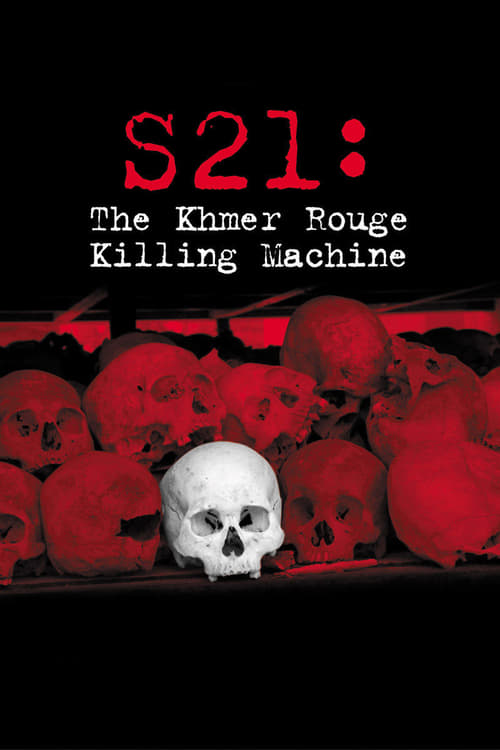
Documentary of the S-21 genocide prison in Phnom Penh with interviews of prisoners and guards. On the search for reasons why this could have happened.
2003
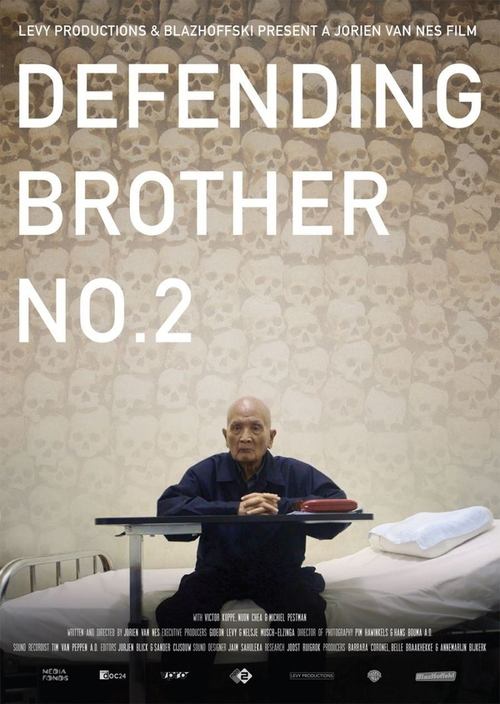
Two Dutch lawyers, Michiel Pestman and Victor Koppe, travel to Cambodia in 2011 to defend Nuon Chea in an international tribunal. Nuon Chea, also known as Brother No. 2, was the second man after Pol Pot in the Khmer Rouge regime. He is being charged with mass murder and crimes against humanity. For four years, the documentary follows the lawyers in their attempt to give this man a fair trial, but the UN tribunal is beset by local interests and a government which consists partly of other former members of the Khmer Rouge who would really like all of the blame to rest solely on the defendant. What should've been the crowning achievement in the careers of the lawyers turns out very different.
2017
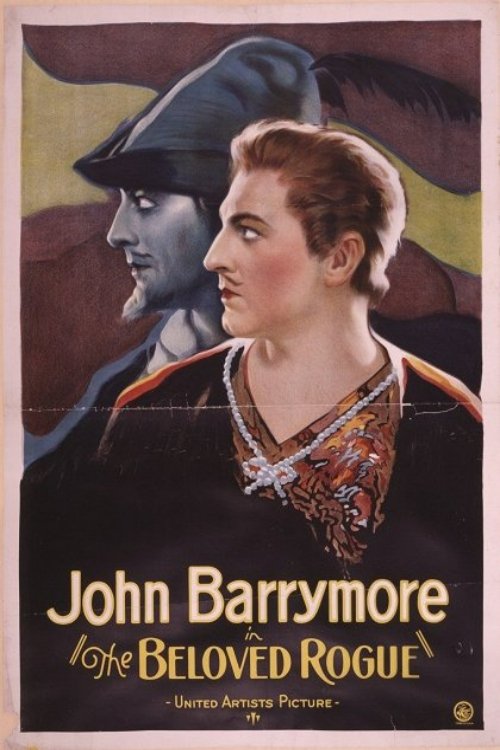
François Villon, in his lifetime the most renowned poet in France, is also a prankster, an occasional criminal, and an ardent patriot.
1927
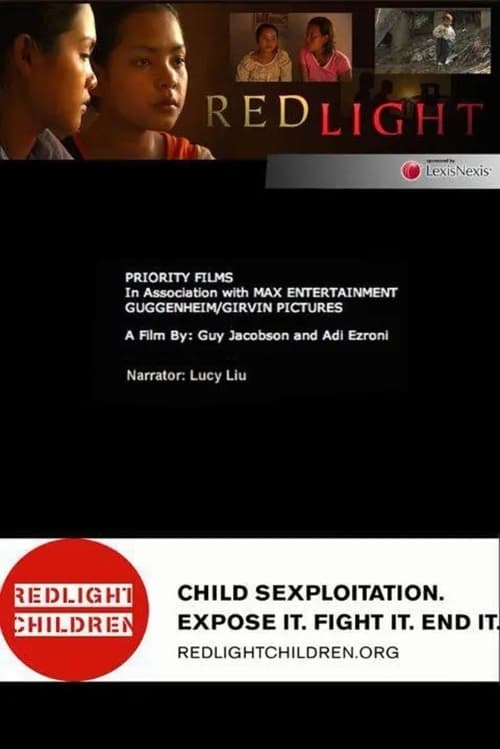
A powerful feature documentary about child sexploitation, an epidemic happening in every country around the world. Filmed over a four year period, REDLIGHT focuses on the personal stories of young Cambodian victims and two remarkable advocates for change: grass-roots activist Somaly Mam and politician Mu Sochua. Using gritty footage smuggled out of brothels and harrowing testimonials, REDLIGHT follows the plight of several current and former child sex slaves. Some are trying to regain entry into Cambodian society to find some semblance of normality after their horrific experiences. Other stories highlight the plight of victims who are attempting to bring the perpetrators to justice. Their torturous yet ultimately heroic battles to find witnesses and take brothel owners to court are dramatically brought to life in this topical and moving feature documentary.
2009
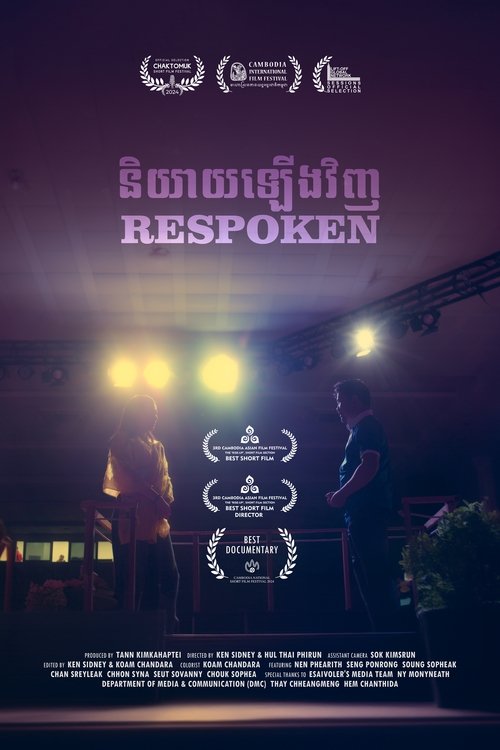
Short-documentary about a visionary actor and his team fight to revive Lakhon Niyeay (Spoken Theater) in Cambodia, facing personal and professional challenges, as he prepares for a major show after six years amidst an uncertain future.
Part travelogue and part sensitive investigation, the movie tells the universal story of people who refuse to be erased, reminding us that defending the Earth means defending life.
2026
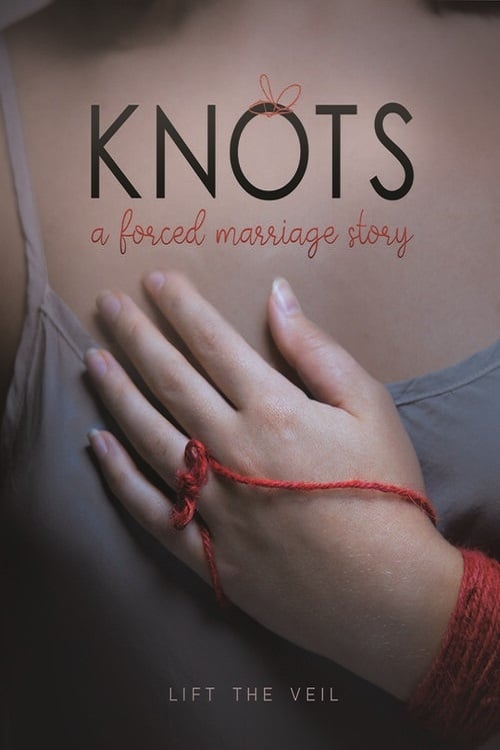
Forced and child marriage is happening all across the U.S., legally. Three survivors - Nina, Sara, and Fraidy - take us on a journey into the depths of this human rights abuse hiding in plain sight.
No description available.
1981
In okay bye-bye, so named for what Cambodian children shouted to the U.S. ambassador in 1975 as he took the last helicopter out of Phnom Phenh in advance of the Khmer Rouge, Rebecca Baron explores the relationship of history to memory. She questions whether, "image and memory can occupy the same space." Building on excerpts from letters, found super-8 footage of an unidentified Cambodian man, iconographic photographs from the Vietnam War and other partial images, Baron combines epistolary narrative, memoir, journalism, and official histories to question whether something as monumental as the genocidal slaughter of Cambodians during the Pol Pot regime can be examined effectively with traditional methodologies.
1998
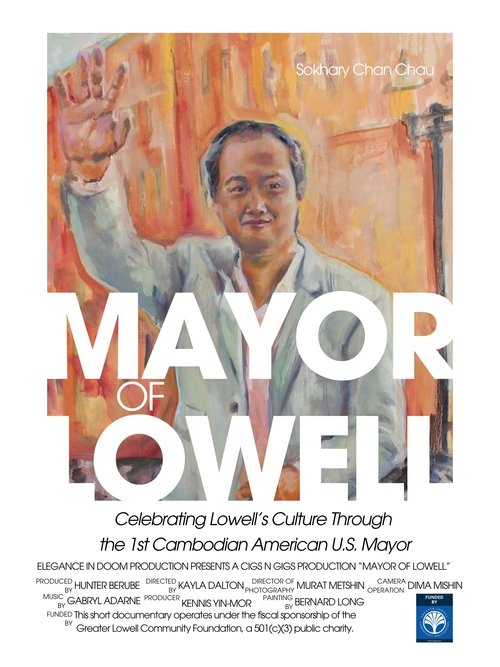
This short documentary chronicles the culture and arts of Cambodian Americans and the Lowell, MA community through the eyes of Sokhary Chau, the first Cambodian American Mayor in the United States. Chau immigrated to the U.S. at seven years old to escape the Khmer Rouge genocide. Through this unique story that showcases the best of Lowell—immigrant success, assimilation, history, and the development of the arts—we see a man born into a war-torn country who comes to America to be a first-in-the-nation leader.
2025