K
HomeMoviesTVSearchRandom
KKINORA

This website does not retain any files on its server. It provides movie metadata and links to media hosted by third-party services. Powered by the TMDB API.

TrendingSearchMoviesTV ShowsTop RatedRandomNewest
© 2026 Kinora. Not affiliated with TMDB.Built with Next.js · Tailwind · Framer Motion
← Back to details
Now PlayingHuman By Chance?

Human By Chance?

★ 0.02020Documentary

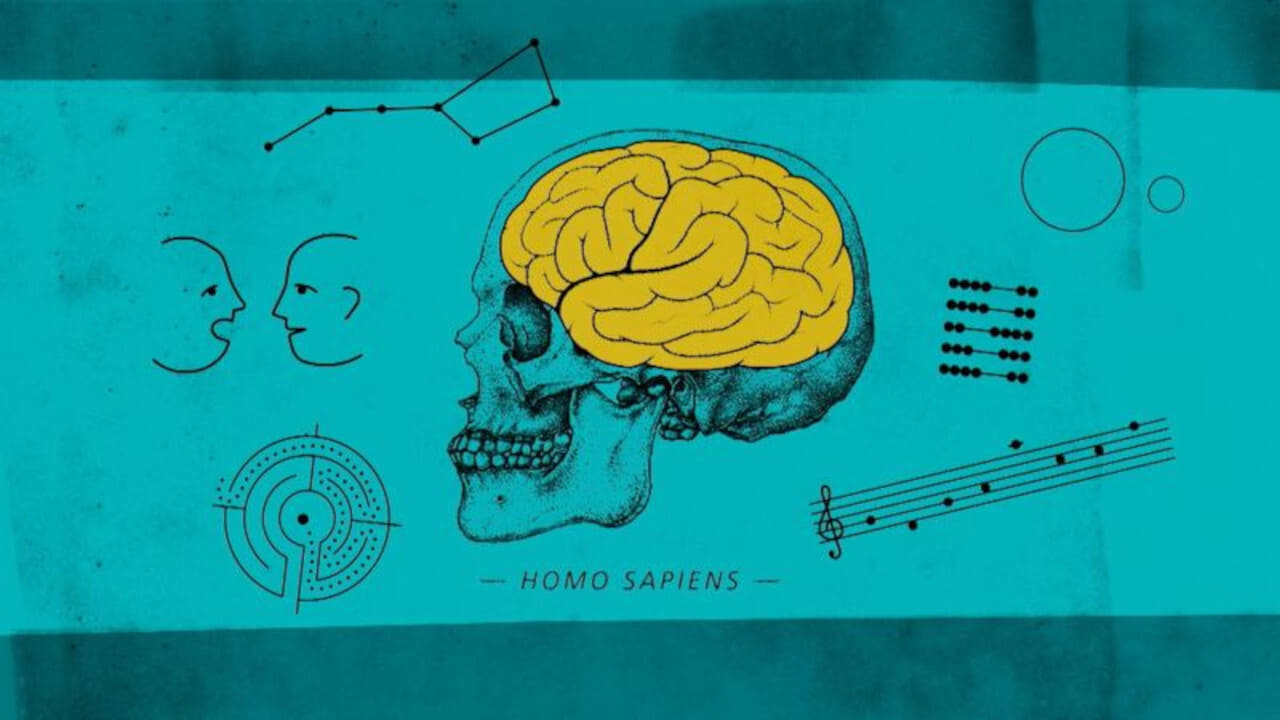
If we compare ourselves with our genetically closest living relatives, the chimpanzees, we have few physical advantages. We are far weaker, cannot move nearly as fast, and do not have the same climbing capabilities. Instead, humans excel in areas such as architecture, religion, science, language, writing, art, culture, and ideas. These achievements are due to our larger brain that contain billions of neurons. It was the rapid growth of our brain, originating about 2 million years ago, that allowed us to be the predominant species of the world. What caused this rapid growth of our cerebral cortex? Researchers worldwide have asked this question for many years, but now there finally seems to be an answer.
🎞️More Like This

Decoding Neanderthals
★8.0
Film

Over 60,000 years ago, the first modern humans left their African homeland and entered Europe, then a bleak and inhospitable continent in the grip of the Ice Age. But when they arrived, they were not alone: the stocky, powerfully built Neanderthals had already been living there for hundreds of thousands of years. So what happened when the first modern humans encountered the Neanderthals? Did they make love or war?

Decoding Neanderthals

2013

No image
Film

In a television first, Fat Family Tree sets out to prove that unlocking the secrets of a fat family’s genes can help provide the answer to their lifelong weight problems. Presented by Dr Dawn Harper (Embarrassing Bodies), Fat Family Tree uses cutting edge genetics to decode the genes of an overweight family for whom all other attempts to shed the pounds have not worked. Discovering how the family’s genes have put them at risk of excessive weight gain is the first step to devising a diet to help them beat their genes. Based on the latest science, the programme’s “gene-busting” diet also promises fail safe diet tips that could help all of us lose weight.

Fat Family Tree

2013

Thorin, le dernier Néandertalien
★8.0
Film

The Mandrin Cave in the Rhône Valley is a fascinating excavation site. Archaeologist Ludovic Slimak discovered fossils and flints here, proving that Neanderthals inhabited the cave for over 80,000 years. The first Neanderthal in France for half a century was also unearthed in the cave: He was given the name Thorin.

Thorin, le dernier Néandertalien

2024

Le mystère de l'homme de Denisova
★8.5
Film

No description available.

Le mystère de l'homme de Denisova

2022

Cracking the Code: Phil Sharp and the Biotech Revolution
★8.0
Film

The 1977 discovery of RNA splicing by Dr. Phillip A. Sharp, Kentucky farm boy turned Nobel-prize winning scientist, set the stage for a revolution in molecular biology, enabling research into a new class of medicines predicated on recombinant DNA techniques ranging from the development of synthetic insulin and human growth hormone to the COVID-19 vaccine.

Cracking the Code: Phil Sharp and the Biotech Revolution

2025

Brains in Danger
★7.2
Film

For the past 20 years, the world has seen an alarming decrease in IQ and a rise of autism and behavioral disorders. This international scientific investigation reveals how chemicals in objects surrounding us affect our brain, and especially those of fetuses.

Brains in Danger

2017

Your Inner Fish
★8.0
Film

How did your body become the complicated, quirky, amazing machine it is today? Anatomist Neil Shubin uncovers the answers in this 3-part science series that looks at human evolution. Using fossils, embryos and genes, he reveals how our bodies are the legacy of ancient fish, reptiles and primates — the ancestors you never knew were in your family tree.

Your Inner Fish

2014

Dawn of Humanity
★7.5
Film

Nova and National Geographic present exclusive access to an astounding discovery of ancient fossil human ancestors.

Dawn of Humanity

2015

The Journey of Man: A Genetic Odyssey
★7.2
Film

Many geneticists and archaeologists have long surmised that human life began in Africa. Dr. Spencer Wells, one of a group of scientists studying the origin of human life, offers evidence and theories to support such a thesis in this PBS special. He claims that Africa was populated by only a few thousand people that some deserted their homeland in a conquest that has resulted in global domination.

The Journey of Man: A Genetic Odyssey

2003

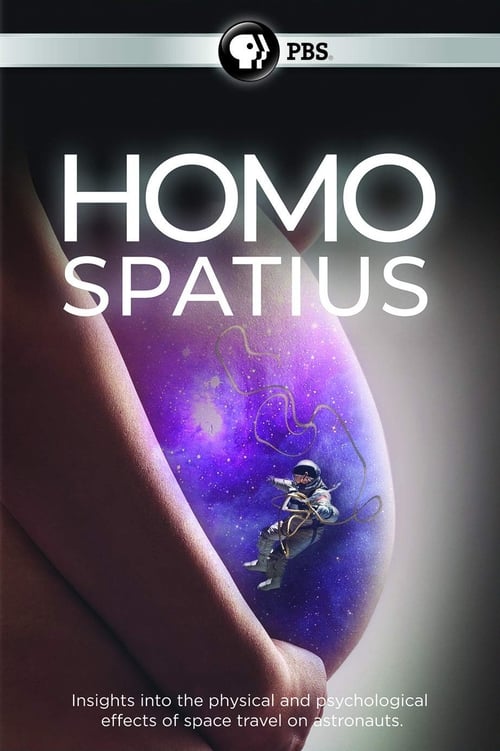
Homo Spatius
★6.4
Film

Can Homo sapiens evolve into Homo spatius? For over 50 years now, we have been testing our human nature in our effort to conquer outer space, and still 30 years away from a possible human exploration of Mars, a question remains: Can our body take such travels? Will it ever adapt? Combining human adventure and the exploration of the human body, this film offers unique insights into the physical and psychological effects of space travel on the Astronauts and measures the impact on medical sciences.

Homo Spatius

2018

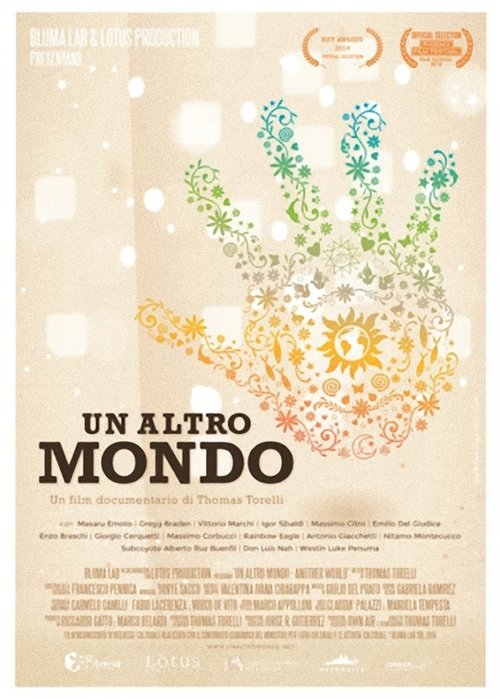
Another World
★7.2
Film

A feature documentary about the journey of mankind to discover our true force and who we truly are. It is a quest through science and consciousness, individual and planetary, exploring our relationships with ourselves, the world around us and the universe as a whole.

Another World

2014

The Scientist, The Imposter and Stalin: How to Feed the People
★7.3
Film

The documentary tells two very different human fates in the 1920s Soviet Union. Nikolai Vavilov was a botanical genius, Trofim Lyssenko was an agronomist who made great promises and fake inventions. Each of them tried to solve the country's nutritional problem, but only one succeeded.

The Scientist, The Imposter and Stalin: How to Feed the People

2018

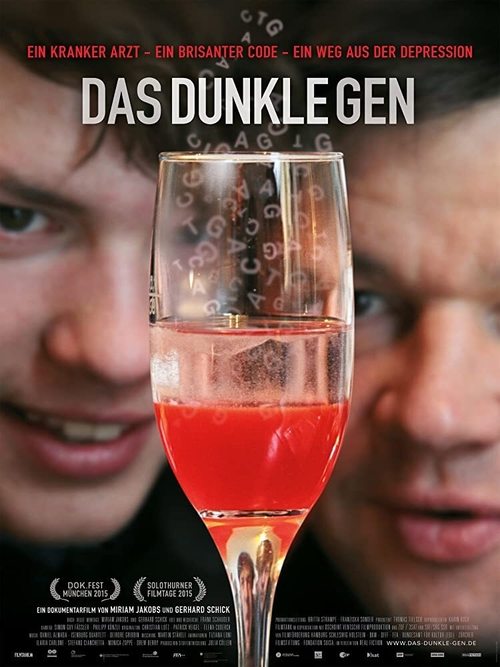
The Dark Gene
★8.0
Film

The film tells a very personal story from two perspectives: our protagonist is both doctor and patient. As a patient, he has struggled with recurring depression for years, and as a doctor he wants to find out why. The search for the origins of his illness leads him into the realm of his own genes and casts light on the fundamental changes facing modern society as a result of the tremendous progress being made in the field of genetic sequencing. Along the way, he meets a host of people – researchers, artists, visionaries – who have developed their own very individual approach to genetic coding and are drawing attention to the social significance of genetic technology. The film does not restrict itself to a scientific view of the subject but also makes use of artistic visions and more playful approaches to genetic blueprints.

The Dark Gene

2015

Where Did We Come From?
Film

Host Neil deGrasse Tyson tackles one of science's major challenges in each segment of Where Did We Come From? He will guide us as he explores dramatic discoveries and the frontiers of research that connect each central, provocative mystery. Program includes: Revealing the Origins of Life; Origins of the Solar System; Lice and Human Evolution; and Profile: Andre Fenton

Where Did We Come From?

2011

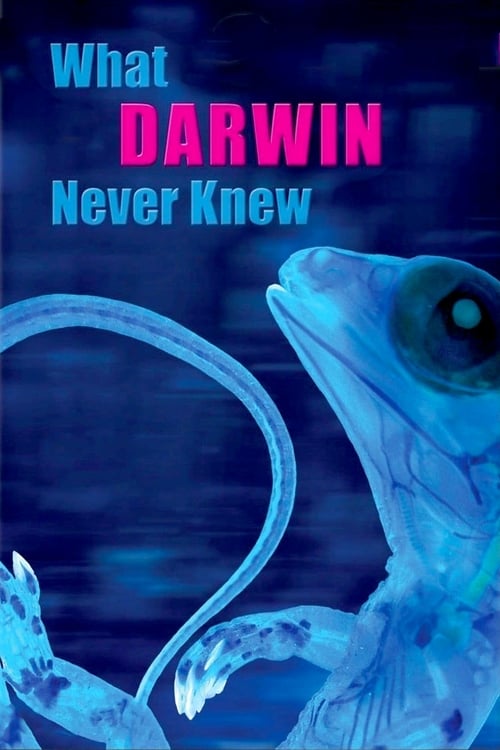
What Darwin Never Knew
★9.0
Film

Earth teems with a staggering variety of animals, including 9,000 kinds of birds, 28,000 types of fish, and more than 350,000 species of beetles. What explains this explosion of living creatures—1.4 million different species discovered so far, with perhaps another 50 million to go? The source of life's endless forms was a profound mystery until Charles Darwin brought forth his revolutionary idea of natural selection. But Darwin's radical insights raised as many questions as they answered. What actually drives evolution and turns one species into another? To what degree do different animals rely on the same genetic toolkit? And how did we evolve?

What Darwin Never Knew

2009

Grotte Chauvet - Dans les pas des artistes de la Préhistoire
★8.7
Film

No description available.

Grotte Chauvet - Dans les pas des artistes de la Préhistoire

2024