A state of secrets and a ruthless hunt for whistleblowers – this is the story of 25-year-old Reality Winner who disclosed a document about Russian election interference to the media and became the number one leak target of the Trump administration.
How twenty cents began a conservative revolution.
2021
This documentary draws on new evidence to reveal that a fire was raging in Titanic's boiler rooms before she left port, that it was kept secret and, it's now believed, that it led to the tragedy
2017
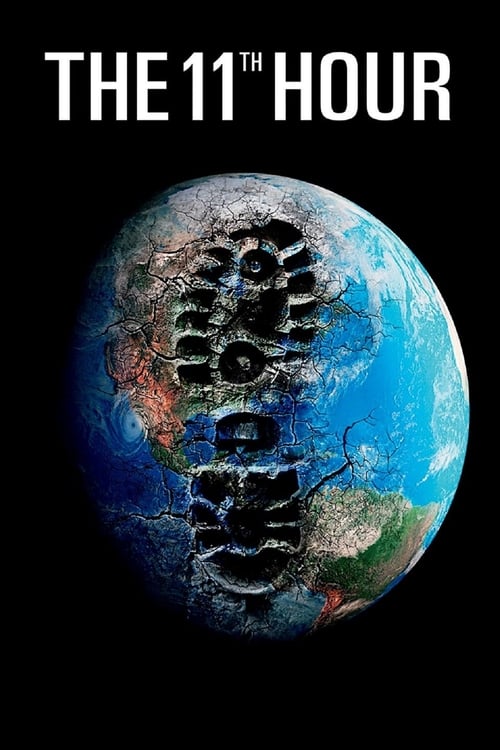
A look at the state of the global environment including visionary and practical solutions for restoring the planet's ecosystems. Featuring ongoing dialogues of experts from all over the world, including former Soviet Prime Minister Mikhail Gorbachev, renowned scientist Stephen Hawking, former head of the CIA R. James Woolse
2007
Wissam Charaf traces the recent history and identity of Lebanon through its political campaigns, PR imagery and pop videos.
2012
Letter to My Tribe started with a question: Why don’t more Jews and Israelis speak out about Palestine? Over many years my mother, who represents a more messianic perspective, and I have had numerous arguments, some recorded, some not. These form the backbone of this video essay in which Israelis and Jews, journalists, activists and a rabbi are interviewed, and in which documentation of actions on the ground, in the West Bank, are woven with more personal family histories and journeys to Iraq and to Poland.
2024
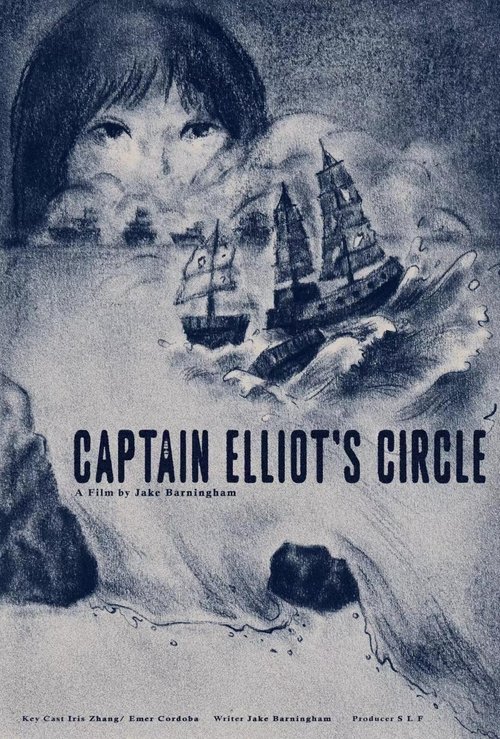
Equal parts documentary, essay, and narrative,"Captain Elliot's Circle" is mostly a poetic interaction with an obscure corner of Chinese and British history. Constructed using primary source documents about the taking of Zhoushan, Britain's first choice for a seaport, in the late 1830s,this movie uses Captain Charles Elliot's reluctance to brutalize the Chinese to reflect on the cyclical nature of history and the power structures that move it. The long takes used throughout function to illustrate the dramatically different ways in which people who lived in the mid-19th century perceived time. Additionally, it represents the psychological effect of living on an island regardless of what era you were born in.The last third of the movie focuses on a young woman whose strange day job has taken her far away from the island of Zhoushan generations after Captain Charles Elliot was last there. "Captain Elliot's Circle" was shot on location in Zhoushan and Hangzhou.
2023
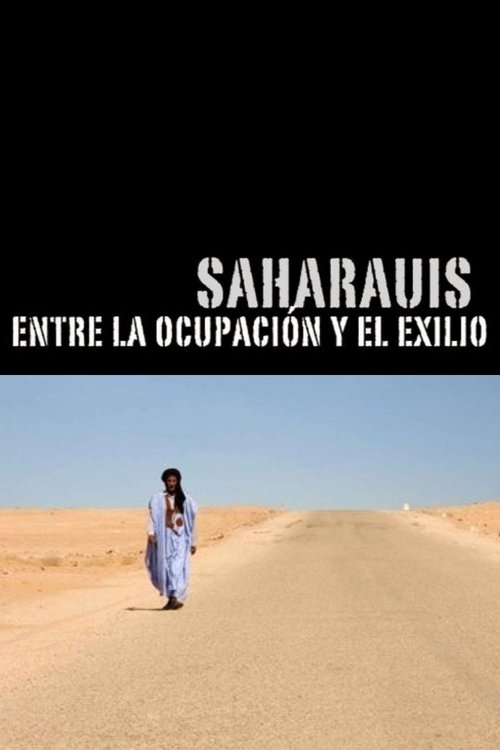
From a chronological perspective, “Saharauis, entre la ocupación y el exilio” (2010) explains the origins and key points of the Western Sahara conflict, especially since Spain handed over the territory to Morocco and Mauritania. Based on the interviews with the main people affected by the conflict, among others, this documentary shows the Sahrawi fight for survival in a society and a culture that have been able to prevail in occupied territory as well as in the refugee camps of Tindouf (Algeria).
2010
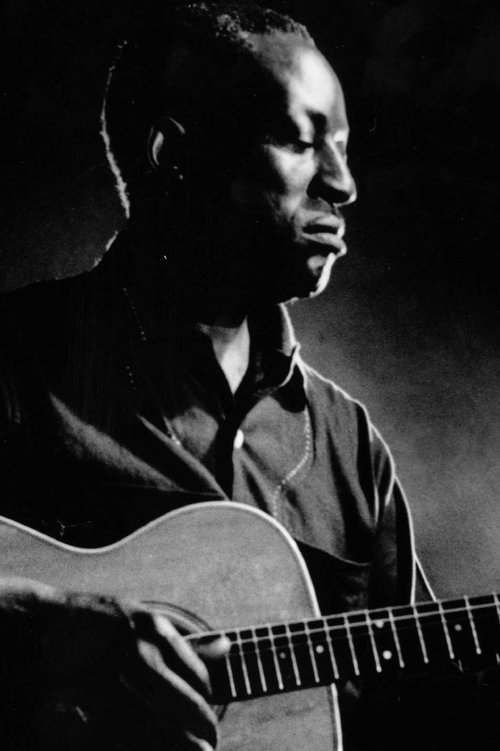
A 1956 Belgian film, Low Light and Blue Smoke, showcases the music of American blues guitarist Big Bill Broonzy, capturing his performance at the Chapel of Les Brigittines in Brussels during his 1956 European tour.
—
This short documentary sifts through the pages of a woman's diary who has recently begun to write her memoir. As she looks back at her life and some of her memories, the film explores the ordinary act of writing and the value and meaning it may hold in mundane everyday life.
Three women share their experience of navigating the app-world in the metro city. The sharings reveal gendered battles as platform workers and the tiresome reality of gig-workers' identities against the absent bosses, masked behind their apps. Filmed in the streets of New Delhi, the protagonists share about their door-to-door gigs, the surveillance at their workplaces and the absence of accountability in the urban landscape.
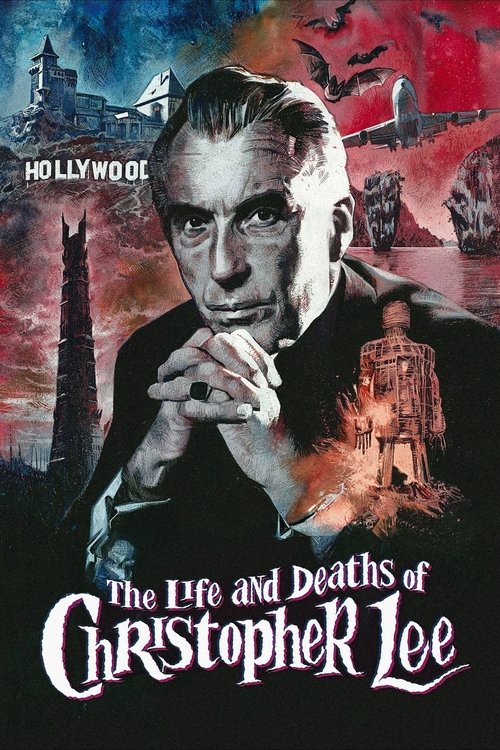
Aristocratic Italian roots, a close family connection to James Bond novelist Ian Fleming, wartime experiences in the British and Finnish military, post-war Nazi-hunting adventures and a side career as a heavy metal rock singer. And one of the most iconic actors of all time.
This is the reality of women of the same nation who live divided by the wall that has separated them for 35 years now. Exiled Sahrawi women who live in the refugee camps in Tindouf (Algeria) have a 88% representation rate in teaching and in healthcare, and 9% in government, evidence that they are the fundamental pillar of society. The ones who remained in the occupied territories of Western Sahara are part of every aspect of the struggle and activism against Moroccan occupation. They protest at the intifadas, they research the plunder of their natural resources, they paint flags, write pamphlets and they belong to the organisations that defend Sahrawi human rights in Western Sahara. These women: former prisoners, formerly missing, activists, today are tortured, harassed, followed, surveilled and violated simply for defending their legitimate right to freely express themselves in favour of Western Sahara’s independence.
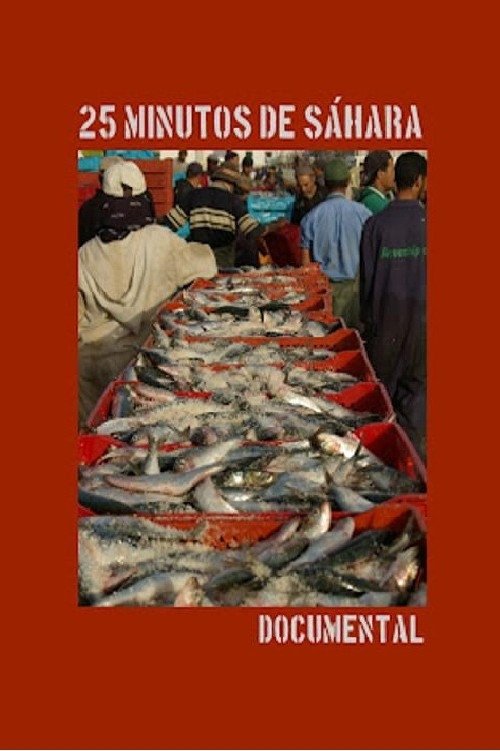
25 minutes in the Sahara, is a snapshot of the 34 years of division in which resistance and justice for the Sahrawi community has played out. 1500 seconds of images and voices are heard from exile; voices that are not silent under occupation; that speak as immigrants and that hold their own as an international human platform. 1500 seconds to open and not close your eyes to the reality of these men and women, part of our History. A present of robbed freedoms, properties exploited and forgotten by those who hold the key to the globalisation of toture and repression. A bid, at the end of division, to grant the Right to a Future in the Present, from the West and democratic action in the name of the Sahara.
Bubisher, as well as being 'the bird of luck', is a word loaded with literary meaning in Spanish in the Sahrawi refugee camps of Tindouf. Seeing the way in which two cultures interact through small stories and tales can is striking and so is the contrast between the resilience of the young female generations and the realities of life in the desert. This documentary paints a picture of a generation of young female Sahrawis.
Kim Chang-in, a self-proclaimed ‘democratic socialist,’ and Kim Hyun-jin, who calls himself an ‘extremely centrist person,’ are ordinary young people in South Korea. While Chang-in became interested in politics because he was angry at the sight of bleeding workers at the Ssangyong Motors strike, Hyun-jin was angry at tax money being wasted on populist policies such as minimum wage and work incentives and decided to go into politics.
No description available.