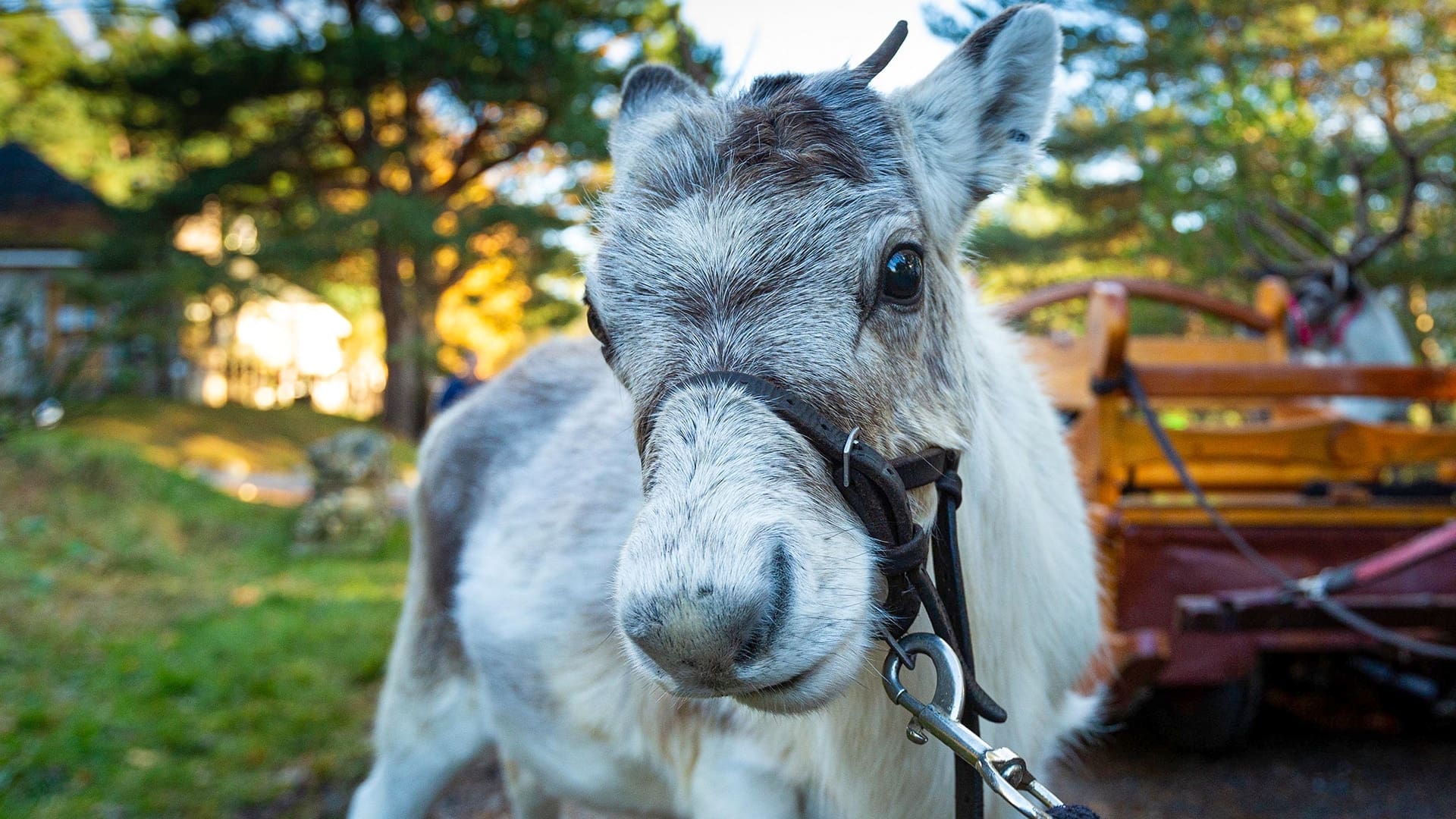
Documentary following a community of herders in the Scottish Highlands preparing young reindeer for their first Christmas, including an orphaned reindeer calf who battles against the odds
The culture of Japan is incredible, from bloom festivals to ultra-modern cities. But there are also more than 130 mammals and 600 bird species dwelling in Japan’s 6852 islands. This island chain is long enough to span climate zones, providing a huge range of habitat.
2020
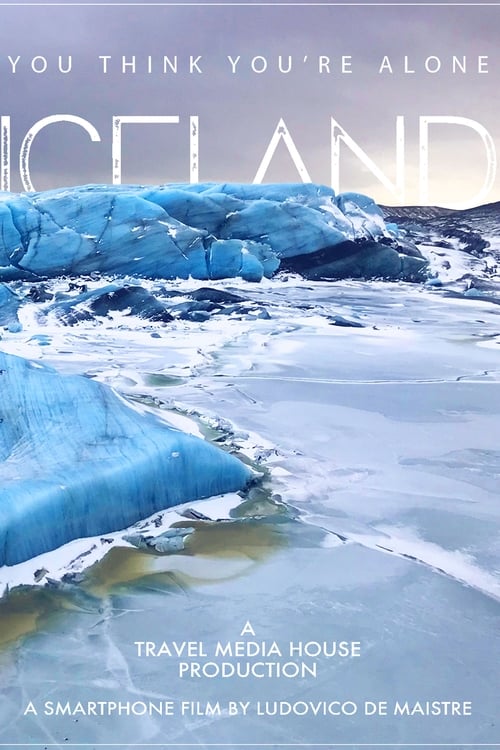
Iceland is one of the wildest places on earth. You could be caught up in the midst of snowstorms and blizzards, but you are never alone... Although tourists from all over the world have started a silent invasion, nature keeps on winning.
2018
"Africa Light" - as white local citizens call Namibia. The name suggests romance, the beauty of nature and promises a life without any problems in a country where the difference between rich and poor could hardly be greater. Namibia does not give that impression of it. If you look at its surface it seems like Africa in its most innocent and civilized form. It is a country that is so inviting to dream by its spectacular landscape, stunning scenery and fascinating wildlife. It has a very strong tourism structure and the government gets a lot of money with its magical attraction. But despite its grandiose splendor it is an endless gray zone as well. It oscillates between tradition and modernity, between the cattle in the country and the slums in the city. It shuttles from colonial times, land property reform to minimum wage for everyone. It fluctuates between socialism and cold calculated market economy.
2010
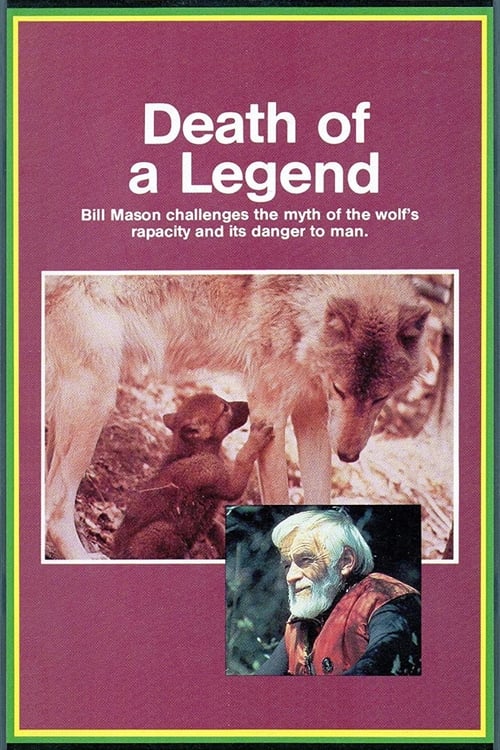
This documentary film is about wolves and the negative myths surrounding the animal. Exceptional footage portrays the wolf's life cycle and the social organization of the pack, as well as film of caribou, moose, deer and buffalo.
1971
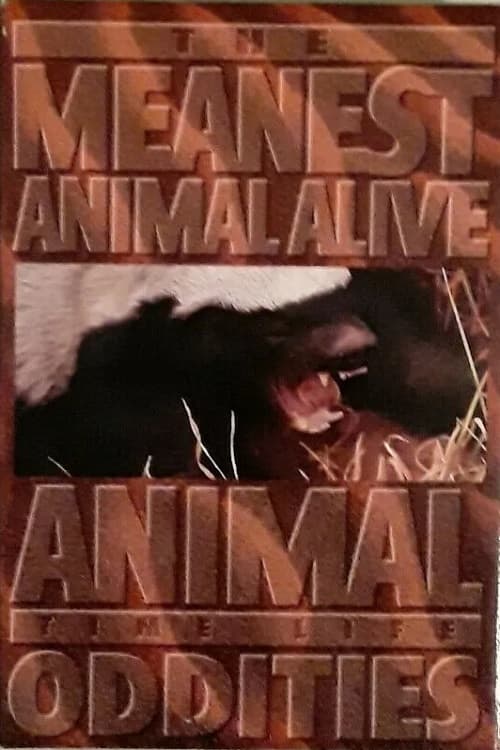
Shows the killer instinct in action in an African honey badger, a savage, relentless predator which will attack any animal, seemingly for pure sport.
1995
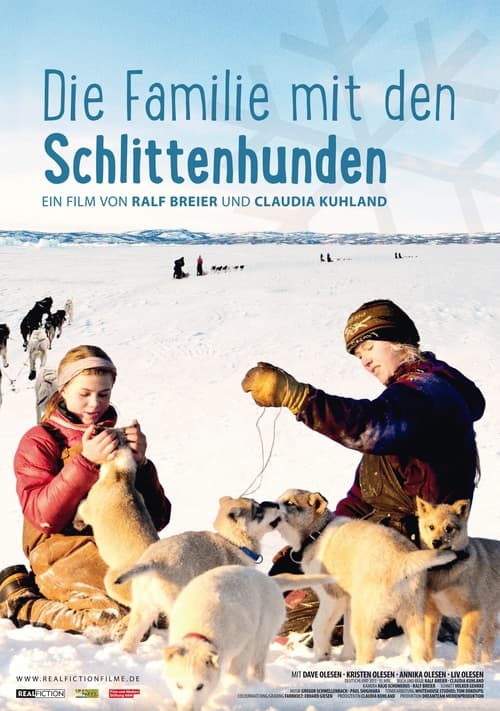
Out of love for Huskies, nature and cold winters Dave and Kristen Olesen moved from Minnesota to the North West Territories in Canada 25 years ago to create their own little universe on the magnificent East arm of Great Slave Lake. With their two daughters Annika 15 and Liv 12 and their 37 dogs, the Olesens enjoy a unique lifestyle in the wide open wilderness far away from civilization. One winter they all leave their self-built homestead with ten dogs on a two and a half thousand mile family expedition allowing Annika to run the Junior Iditarod in Alaska. As unexpected obstacles all along the trip culminate in three heavily injured dogs the whole endeavor is at risk. Optimism, love and loyalty prevail on this exciting epic family voyage.
2013
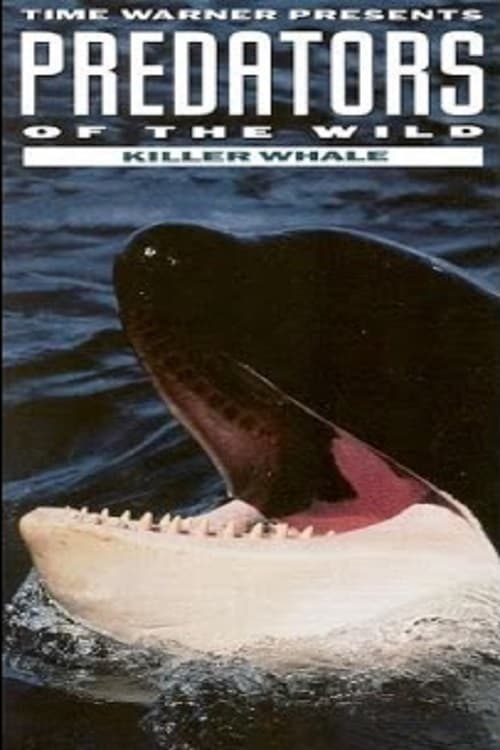
This video examines the killer whale, one of nature's greatest predators. It is part of a multi-volume Time Warner series that markets the ferocious, killing aspects of various wild animals.
1992
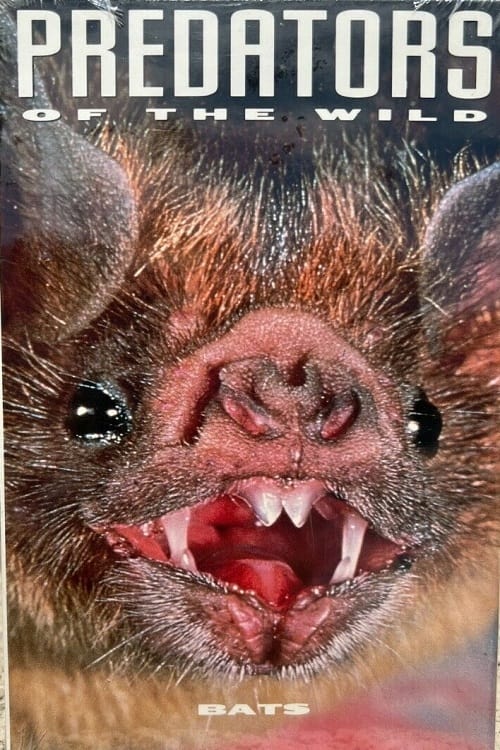
Fascinating footage of swooping bats, their remarkable habits and habitats, and close-up looks at their interesting yet eerie faces are featured in this documentary, volume seven of the Predators of the Wild series. Most bats eat insects, which may not always come to mind when one thinks of predators and prey -- although the fact that a swarm of bats can eat 30,000 pounds of insects in one night is staggering. Bats make up almost one-fourth of all of the mammals in the world, but only three species of bats are "true vampires" who rely on the blood of other animals for sustenance.
1991
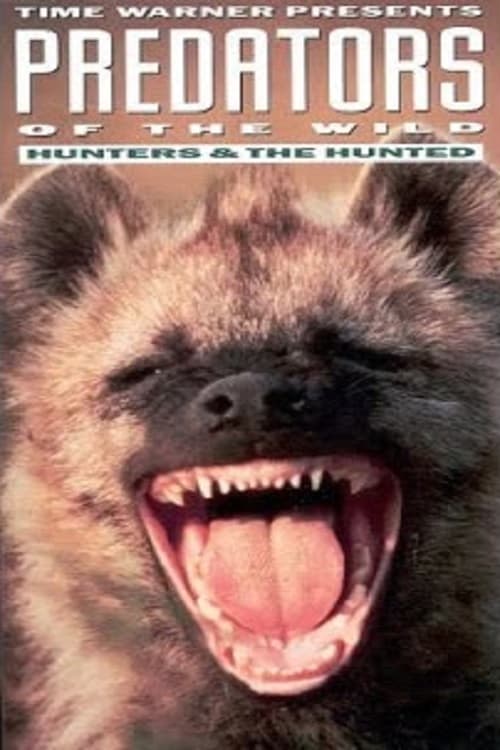
Shot in Africa, this video is a documentation of the behavioral patterns and territories of an assortment of carnivores and their prey. The program is part of a multi-volume Time Warner series that markets the ferocious, killing aspects of various wild animals.
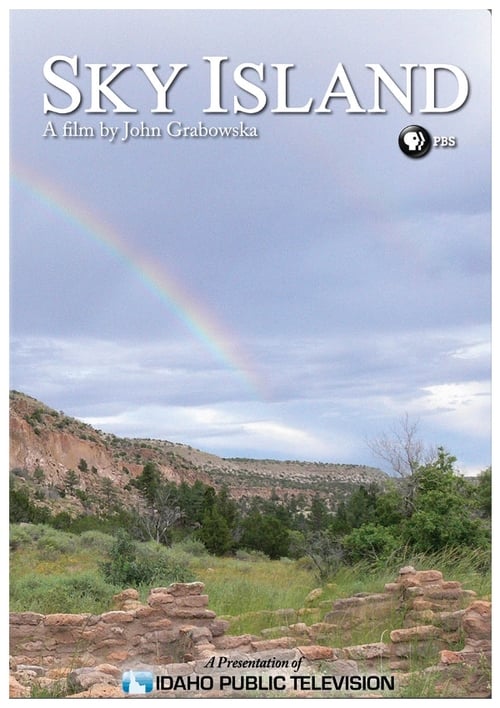
The desert wilderness of New Mexico's Jemez Mountains
Our world is the home of millions of plant as well as animal species and provides several territories, each with its own geological and climatic conditions: steep mountains, deep forests, wide oceans and arctic ice deserts. The inhabitants have adapted to its different conditions and are still developing new strategies to survive. “Wonderful World 3D” not only takes a look at the interesting creatures of our planet, but also highlights cosmological circumstances, which made our world unique, diversified and above all so adorable.
2014
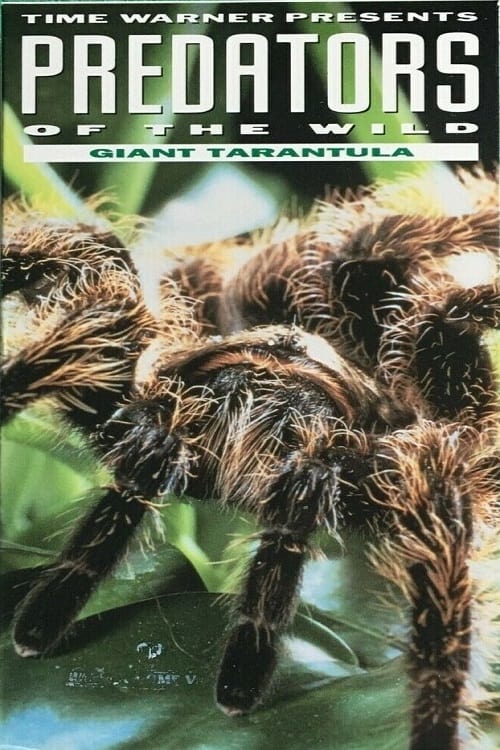
The secrets of the maligned and misunderstood tarantula are brought to light in the Discovery Channel's Predators of the Wild series portrait of the Giant Tarantula. The film presents an intimate look at the largest and most venomous spider species in the world. Shot on location, viewers observe the tarantula close-up as it waits in its 3-foot burrow until its prey of insects, frogs, snakes, birds and rodents come along. Footage also captures the tarantula's deadly mating ritual.
1993
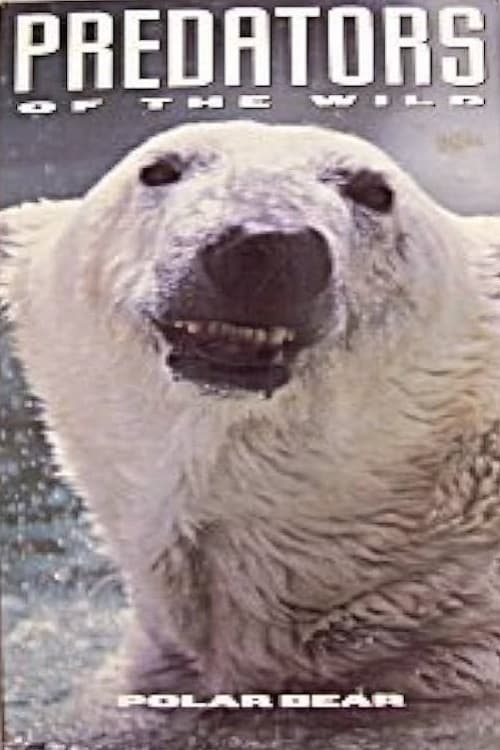
Polar bear… immensely powerful, ferociously cunning, lethally equipped for devastating exploitation of its frozen realm. Legendary for its endurance, hunting prowess and awesome strength, it is the largest and most formidable land predator of the planet’s most brutally unforgiving environment. Venture into the trackless Arctic wastes to witness the uncanny survival strategies developed by this magnificent creature – tactics honed to a killing edge during 250,000 years of adaptation to its icy kingdom. See why the largest of these fearsome bears, weighing more than two full-grown lions, stands as the undisputed predatory monarch of a pristine, unconquered land where man still ventures at his peril.
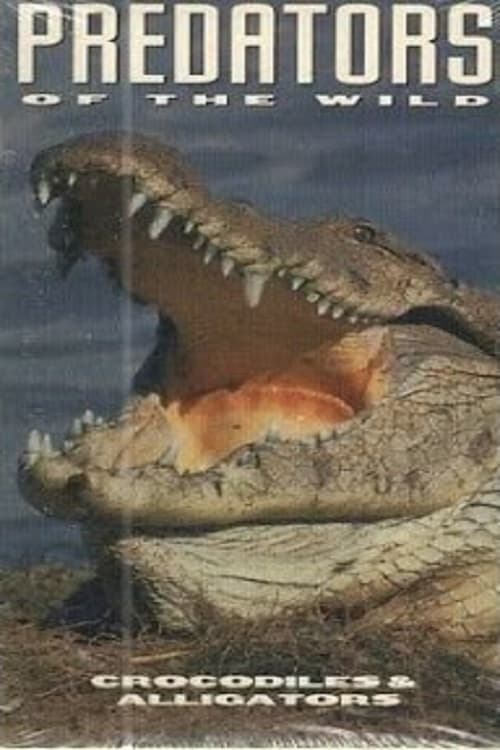
Crocodiles and alligators... gaping, saw-toothed jaws, muscular, bone-crushing tails, a Jurassic vision of armoured, flesh-eating horror. Lurking beneath the murky surface, eyes and nostrils are barely visible as the oblivious victim ventures one step too near. A sudden explosion of lunging, scaled fury, a hopeless, panicked struggle... a silent, watery death. Crocodiles and alligators reign as the supreme predators in rivers and coastal areas around the globe. With a carnivorous heritage extending back to the age of dinosaurs, these primordial relics are worthy successors to the "terrible lizards" they so closely resemble.
1994
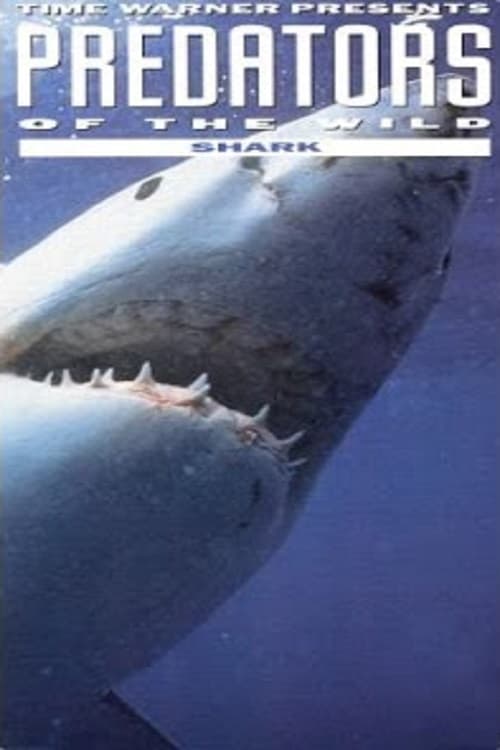
From the Discovery Channel comes the animal series Predators of the Wild. Shot on location, footage provides viewers an up-close look at some of the planet's most notorious beasts. The episode Sharks transports viewers to the undersea domain of these fearsome carnivorous creatures. See great whites, makos, and hammerheads and learn why they do what they do. Informative as well as entertaining, this video also addresses serious conservation and animal preservation issues.
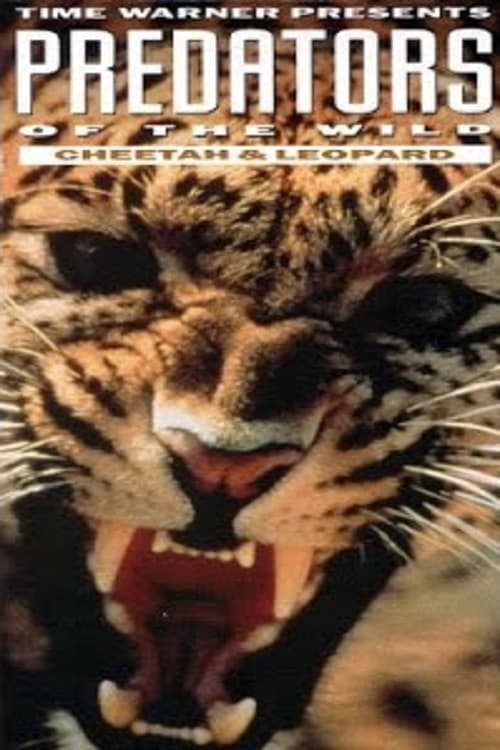
Cheetah and Leopard... no animal can match the intensity of their power and grace. On the horizon, the next victim draws near, crouched in the grass, senses honed, an explosive rush, claws extend and then the final clamp of fangs in a jugular embrace. Discover what separates these predators from all others. The cheetah, the ultimate tactician, single minded in its abandon for the lightning-fast gazelle. And the leopard, an invincible opportunist lying in wait for the unwary. Both driven by pure instinct and the constant pressure to kill.