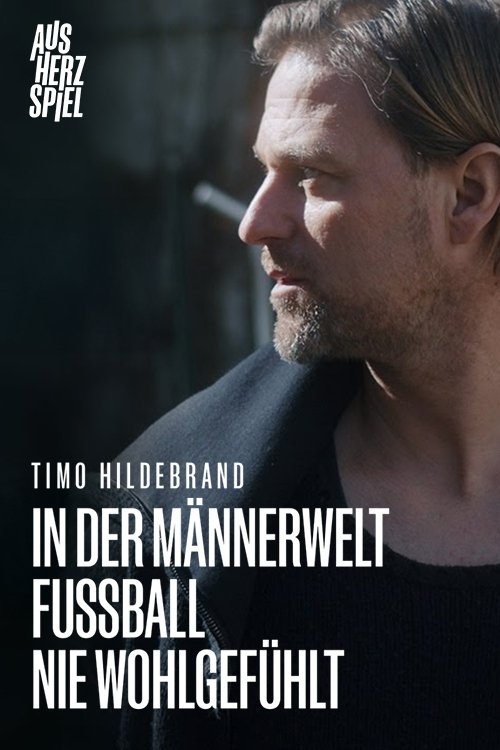
A film about four young women in Pyongyang who share a passion for football. The documentary follows their journey from national team players to retirement, highlighting their friendship and the impact of football on their lives.
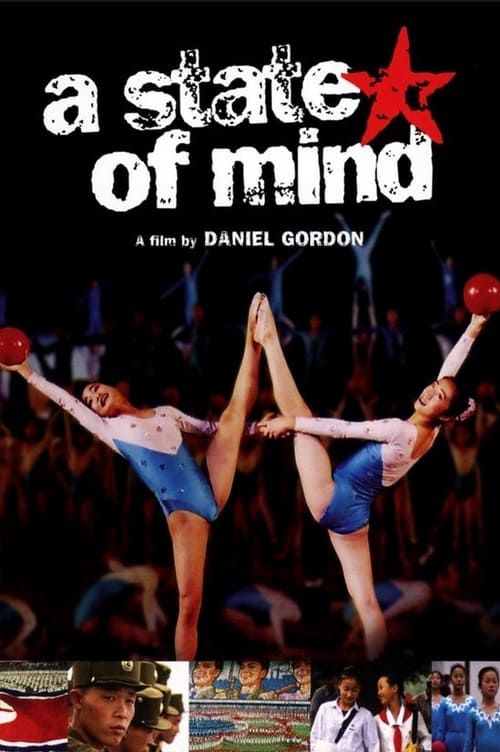
Two young North Korean gymnasts prepare for an unprecedented competition in this documentary that offers a rare look into the communist society and the daily lives of North Korean families. For more than eight months, film crews follow 13-year-old Pak Hyon Sun and 11-year-old Kim Song Yun and their families as the girls train for the Mass Games, a spectacular nationalist celebration.
2005
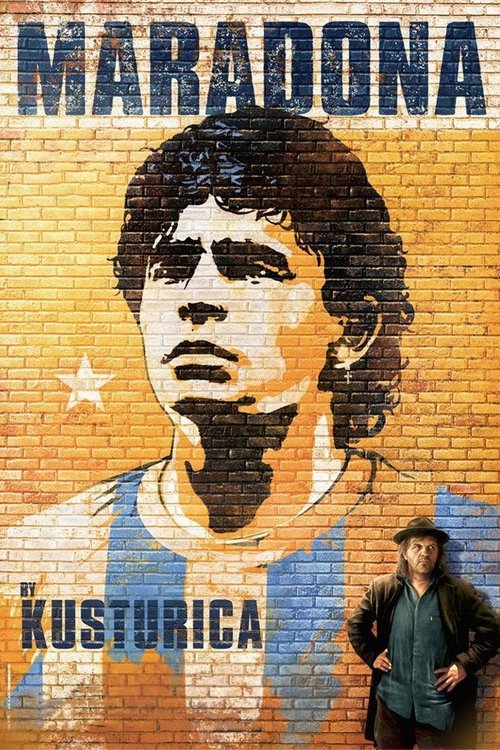
A documentary on Argentinean soccer star Diego Maradona, regarded by many as the world's greatest modern player.
2008
This is a 25-minutes piece about the DPRK (North Korea), a country Vltchek visited and fell in love with. Vltchek goes against the hegemonic western propaganda that is perpetuated towards DPRK and their people, showing the beauty that resides in the country.
2018
Spanish footballers come together for the first time to relive the turbulent 2023 Women's World Cup and the kiss that overshadowed their victory.
2024
No description available.
2021
Loved by some, hated by others. However, few know the true story of a man who worked his way from small Ráztočno to the top of football, to the FC Liverpool team. Martin Škrtel let someone into his privacy for the first time. An emotionally charged film of one of the greatest personalities of Slovak football, where he reveals what no one knew about him until now. The story of a legend who for the first time allowed us to look not only behind the scenes of his football career, but also into his life.
2023
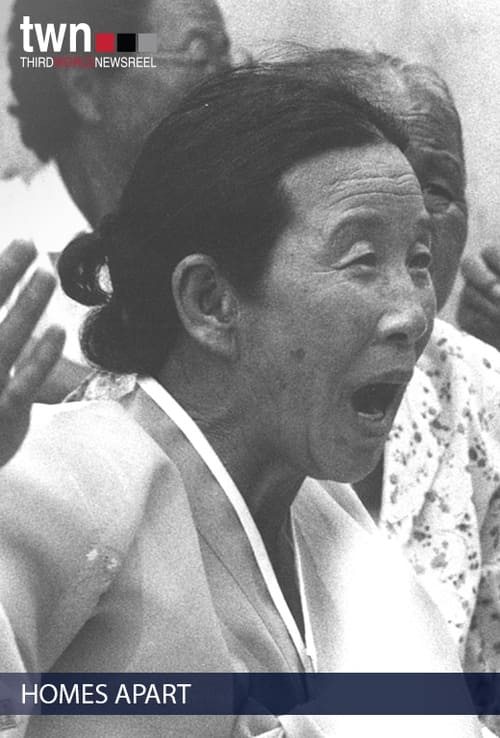
They speak the same language, share a similar culture and once belonged to a single nation. When the Korean War ended in 1953, ten million families were torn apart. By the early 90s, as the rest of the world celebrated the end of the Cold War, Koreans remain separated between North and South, fearing the threat of mutual destruction. Beginning with one man's journey to reunite with his sister in North Korea, filmmakers Takagi and Choy reveal the personal, social and political dimensions of one of the last divided nations on earth. The film was also the first US project to get permission to film in both South & North Korea.
1991
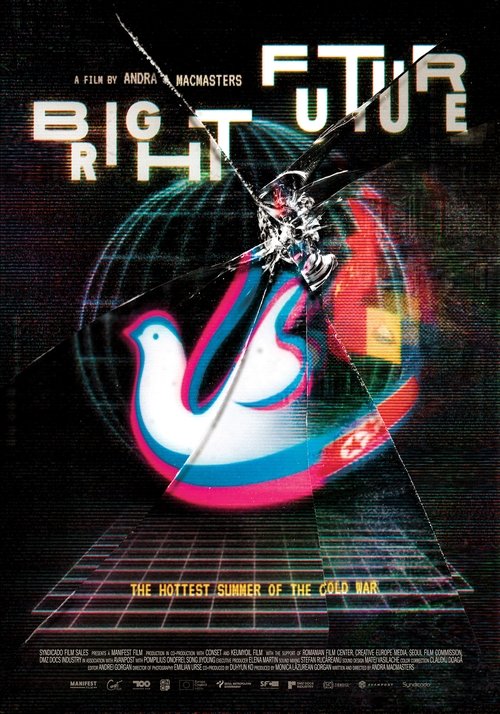
In the summer of 1989, the 13th edition of the World Festival of Youth and Students was held in Pyongyang. Thousands of socialist youth from 177 countries celebrated their belief in a better society and international solidarity.
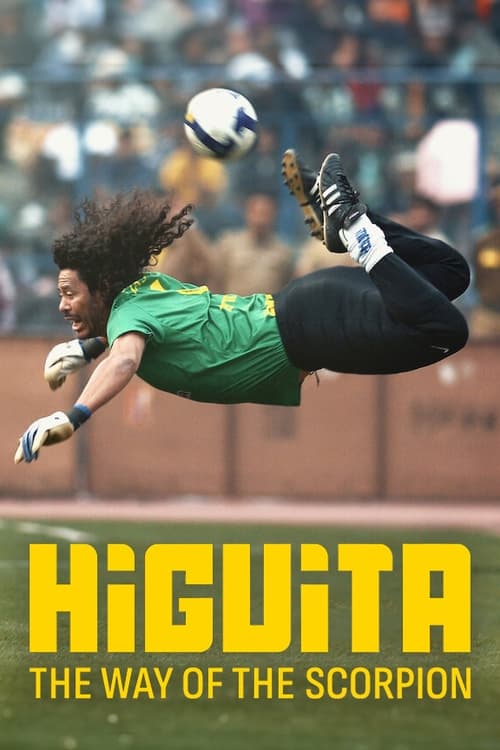
From humble origins to soccer legend, this documentary captures the rise of Colombia’s René Higuita, from iconic career to personal controversies.
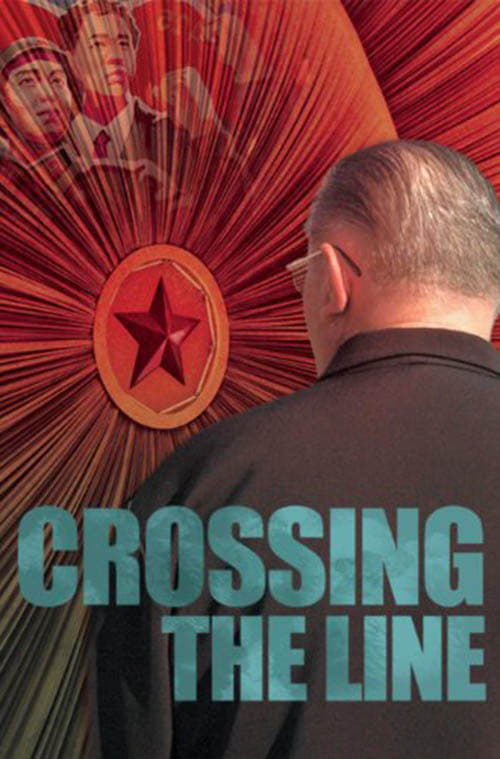
In 1962, a U.S. soldier sent to guard the peace in South Korea deserted his unit, walked across the most heavily fortified area on earth and defected to the Cold War enemy, the communist state of North Korea. He became a star of the North Korean propaganda machine, but then disappeared from the face of the earth. Now, after 45 years, the story of James Dresnok, the last American defector in North Korea, is being told for the first time. Crossing the Line follows Dresnok as he recalls his childhood, desertion, and life in the DPRK.
2006
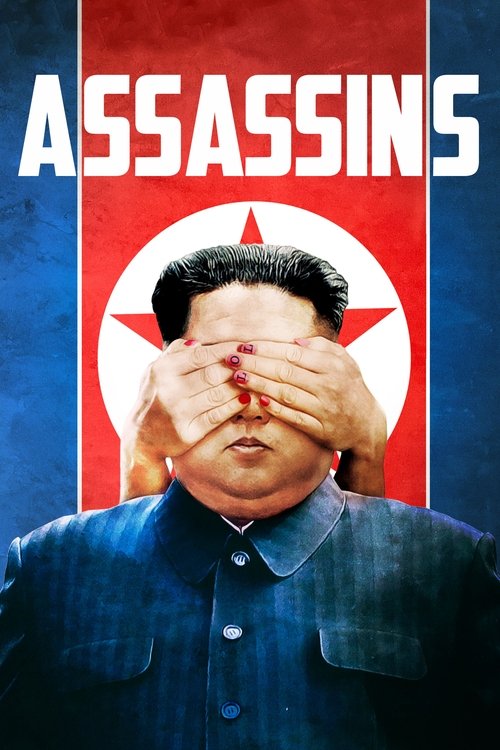
True crime meets global spy thriller in this gripping account of the assassination of Kim Jong-nam, the half brother of the North Korean leader. The film follows the trial of the two female assassins, probing the question: were the women trained killers or innocent pawns of North Korea?
In Maija Blåfield’s documentary, eight former North Koreans talk about what it was like to watch illegal films in a closed society. In addition to the 'waste videos', South Korean films were also smuggled into the country via China.
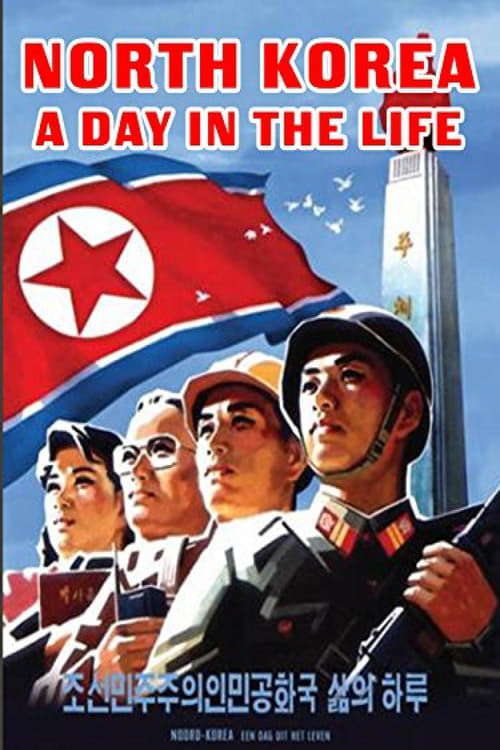
If the cityscapes and patriotic anthems of this film seem a far cry from the bleak landscape of Seoul Train, that's no accident. Dutch filmmaker Pieter Fleury, with the full permission and cooperation of the North Korean government, created this propaganda film that gives us a glimpse of a day in the life of one of the world's most enigmatic societies. A Day in the Life, largely dictated by the North Korean film bureau, follows a typical North Korean family through their daily duties, largely dedicated to the pride in the North Korean nation of comrades and the glory of General Kim Jong Il. The film is meant to extol the success of modern North Korea. But does it? With straight footage and a total absence of narration, viewers may interpret Fleury's film in a slightly different manner than intended
2004
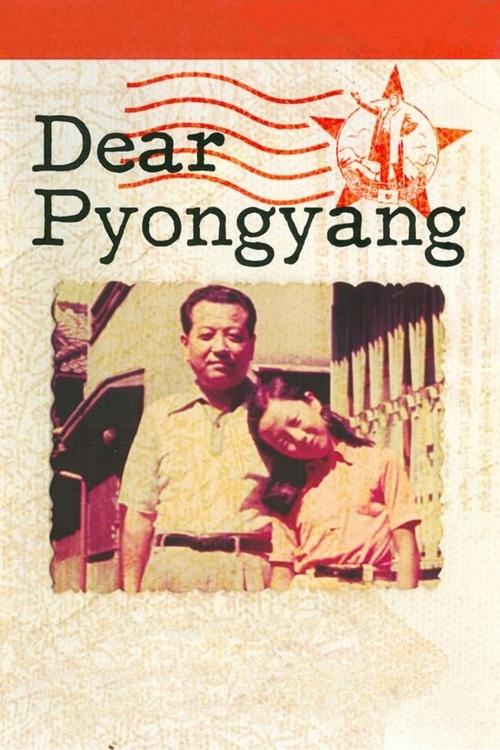
Dear Pyongyang is a documentary film by Zainichi Korean director Yang Yong-hi (Korean: 양영희, Hanja: 梁英姬) about her own family. It was shot in Osaka Japan (Yang's hometown) and Pyongyang, North Korea, In the 1970s, Yang's father, an ardent communist and leader of the pro-North movement in Japan, sent his three sons from Japan to North Korea under a repatriation campaign sponsored by ethnic activist organisation and de facto North Korean embassy Chongryon; as the only daughter, Yang herself remained in Japan. However, as the economic situation in the North deteriorated, the brothers became increasingly dependent for survival on the care packages sent by their parents. The film shows Yang's visits to her brothers in Pyongyang, as well as conversations with her father about his ideological faith and his regrets over breaking up his family.
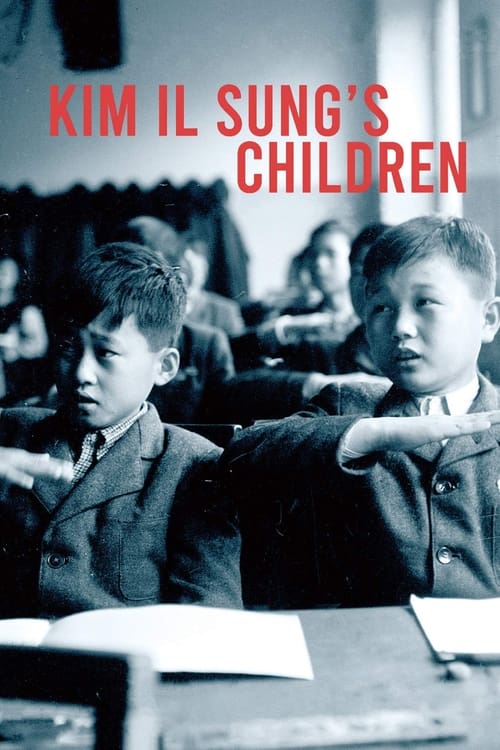
From 1950 to 1953, one hundred thousand children were orphaned by the Korean War. With no resources to mend the wounds, the two sides, North and South, took different paths to find homes and families for the war orphans. While the children of South Korea were sent to Europe and the United States through ‘International Adoption’, the children of North Korea were distributed across Eastern Europe through a method called ‘Commissioned Education’. As a result, more than five thousand children from the North had to spend nearly a decade living in foreign lands across Eastern Europe. This story is a record of their lives, which used to be kept hidden from the rest of the world. There is a key to understanding how North Korea's closed political structure began and how the ‘Juche ideology’ was formed in this documentary movie. Understanding North Korea in the 1950s is an important way to understand North Korea at present.
2020
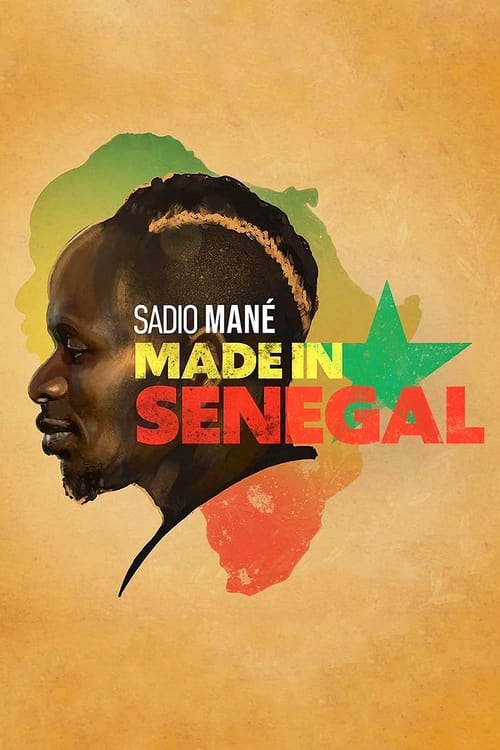
Sadio's story is the classical heroes journey and and archetype for African football players. Blessed with exceptional talent, he sets out from his village to find his destiny in the world - defying his family, social structures, doubters and injuries - to come back triumphant and able to help those around him.