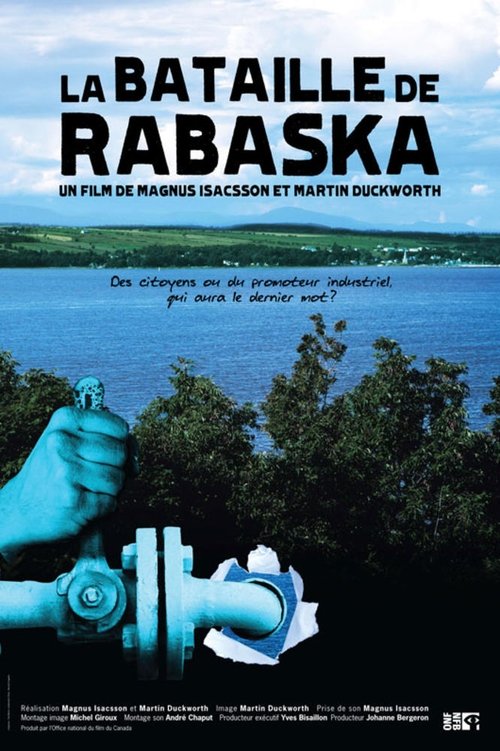
In an oil-scarce world, we know there are sacrifices to be made in the pursuit of energy. What no one expected was that a tiny Native community, living down the river from Canada's tar sands, would reach out to the world for help — and be heard.

August 1922. An American journalist, Jerry Thompson, travels to the Soviet Union and arrives in Azerbaijan. He visits the settlement of Mardakan in Baku. There, he meets an elderly man at a villa. Thompson can hardly believe what he hears. Standing before him is Haji Zeynalabdin Taghiyev, a once-great oil producer, millionaire, and philanthropist who lost all his wealth after the establishment of Soviet rule. Haji recounts his life story to the guest, a journey that saw him rise from a humble mason to an influential oil industrialist.
2024
The massive exploitation and extraction of sand throughout the world is leading to an alarming conclusion: all beaches will have disappeared by the end of the 21st century.
2013
The imagination of history in Ecuador never thought that oil, “its redeeming hope”, discovered in the Lago Agrio No. 1 well, was going to mean the beginning of the worst environmental catastrophe on the planet. Thirty years of operation and exploitation of the Texaco company, forever transformed the rivers and estuaries, the forests and the life of the indigenous communities in the northern Amazon of Ecuador.
2007
No description available.
2018
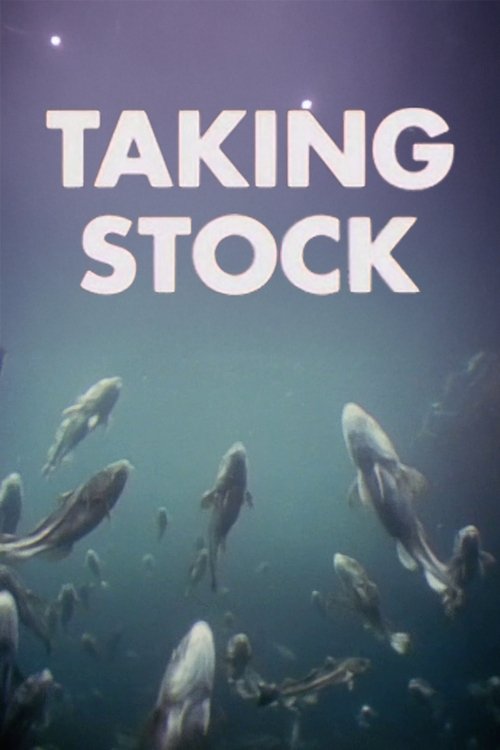
The cod fishery off the east coast of Newfoundland was a way of life, the backbone of society -- until it collapsed. A review of the history leading up to the crisis and the subsequent call for a moratorium of the northwest Atlantic cod fishery.
1994
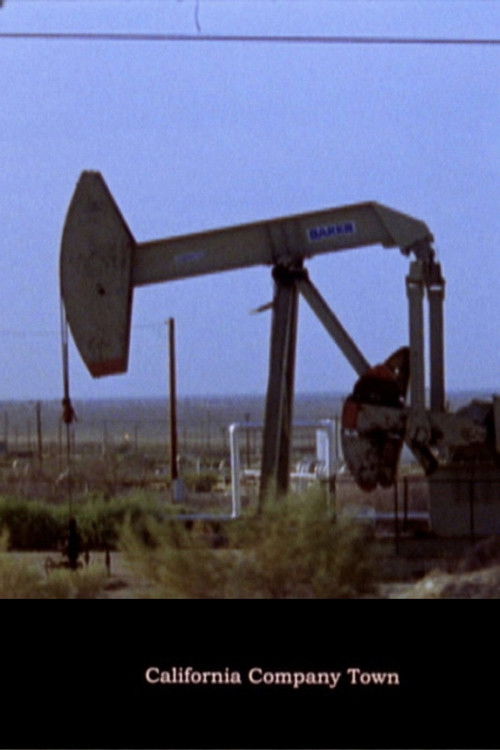
Lee Anne Schmitt explores California's landscape and past to document the history of one-time boom towns built and abandoned by the industries that necessitated their creation. Sold as a limitless land expansive with free opportunity, California was actually, from its onset, fissured by the interwoven needs of private and public interests. Schmitt's film covers various locations through time, as the major industries of the early 20th century (mining, lumber, oil) give way to the military, eventually leading to multinational corporations, and the use of small towns as satellites for growing urban metropolises.
2008
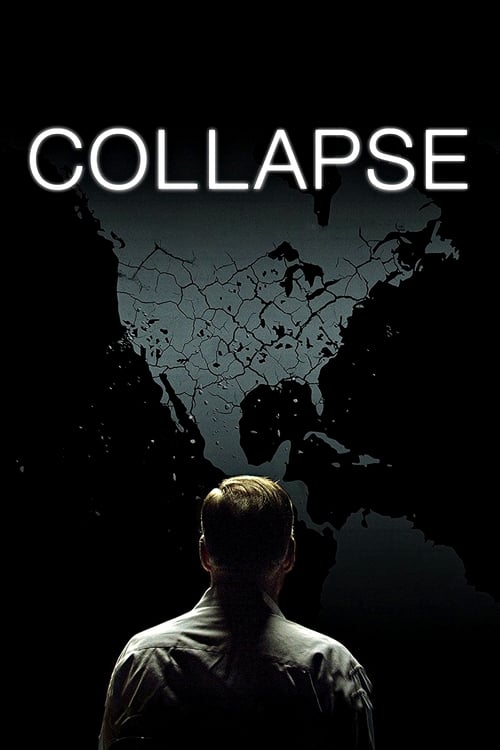
From the acclaimed director of American Movie, the documentary follows former Los Angeles police officer turned independent reporter Michael Ruppert. He recounts his career as a radical thinker and spells out his apocalyptic vision of the future, spanning the crises in economics, energy, environment and more.
2009
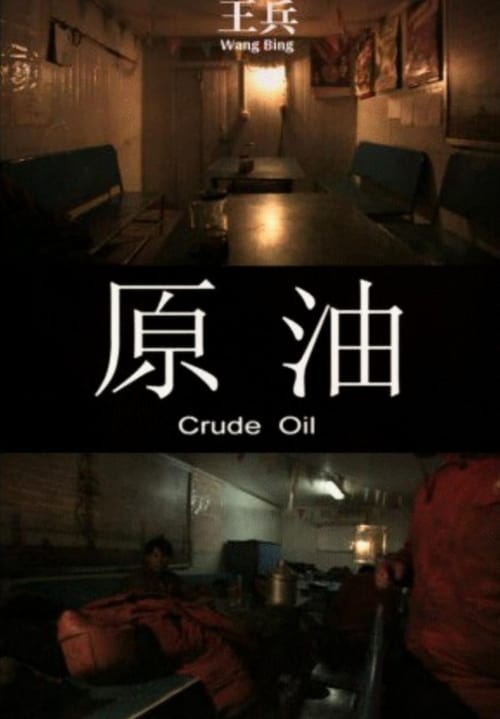
Filmed in the Inner Mongolian portion of the Gobi Desert, this film follows a group of oil field workers as they go about their daily routine.
Experts say over the next hundred years the "perfect storm" of population growth, resource depletion and climate change could converge with catastrophic results. The scenarios in Earth 2100 are not a prediction of what will happen but rather a warning about what might happen.
From both local and global perspectives, this documentary examines the harsh realities behind the mounting water crisis. Learn how politics, pollution and human rights are intertwined in this important issue that affects every being on Earth. With water drying up around the world and the future of human lives at stake, the film urges a call to arms before more of our most precious natural resource evaporates.
Since World War II North Americans have invested much of their newfound wealth in suburbia. It has promised a sense of space, affordability, family life and upward mobility. As the population of suburban sprawl has exploded in the past 50 years Suburbia, and all it promises, has become the American Dream. But as we enter the 21st century, serious questions are beginning to emerge...
2004
When oil is discovered in 1920s Oklahoma under Osage Nation land, the Osage people are murdered one by one—until the FBI steps in to unravel the mystery.
2023
The story will mostly take place in the town Oil Springs, Ontario, where the oil industry in North America was born. By making a case study of this town, we can better understand how the industry operates today. The documentary will explore themes of colonialism, climate change and Canadian identity.
2025
In this evocative meditation, a disturbing link is made between the resource extraction industries’ exploitation of the land and violence inflicted on Indigenous women and girls. Or, as one young woman testifies, “Just as the land is being used, these women are being used.”
2017
Through the testimony of Manuel Taborda, a pioneer of labor organizing in Venezuela’s oil fields, this documentary revisits the experiences of oil workers between 1920 and 1936. Their memories reveal a world marked by corporal punishment, exploitation, racial segregation, and disease, alongside the emergence of collective resistance against the American and British oil companies that controlled the industry and the government that enabled them.
1978