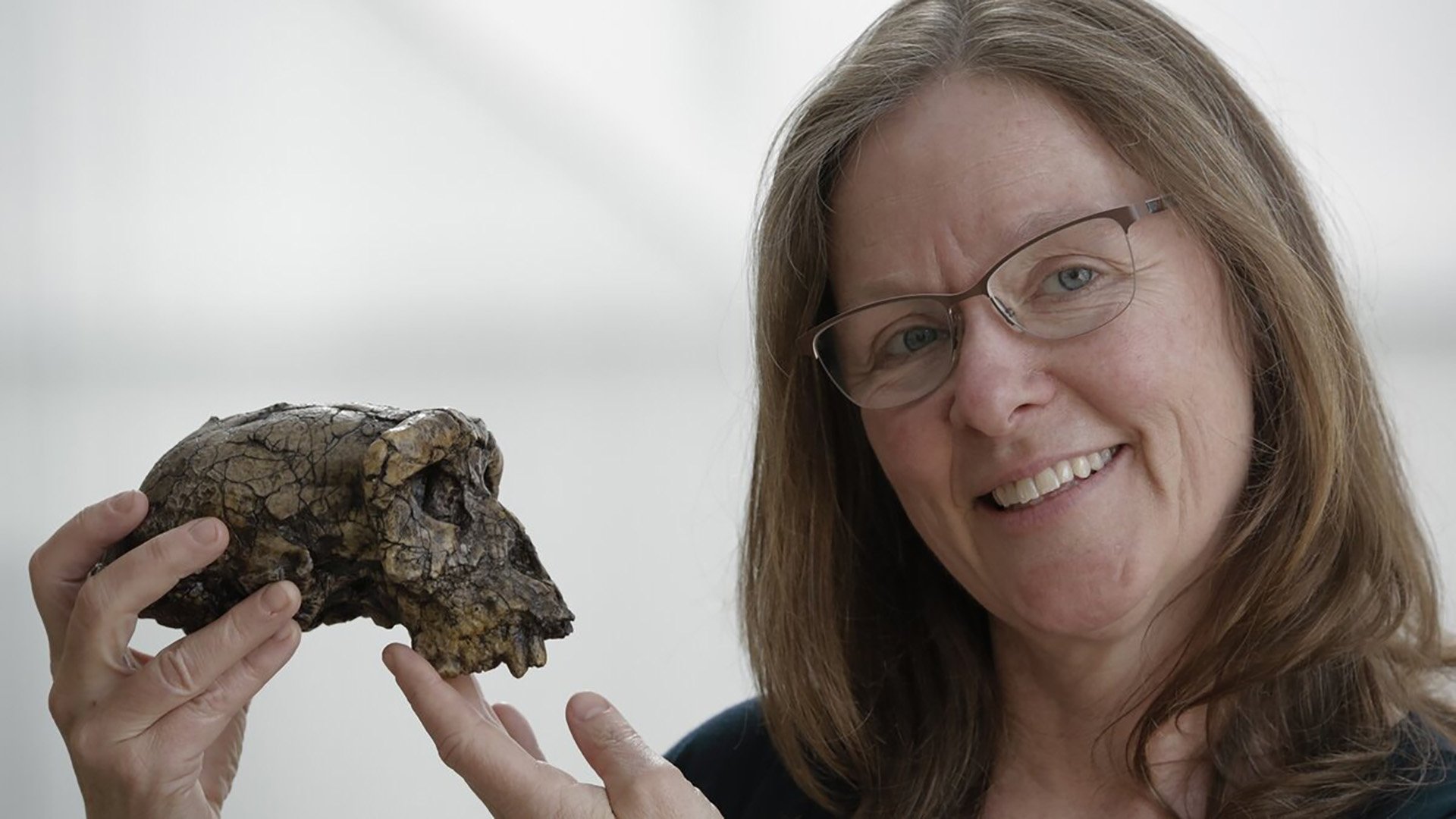
Looking at whether the history of early human evolution should be rewritten. For decades, most experts have been convinced that Africa is the cradle of mankind and many fossil finds from Kenya, Ethiopia, South Africa and Chad seemed to prove it.
Twenty-five films from twenty-five European countries by twenty-five European directors.
2004
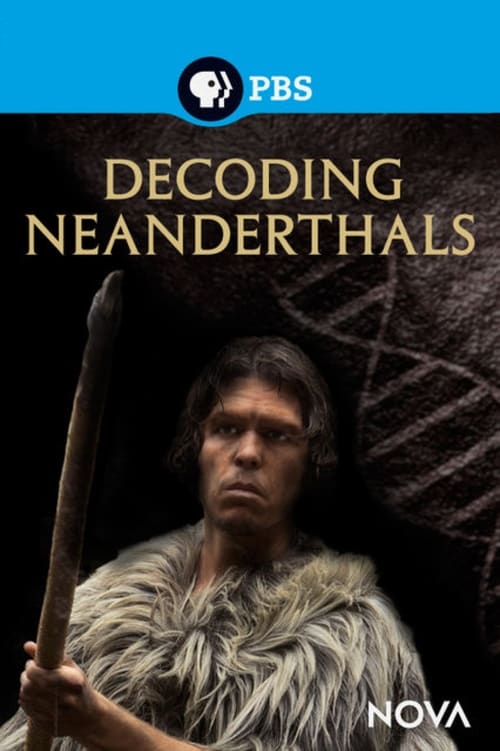
Over 60,000 years ago, the first modern humans left their African homeland and entered Europe, then a bleak and inhospitable continent in the grip of the Ice Age. But when they arrived, they were not alone: the stocky, powerfully built Neanderthals had already been living there for hundreds of thousands of years. So what happened when the first modern humans encountered the Neanderthals? Did they make love or war?
2013
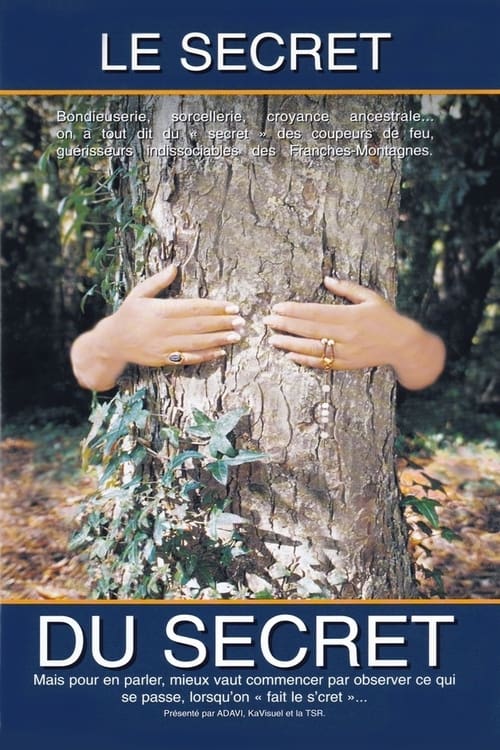
The traditional healers in the Swiss and French mountains.
2000
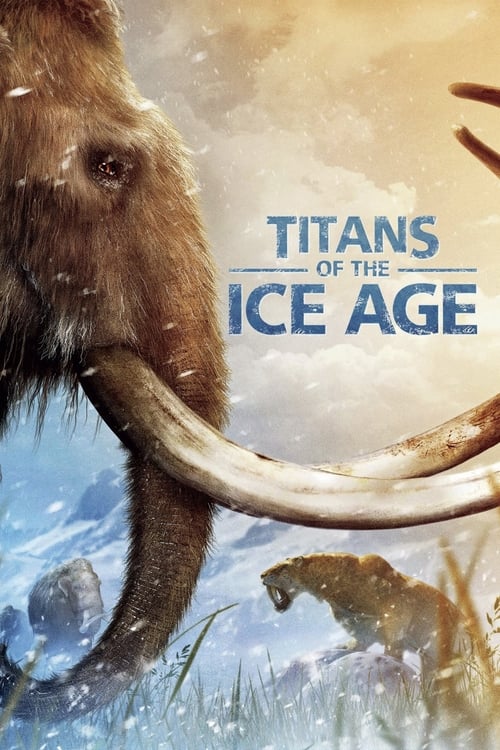
Titans of the Ice Age transports viewers to the beautiful and otherworldly frozen landscapes of North America, Europe and Asia ten thousand years before modern civilization. Dazzling computer-generated imagery brings this mysterious era to life - from saber-toothed cats and giant sloths to the iconic mammoths, giants both feared and hunted by prehistoric humans.
No description available.
2008
When a huge meteorite crashed into the earth 66 million years ago and caused the disappearance of the dinosaurs, some of the planet’s tiniest species survived the cataclysm, and—against all odds—eventually became some of the greatest giants to ever roam the earth. From the poles of the planet to the belly of the equator, this documentary sheds new light on four giant animals that are still a great mystery to science today: the Titanoboa snake, the Megalodon shark, the giant rhinoceros and the giant sloth.
2018
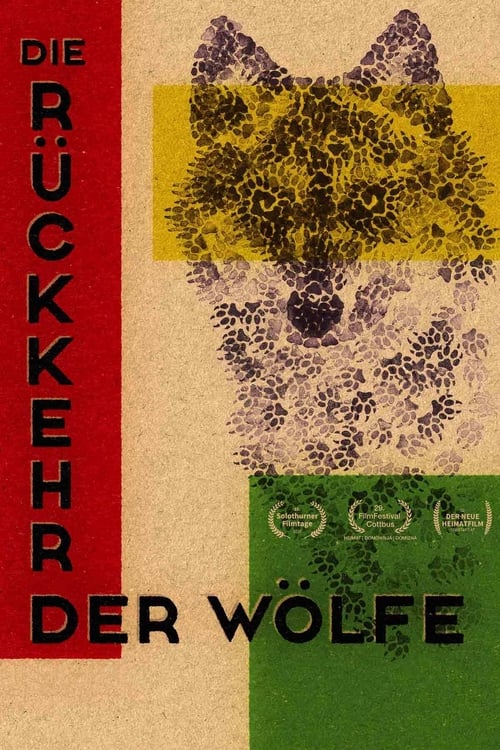
Wolves divide and fascinate us. 150 years after they were driven to extinction in Central Europe, they are returning slowly but inexorably. Are they dangerous to humans? Is it possible to coexist? Using Switzerland as a point of departure, where wolves have returned in the very recent past, this documentary sheds light on the wolf situation in Austria, eastern Germany, Poland, Bulgaria, and even Minnesota, where freely roaming packs of wolves are more common sight.
2019
A documentary about the 1999 discovery of a Mastodon skeleton in a Hyde Park backyard.
2001
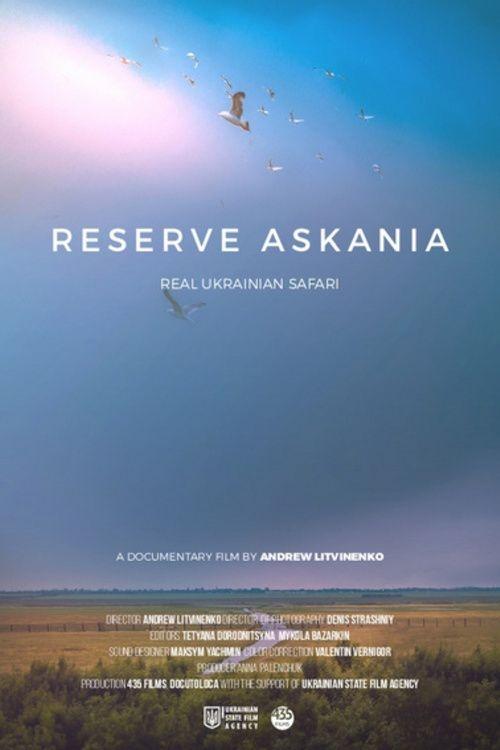
Askania-Nova is the largest steppe wildlife sanctuary in Europe. It is located in south part of Ukraine, not far from Crimea peninsula. In order to underline this unique beauty we created a documentary musical film about life of animals and people in wildlife sanctuary of Askania-Nova. The movie reveals stories of a three protagonists, whose destinies were entangled because of wildlife sanctuary.
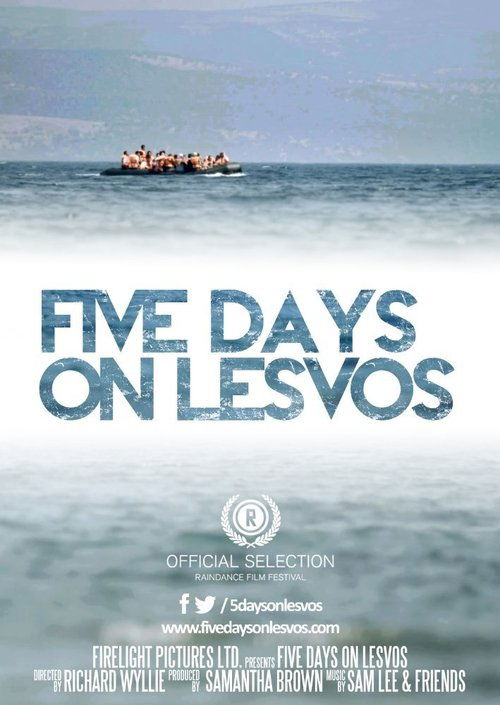
As politicians debate and argue, the men, women and children at the heart of the European immigration wave have found themselves caught in the midst of a humanitarian crisis. On the frontline is the Greek island of Lesvos – the first point of entry into Europe for over half of the refugees. One week at the end of August 2015 marked a tipping point in the crisis. More refugees arrived than ever before, volunteers were inundated and local infrastructure just couldn’t cope; trains were overflowing, refugees were dying in the back of lorries and on beaches, and politicians responded by closing borders and arguing about how to stem the tide of people. Filmed over just five days, this first-hand account of that dramatic week on Lesvos is seen through the eyes of the refugees and volunteers caught in the crisis.
2016
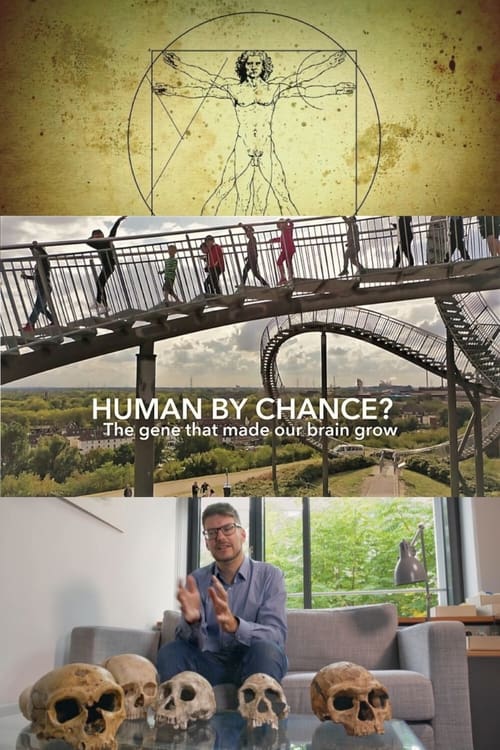
If we compare ourselves with our genetically closest living relatives, the chimpanzees, we have few physical advantages. We are far weaker, cannot move nearly as fast, and do not have the same climbing capabilities. Instead, humans excel in areas such as architecture, religion, science, language, writing, art, culture, and ideas. These achievements are due to our larger brain that contain billions of neurons. It was the rapid growth of our brain, originating about 2 million years ago, that allowed us to be the predominant species of the world. What caused this rapid growth of our cerebral cortex? Researchers worldwide have asked this question for many years, but now there finally seems to be an answer.
2020
A multiscreen installation, a colorful beach bar, the statue of Saint Christopher - a postcolonial look at the edge of the harbor in Flensburg and the question of what is made visible and what is not.
2023
2022
Completely topless. Completely uninhibited. The craze that began in San Francisco is now exploding across the USA and Europe.
1966
2021
A new trove of fossils reveals how mammals took over after an asteroid wiped out the dinosaurs 66 million years ago.