In the last days of World War 2, people of various ethnic background meet in a Polish military hospital in a small German town, whereas a Nazi SS division hides in the local forests and tries to move westwards.
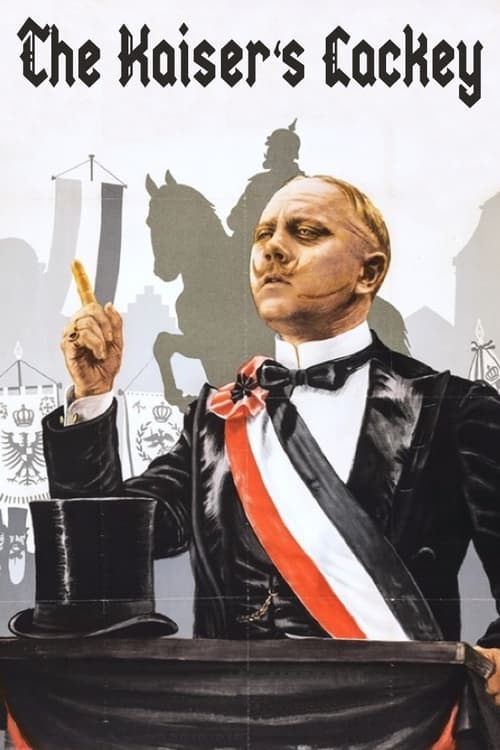
Diederich Heßling is scared of everything and everyone. But as he grows up, he comes to realize that he has to offer his services to the powers-that-be if he wants to wield power himself. His life motto now runs: bow to those at the top and tread on those below. In this way, he always succeeds: as a student in a duel-fighting student fraternity and as a businessman in a paper factory. He cajoles the obese district administrative president Von Wulkow and wins his favor. He slanders his financial rivals and hatches a plot with the social democrats in the town council. On his honeymoon with his rich wife Guste, he finally finds a chance to do his beloved Kaiser a favor. And when a memorial to the Kaiser is unveiled in the town where Diederich lives and works, he delivers the address. He stands behind the lectern in the pouring rain, saluting his Kaiser. The crowd is dispersed. Everything is laid in ruins...
1951
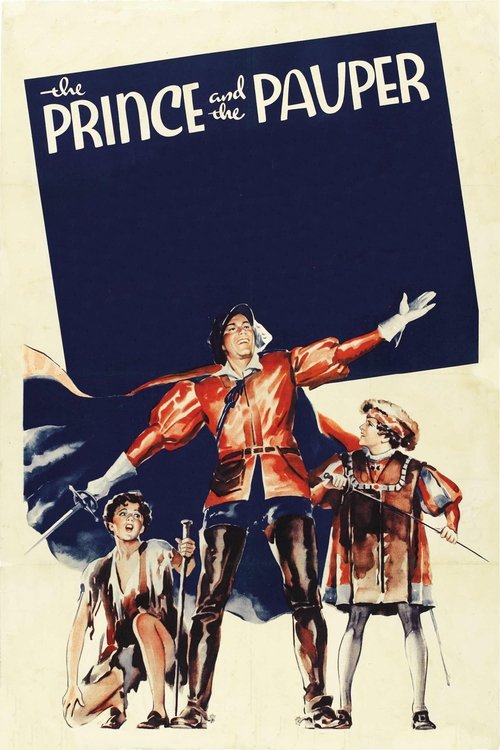
Two boys – the prince Edward and the pauper Tom – are born on the same day. Years later, when young teenage Tom sneaks into the palace garden, he meets the prince. They change clothes with one another before the guards discover them and throw out the prince thinking he's the urchin. No one believes them when they try to tell the truth about which is which. Soon after, the old king dies and the prince will inherit the throne.
1937
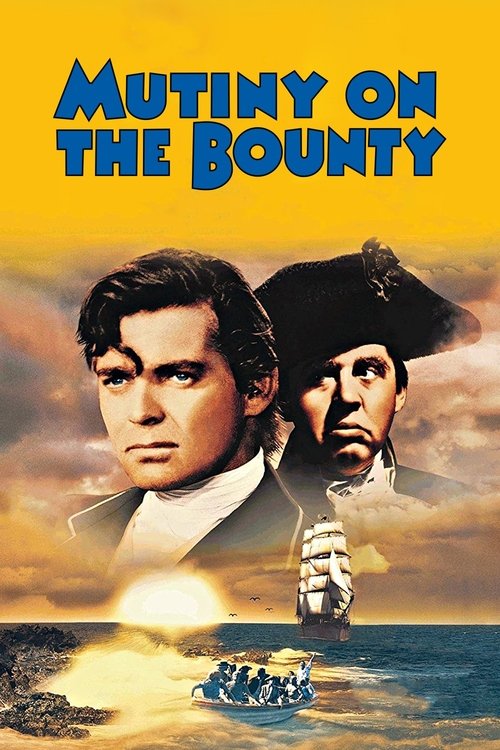
Fletcher Christian successfully leads a revolt against the ruthless Captain Bligh on the HMS Bounty. However, Bligh returns one year later, hell bent on revenge.
1935
A traditional chinese story about a girl, Zhu Yingtai, daughter of the noble Mr. Zhu, who goes to Hangzhou to study, dressed as a boy. There, she meets a student, Liang Shanbo, with whom she becomes good friends. They go to school together for the following years, and Zhu gradually falls in love with Liang.
1954
After World War I, Armistice Lloyd Hart goes back to practice law, former saloon keeper George Hally turns to bootlegging, and out-of-work Eddie Bartlett becomes a cab driver. Eddie builds a fleet of cabs through delivery of bootleg liquor and hires Lloyd as his lawyer. George becomes Eddie's partner and the rackets flourish until love and rivalry interfere.
1939
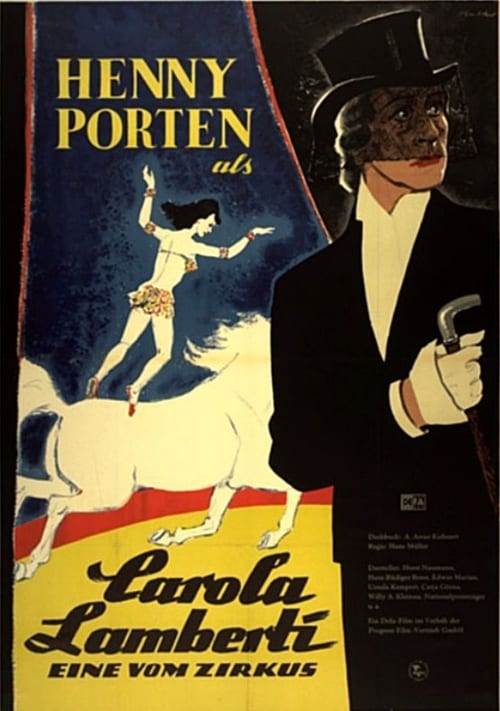
Carola has been running the family-owned circus alone since her husband’s death, but she suddenly finds herself at odds with her three adult sons who are also performance artists and want to have a say in how the business is run. The family discord leads Carola to turn her back on the circus, leaving the three inexperienced sons in charge. This turn of events forces the family to learn to work together or face bankruptcy.
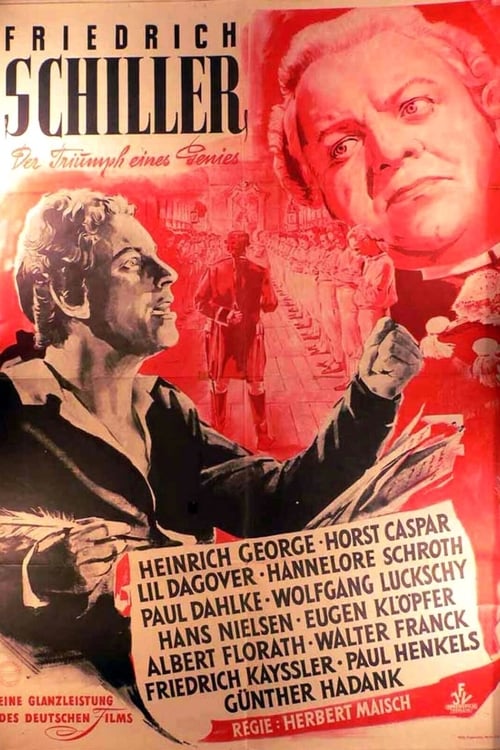
The young Schiller, whose heart and soul are writing and poetry, is forced into the military academy (the pride and joy of the Duke of Württemberg). Schiller is disgusted by the everyday routine of the military, always back and forth between breeding and drills. Conversation, conflict or even critique are discouraged – the oppression insufferable for the young rebel. Disgusted by the brutality, he writes his drama "The Bandit", which he would later publish anonymously. But following a frank conversation with the Duke, Schiller is dishonored and must leave the land.
1940
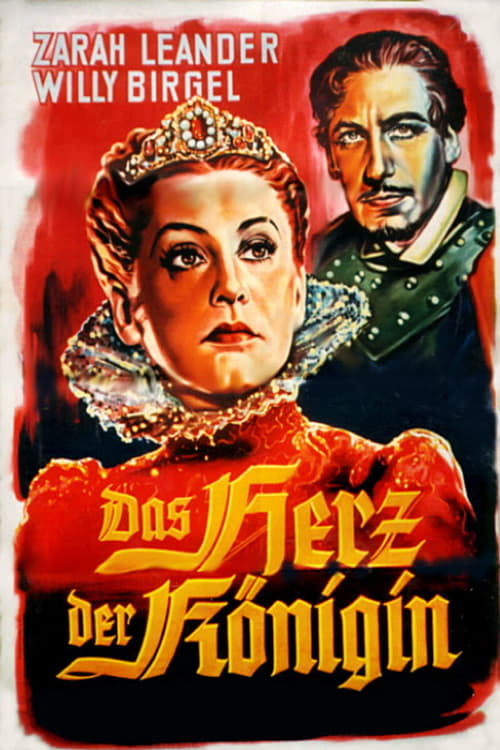
As the title "The Queen's Heart" suggests, this early German black and white version of Mary Queen of Scott's eventful reign and death focuses on her emotional perception rather lyrically, with some songs, mainly by her.
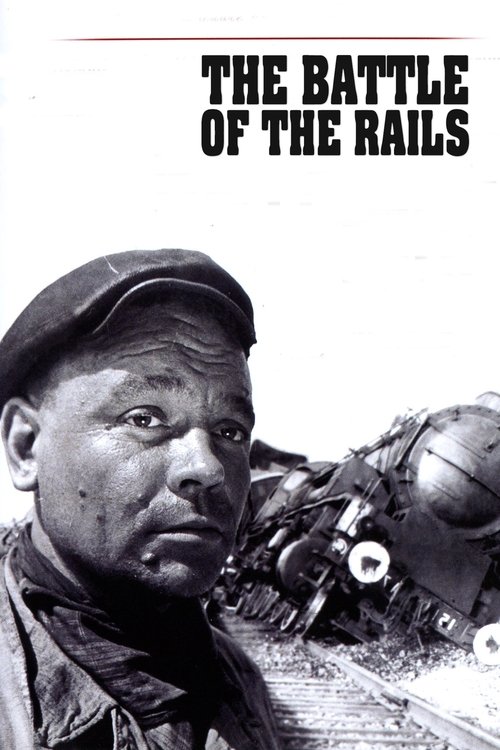
A dramatized account of the French Resistance, this wartime film depicts how railway workers sabotaged German trains to disrupt troop movements and supply lines during the Nazi occupation. Blending documentary realism with fiction, it pays tribute to the courage and sacrifice of ordinary workers who became central to the fight for liberation.
1946
Marika is a cheerful girl who lives on the Danube aboard an old barge she inherited from her father. She works as a waitress in her aunt's inn, entertaining the guests with singing and dancing. Her greatest dream is to save enough money to repair the old barge and sail down the Danube. One day, she meets three young artists, Georg, Oskar, and Christoph, who all fall in love with her. Together, they put on an open-air revue and raise the necessary money. And with Georg, Marika is lucky in love.
1950
A petty thief is put on trial for the attempted murder of a lawyer. Through a series of flashbacks, the intertwining lives of the thief, the lawyer, and the thief's defense lawyer are illustrated.
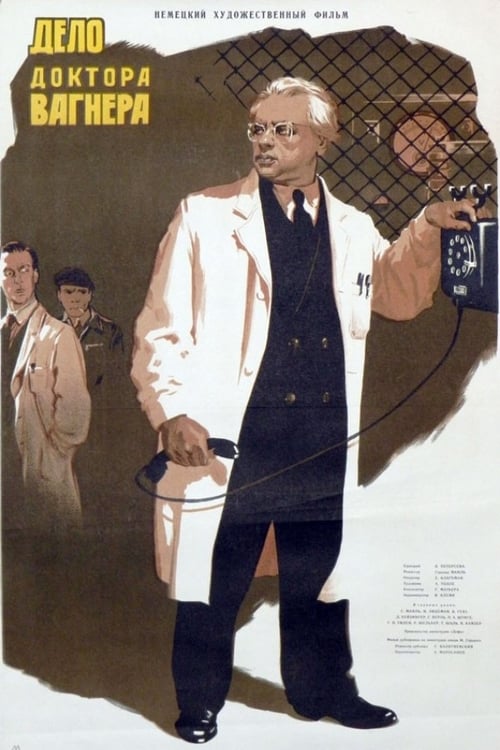
Dr. Wagner is a scientist currently working on an experiment for the Asta plant in East Berlin. If the experiment is successful its a brilliant new invention. But Wagner is the target of sabotage, and all the decisive experiment fails. Wagner can not explain this setback.
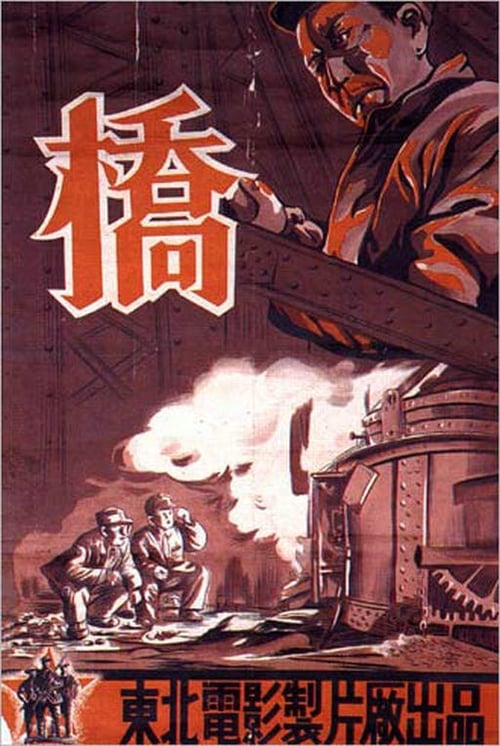
Factory workers in 1947 repair a bridge over Song Hua River so that Communist forces can use it.
1949
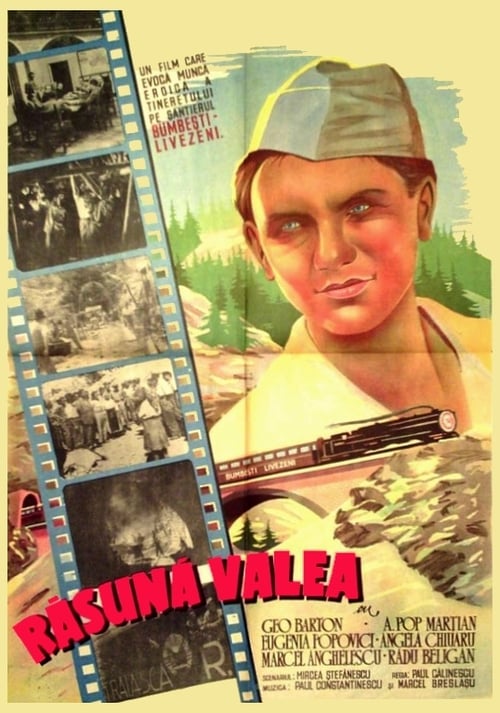
Famous Romania communist propaganda movie, one of the templates to what followed. It is about the volunteers that built the Bumbești-Livezeni railroad.
In the spring of 1905, the water conduit project in the Canadian city of Canitoga is set to be completed. For years, the completion had been marred by sabotage. Engineer Oliver Montstuart commands the last blasting operation. But again, the explosive charge is too large and thus, further construction is forestalled again. When Montstuart confronts foreman Westbrook, the foreman threatens him with a knife. In self-defence, Montstuart shoots him. Now, he has to flee.
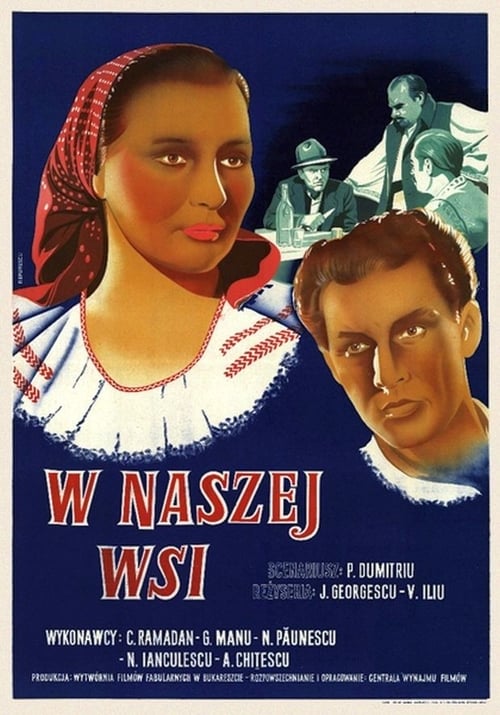
The film shows that Romanian peasants were divided between those opposing and those embracing collectivization. The heated debates between the pro and con camps would ultimately lead to murder.