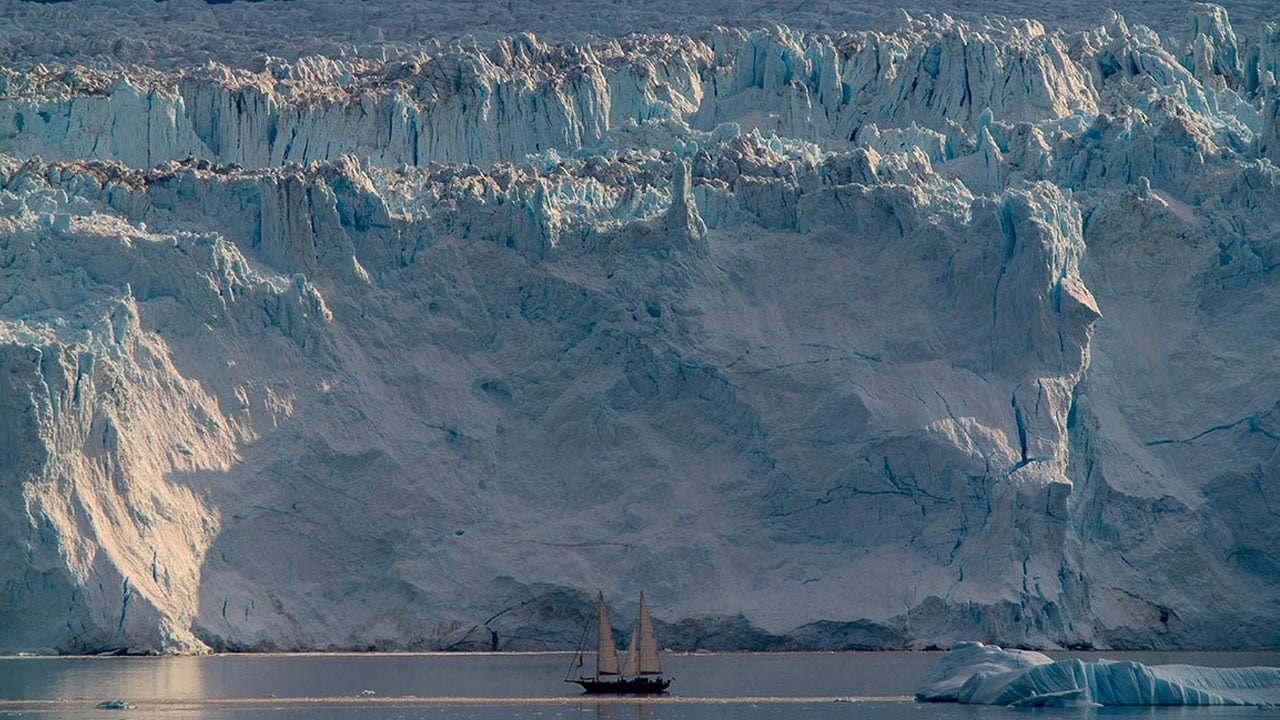
From massive waves to melting ice, filmmaker Victor Kossakovsky travels around the world to capture stunning images of the beauty and raw power of water.
Coral Reef Adventure follows the real-life expedition of ocean explorers and underwater filmmakers Howard and Michele Hall. Using large-format cameras, the Halls guide us to the islands and sun-drenched waters of the South Pacific to document the health and beauty of coral reefs. Featuring songs written and recorded by Crosby, Stills & Nash.
2003
The story of the evolution of tropical rain forests, their recent and rapid destruction, and the intense efforts of scientists to understand them even as they disappear. This film gives viewers a better appreciation of the importance of tropical rain forests on a global scale.
1992
A scientist explains how the savagery and efficiency of the insect world could result in their taking over the world.
1971
From both local and global perspectives, this documentary examines the harsh realities behind the mounting water crisis. Learn how politics, pollution and human rights are intertwined in this important issue that affects every being on Earth. With water drying up around the world and the future of human lives at stake, the film urges a call to arms before more of our most precious natural resource evaporates.
2008
There are few places on earth that have such a diverse variety of terrain and range of climates concentrated in a relatively small area - temperate coastline, scorching arid deserts and tundra, tropical rainforests and frozen snowcapped mountains. And there are few places that are as heavily exploited by humans, yet remain a wilderness.
2016
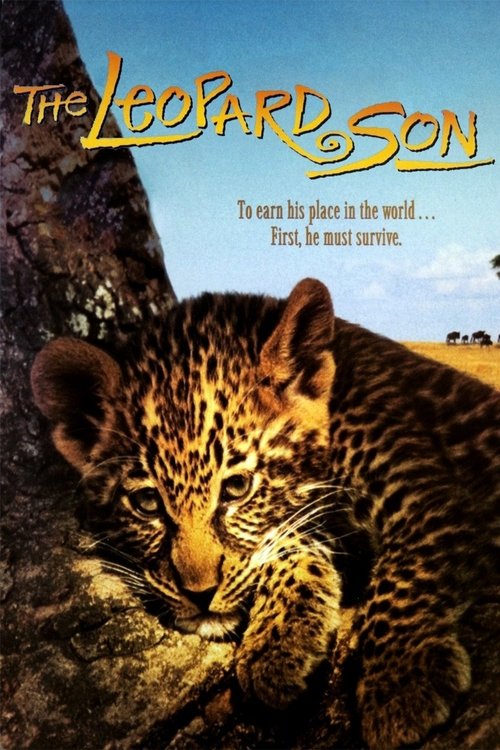
The true story of the birth, growth and coming of age of a leopard cub in Africa's Serengeti plain. The journey of "The Leopard Son" begins at his mother's side where he discovers, through play, essential skills for survival in the wild. As it is with humans, there inevitably comes the day when a child must leave his mother to go out on his own.
1996
"Africa Light" - as white local citizens call Namibia. The name suggests romance, the beauty of nature and promises a life without any problems in a country where the difference between rich and poor could hardly be greater. Namibia does not give that impression of it. If you look at its surface it seems like Africa in its most innocent and civilized form. It is a country that is so inviting to dream by its spectacular landscape, stunning scenery and fascinating wildlife. It has a very strong tourism structure and the government gets a lot of money with its magical attraction. But despite its grandiose splendor it is an endless gray zone as well. It oscillates between tradition and modernity, between the cattle in the country and the slums in the city. It shuttles from colonial times, land property reform to minimum wage for everyone. It fluctuates between socialism and cold calculated market economy.
2010
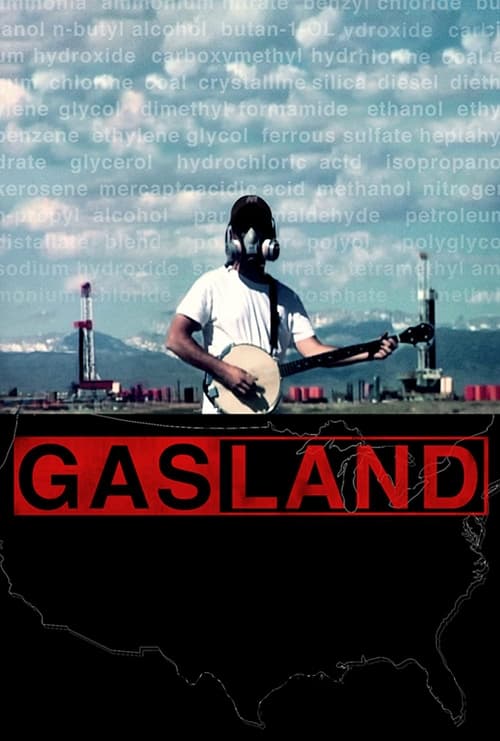
It is happening all across America-rural landowners wake up one day to find a lucrative offer from an energy company wanting to lease their property. Reason? The company hopes to tap into a reservoir dubbed the "Saudi Arabia of natural gas." Halliburton developed a way to get the gas out of the ground-a hydraulic drilling process called "fracking"-and suddenly America finds itself on the precipice of becoming an energy superpower.
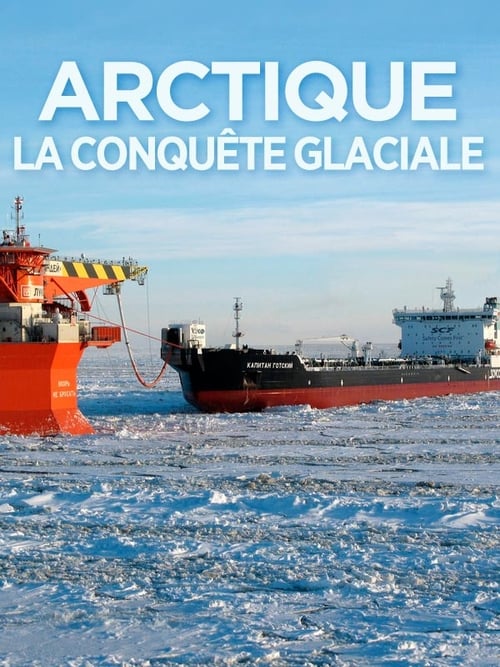
Dark fears over the North Pole. Long sheltered from large-scale industrial exploitation, the Arctic is now at risk of becoming the last El Dorado for major oil companies. This, combined with the melting of ice caused by global warming, poses enormous ecological risks: the impact of an oil spill, for example, would be incomparably more serious in this extreme climate than in any other part of the world.
2015
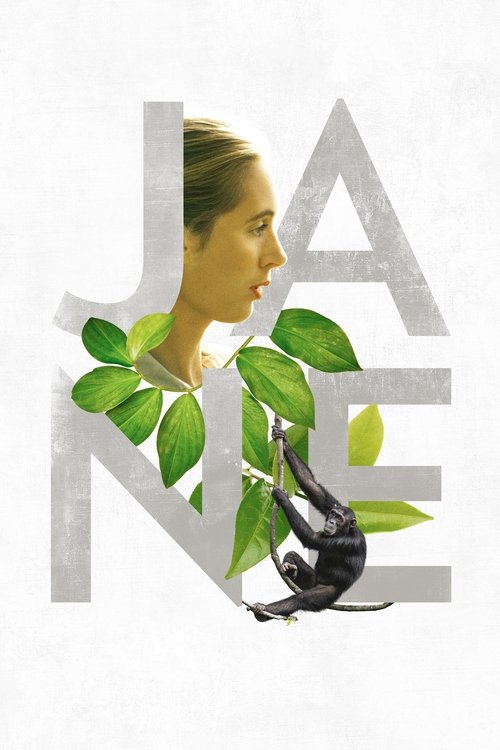
Drawing from never-before-seen footage that has been tucked away in the National Geographic archives, director Brett Morgen tells the story of Jane Goodall, a woman whose chimpanzee research revolutionized our understanding of the natural world.
2017
Living on the prairies during the summer, the Swainson Hawk flies 11,000 km to Argentina for the winter. But toxic pesticides pose a serious threat to these majestic birds. Dr. Stuart Houston and his team use satellite technology along with traditional bird-banding to greatly increase our knowledge of the lives of migratory birds.
1998
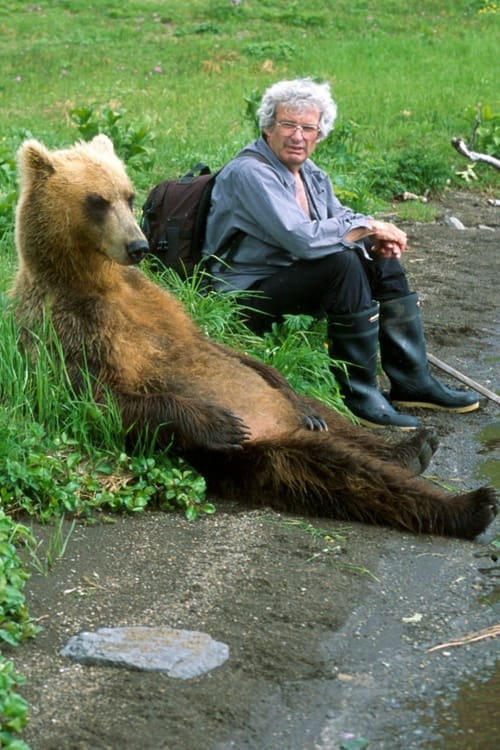
Naturalists Charlie Russell and Maureen Enns film recently discovered grizzlies on Siberia's Kamchatka peninsula.
1999
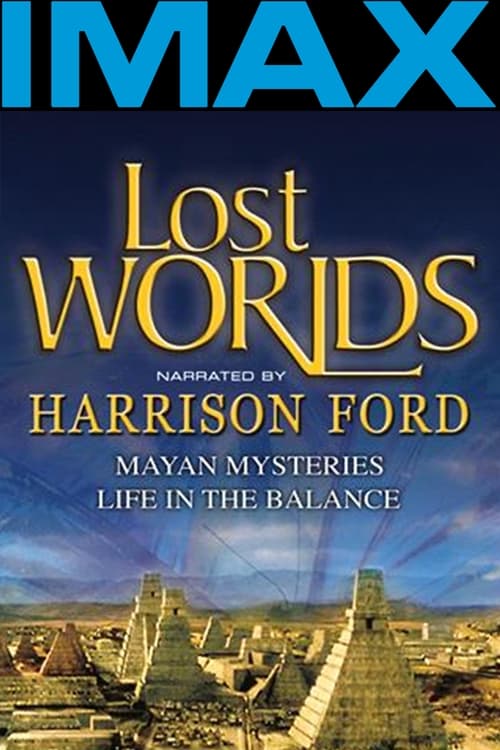
Lost Worlds looks at untouched aspects of nature in parts of the world where humans rarely tread. From plants, to animals, to geology, this artfully photographed documentary presents facets of the biological world that you are not likely to see anywhere else.
2001
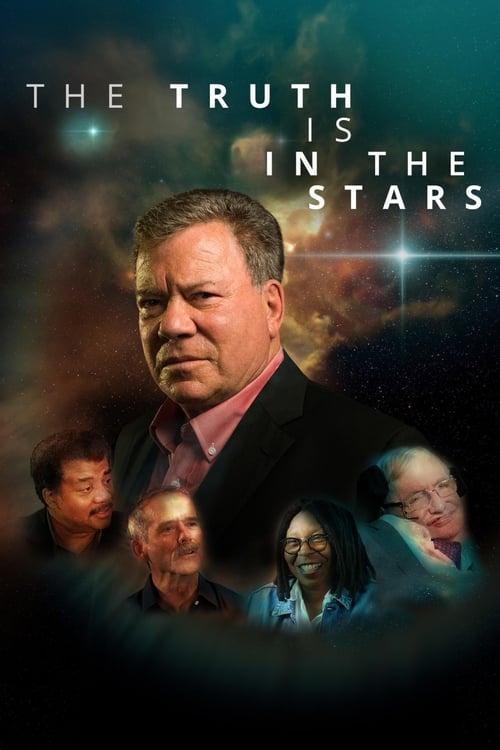
William Shatner sits down with scientists, innovators and celebrities to discuss how the optimism of 'Star Trek' influenced multiple generations.
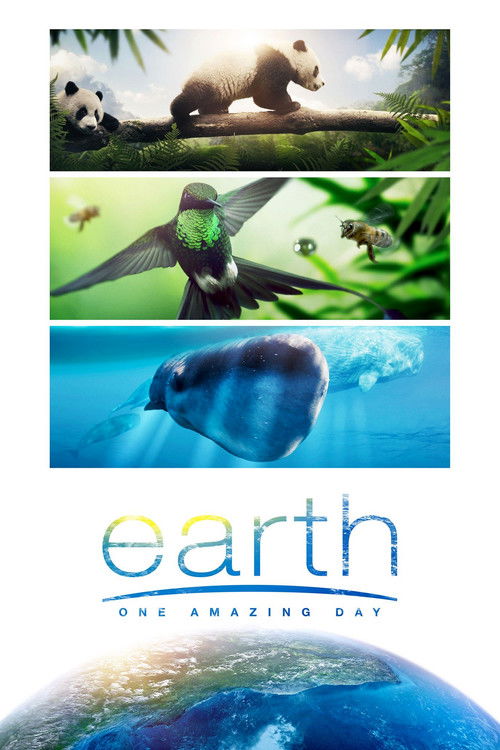
An astonishing journey revealing the awesome power of the natural world. Over the course of one single day, we track the sun from the highest mountains to the remotest islands to exotic jungles.
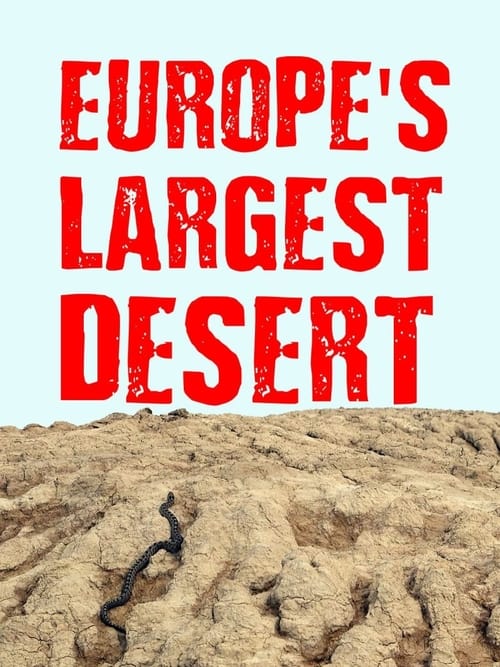
Near the cold Pyrenees of Iberia, surrounded by ancient and dark green forests, lies a strange land where the rain is scarce and the wind is always blowing. The soil is poor, there are no trees and the landscape resembles the moon. Is this what the future of desertification will look like? Incredible creatures with surprising behavior live in this strange landscape. The documentary explores a place with very dry skin but a wet hidden heart where even waterfowl or amphibians can live. Living in such conditions is not easy and only the toughest animals will survive.