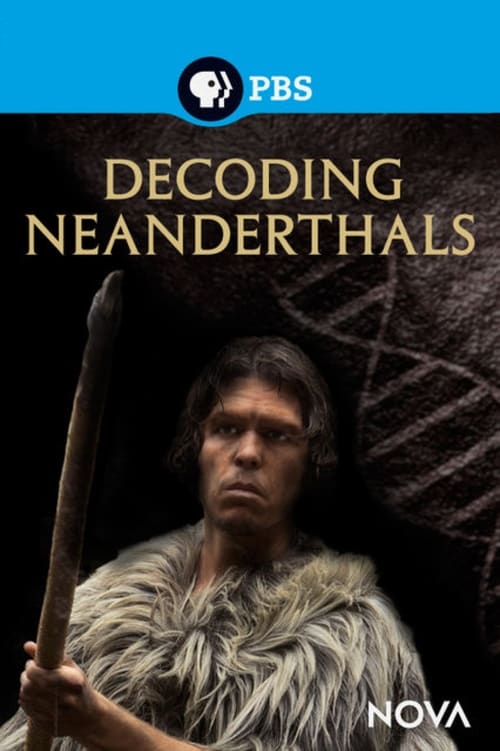
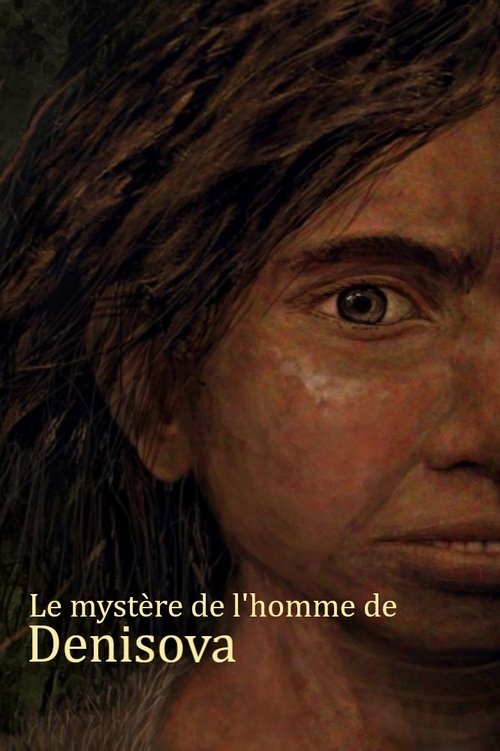
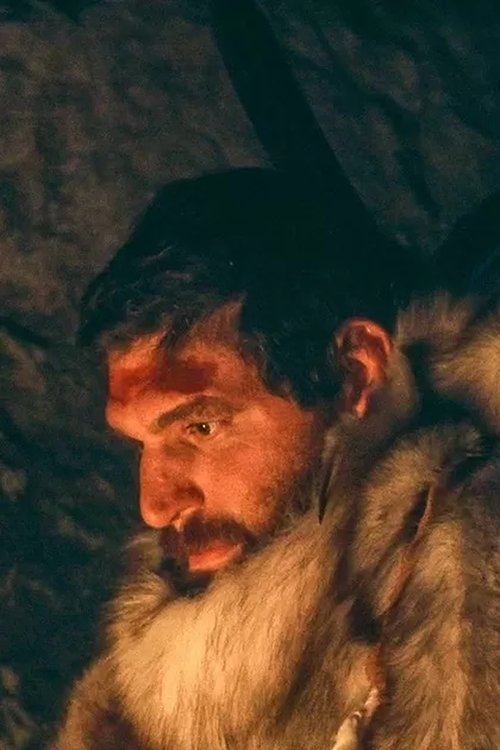
Neandertal man disappeared abruptly 30,000 years ago. Who was that "other" man and what is the most plausible hypothesis leading to his extinction? An investigation using all current knowledge available tries to answer these questions.
Over 60,000 years ago, the first modern humans left their African homeland and entered Europe, then a bleak and inhospitable continent in the grip of the Ice Age. But when they arrived, they were not alone: the stocky, powerfully built Neanderthals had already been living there for hundreds of thousands of years. So what happened when the first modern humans encountered the Neanderthals? Did they make love or war?
2013
Luc Bachelot, a researcher with the CNRS, has been directing since 1994 the French archeological mission at Tell Shioukh Faouqâni in Syria and coordinates the excavations that are carried out there.
2001
In today's climate debate, there is only one factor that cannot be calculated in climate models - humans. How can we nevertheless understand our role in the climate system and manage the crisis? Climate change is a complex global problem. Increasingly extreme weather events, rising sea levels, and more difficult living conditions - including for us humans - are already the order of the day. Global society has never faced such a complex challenge. For young people in particular, the frightening climate scenarios will be a reality in the future. For the global south, it is already today. To overcome this crisis, different perspectives are needed. "THE UNPREDICTABLE FACTOR" goes back to the origins of the German environmental movement, accompanies today's activists in the Rhineland in their fight against the coal industry and gives a voice to scientists from climate research, ethnology and psychology.
2022
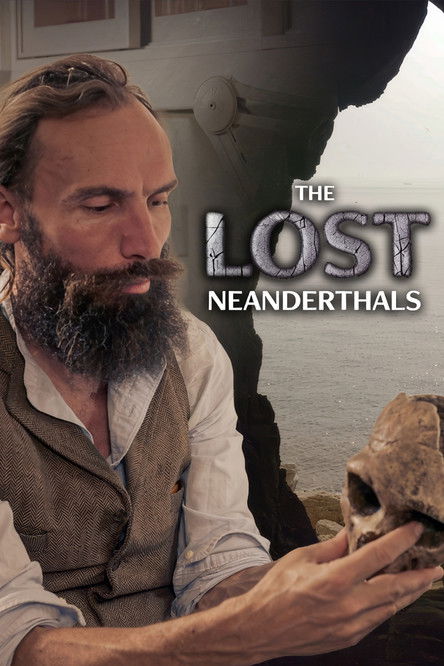
The Mandrin Cave in the Rhône Valley is a fascinating excavation site. Archaeologist Ludovic Slimak discovered fossils and flints here, proving that Neanderthals inhabited the cave for over 80,000 years. The first Neanderthal in France for half a century was also unearthed in the cave: He was given the name Thorin.
2024
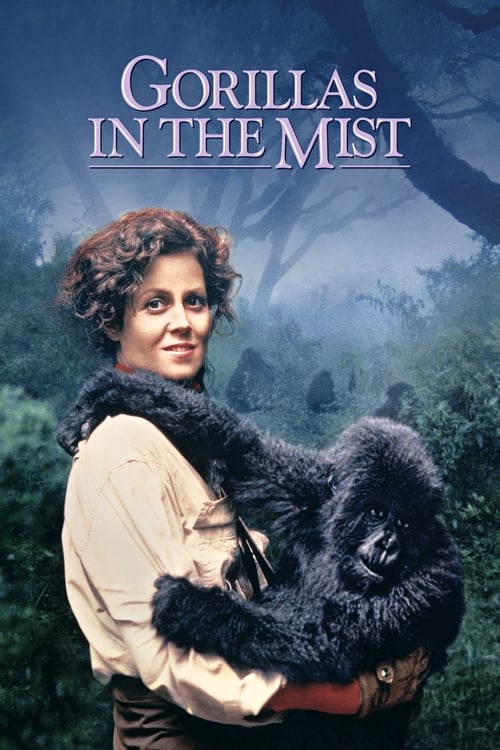
The story of Dian Fossey, a scientist who came to Africa to study the vanishing mountain gorillas, and later fought to protect them.
1988
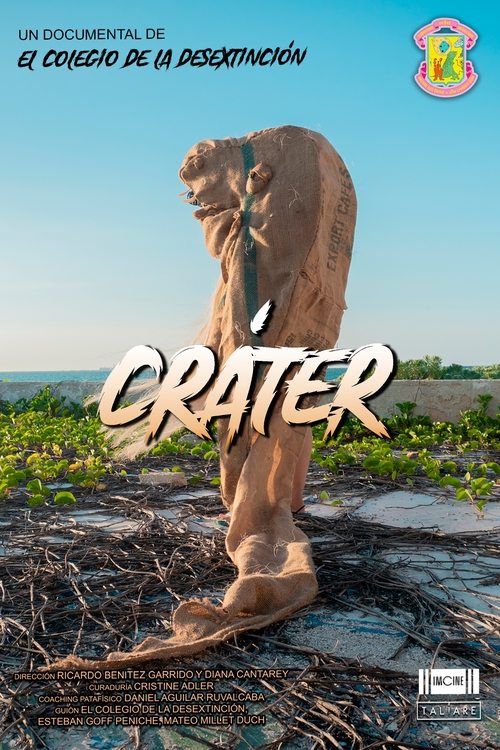
During the 2020 pandemic summer, El Colegio de la Desextinción infiltrated into the holidays of four Divine Caste’s descendants. This elite built its wealth on slavery in the sisal plantations of Yucatán, Mexico, at the end of the 19th and beginning of the 20th century. Every year these families move to their opulent summer houses at Chicxulub Puerto, built at the same place where the asteroid that killed the dinosaurs hit. In these apocalyptic beaches, seducers of asteroids and conquistadors, we proposed the young heirs to write and star in a film about Chicxulub’s crater, in which they staged their entrepreneur fantasies.This documentary is the result of the political unconsciousness of this peninsular ethnic group.
2020
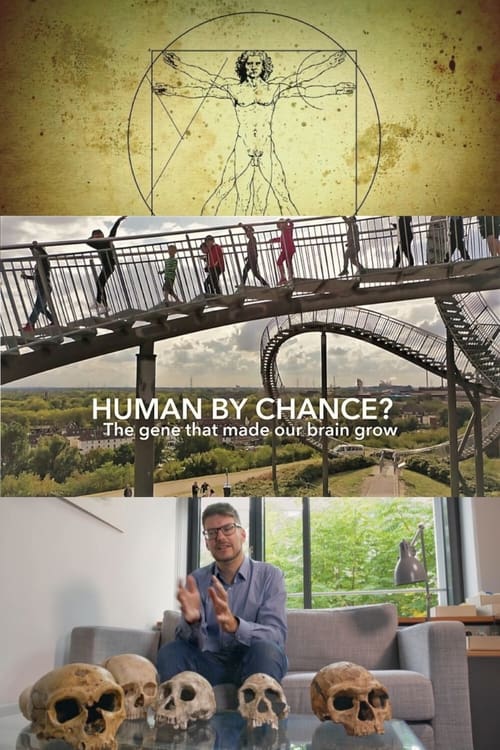
If we compare ourselves with our genetically closest living relatives, the chimpanzees, we have few physical advantages. We are far weaker, cannot move nearly as fast, and do not have the same climbing capabilities. Instead, humans excel in areas such as architecture, religion, science, language, writing, art, culture, and ideas. These achievements are due to our larger brain that contain billions of neurons. It was the rapid growth of our brain, originating about 2 million years ago, that allowed us to be the predominant species of the world. What caused this rapid growth of our cerebral cortex? Researchers worldwide have asked this question for many years, but now there finally seems to be an answer.
No description available.
The extraction of flight feathers from birds of prey, as practiced by Neanderthal man, is revived in the Fumane Cave in Lessinia.
2025
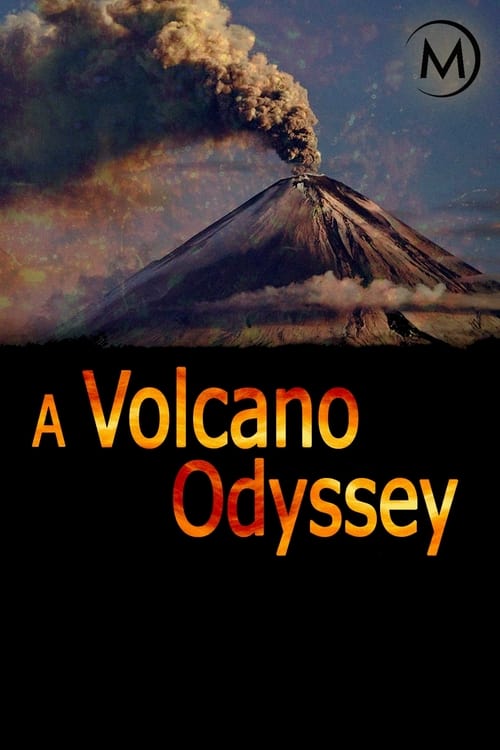
The epic story of the life of a volcano, capable of both causing the extinction of all things and helping the evolution of species, over 60 million years.
2012
The Mandrin Cave in southern France has been attracting the attention of archaeologists for 30 years. The cave was regularly occupied in prehistoric times, and a remarkable record of human habitation going back thousands of years has been preserved by its soils. In 2015, the remains of a Neanderthal were uncovered, and the archaeological evidence points to this individual, named Thorin, living in close proximity to newly arrived Homo sapiens. This documentary follows an international team of scientists as they discover and investigate precious relics of the Paleolithic period, resulting in groundbreaking revelations about the human populations of around 50,000 years ago as researchers uncover some of the secrets of the Mandrin Cave.
A closer look at the science of Human evolution, and how much early humans might've contributed to the extinction of large mammals during the Ice Age.
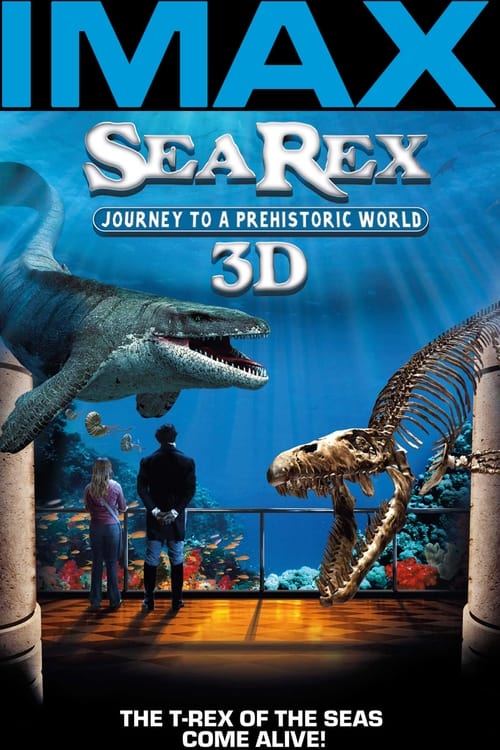
Through the power of IMAX 3D, experience a wondrous adventure from the dinosaur age. Join Julie, an imaginative young woman, in a unique voyage through time and space. Explore an amazing underwater universe inhabited by larger-than-life creatures which were ruling the seas before dinosaurs conquered the earth. See science come alive in an entertaining manner and get ready for a face-to-face encounter with the T-Rex of the seas!
2010
In 1921, in the Danish town of Egtved, on the Jutland peninsula, was discovered one of the most important Bronze Age burial sites: the tomb of a girl who lived around 1370 BCE. Who was that girl and what was her daily life like?
2018
A shadow puppet film inspired by the story of an extinct Hawaiian tree snail (pūpū kani oe) named Lonely George.