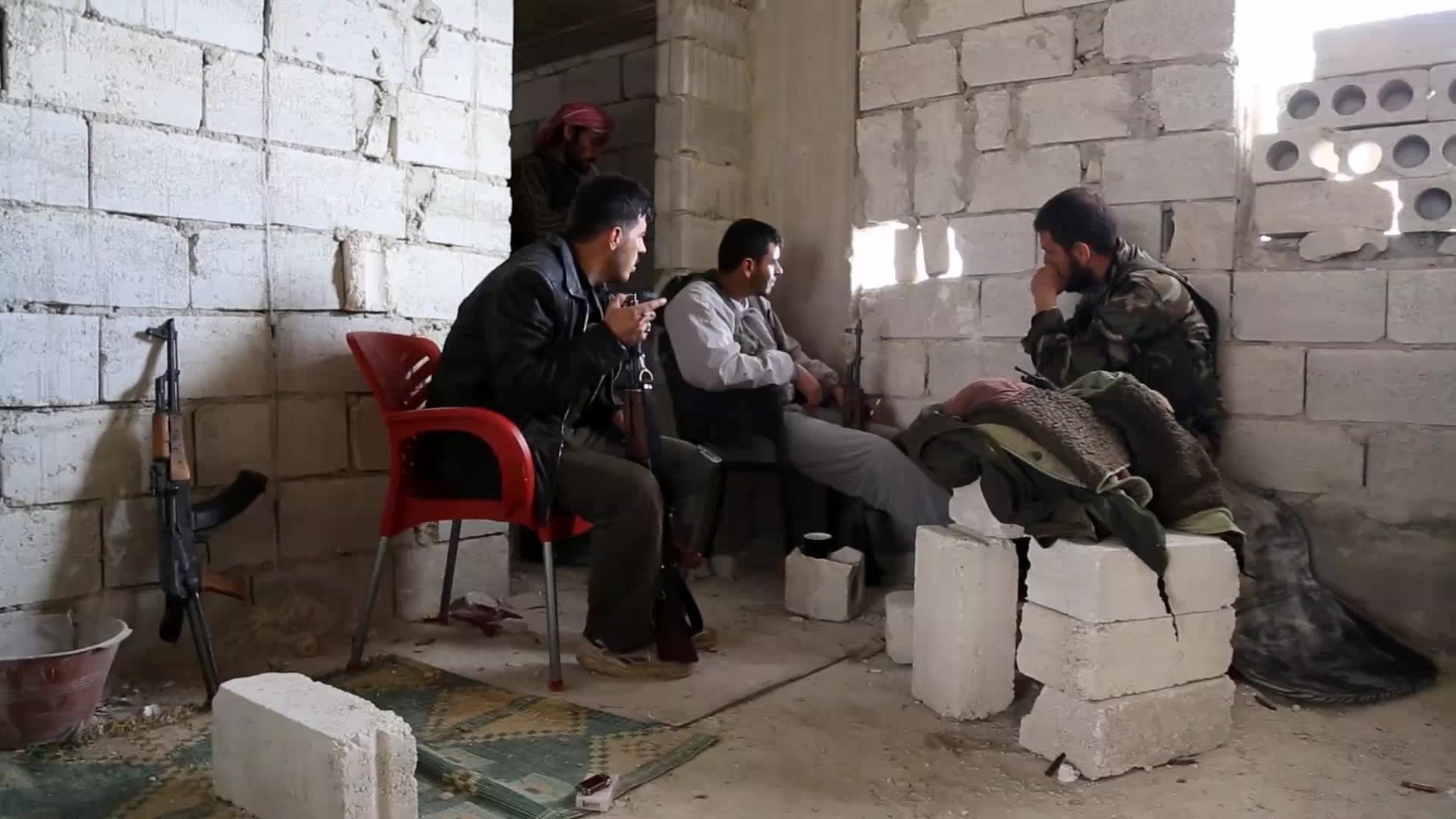
In the most dangerous country in the world for journalists, Newsweek Middle East editor, Janine di Giovanni, risks it all to bear witness, ensuring that the world knows about the suffering of the Syrian people.
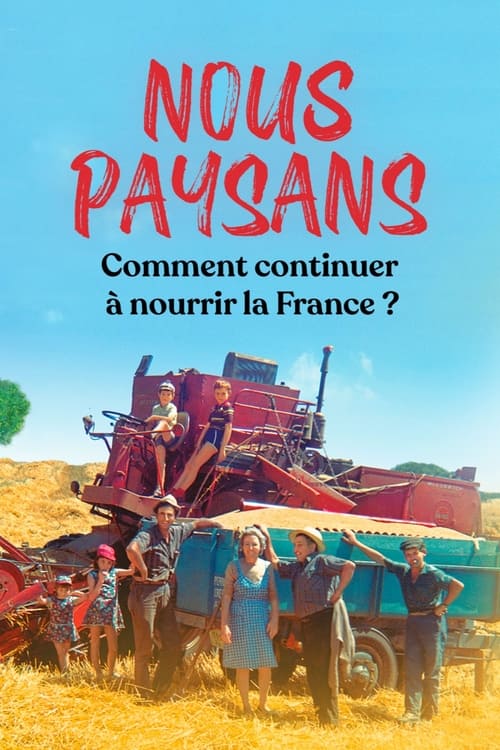
In barely a century, French peasants have seen their world profoundly turned upside down. While they once made up the vast majority of the country, today they are only a tiny minority and are faced with an immense challenge: to continue to feed France. From the figure of the simple tenant farmer described by Emile Guillaumin at the beginning of the 20th century to the heavy toll paid by peasants during the Great War, from the beginnings of mechanization in the inter-war period to the ambivalent figure of the peasant under the Occupation, From the unbridled race to industrialization in post-war France to the realization that it is now necessary to rethink the agricultural model and invent the agriculture of tomorrow, the film looks back at the long march of French peasants.
2021
Festival panafricain d'Alger is a documentary by William Klein of the music and dance festival held 40 years ago in the streets and in venues all across Algiers. Klein follows the preparations, the rehearsals, the concerts… He blends images of interviews made to writers and advocates of the freedom movements with stock images, thus allowing him to touch on such matters as colonialism, neocolonialism, colonial exploitation, the struggles and battles of the revolutionary movements for Independence.
1969
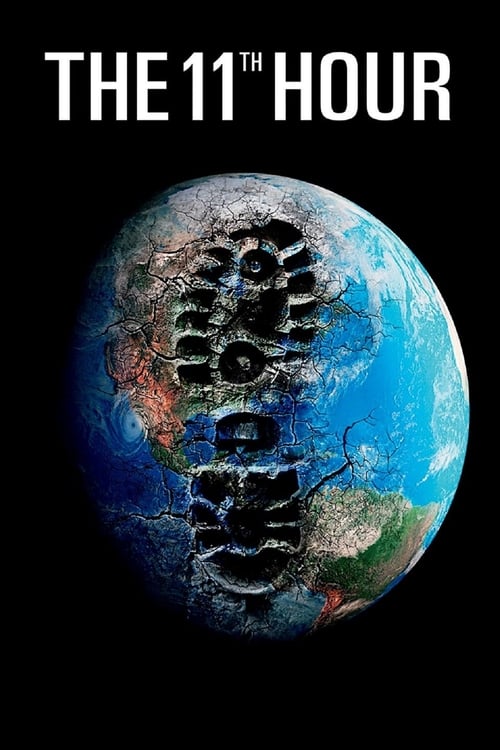
A look at the state of the global environment including visionary and practical solutions for restoring the planet's ecosystems. Featuring ongoing dialogues of experts from all over the world, including former Soviet Prime Minister Mikhail Gorbachev, renowned scientist Stephen Hawking, former head of the CIA R. James Woolse
2007
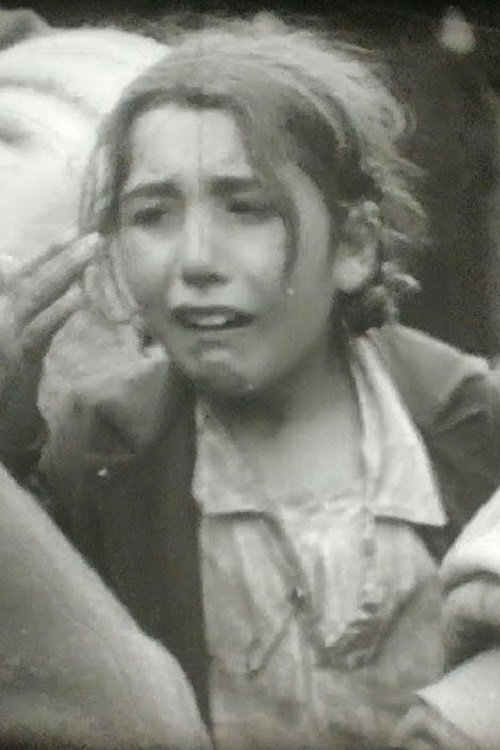
A series of images of war and misery.
1958
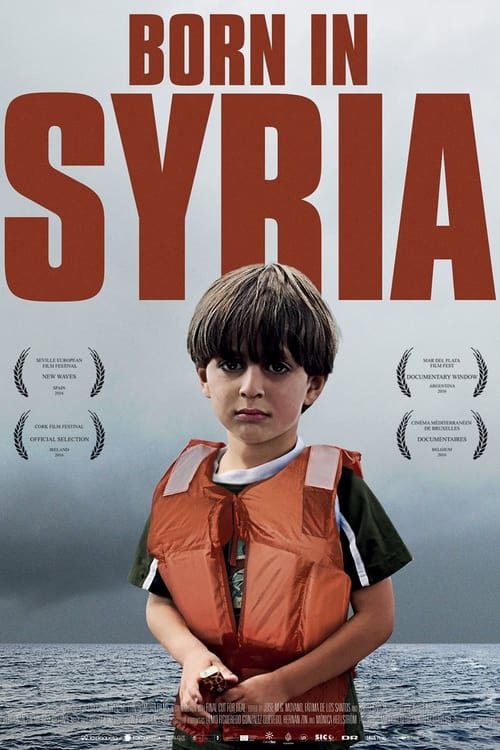
This intimate documentary follows a group of Syrian children refugees who narrowly escape a life of torment and integrate into a foreign land.
2016
An exploration —manipulated and staged— of life in Las Hurdes, in the province of Cáceres, in Extremadura, Spain, as it was in 1932. Insalubrity, misery and lack of opportunities provoke the emigration of young people and the solitude of those who remain in the desolation of one of the poorest and least developed Spanish regions at that time.
1933
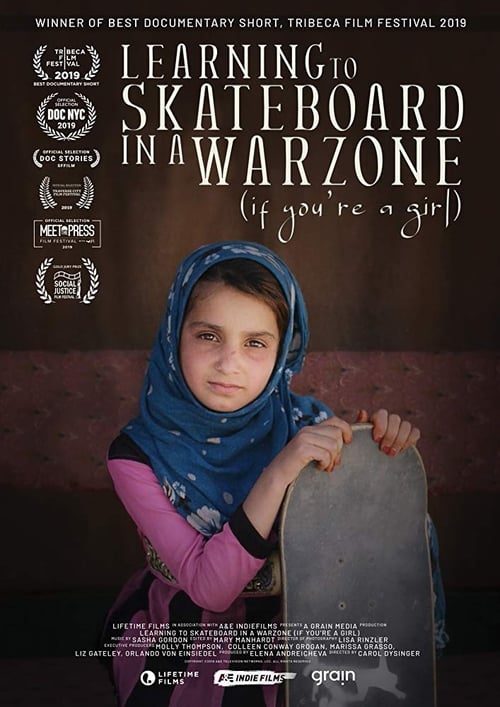
The story of young Afghan girls learning to read, write and skateboard in Kabul.
2020
A total of 17 journalists have been fired since 2008, the beginning of LEE Myung-bak’s presidential term. They fought against the companies that they worked for succumbing to power and are now frustrated at reality where censorship of the press by authority has now become a norm. Can they continue their activities as journalists?
2017
No description available.
2025
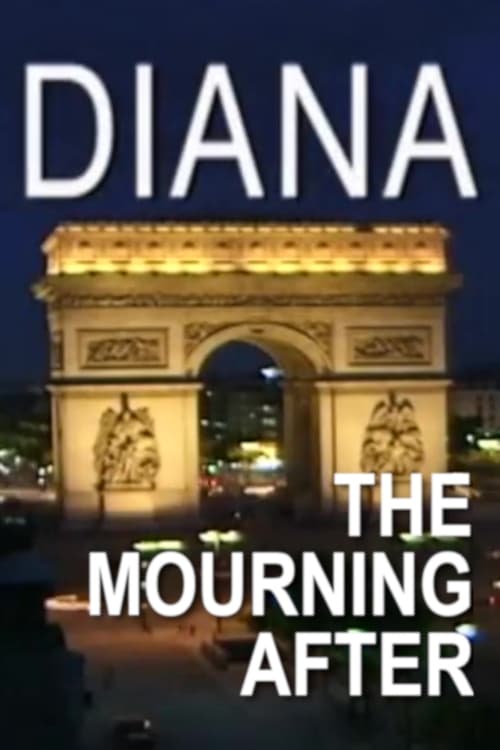
In "Diana: The Mourning After" Christopher Hitchens sets out to examine the bogusness of "a nation's grief", tries to uncover the few voices of sanity that cut against the grain of contrived hysteria. His findings suggested that the collective hordes of emotive Dianaphiles sobbing in the streets were not only encouraged but emulated by the media. In the aftermath of Diana's death a three-line whip was enforced on newspapers and on TV, selling the sainthood line wholesale. The suspicion was that journalists, like the public, greeted the death as a chance to wax emotional in print, as a change from the customary knowing cynicism, to wheel out all those portentous phrases they'd been saving up for the big occasion. Sadly, they just seemed to be showboating; the eulogies, laments and tear-soaked platitudes ringing risibly hollow.
1998
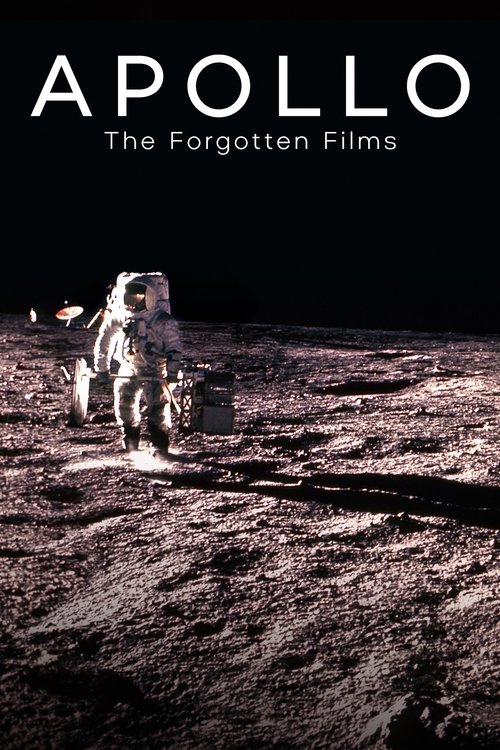
Recently discovered footage reveals the secret history of NASA's first landing on the moon, and using this brand-new evidence, former astronauts and experts challenge everything known about the Apollo missions.
2019
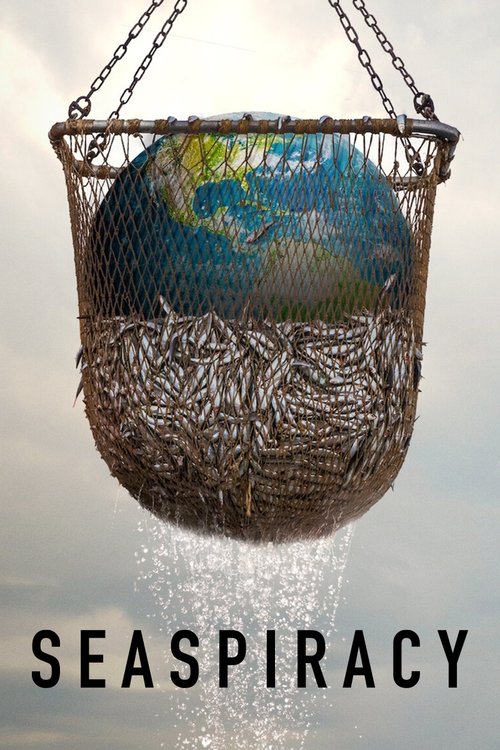
Passionate about ocean life, a filmmaker sets out to document the harm that humans do to marine species — and uncovers an alarming global conspiracy.
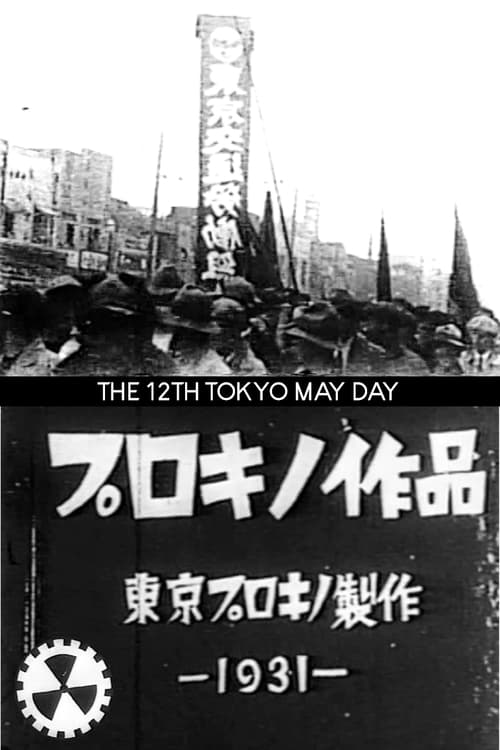
On May 1st, unions all over Japan celebrate May Day, the international day for workers. Workers gather together at parks and hold demonstrations and parades. May Day has its origins in a strike that occurred in the United States on May 1, 1886, a strike that called for an eight-hour workday. Prokino recorded the May Day every year from 1927 to 1932. Among these films, this work is the only one that has survived. However, only its first part has survived. The original film depicts the march to the Ueno Park where the rally was dismissed. Iwasaki Akira coordinated the entire Tokyo Prokino organization as it photographed the 1931 May Day celebrations. They shot in both 16mm and 35mm (other 35mm productions were planned, but this is the only one that achieved completion). A 16mm print was circulated around the countryside by mobile projection units, and a 35mm print was shown at Soviet film nights in Tokyo and Osaka.
1931
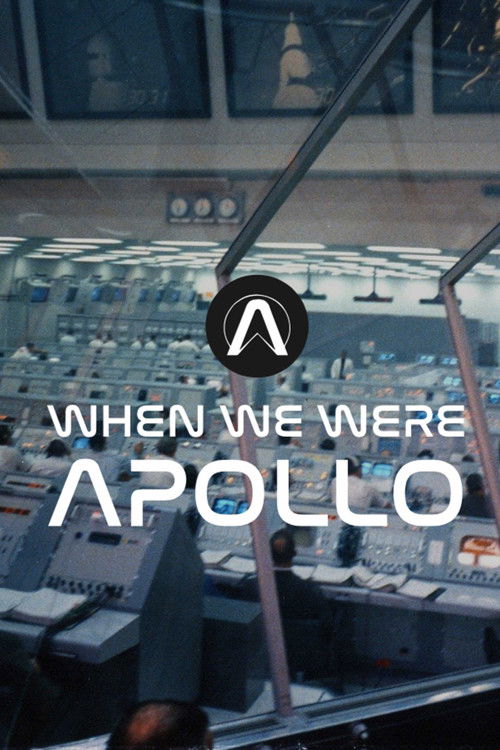
Who were the men and women of Project Apollo? Where are they today? What do they think of the extraordinary effort they helped make possible? Coinciding with the 50th anniversary of the first moon landing in 2019, When We Were Apollo is an intimate and personal look at the Apollo Space Program through the lives and experiences of some of its most inspiring behind-the-scenes figures: engineers, technicians, builders and contractors who spent the better part of a decade working to get us to the moon and back.
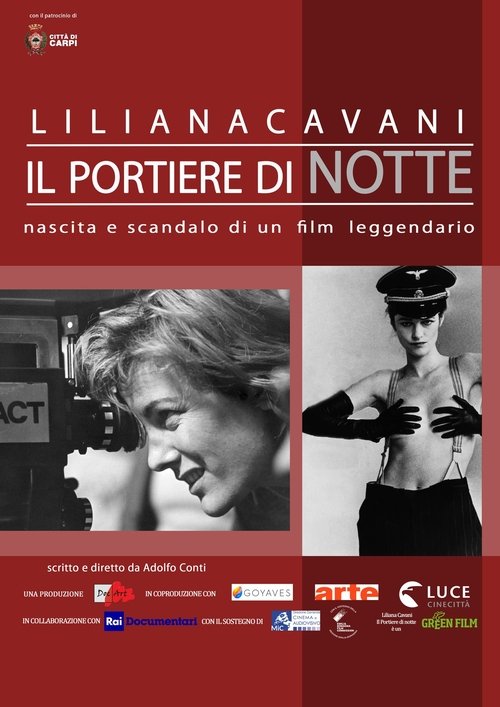
Liliana Cavani's "The Night Porter" is a film that, fifty years after its release, continues to spark debate and mixed reactions. The story, set in Vienna in 1957, follows doorman Max Aldorfer and his former concentration camp prisoner, Lucia, who reunite after years in a hotel.