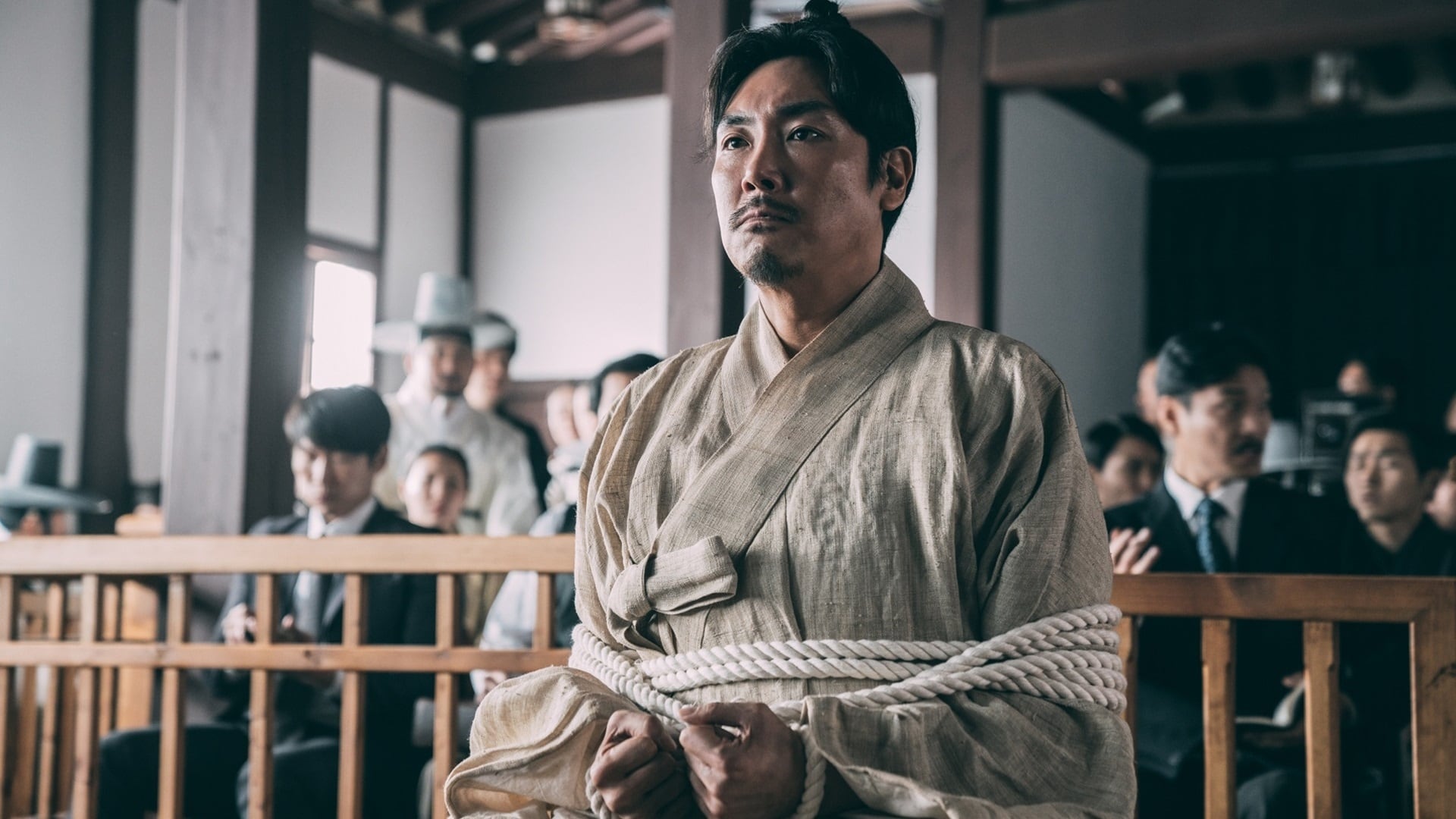
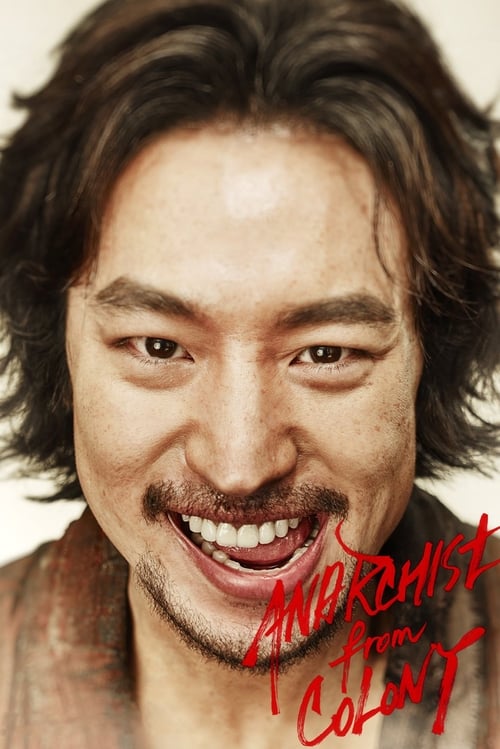
Young Kim Chang-soo is placed behind bars, charged with murdering a Japanese person who took part in Empress Myeongseong's assassination. In prison, Kim Chang-soo sees how Koreans are persecuted and grows into a fighter for Korean independence.
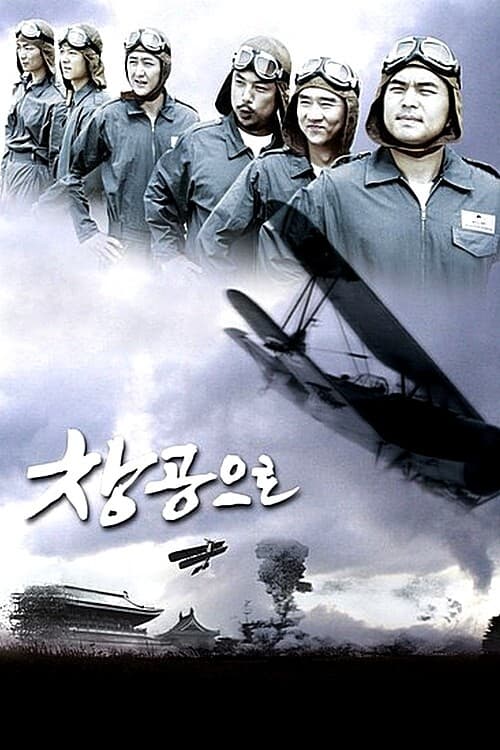
In 1920, a combat flight training school named "Willows" is founded in California. People who want to fight for Korea’s independence from Japan gather at the school. Their mission is to bomb the palace of the Japanese emperor. The pilots’ ardent desire for Korea’s independence grows, but as they prepare for their mission, a spy in the school ruins their plans. However, KIM Ja-jung and the other pilots manage to get on board for what will most likely be their last flight.
2006
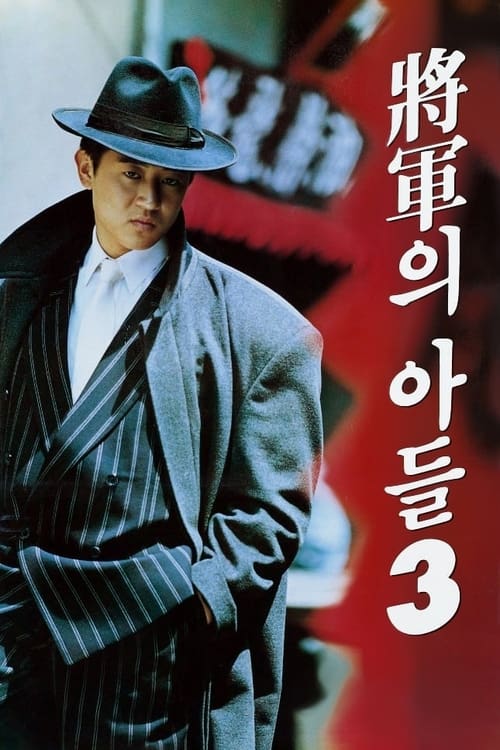
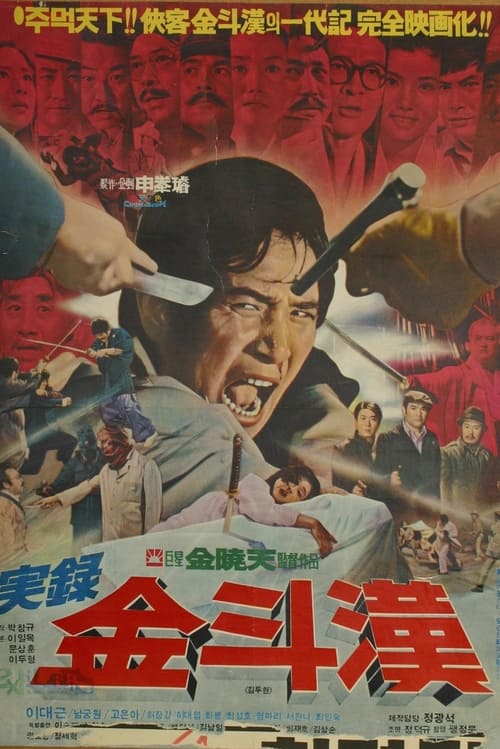
Upon being released from prison, Kim Du-han begins rebuilding his street gang in the face of Hayashi's Yakuzas and increasing Japanese influence.
1991
Following the final events of General's Son 2, Kim Du-han is forced to go on the lam but eventually returns to Jongro where he attempts to rebuild his gang with the brothers that are still alive and loyal and defeat Hayashi's Yakuzas once and for all.
1992
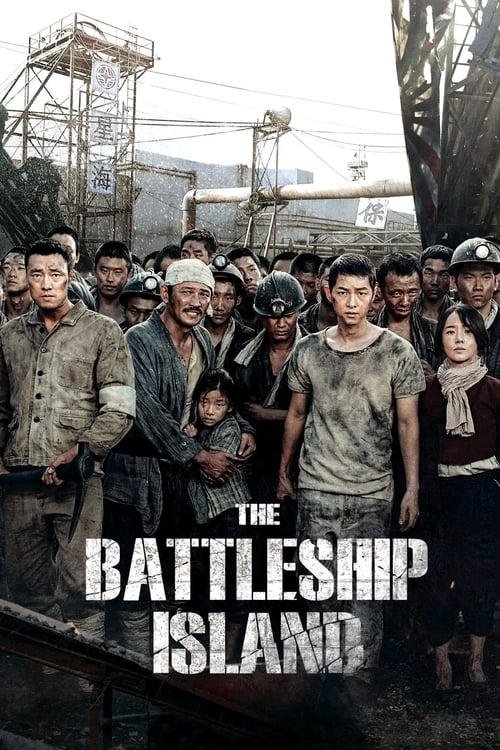
During the Japanese colonial era, roughly 400 Korean people, who were forced onto Battleship Island 'Hashima Island' to mine for coal, attempt to escape.
2017
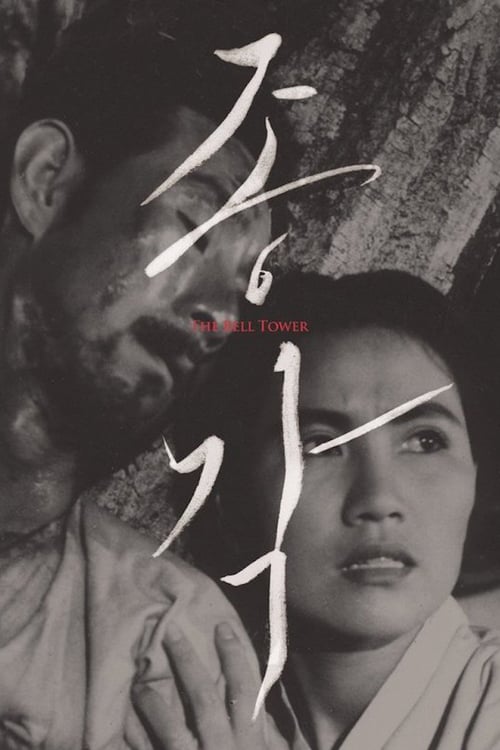
An elderly bell maker reminisces about his life filled with tragedy.
1958
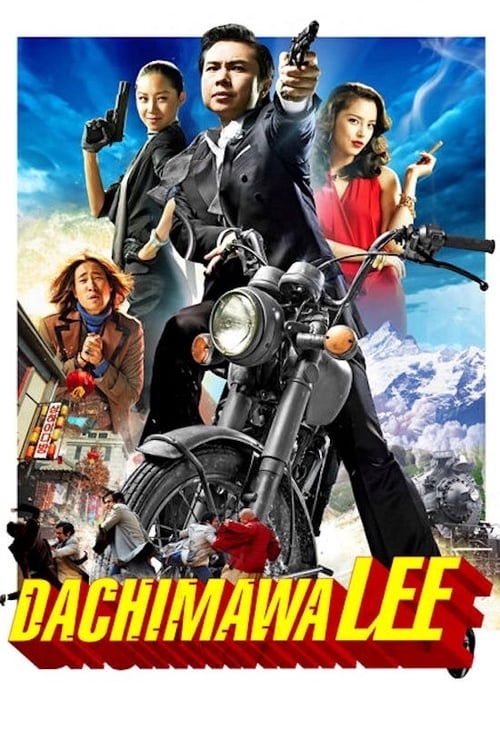
Under Japanese imperialism, Korean national treasure Golden Buddha is stolen. More important to national security, the statue contains vital information concerning Korean freedom fighters and their whereabouts as well as their true identities. The interim Korean government appoints legendary Korean spy Agent Dachimawa Lee to recover the fabled statue and reveal the dark plot behind the theft.
2008
The son of a Chosun Dynasty general, Kim Du-han finds himself orphaned when the dynasty ends and the Japanese colonize Korea in the early 1900's. He sets out to build a resistance army in this historical drama.
1974
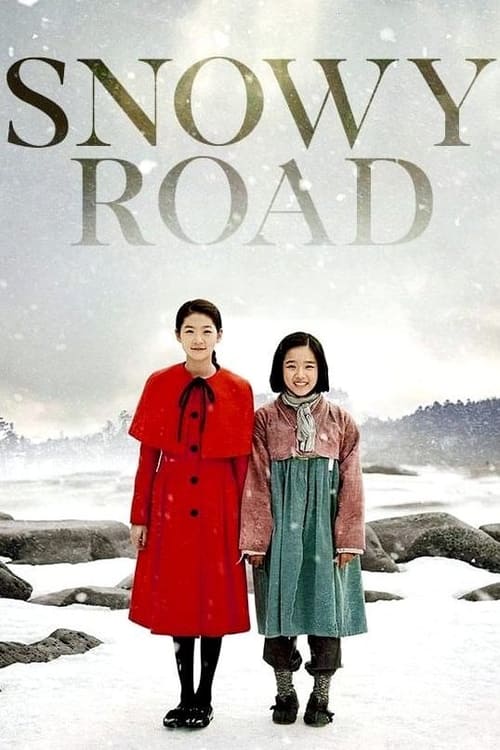
Jong-bun and Young-ae are kidnapped and thrown into the same train. They both do not know where they are headed, but soon experience the horrific reality of comfort women.
2015
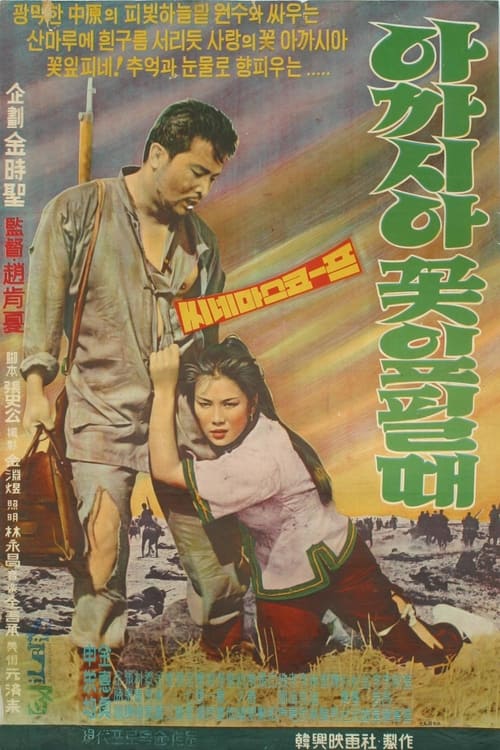
A man assists a woman in danger, but through her actions, she unintentionally causes his death. Everyone in the village knows that she visits his tomb every spring, but no one knows the details of her story.
1962
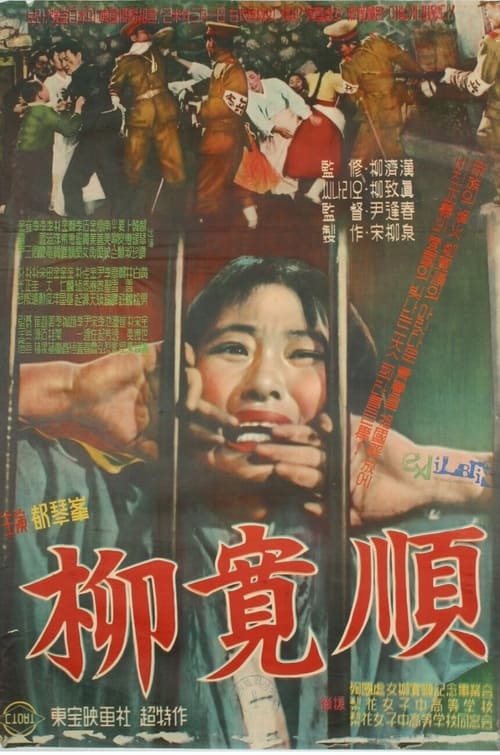
This film is about of the life of the young patriotic martyr Yu Gwan-sun, who fought for the liberation of her country during the Independence Movement in 1919. As the Independence Movement becomes more and more intense among Korean students, the Japanese authorities order schools closed temporarily. Yu Gwan-sun (Do Geum-bong) persuades her neighbors to join the national movement, and continues her aggressive struggle against Japanese rule. An independent campaign at Aunae, a market site, is successful with the passionate participation of many people. She is arrested by the Japanese police for leading the campaign and has to endure horrible tortures. But she never gives up her fight, encouraging her cell mates to participate in the movement. She is finally taken to an underground room by the Japanese police and murdered.
1959
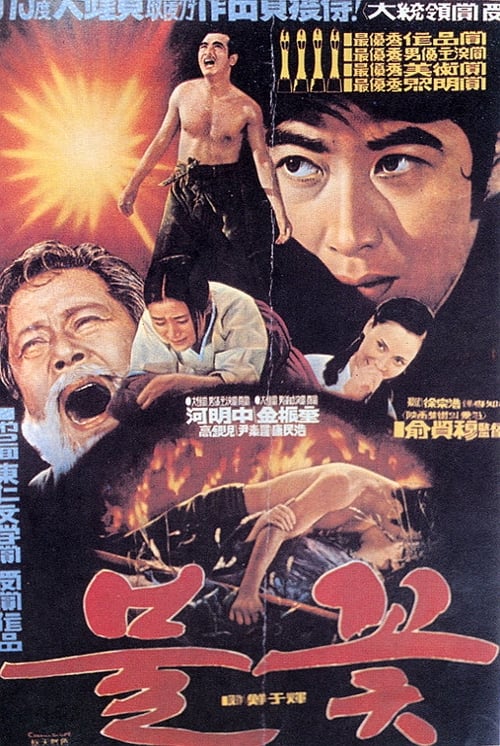
A man wanders around the mountains with a bleeding leg, holding a rifle in his hand. Seemingly a fugitive, he runs from as-yet unknown pursuers, but he also seems to be following somebody who has already walked the same path. As he hides in a secluded cave, past memories sweep through his exhausted mind, memories of lifelong cowardice and evasion. And this recollection leads to a reconstruction of early 20th century Korean history. Winner of Best Picture (Nam-a Pictures Co., Ltd.), Best Actor (Ha Myung-joong), Best Art Direction (Kim Yoo-joon), Best Lighting (Son Young-cheol) at the 14th Grand Bell Awards. (source: Jiro Hong, koreanfilm.org)
1975
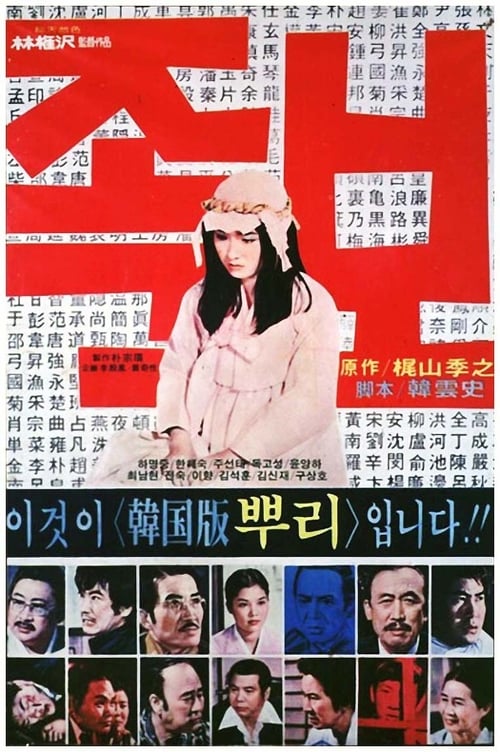
During the Japanese occupation of South Korea, a Japanese bureaucrat is ordered to persuade an influential Korean patriarch into obeying the law of changing his Korean surname to a Japanese one.
1979
Based on the life of the Korean anarchist Park Yeol, the film shows his struggle to counter the massacre of Koreans by the government during the 1923 great Kanto earthquake, focusing on his activities as the leader of the anti-Japanese organization Bulryeongsa and his relationship with Japanese comrade Fumiko Kaneko.
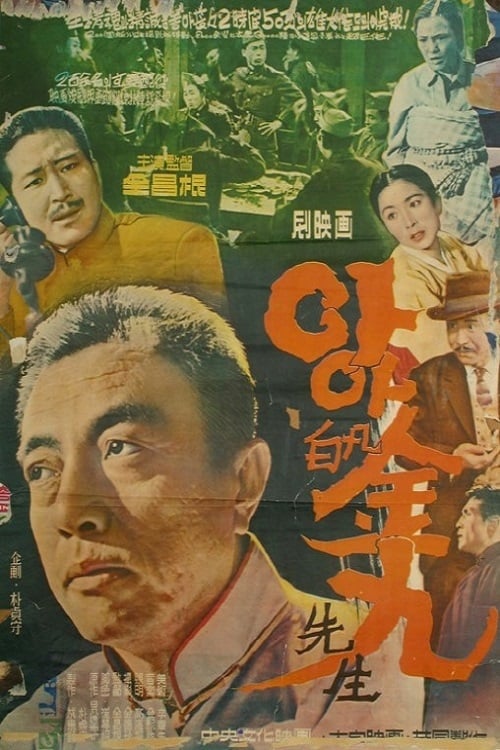
Kim Chang-su, who participated in the Donghak Movement, escapes to Manchuria after being chased by the Japanese army, finally making his way home. Angered by the assassination of Empress Myeong-seong, he murders a Japanese lieutenant and is sent to jail. He escapes from prison turns his focus on the democratic movement by teaching civilians and organizing Sinminheo (a democratic organization), even changing his name to 'Kim Gu.' After he is imprisoned again, he gets out on parole and goes to China, where he participates in establishing a provisional government from which he can direct the anti-Japanese struggle. Kim Gu goes on to play a part in Yun Bong-gil's deeds in Shanghai, the events at Hongkou Park, the encounter with Jiang Jish, and the establishment of the Korean National Army, and leads the struggle for Korea's independence with warm fraternal love and clear national spirit. When Korea is liberated in August 15, 1945, he returns back to his native land.
1960
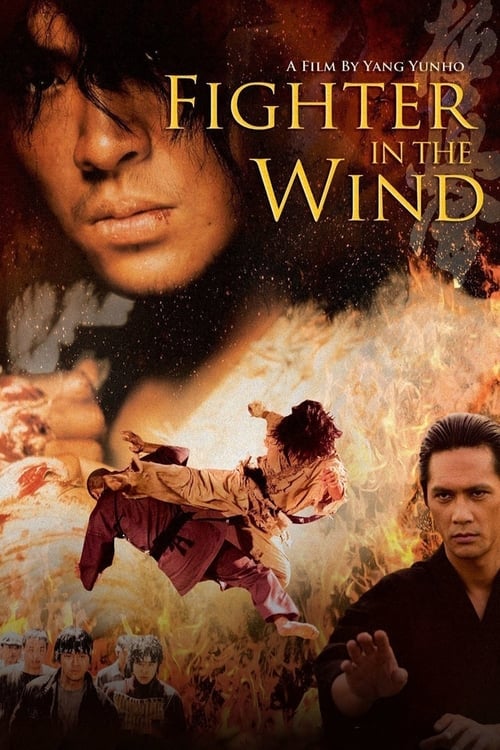
An account of karate competitor Choi Yeung-Eui who went to Japan after World War II to become a fighter pilot but found a very different path instead. He changed his name to Masutatsu Oyama and went across the country, defeating martial artists one after another. This film concentrates on the period when he is still young, and developing his famous karate style, Kyokushin.
2004
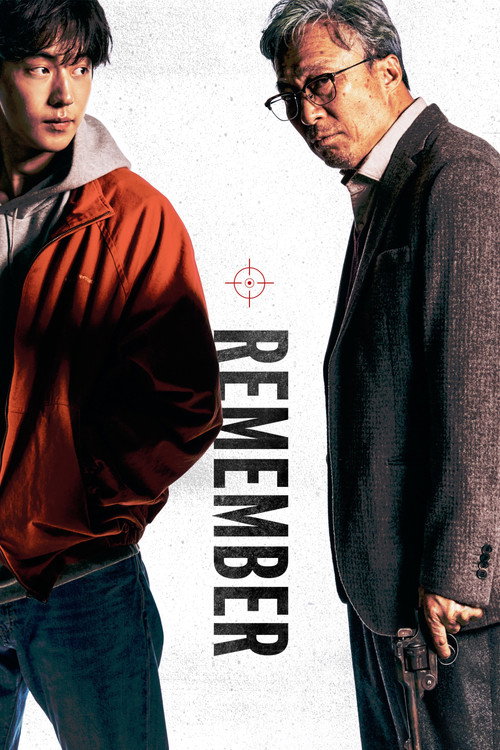
Pil-ju, an Alzheimer's patient in his 80s, who lost all his family during the Japanese colonial era, and devotes his lifelong revenge before his memories disappear, and a young man in his 20s who helps him.
2022