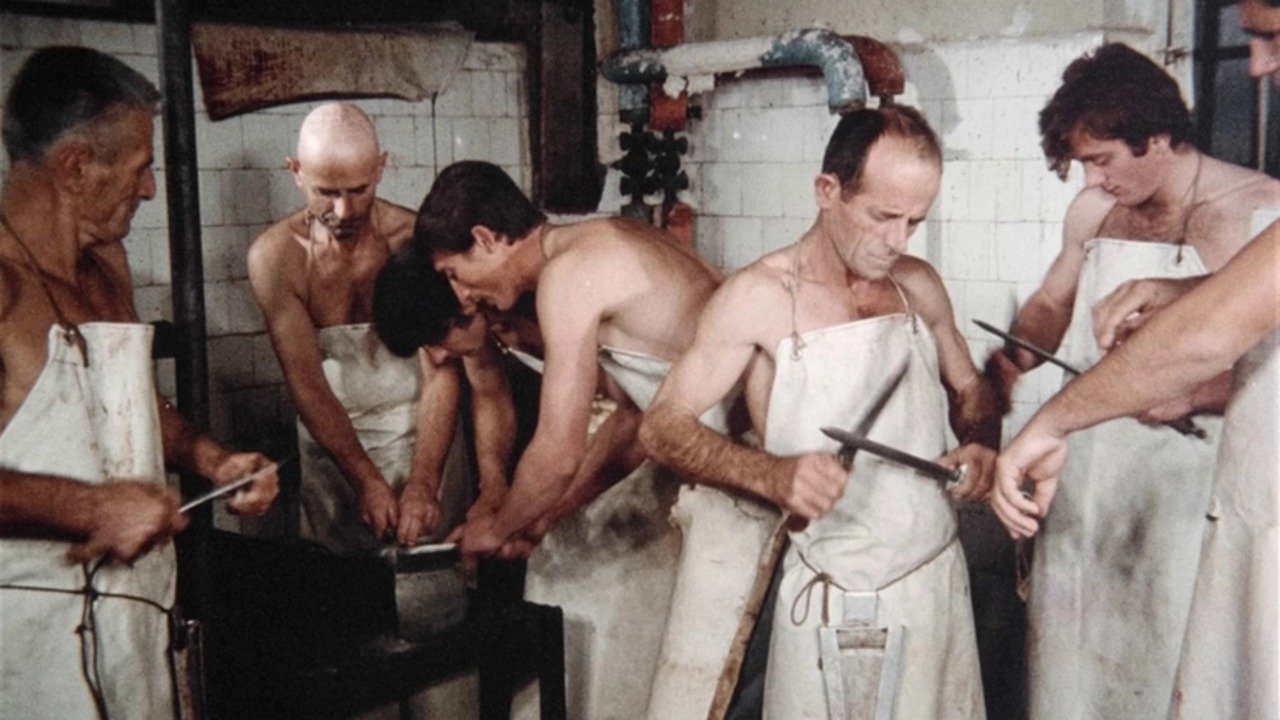
"In continuo" uses slaughterhouse imagery to present the warlike nature of man, first depicting the cleaning and mechanical preparations for the slaughterhouse and then the killing, however, the animal slaughter itself isn’t shown.
A day in the city of Berlin, which experienced an industrial boom in the 1920s, and still provides an insight into the living and working conditions at that time. Germany had just recovered a little from the worst consequences of the First World War, the great economic crisis was still a few years away and Hitler was not yet an issue at the time.
1927
In 1919 an art school opened in Germany that would change the world forever. It was called the Bauhaus. A century later, its radical thinking still shapes our lives today. Bauhaus 100 is the story of Walter Gropius, architect and founder of the Bauhaus, and the teachers and students he gathered to form this influential school. Traumatised by his experiences during the Great War, and determined that technology should never again be used for destruction, Gropius decided to reinvent the way art and design were taught. At the Bauhaus, all the disciplines would come together to create the buildings of the future, and define a new way of living in the modern world.
2019
Three images of a person running in the void through the movement of speed and abstract images
2024
Twenty images of a camera running next to a chemical platform and capturing abstract light throught improvised gestures and asymmetrical motion
The world appears black on black until it separates from itself, looks at itself, includes itself, and sees colour.
2016
Twenty-four images of a camera running in the woods, a moonlight and a cemetery through improvised gestures, mechanical abstraction and saturated colors
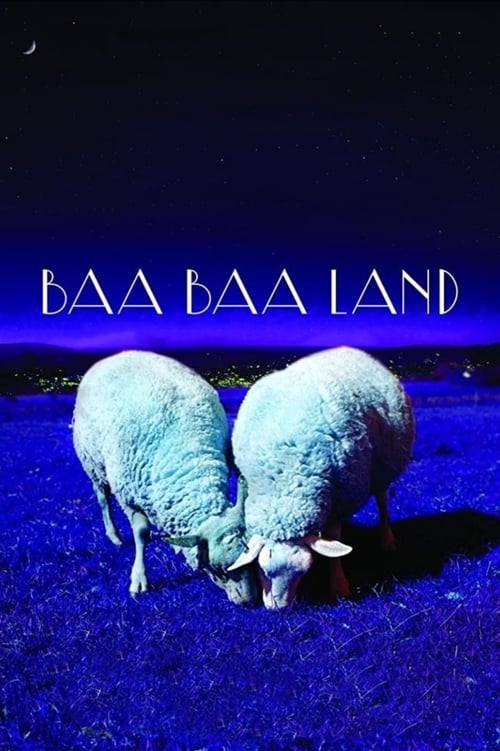
An eight-hour contemplative epic, entirely starring sheep.
2017
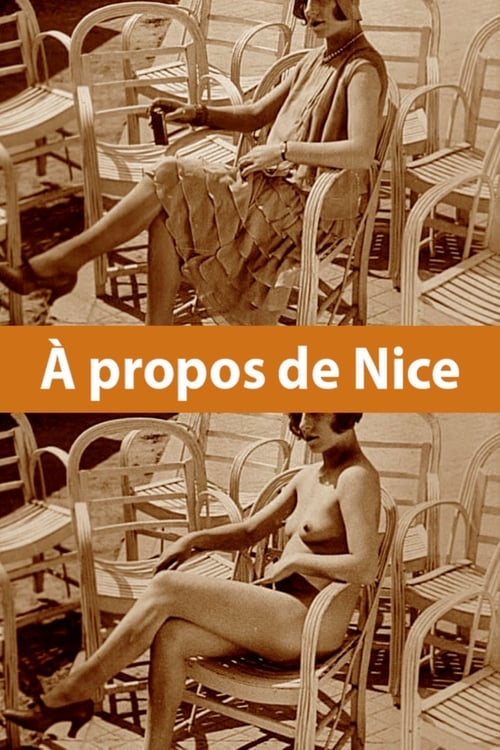
What starts off as a conventional travelogue turns into a satirical portrait of the town of Nice on the French Côte d'Azur, especially its wealthy inhabitants.
1930
In 1952, Haanstra made Panta Rhei , another view of Holland through the eyes of a painter and filmmaker. Its poetic images of water, skies and clouds reflect Haanstra's own moods.
1952
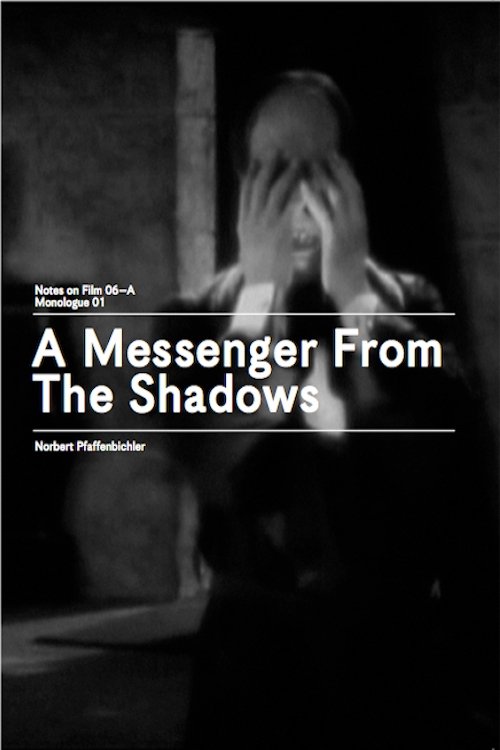
Thanks to his myriad film roles, Lon Chaney is known as “the man of a thousand faces,” and you could say that the early horror era never beheld a figure more intriguing. Yet because of his numerous transformations, his face never became as iconic as that of, say, Boris Karloff. Accompanied by a soundtrack from Bernhard Lang, this “re-imagination of shots” taken from Chaney´s forty-six surviving films offers a beguiling excursion into the history of film. The director reveals surprising associations, while highlighting the enduring magic of works which are now more or less forgotten.
2013
"This film explores how freedom of speech — including dissent — is afforded to all Americans, and shows freedom of expression in art, music, dance, architecture, and science. The film also emphasizes the importance of the individual’s contribution to the whole of society and demonstrates how a productive and creative society is formed by the open and respectful exchange of ideas. The film was written, produced, and directed by William Greaves" (National Archives).
1964
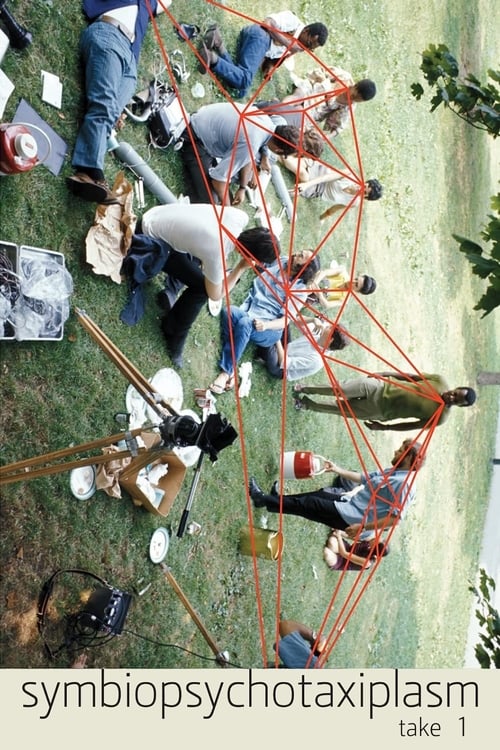
In Manhattan's Central Park, a film crew directed by William Greaves is shooting a screen test with various pairs of actors. It's a confrontation between a couple: he demands to know what's wrong, she challenges his sexual orientation. Cameras shoot the exchange, and another camera records Greaves and his crew. Sometimes we watch the crew discussing this scene, its language, and the process of making a movie. Is there such a thing as natural language? Are all things related to sex? The camera records distractions - a woman rides horseback past them; a garrulous homeless vet who sleeps in the park chats them up. What's the nature of making a movie?
1968
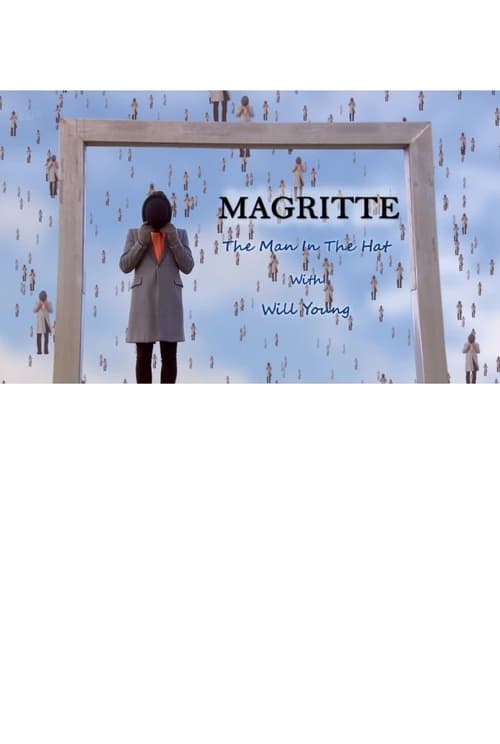
In this film, Will Young travels to Magritte's native Belgium to find out more about the man whose trademark was a bowler hat and whose apparently conventional exterior concealed the mind of a subversive rebel. Will uncovers a childhood marked by tragedy, a marriage that lasted from Magritte's adolescence until his death in 1967, and a stunning artistic legacy which endures to this day.
2014
A city symphony of kinetic movement in the concrete jungle. A cacophony of textures, layers and surfaces moving in unison and discord yearning for an open horizon.
2003
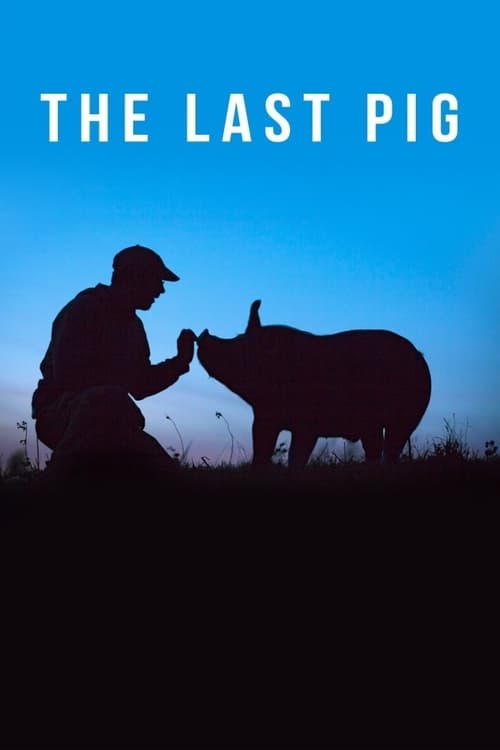
An intimate reflection on animal treatment, following ethical pig farmer, Bob Comis, as he contemplates his transition out of raising animals for slaughter.
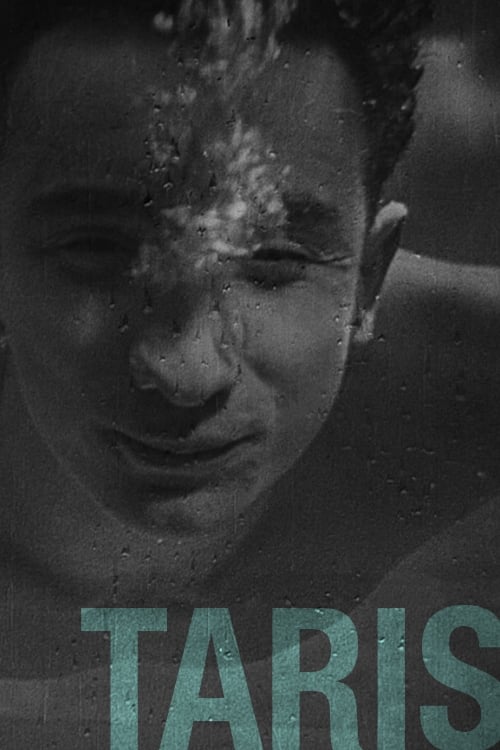
Short documentary directed by Jean Vigo about the French swimmer Jean Taris. The film is notable for the many innovative techniques that Vigo uses, including close ups and freeze frames of the swimmer's body.
1931