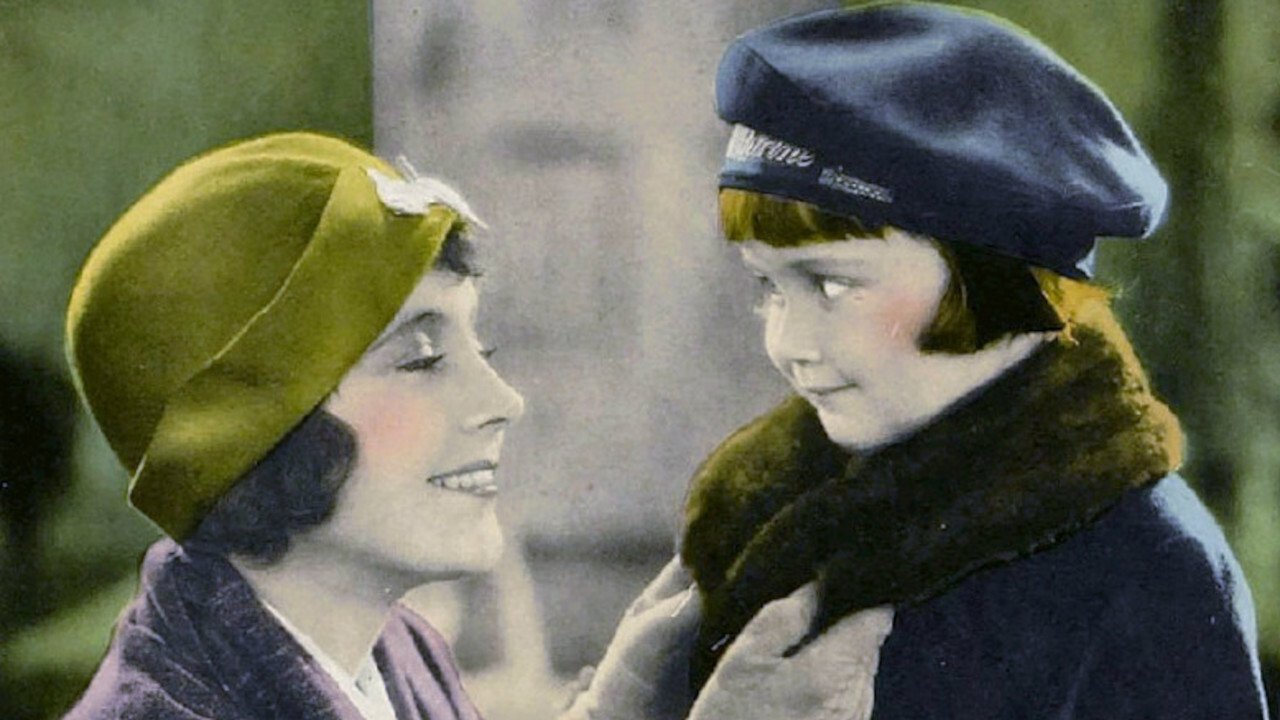
Sonny Boy's parents are in the midst of a bitter divorce when the boy's mother talks her sister into kidnapping him because she is terrified that her husband will take the boy out of the country after the divorce.
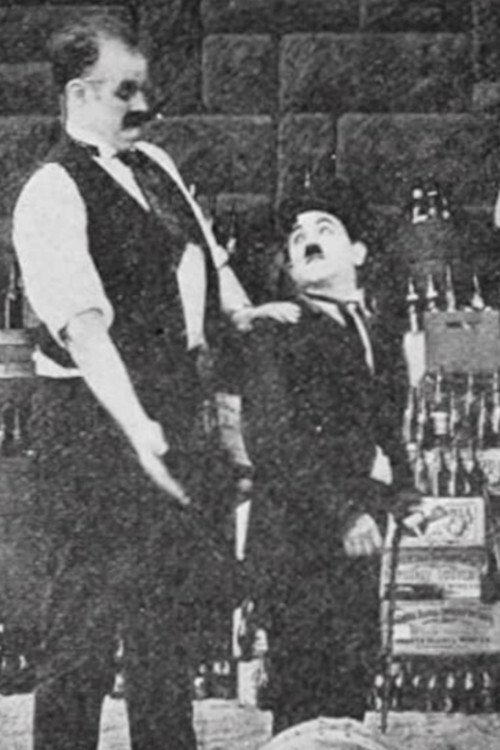
Not one but two of Charlie Chaplin impersonators, Harry Mann and Monty Banks, a film directed by Charley Chase still under the name of Charles Parrott. They go driving around town experiencing various car theft problems.
1919
In spite of their oversupply of energy, their Pa-to-be just doted on the kids. The fascinating traveling salesman, who won away their fickle Ma, did not, but through the widow's deception, the kids won the parent of their hearts.
1913
To be a fond and devoted parent, and to be unable to play with the heaven of your heart is indeed a cruel decree. That was the case of Papa Binks, but he outwitted Mrs. Binks and the nurse in a very effective, yet unostentatious manner, while he and the baby had the time of their lives.
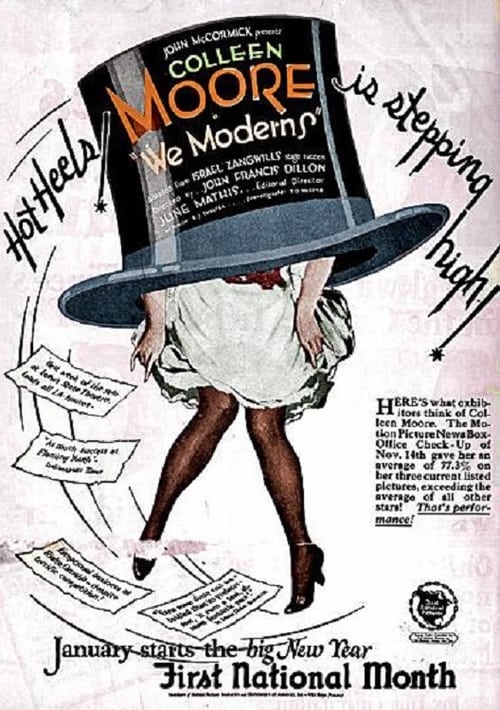
Mary Sundale is a young woman who spurns her childhood sweetheart to attach herself to a large group of riotous, semi-artistic young people and becomes infatuated with a superficial poet and critic. One night this poet becomes too bold in his advances and is thrashed by the man who has been rejected. On a later night, the group holds a party in a dirigible. The ship crashes and fear grips the revelers. Mary, now disgusted with the group and all it represents, mends her manner of living and plans a future with the man who has always sincerely loved her. A lost film.
1925
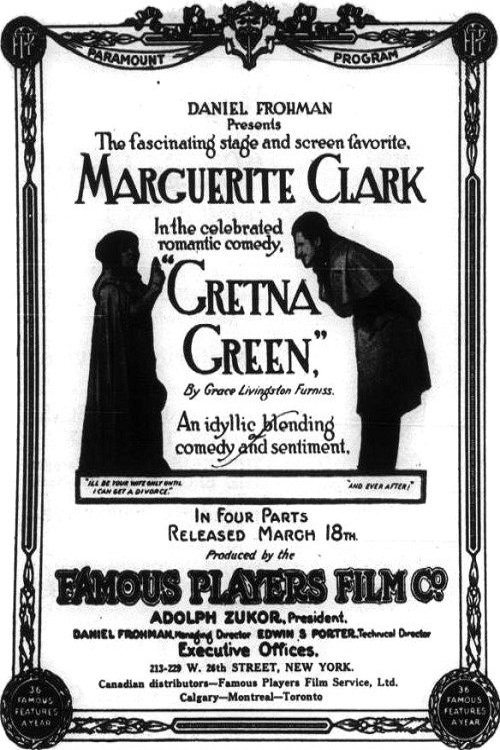
On a whim and to save the good name of her sister, Dolly Erskine, a light-hearted young woman, declares that a riding master is her husband, not realizing that they have crossed the border into Scotland and that the confession of marriage is binding. However, she has unwittingly become the wife of an earl, falling in love with him in time to prevent a divorce decree. While Dolly is falling in love, the earl continues to pose as a riding master, and as such wins the heart of his pretty bride. Based on the play "Gretna Green," by Grace Livingston Purniss.
1915
When Harlan Carr inherited his Uncle Ebenezer's "Jack-O Lantern" house and too his bride there to live, he found himself the unwilling host of a score of hungry relatives within a week. Soon, strange things began to happen. A black cat made the house his headquarters, unexplained sounds could be heard and a shadowy figure floated through the halls at night.
1922
Musty gets a job in a grocery store. Through a series of very bad encounters with various customers it becomes clear he is ill-suited to the job and ultimately he goes his own way.
One of the two earliest horror films ever made. This film is presumed lost. In this black comedy scene, the bottom falls out of a coffin, the corpse tumble out, and is jolted back to life. Short sequences like this, as well as street scenes and dancing geisha girls were the main subjects of early Nippon cinema, pioneered by Shiro Asano and Shibata Tsunekichi from 1897 onwards. In creating dramatic, scenes, film-makers naturally chose the most striking or bizarre. Another undocumented film, recalled by cameraman Shiro Asano.
1898
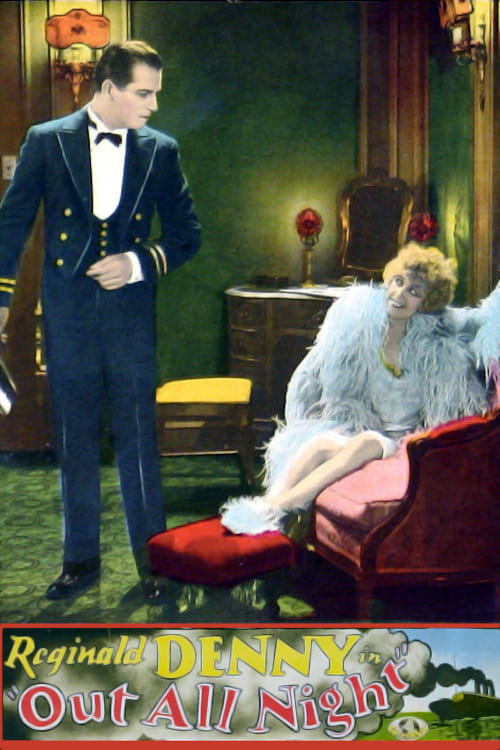
Frank Perry's wife Helen is away visiting her mother, and he uses this "free time" for a night of drinking at a nightclub. Unfortunately, when he tries to return home, he enters the wrong house and is nearly arrested When Helen comes back he tells her that the "incident" was actually an initiation rite of the Masons, knowing that his wife has always wanted him to join the group. She excitedly tells her father about Frank's becoming a Mason, since her father is also a Mason. What neither she nor Frank know is that her father has actually been doing the same thing Frank is--pretending to be a Mason when he actually isn't. Complications ensue.
Edward Swinger contrives to win the hand of the lovely Caroline Pickering by selling her father his business - a business that doesn't actually exist.
The inimitable Billy Quirk needs a wife in order to inherit his vociferous western uncle's fortune. Billy borrows his friend's wife. After a volcanic and side-splitting series of incidents, the breezy western uncle blows into town tagging with him a pretty stenographer. Well, you leave it to Billy. He gets rid of his borrowed wife in a hurry. And the uncle, what's the use! The story is as funny as a wooden leg would be on the Statue of Liberty.
1912
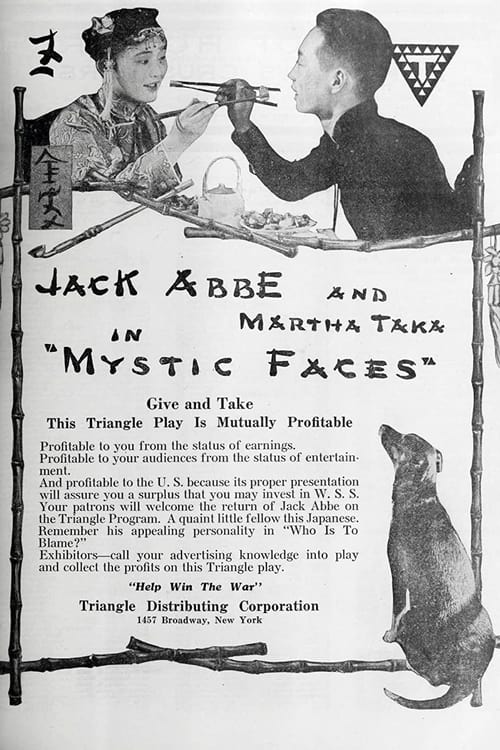
Yano is a small delivery boy for his uncle, who keeps a curio shop in Chinatown. His loves are Tama, his sweetheart, and Bengi, his dog. Bengi is seized by dog catchers, but is rescued by Letty Stanford, for which Yano promises his fealty. Later Letty is kidnapped by Germans because of her war activities, and it is Yano who goes to her rescue and gets her free in spite of his diminutive size. The Little Japanese has paid his debt.
1918
A young man marries an actress, but meanwhile her uncle has signed a contract binding her to spinsterhood, many complications arise.
1927
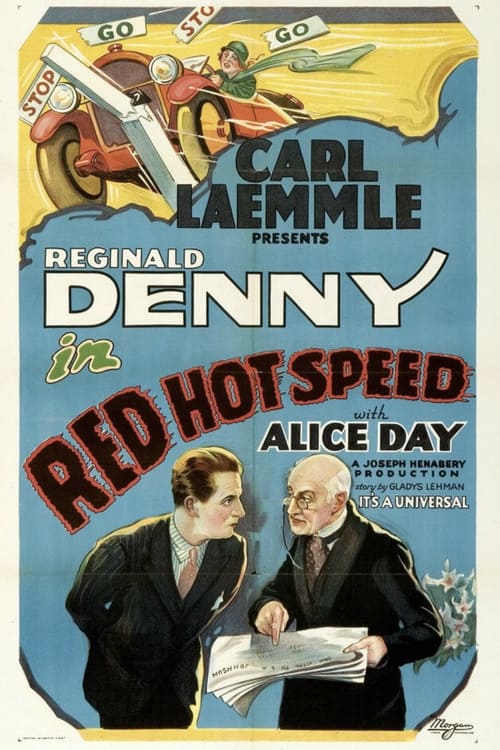
A newspaper publisher's daughter is arrested for speeding. In order to avoid embarrassing her father, since his newspaper is in the midst of an anti-speeding campaign, she uses an assumed name. She is paroled into the custody of an assistant district attorney, who doesn't know who she really is.
1929
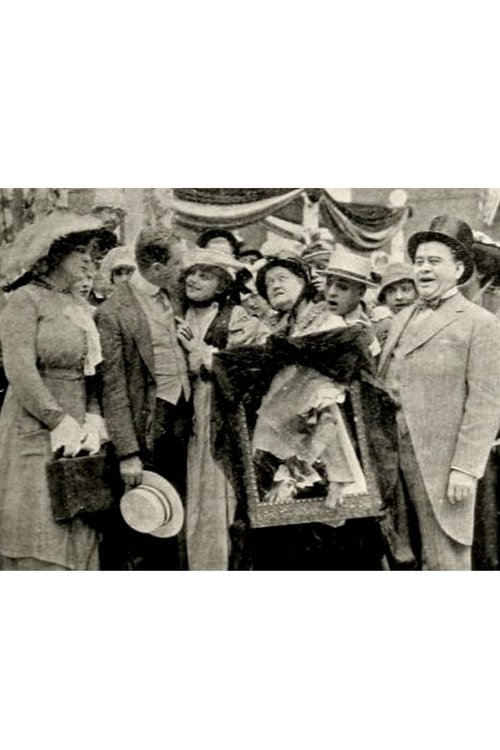
Skelley buys a seat in the orchestra and determines to get his money's worth. No use. Mrs. Van Snoozeheim refused to remove her big hat. But it came off. Skelley did it. That started something with Mrs. Van Snoozeheim's escort. Over the stage they fought, and into the Rathbone Café, and into Higgin's saloon. He took them over to his arena. There were two rounds to the finish.
1914
Daphne and Thelma want their husbands to take them somewhere nice for dinner. But husbands Johnny and Vernon leery of the expense try a variety of slapstick ways to get them to eat at Hotcake Harry's instead.