A documentary centered on the union formed by Bolivian farmers in response to their government's (which was urged by the U.S.) effort to eradicate coca crops, and the man who would come to represent them, Evo Morales.
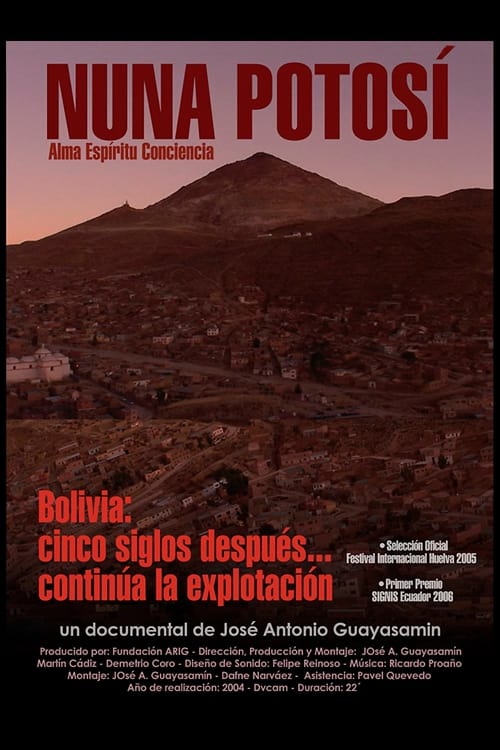
In the rich hill of Potosí in Bolivia there is a silver mine that was the largest in the world. It has been exploited since 1546 with the arrival of the Spanish who enslaved the indigenous people to steal the precious metal. To this day, hundreds of meters underground, the indigenous miners continue to exploit the mine in extremely precarious conditions, Martín Cádiz is one of them; hi works in the depths of the hill and desires that his children do not enter these tunnels of hell.
2005
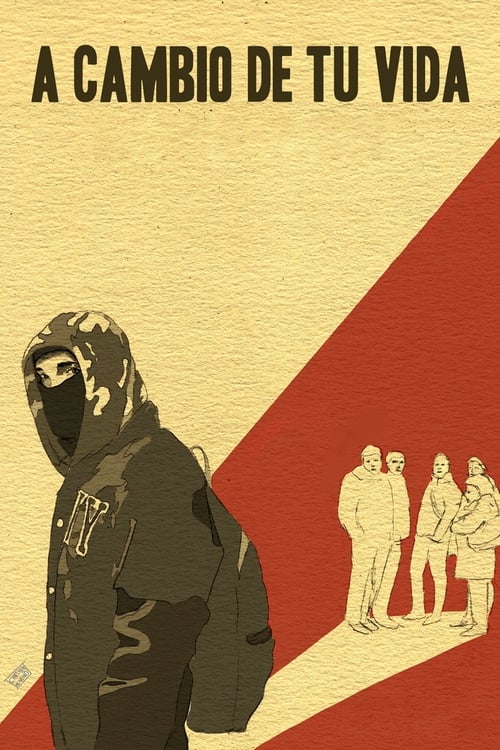
An explosion in one of the largest chemical plants in Europe, the Petrochemical complex in Tarragona, triggers the labour struggle of a group of workers who demand what is fair for everyone.
2021
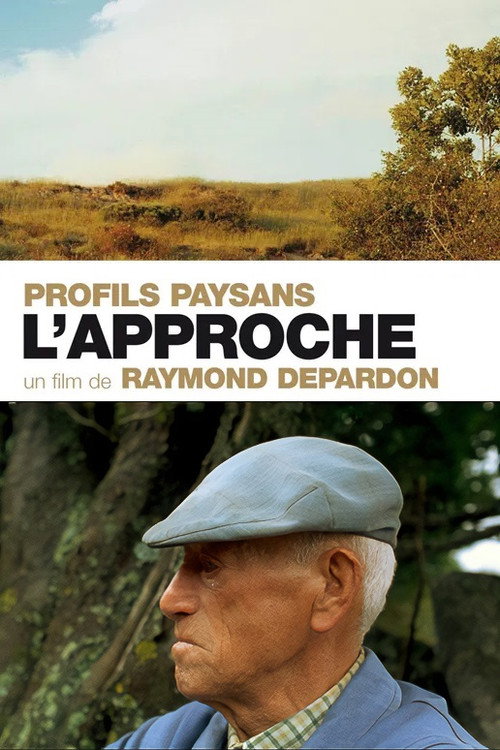
The first of a documentary serie about rural France.
2001
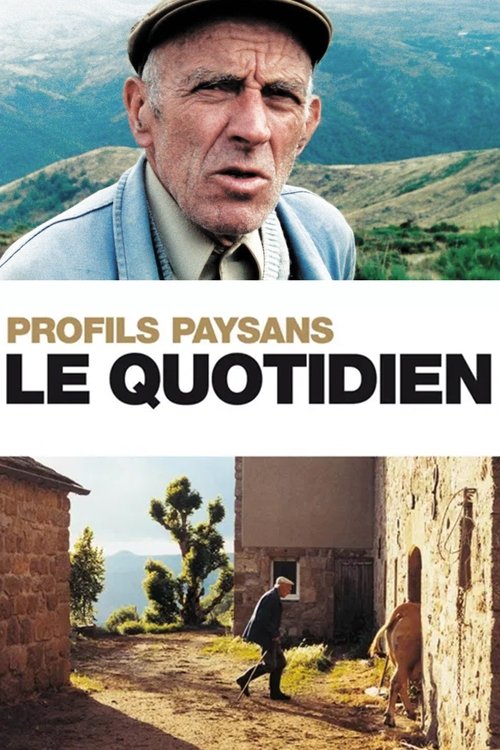
Second documentary of a trilogy produced on the long term (together with Profils paysans: l'approche (2001) and Profils paysans: La vie moderne (2008)), showing the simple lives of farmers in contemporary Southern France.
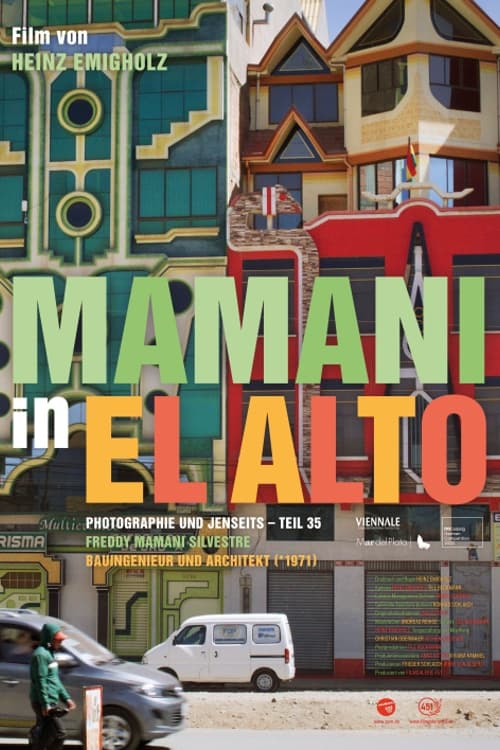
His buildings are garish, colorful and completely overloaded. Columns and glittering chandeliers everywhere, and way too much of everything. The Bolivian civil engineer and architect Freddy Mamani Silvestre (*1971) builds houses in El Alto for a nouveau riche upper class of the Aymara, the largest indigenous ethnic group in Bolivia.
2022
When a group of baristas in Buffalo, New York announce their intention to start a labor union, Starbucks responds with an elaborate, illegal anti-union attack. Featuring on-the-ground footage from workers and organisers, Partners takes us to the front lines of the historic union campaign that catalysed America’s Gen Z labour revival.
2025
Are tourists destroying the planet-or saving it? How do travelers change the remote places they visit, and how are they changed? From the Bolivian jungle to the party beaches of Thailand, and from the deserts of Timbuktu, Mali to the breathtaking beauty of Bhutan, GRINGO TRAILS traces stories over 30 years to show the dramatic long-term impact of tourism on cultures, economies, and the environment.
2014
When workers at the Hormel meatpacking plant in Austin, Minnesota are asked to take a substantial pay cut in a highly profitable year, the local labor union decides to go on strike and fight for a wage they believe is fair. But as the work stoppage drags on and the strikers face losing everything, friends become enemies, families are divided and the very future of this typical mid American town is threatened.
1990
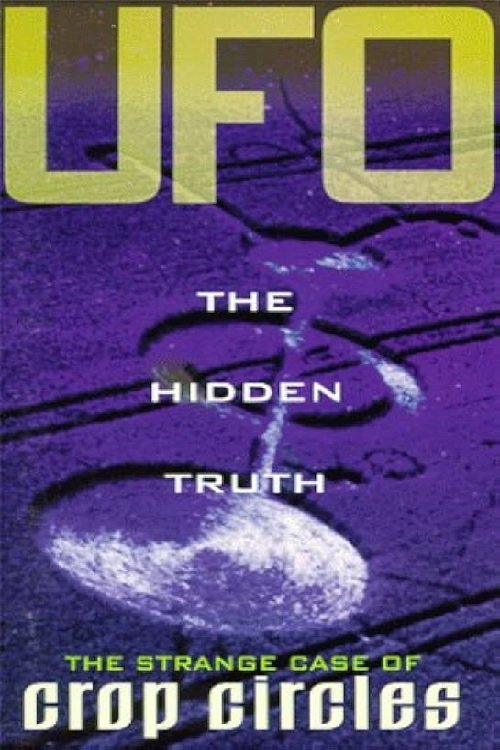
Channel 4 Equinox documentary about the mystery of crop circles, broadcast shortly before Dave Chorley and Doug Bower revealed themselves to have started the craze.
1991
For more than 50 years, Hermann Völxen and his sister Hildegard have owned a farm with many cows. The documentary shows the sometimes troublesome day-to-day life of the farmer.
2010
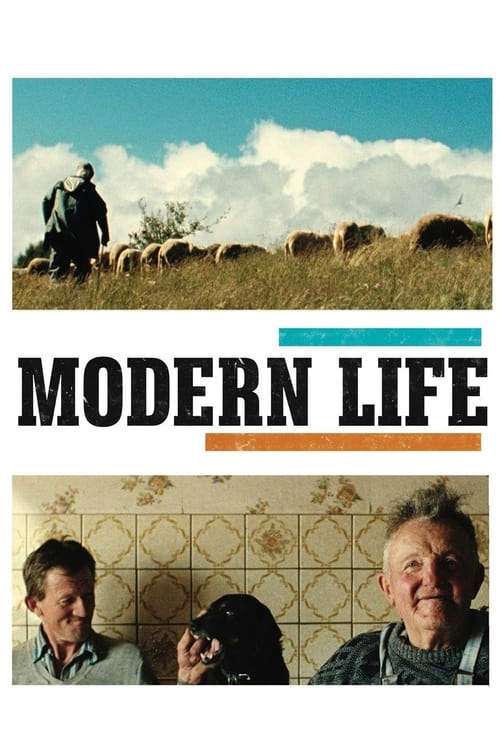
For ten years, Raymond Depardon has followed the lives of farmer living in the mountain ranges. He allows us to enter their farms with astounding naturalness. This moving film speaks, with great serenity, of our roots and of the future of the people who work on the land. This the last part of Depardon's triptych "Profils paysans" about what it is like to be a farmer today in an isolated highland area in France. "La vie moderne" examines what has become of the persons he has followed for ten years, while featuring younger people who try to farm or raise cattle or poultry, come hell or high water.
2008
For decades, migrant workers have worked the fields of Immokalee, harvesting tomatoes, peppers, eggplants, oranges and other produce that is then shipped across the United States of America. Many of the workers are undocumented, and attempting to keep their jobs even as federal migration crackdowns hover over the town. The Fields of Immokalee film follows the daily lives of tomato workers, from the 5:00am trips to the parking lot in hopes of finding day labor, to work sessions in the scorching mid-day heat, to child detention centers for migrant youth that have been separated from their families. Via these vignettes, the film offers insight into the most volatile political issue of our time.
—
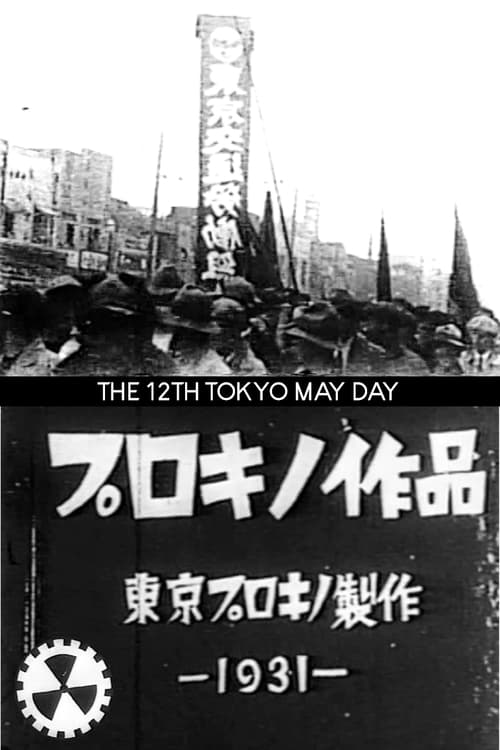
On May 1st, unions all over Japan celebrate May Day, the international day for workers. Workers gather together at parks and hold demonstrations and parades. May Day has its origins in a strike that occurred in the United States on May 1, 1886, a strike that called for an eight-hour workday. Prokino recorded the May Day every year from 1927 to 1932. Among these films, this work is the only one that has survived. However, only its first part has survived. The original film depicts the march to the Ueno Park where the rally was dismissed. Iwasaki Akira coordinated the entire Tokyo Prokino organization as it photographed the 1931 May Day celebrations. They shot in both 16mm and 35mm (other 35mm productions were planned, but this is the only one that achieved completion). A 16mm print was circulated around the countryside by mobile projection units, and a 35mm print was shown at Soviet film nights in Tokyo and Osaka.
1931
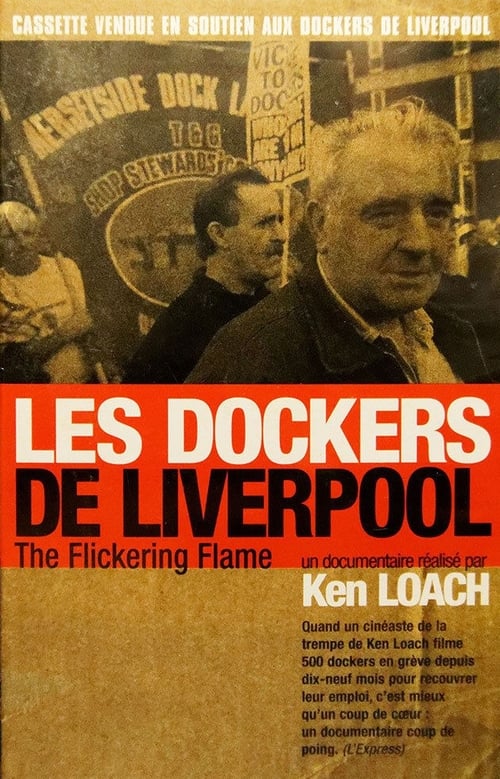
Documentary following dockers of Liverpool sacked in a labour dispute and their supporters’ group, Women of the Waterfront, as they receive support from around the world and seek solidarity at the TUC conference.
1996
Documentary about the nurses' strike in Finland on autumn 2007.
Thousands of ducks, one farmer, and an ultimate goal to produce chemical-free rice. Against all odds, a determined farmer in Thailand trained ducks to be ‘rice protectors.’ Together, they joined hands (and wings) in the pursuit of sustainable farming. Amusing, adorable, yet informative, viewers will fall in love watching man and ducks, teacher and students, work together to keep our food safe from harmful chemicals.
2019