This James A. FitzPatrick Traveltalks short visits the West German cities of Hamburg, Bremen, Munich, and Heidelberg. Included are scenes of World War II destruction that lingered at the time.
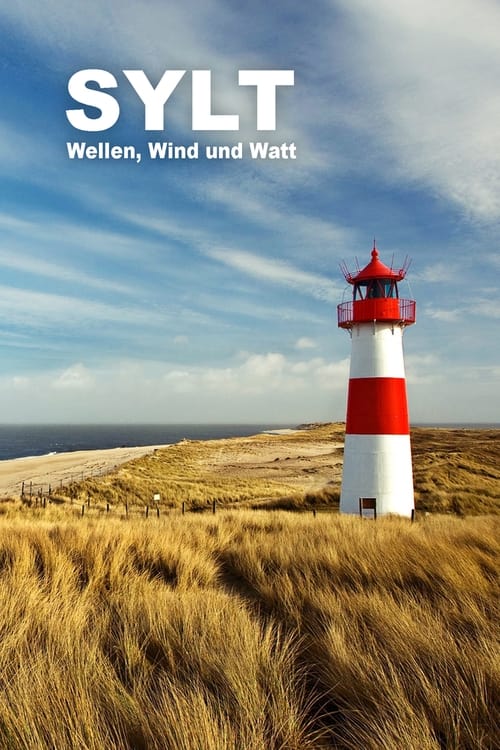
Endless beaches, dunes, heath and the Wadden Sea characterize the landscape of Sylt. Germany's largest North Sea island is also a paradise for numerous animal and plant species. Around half of its area is under landscape or nature protection. In spring and autumn, thousands of migratory birds stop here on their way between Siberia and East Africa. Sheep graze on the dike meadows, female seals give birth to their young off Sylt. And the Sylt Wadden Sea is one of the last large wilderness areas in Europe. But in winter storms hit the island. If the “Blanke Hans”, as the storm on Sylt is called, causes the North Sea to rage, it hits the island with tremendous force. Only a few places on the German North Sea coast are as exposed to the force of the sea as the west coast of Sylt. The documentary shows Sylt's nature in fascinating images. People who are particularly connected to the island and its nature are accompanied in their everyday lives.
2023
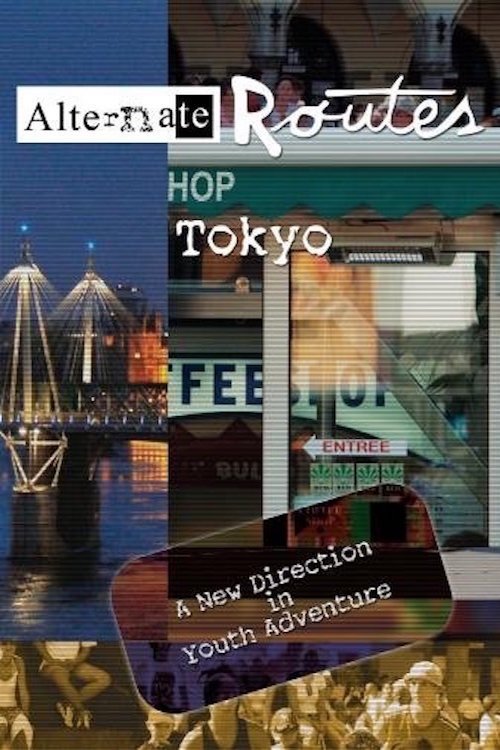
Tokyo International travelers brave constant rain and still have a great experience in one of the world's largest cities. The backpackers learn about Japan's fascinating history at the Edo and war memorial museums before heading to the world's largest fish market. Partying in several of the incredible nightlife areas of Tokyo opens their eyes to the unique Japanese youth culture. Experience the rush of traveling the world for the first time with a crew of international back-packers, ages 16 - 22 on their quest for adventure, romance and the perfect moment.
2010
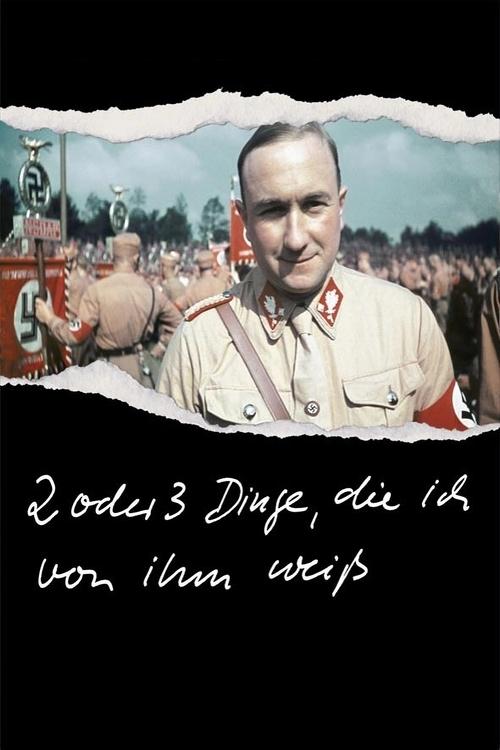
What would your family reminiscences about dad sound like if he had been an early supporter of Hitler’s, a leader of the notorious SA and the Third Reich’s minister in charge of Slovakia, including its Final Solution? Executed as a war criminal in 1947, Hanns Ludin left behind a grieving widow and six young children, the youngest of whom became a filmmaker. It's a fascinating, maddening, sometimes even humorous look at what the director calls "a typical German story." (Film Forum)
2005
This travelogue begins with the vast agricultural wealth of the country, whose farmers can produce four times the amount required to feed the country's population. As such, the export of these agricultural products is a vital part of the country's economy. This agricultural tradition extends to its food consumption, as Denmark's vast array of open faced sandwiches is world renowned. It also extends to flower production and the Dane's love of flowers, which are sold in public markets. Denmark has a strong social support system, as witnessed by the free and mandatory public schooling, free medical services for expectant mothers and children, the provision of cooperative housing and housing for seniors, and the provision of old age pensions without premiums.
1953
This Traveltalk series short looks at four of Spain's most famous cities, Granada, Seville, Toledo, and Madrid, with an emphasis on the Moors and their influence on the country.
This quick look at Lisbon begins with aerial footage of the port city as the off-screen narrator provides some history of a seafaring, colonizing nation, of destructive earthquakes, and of contemporary construction. Then it's on to famous buildings and monuments, a look at female fishmongers who ply neighborhoods with baskets of fish on their heads, a survey of two nearby resort areas, watching a town's annual running of the bulls, and a visit to a bullfight, where the bulls are not killed.
An increasing number of people in Germany no longer want anything to do with their state. A mixture of idiosyncrats and anti-system activists are turning their backs on the Federal Republic. How did the "Reichsbürger" movement become radical? What are their motives? What emerges is a European community of anarchists, businessmen, esotericists and adventurers - between a self-declared fight for freedom and obstinacy.
2017
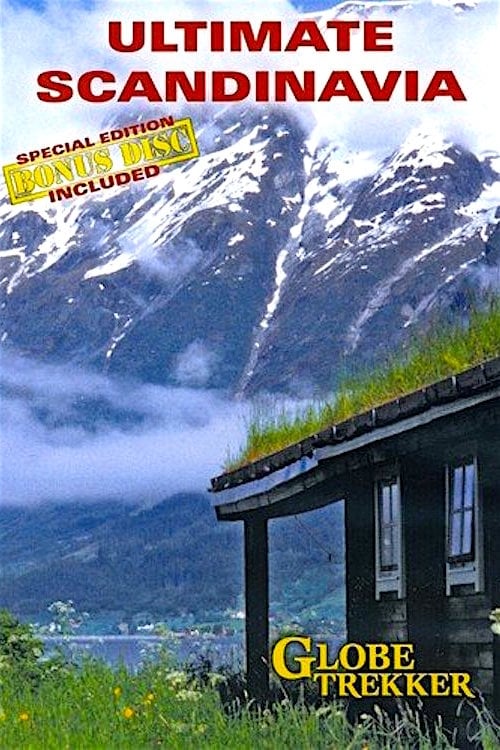
In this ultimate guide to Scandinavia travelers Megan McCormick, Ian Wright and Neil Gibson explore Denmark, Sweden, Norway, Lapland, Finland and the Baltic States. From enjoying a traditional Viking festival to crossing the Arctic Circle into Lapland for dinner with reindeer herders to a visit to the capital of Lithuania, Vilinus, and the Midsummer Night Festival in Kernave, these hosts will introduce the viewer to a variety of sites and attractions during their Scandinavian tour.
2007
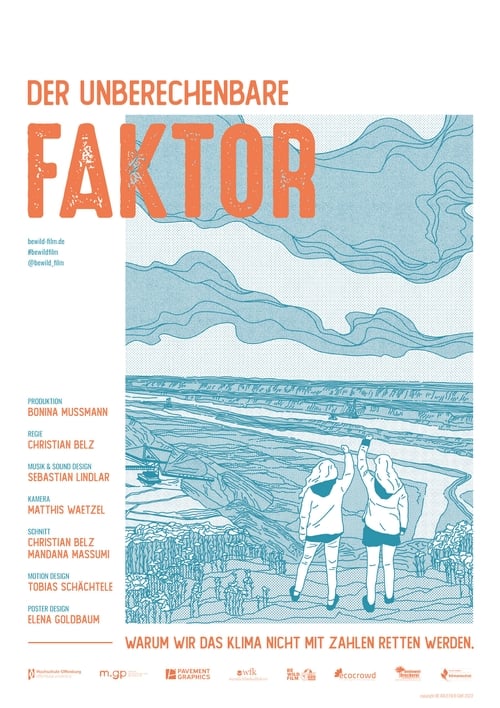
In today's climate debate, there is only one factor that cannot be calculated in climate models - humans. How can we nevertheless understand our role in the climate system and manage the crisis? Climate change is a complex global problem. Increasingly extreme weather events, rising sea levels, and more difficult living conditions - including for us humans - are already the order of the day. Global society has never faced such a complex challenge. For young people in particular, the frightening climate scenarios will be a reality in the future. For the global south, it is already today. To overcome this crisis, different perspectives are needed. "THE UNPREDICTABLE FACTOR" goes back to the origins of the German environmental movement, accompanies today's activists in the Rhineland in their fight against the coal industry and gives a voice to scientists from climate research, ethnology and psychology.
2022
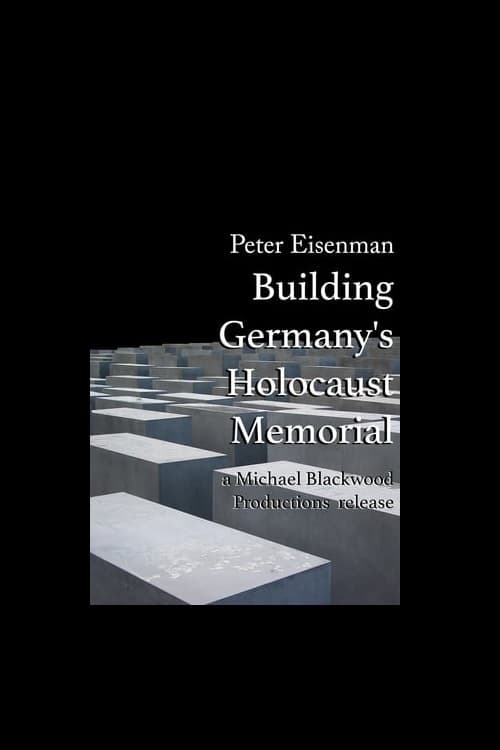
This documentary explores the creation of the Holocaust Memorial in Berlin as designed by architect Peter Eisenman. Reaction of the German public to the completed memorial is also shown.
2009
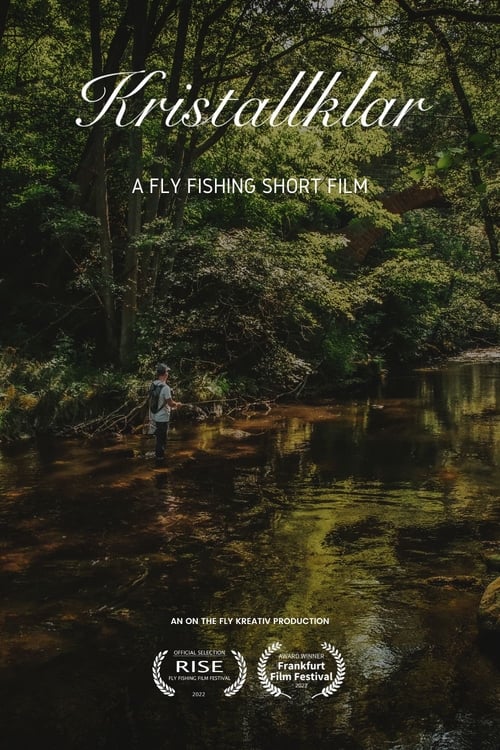
Kristallklar tells the tale of a hidden river holding wild brown trout near the border of Luxembourg and Germany. Find out about this magical river from the perspective of Kirill, who recently acquired the lease to the fishing rights of the river and a small tributary thereof. It captures the essence of a fly fishing adventure on the river embarked on by the incredibly passionate Kirill and two companions: Nic, a fly fishing scientist and Simon, the filmmaker. The film tries to capture the feeling of the magnificent surroundings and being at peace on the river. It also delves into topics of conservation of nature and the plans to re-stock the river with native crayfish which vanished from the river. A lot of love went into this film the hope is that it inspires those around the world to find a love for the outdoors and to preserve it for many years to come and just to get out there and fly fish.
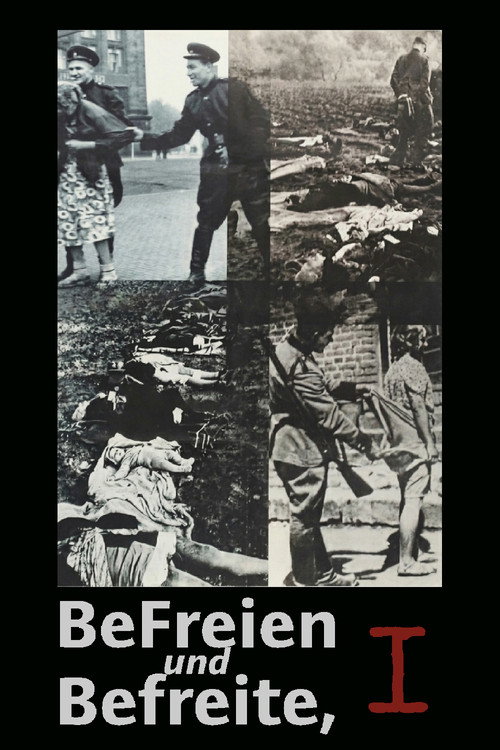
Based on years of research into the mass rapes committed by the Red Army at the end of the Second World War. In the first part of the documentary Helke Sander interviews multiple German women who were raped in Berlin by Soviet soldiers in May 1945. Most women never spoke of their experience to anyone, after 46 years of silence they talk for the first time publicly about their violent experiences that have left such a mark.
1992
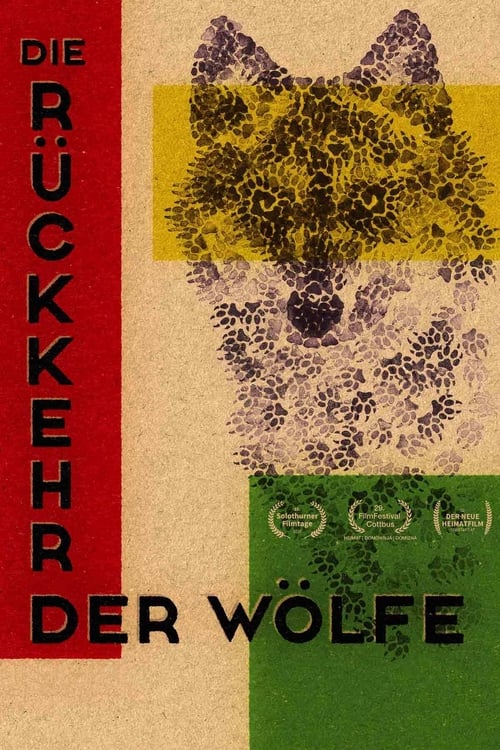
Wolves divide and fascinate us. 150 years after they were driven to extinction in Central Europe, they are returning slowly but inexorably. Are they dangerous to humans? Is it possible to coexist? Using Switzerland as a point of departure, where wolves have returned in the very recent past, this documentary sheds light on the wolf situation in Austria, eastern Germany, Poland, Bulgaria, and even Minnesota, where freely roaming packs of wolves are more common sight.
2019
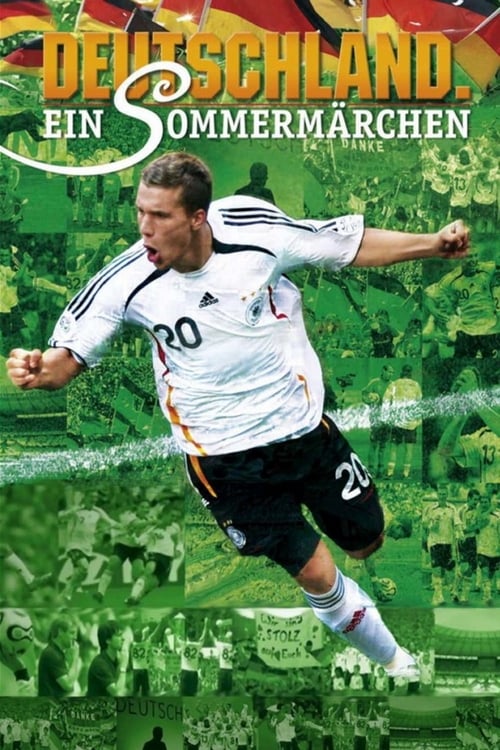
A documentary of the German national soccer team’s 2006 World Cup experience that changed the face of modern Germany.
2006
No description available.
2024
Filmmaker Alain Resnais documents the atrocities behind the walls of Hitler's concentration camps.
1956