In this Traveltalk series short visit to Scotland, we visit several places with familiar names, including Inverness, capital of the ancient Pictish Kingdom; Loch Ness, home of the famous elusive monster; and Saint Andrews, the birthplace of golf.
This travelogue begins with the vast agricultural wealth of the country, whose farmers can produce four times the amount required to feed the country's population. As such, the export of these agricultural products is a vital part of the country's economy. This agricultural tradition extends to its food consumption, as Denmark's vast array of open faced sandwiches is world renowned. It also extends to flower production and the Dane's love of flowers, which are sold in public markets. Denmark has a strong social support system, as witnessed by the free and mandatory public schooling, free medical services for expectant mothers and children, the provision of cooperative housing and housing for seniors, and the provision of old age pensions without premiums.
1953
This Traveltalk series short looks at four of Spain's most famous cities, Granada, Seville, Toledo, and Madrid, with an emphasis on the Moors and their influence on the country.
This quick look at Lisbon begins with aerial footage of the port city as the off-screen narrator provides some history of a seafaring, colonizing nation, of destructive earthquakes, and of contemporary construction. Then it's on to famous buildings and monuments, a look at female fishmongers who ply neighborhoods with baskets of fish on their heads, a survey of two nearby resort areas, watching a town's annual running of the bulls, and a visit to a bullfight, where the bulls are not killed.
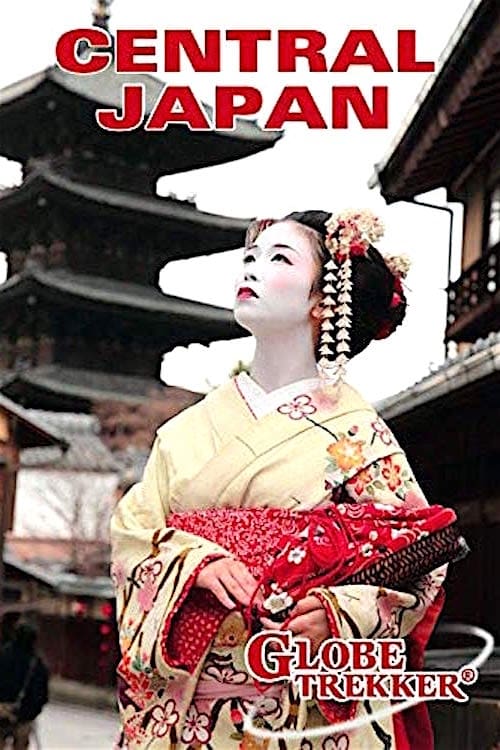
Join Megan McCormick on a journey of discovery across Japan's spectacular heartland starting in Japan's beautiful former capital Kyoto. She explores Buddhist temples, World Heritage Sites, and bargains at the city's best flea market. She then travels to Osaka, and Iga-Ueno, a former ninja stronghold, where she learns the secrets of these famously skilled assailants. She also visits the remote Sado Island and Himeji.
2014
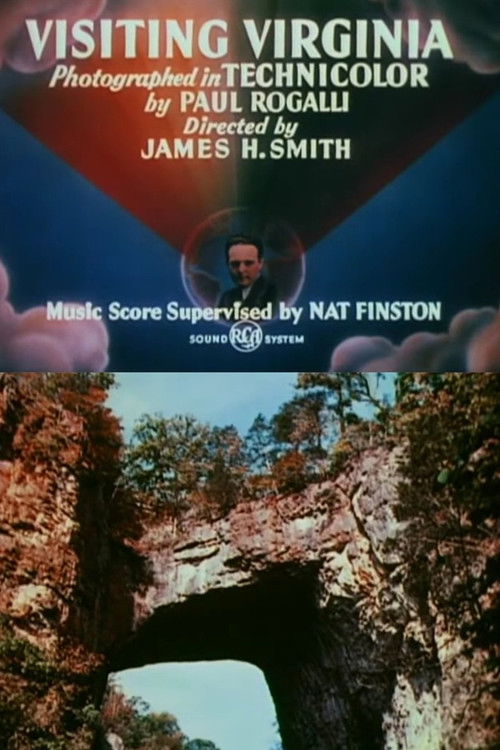
This Traveltalk series short visits the State of Virginia. In 1947, agriculture was the mainstay of the economy. Tobacco, molasses from cane and peanuts were the agricultural mainstays. The State capitol, Richmond, can boast the oldest legislature in the Western Hemisphere. There are many attractions including old caverns with beautiful rock displays.
1947
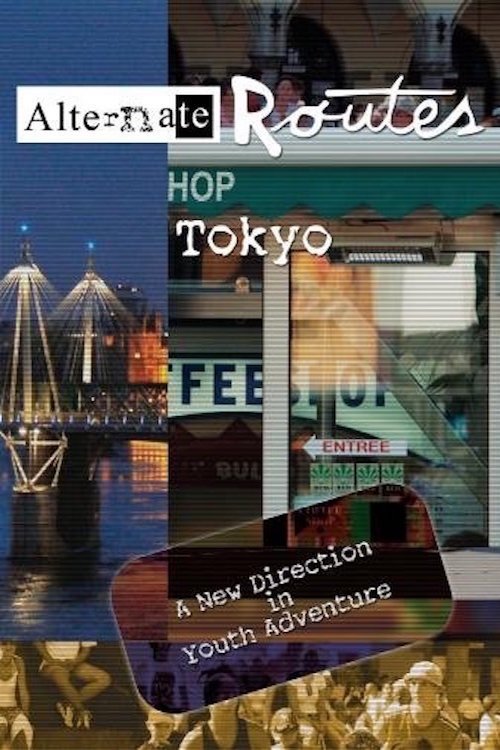
Tokyo International travelers brave constant rain and still have a great experience in one of the world's largest cities. The backpackers learn about Japan's fascinating history at the Edo and war memorial museums before heading to the world's largest fish market. Partying in several of the incredible nightlife areas of Tokyo opens their eyes to the unique Japanese youth culture. Experience the rush of traveling the world for the first time with a crew of international back-packers, ages 16 - 22 on their quest for adventure, romance and the perfect moment.
2010
A woman narrates the thoughts of a world traveler, meditations on time and memory expressed in words and images from places as far-flung as Japan, Guinea-Bissau, Iceland, and San Francisco.
1983
This Traveltalk series short visits the village of Chichicastenango, Guatemala and emphasizes the influence of the Mayan culture on its people. It shows how the residents intermingle ancient religious practices with Catholic teachings. Narrator James FitzPatrick introduces, and greets on camera, Father Ildefonso Rossbach, a Catholic priest who ministers to the local population in the village and outlying areas.
1946
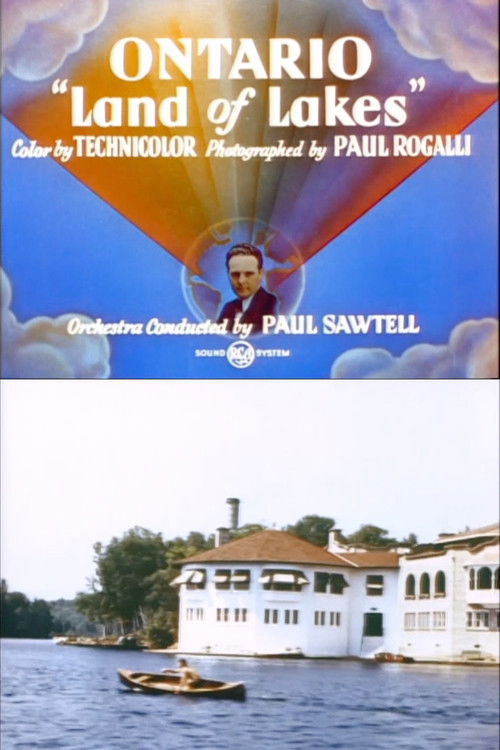
This Traveltalk series short visit to the province of Ontario begins in Ottawa, Canada's capital, then proceeds to Algonquin Park, Toronto, and Niagara Falls.
1949
This Traveltalk series short visits several popular vacation spots in Michigan. Among them are Saugatuck, which hosts a school for artists during the summer; Zeeland, where descendants of Dutch settlers perform traditional Dutch dances wearing wooden shoes; the Silver Lake sand dunes, where specially outfitted cars race; and Colon, "The Magic Capitol of the World", which hosts an annual gathering of magicians.
This Traveltalk series short visits an array of locations associated with England's heritage. Included are Runnymede, Windsor, Ascot, Lincoln, Wells, Salisbury, Glastonbury, and the ancient Stonehenge site.
1950
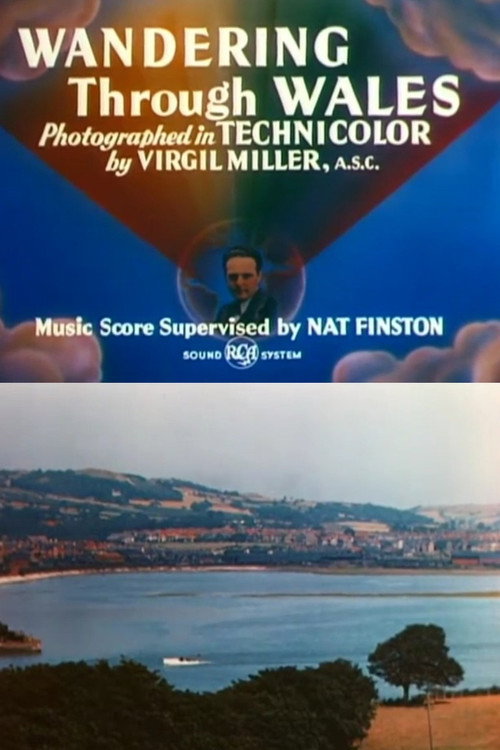
Located in the United Kingdom, the Principality of Wales, home to 2.5 million people, is filled with rolling mountains, and green valleys. Because of its culture and language, it is unique within the UK. Much of the economy is based on small independent farms, but also includes coal and slate mining. Its many castles - including Caernarfon and Conwy - comprise its most famous built landmarks. Another landmark is the Menai suspension bridge - spanning the Menai Straits - the longest such structure in the UK. As Wales is a largely coastal jurisdiction, the Welsh have taken advantage of water opportunities, whether it be for fishing, or for recreation at one of the many coastal resorts, such as the most famous, Llandudno. There are also mountain resorts, such as Betws-y-Coed. Mount Snowdon, the highest peak in Wales, offers great hiking and climbing opportunities.
1948
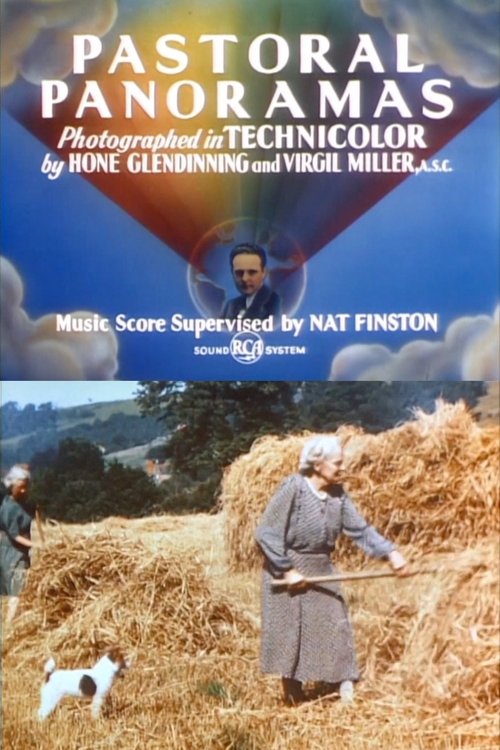
This Traveltalk series short highlights rural areas of England. We stop at the village of Bradford-on-Avon, with its thatched roofs, also Stoke Poges, the burial place of British poet Thomas Gray.
This Traveltalk series short takes us to Edinburgh, Scotland. We learn the importance of religion, science and the arts here and see various historic sites including Edinburgh Castle.
This Traveltalk series short visit to New Zealand starts in Auckland, a bustling, modern city. Next is Christchurch, home of Canterbury University, where rowing teams participate in a regatta. Nearby is Lake Wakatipu, which inspires artists to put their impressions on canvas. We then visit Rotorua, a city famous for its geysers, hot springs, bubbling mud pools, and other geothermal activity. At Ferry Springs there is lots of trout for fishing. Later, a group of natives performs a canoe dance.
1952
The Andes Mountains travel the western side of South America. Unlike many other mountain ranges of their altitude, the Andes do support human life on their high altitude slopes. Modern life is slowly making its way to the high altitude Andes, but the natives for the most part continue with the traditional ways of their ancestors, growing limited crops such as beans and potatoes - where the crop originated - raising sheep and pigs, and living in crude huts. The llama is the most useful of their work animals. The most conspicuous aspect of the native dress is their derby hats, the origins which are unknown. Further down the slopes, agriculture and ranching is more productive and is carried out by descendants of the Spanish settlers. There is a famous lake district in the Chilean part of the Andes, where resort hotels are located.