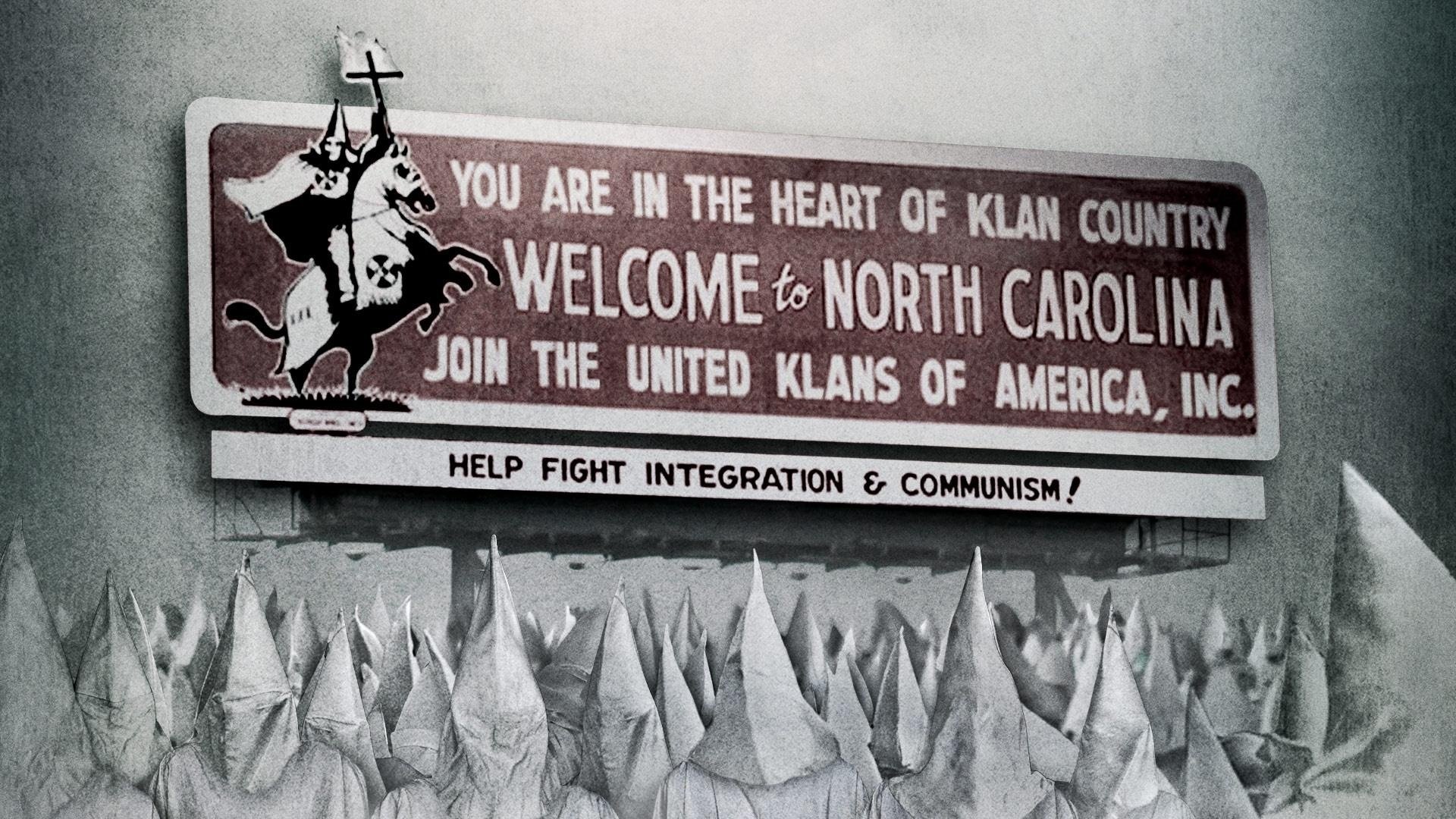
Investigates the reasons North Carolina, long seen as the most progressive state in the South, became home to the largest Klan organization in the country, with more members than all the other Southern states combined, during the 1960s.
When a group of Eritrean refugees arrive in the small town of Härnösand there is a growing sentiment against them from the locals. 17-year old Sara Westin decides to found an anti-racist group to combat these feelings but when Sara and her best friend are murdered by Sara's Eritrean ex-boyfriend the feelings in the city reach a boiling point.
2025
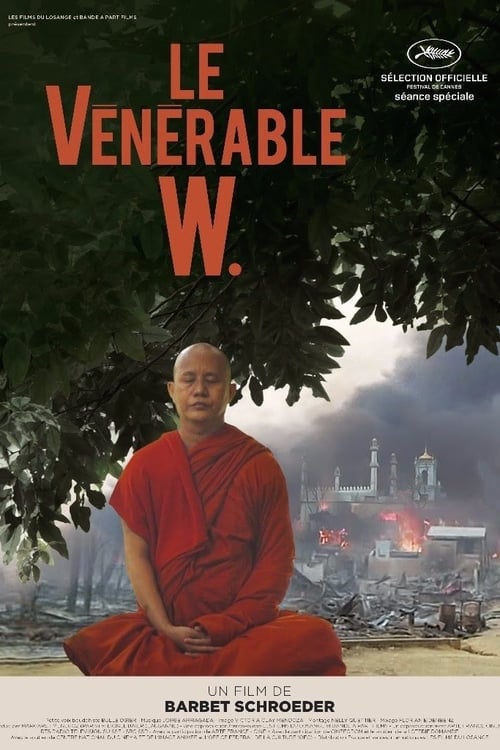
A view of the religious tensions between Muslims and Buddhist through the portrait of the Buddhist monk Ashin Wirathu, leader of anti-Muslim movement in Myanmar.
2017
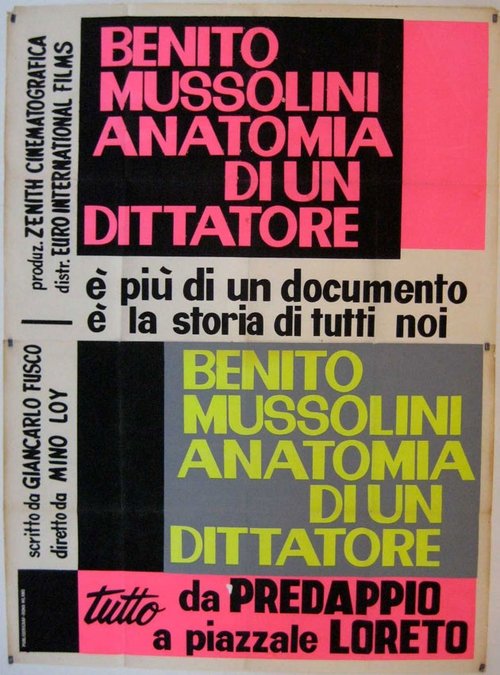
No description available.
1962
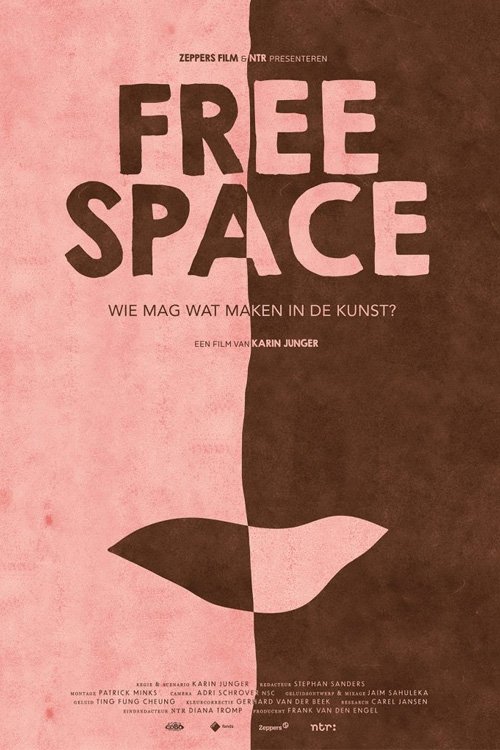
Under pressure from activist groups, art is increasingly being cancelled for ideological reasons, because of 'cultural appropriation' or because of the desire for a 'safe space'. The colour and gender of the artist seem to be all-determining in this. How do you relate to this as an artist? Is this a disturbing development or a sign of emancipation? And what does it mean for freedom of expression? Director Karin Junger investigates this with Anne-Fay Kops, Ted van Lieshout, Angel-Rose Oedit Doebé, Raymi Sambo, Boris van Berkum, Marian Markelo, Stephan Sanders and Thomas Chatterton Williams.
2024
The Blackprint explores what it means to be Black and British. will.i.am traveled the UK to meet civil rights heroes, schoolchildren and technology trailblazers while also exploring issues they face because of their race. A basic look at racial discrimination experienced by young Black men and women but also, where it began with the slave trade in the 1800s.
2021
—
The documentary Schwarze Adler (Black Eagles) lets black players of the German national football team tell their personal stories for the first time. What road did they take before they got to where we cheer for them? What hurdles did they have to overcome? What prejudices and racist hostility were they exposed to – and what was it like in the past, what is it like today?
An American story. Traces the career of Joe Louis (1914-1981) within the context of American racial consciousness: his difficulty getting big fights early in his career, the pride of African-Americans in his prowess, the shift of White sentiment toward Louis as Hitler came to power, Louis's patriotism during World War II, and the hounding of Louis by the IRS for the following 15 years. In his last years, he's a casino greeter, a drug user, and the occasional object of scorn for young Turks like Muhammad Ali. Appreciative comment comes from boxing scholars, Louis's son Joe Jr., friends, and icons like Maya Angelou, Dick Gregory, and Bill Cosby.
2008
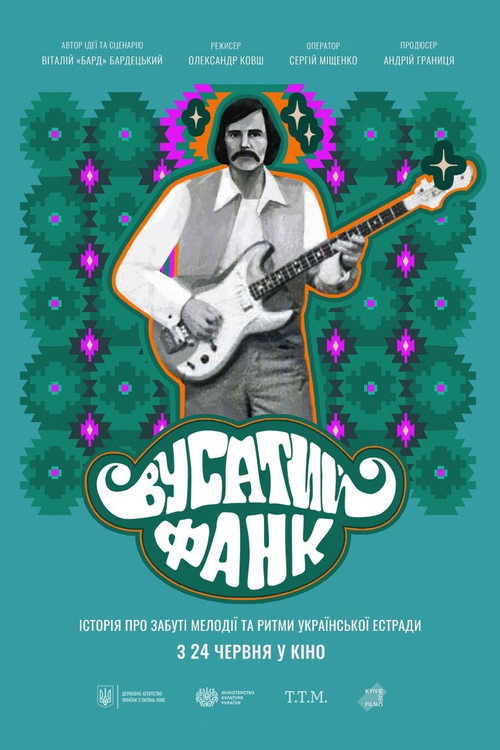
The early 70s is a golden epoch of our popular music. Hundreds of songs of exquisite beauty. Groundbreaking sound. Futuristic suits. How and whence could all of this emerge in a Soviet socialist republic? How did a brand new music scene, original in sound and philosophy in every way, and at the same time absolutely in sync with global music trends come forth? They weren't that fond of the Soviet label «VIA». And since neither of us is fond of this acronym, let us rechristen this music.
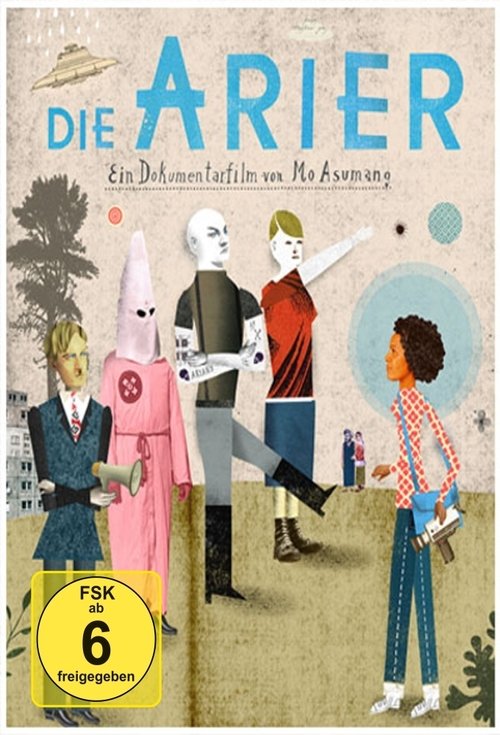
THE ARYANS is Mo Asumang's personal journey into the madness of racism during which she meets German neo-Nazis, the US leading racist, the notorious Tom Metzger and Ku Klux Klan members in the alarming twilight of the Midwest. In The ARYANS Mo questions the completely wrong interpretation of "Aryanism" - a phenomenon of the tall, blond and blue-eyed master race.
2014
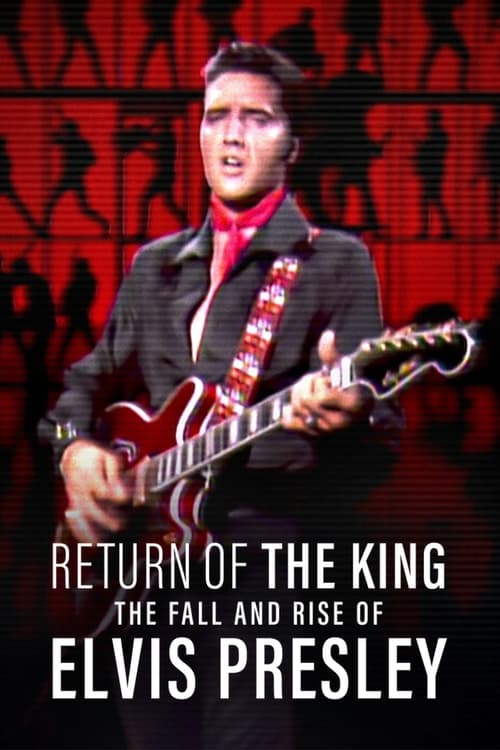
He had one chance to show the world he was still the King of Rock 'n' Roll. Discover the story behind Elvis Presley's triumphant '68 comeback special.
Emma Dabiri looks at racism in Britain via the world of modern dating, love apps, and a national survey suggesting that young Britons could be more segregated than ever.
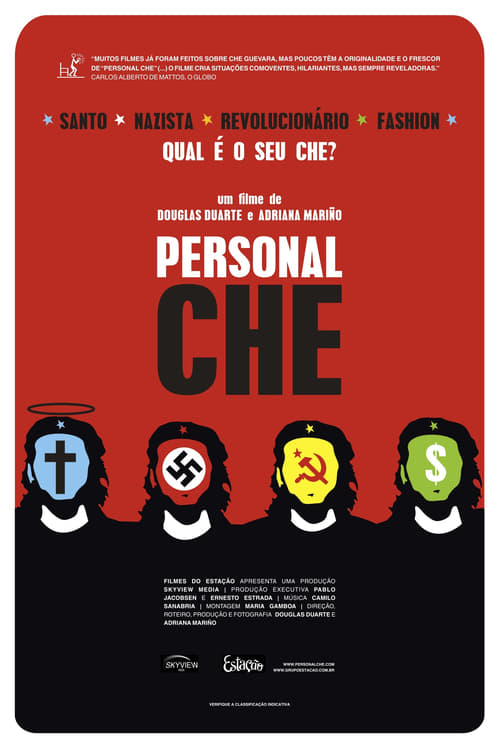
A documentary that explores the myth behind the truth. Different people around the globe reinterpret the legend of Che Guevara at will: from the rebel living in Hong Kong fighting Chinese domination, to the German neonazi preaching revolution and the Castro-hating Cuban. Their testimonies prove that the Argentinian revolutionary's historical impact reverberates still. But like with all legends, each sees what he will, in often contradictory perspectives.
2007
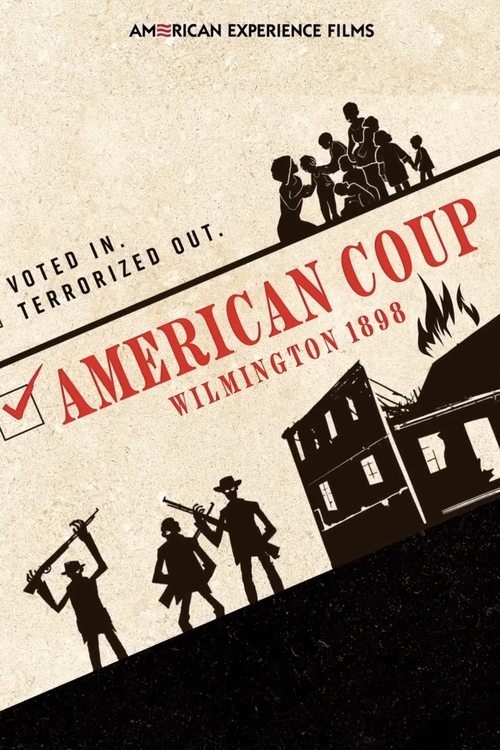
The little-known story of a deadly race massacre and carefully orchestrated insurrection in North Carolina’s largest city in 1898 — the only coup d’état in the history of the US. Stoking fears of 'Negro Rule', self-described white supremacists used intimidation and violence to destroy Black political and economic power and overthrow Wilmington’s democratically-elected, multi-racial government. Black residents were murdered and thousands were banished. The story of what happened in Wilmington was suppressed for decades until descendants and scholars began to investigate. Today, many of those descendants — Black and white — seek the truth about this intentionally buried history.
A roller-coaster ride through the history of American exploitation films, ranging from Roger Corman's sci-fi and horror monster movies, 1960s beach movies, H.G. Lewis' gore-fests, William Castle's schlocky theatrical gimmicks, to 1970s blaxploitation, pre-"Deep Throat" sex tease films, Russ Meyer's bosom-heavy masterpieces, etc, etc. Over 25 interviews of the greatest purveyors of weird films of all kind from 1940 to 1975. Illustrated with dozens of films clips, trailers, extra footage, etc. This documentary as a shorter companion piece focusing on exploitation king David F. Friedman.
1997
The Tet Offensive during the Vietnam War, the Civil Rights Movement, the May events in France, the assassinations of Martin Luther King and Robert F. Kennedy, the Prague Spring, the Chicago riots, the Mexico Summer Olympics, the presidential election of Richard Nixon, the Apollo 8 space mission, the hippies and the Yippies, Bullitt and the living dead. Once upon a time the year 1968.
2018