K
HomeMoviesTVSearchRandom
KKINORA

This website does not retain any files on its server. It provides movie metadata and links to media hosted by third-party services. Powered by the TMDB API.

TrendingSearchMoviesTV ShowsTop RatedRandomNewest
© 2026 Kinora. Not affiliated with TMDB.Built with Next.js · Tailwind · Framer Motion
← Back to details
Now PlayingCowboy and Maria in Town

Cowboy and Maria in Town

★ 0.01991Documentary

Exploring individual responses to rapid social change, Cowboy and Maria in town follows the parallel lives of its two central characters. Cowboy and Maria have independently landed in Port Moresby, negotiating ways to survive urban life in a city ranked as one of the most dangerous in the world. Cowboy is an ex-raskol (urban bandit) and Maria an inhabitant of a squatter settlement. Unemployed and with a jail record, Cowboy has constructed an electric guitar out of scrap materials and plays on street corners. Maria lives an equally precarious existence, cultivating a seasonal garden in an urban settlement inflamed by frustration and intertribal conflicts. Far from being third world victims, they go about their daily lives with humour and imagination, rising to the challenge of enormous cultural upheaval.
🎞️More Like This

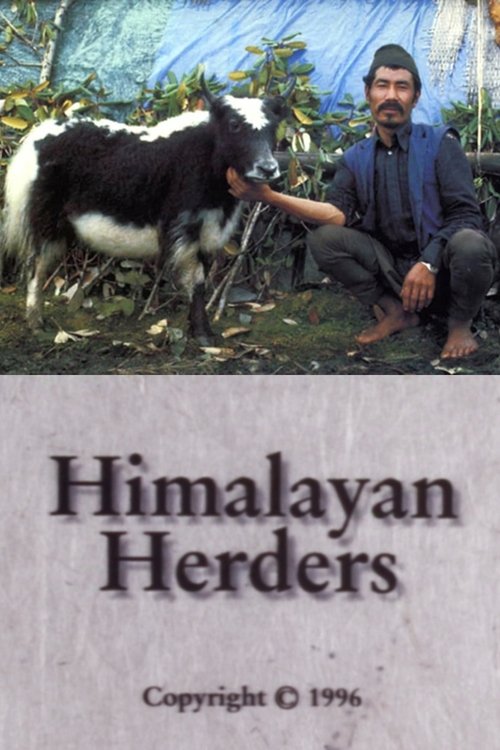
Himalayan Herders
Film

John Bishop and Naomi Bishop present a portrait a peculiar life style of the Himalayan indigenous Sherpa people in their documentary , the Himalayan Herders. The 76 minutes long film is about the diverse culture and life style of herders community near Mt. Everest region of Nepal.The film was made in 1997 as a part of Case Studies in Cultural Anthropology Series.

Himalayan Herders

1997

Machete Gillette... Mama
★6.0
Film

"With characteristic wit and rigor, experimental filmmaker Larry Gottheim here applies his impressionistic editing style to footage collected during his travels in the Dominican Republic. Gottheim’s formal emphasis on repetition and fissures between sound and image resonates here as a mode of sociological reflection (with the fragmentary montage mirroring elements of ritual while also destabilizing the ethnographic gaze). A largely overlooked antecedent to the contemporary blending of avant-garde and ethnographic filmmaking, MACHETTE GILLETTE… MAMA still poses a potent challenge to documentary convention." - Max Goldberg

Machete Gillette... Mama

1989

Decolonising the Curatorial Process
Film

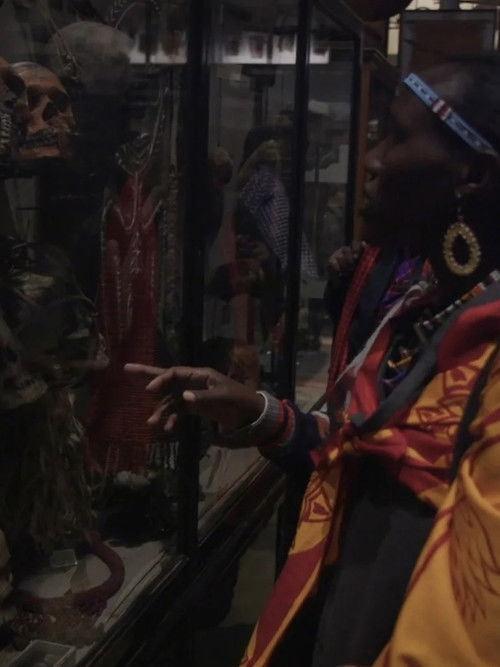
Decolonising the Curatorial Process is a forty-minute documentary which explores decolonial strategies in an academic and curatorial context. The film features academics, activists and practitioners, and contains case studies of institutions that are deploying critical, self-reflective forms of curatorial practice. The Museum of London Docklands exhibition on slavery and the sugar industry is examined as an example of how an institution can decolonise the curatorial process, utilise the work of artists in a museum context, and critically examine East London's imperial history. The Pitt Rivers museum in Oxford, who are working with Maasai activists from Kenya and Tanzania on a project centred on repatriating the museum's collection of sacred Maasai artefacts, also features in the film.

Decolonising the Curatorial Process

2020

No image
Film

The people and their labor are bound to the land in the cycle of activities to the sowing to the harvesting of wheat. Without narration or subtitles, the film conveys a sense of unity between the people and the land. Filmed in the Balkh Province, an area inhabited by Tajik and other Central Asian peoples. The town of Aq Kupruk is approximately 320 miles northwest of Kabul. The theme of the film focuses on rural economics. The film and accompaning instructor notes focus on herding, and fishing under diverse environmental conditions. The impact of technological change, human adaptation, and governmental extension of market systems are parallel themes.

Wheat Cycle

1975

A Wife Among Wives
★6.0
Film

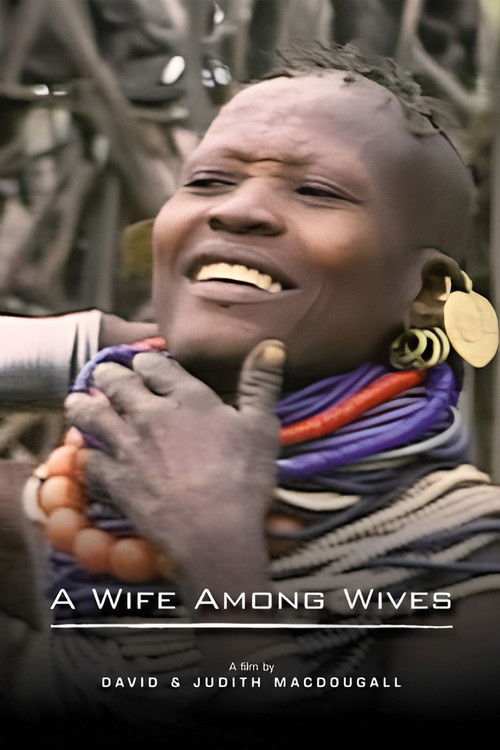
David and Judith MacDougall are exploring the marriage rituals and roles of Turkana women in this ethnographic documentary. The film's biggest part is taken up by talks between the Turkana people. As one of the first ethnographic documentaries "A Wife Among Wives" subtitles these talks so that the viewer can get a better and probably more personal understanding of the life of the Turkana.

A Wife Among Wives

1981

No image
★5.5
Film

Early Mondo film featuring primitive rituals, animals being butchered, unusual birth defects, and a legit trepanation scene.

Kwaheri: Vanishing Africa

1964

Arba'een
Film

Short ethnographic documentray about Arba'een, a Shia Muslim religious observance

Arba'een

1970

Live, song, live!
Film

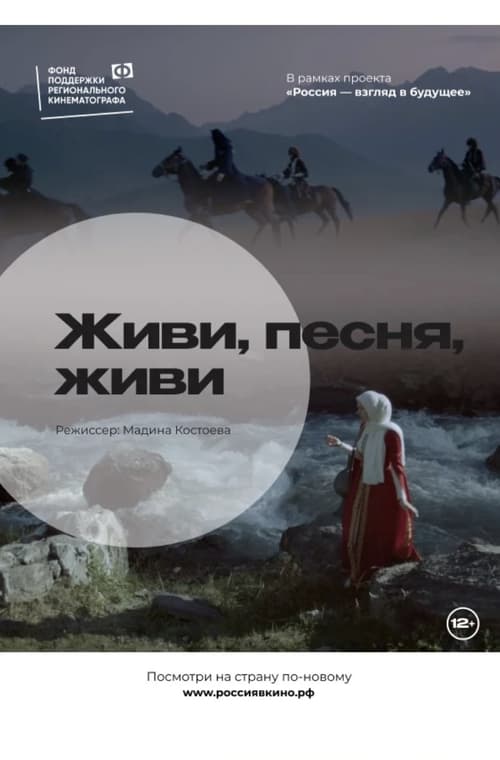
The film tells the story of ancient Ingush lullabies - Ingush women and men tell the lullabies of their families and the stories associated with them: love, friendship, blood feud.

Live, song, live!

2022

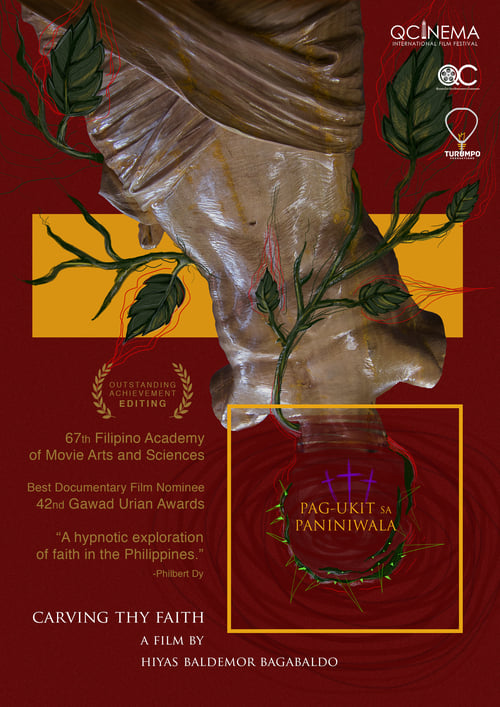
Carving Thy Faith
★10.0
Film

A five-year visual ethnography of traditional yet practical orchestration of Semana Santa in a small town where religious woodcarving is the livelihood. An experiential film on neocolonial Philippines’ interpretation of Saints and Gods through many forms of rituals and iconographies, exposing wood as raw material that undergoes production processes before becoming a spiritual object of devotion. - A sculpture believed to have been imported in town during Spanish colonial conquest, locally known as Mahal na Señor Sepulcro, is celebrating its 500 years. Meanwhile, composed of non-actors, Senakulo re-enacts the sufferings and death of Jesus. As the local community yearly unites to commemorate the Passion of Christ, a laborious journey unfolds following local craftsmen in transforming blocks of wood into a larger than life Jesus crucified on a 12-ft cross.

Carving Thy Faith

2018

No image
★10.0
Film

The first Easter Island documentary, filmed in 1935 when the Belgian naval ship Mercator came to collect Drs. Henri Lavacherry and Alfred Métraux, who had arrived six months before to carry out archaeological and ethnological work. The film, directed with melodramatic gusto and featuring a full orchestral score by Maurice Jaubert (who also did the narration), shows islanders, the monuments, and a public dance. A theme of decay and decadence characterizes the film, the motif portrayed gruesomely by extensive close-ups of the inhabitants of the leper colony there at the time. The film suited a romantic image of a mysterious lost civilization, the survivors eking out a pitiful existence on a barren rock. (Grant McCall)

L'île de Pâques

1935

Barrage du Nil
★4.8
Film

Travellers, nomads and salesmen make their way along a dam next to the Nile.

Barrage du Nil

1897

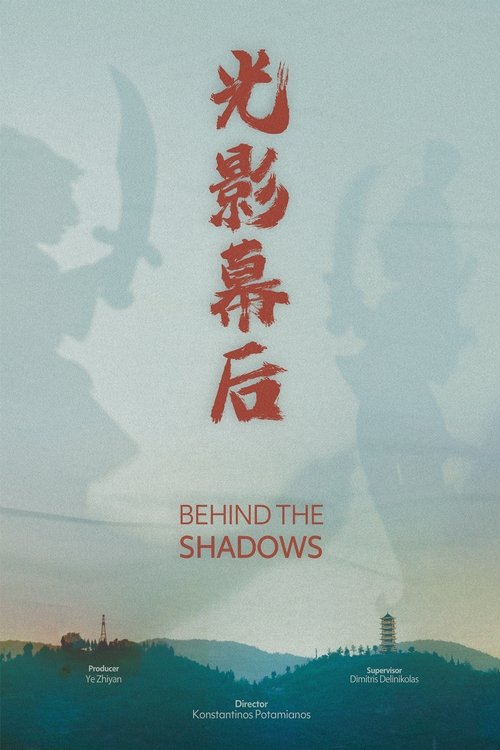
Behind the Shadows
★10.0
Film

The Greek shadow puppetry began 130 years ago. A student of Greek shadow puppetry travels to China, where shadow puppetry began over 2000 years ago. There he follows Chinese shadow puppeteer master He Shihong in Wushan of China. Watching his performances and listening to him talk about his art and his career in it, many parallels are drawn and he expresses them by including his Greek shadow puppetry teacher in the film. This documentary is a cultural bridge between Greece and China through the art of shadow puppetry.

Behind the Shadows

2025

No image
★6.0
Film

“The picture [shows] a number of Esquimaux picking nickels from cracks in a board with their dog whips, in which sport they are very expert. In the background will be seen one of their "Topeks," a sealskin tent in which they live during their short summer.” (Edison catalog)

Esquimaux Game of Snap-the-Whip

1901

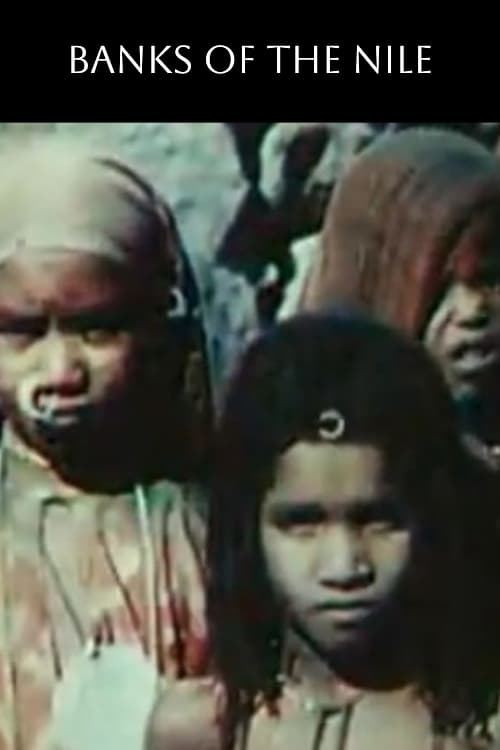
Banks of the Nile
★5.0
Film

With a dual motion a cruise ship and a fishing boat pass one another on the Nile and butlers in turbans set up a wooden gangway. Thanks to a rope and pulley system cows climb skywards then disappear into the hold of the sailing vessel. On the bank, black-haired women rock back and forth, bursting out laughing and showing the first signs of going into a state of trance. Never-before filmed gestures and faces of the people of the Nile succeed one another, uprooted to an unknown, magical world. The Banks of the Nile is one of the first experiments of film in colour that uses the Kinemacolor process.

Banks of the Nile

1911

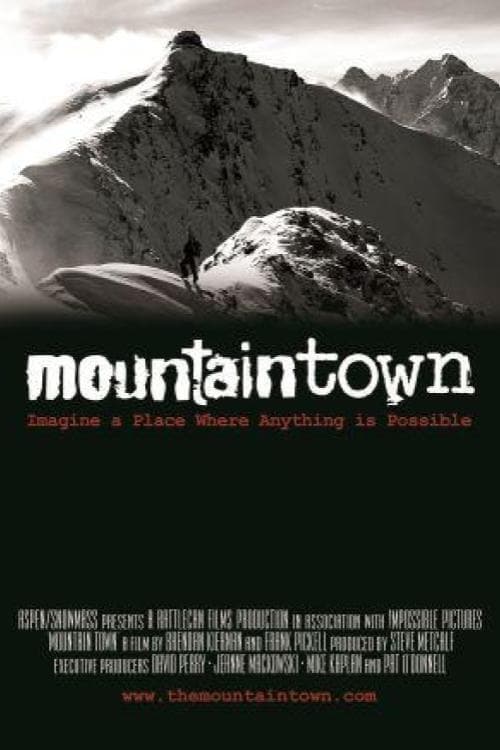
Mountain Town
Film

This documentary looks at the stories of a few people in Aspen Colorado and how they contribute to the community.

Mountain Town

2006

No image
Film

This provocative and profound film documents the Choqela ceremony, an agricultural ritual and song of the Aymara Indians of Peru. By offering several different translations of the proceedings, the film acknowledges the problems of interpretation as an inherent dilemma of anthropology.

Choqela: Only Interpretation

1987